What to Do When Your House Loses Power but the Neighbors Do Not
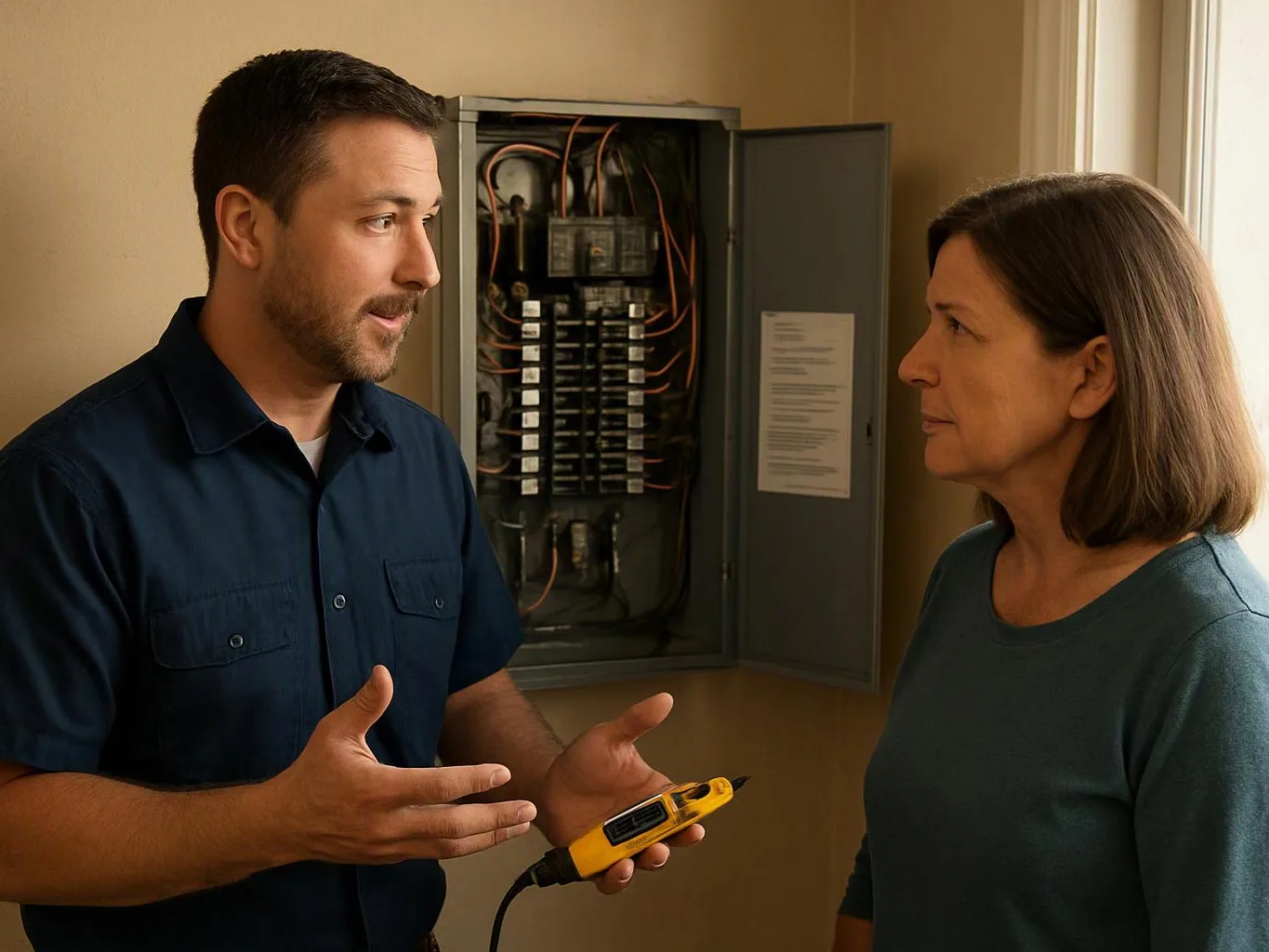
A single-home power outage usually points to a tripped breaker, failed electrical equipment, or a problem with the home’s wiring. Toledo Electrician handles power outage repairs, panel problems, service issues, and related electrical faults.
Get a Free Estimate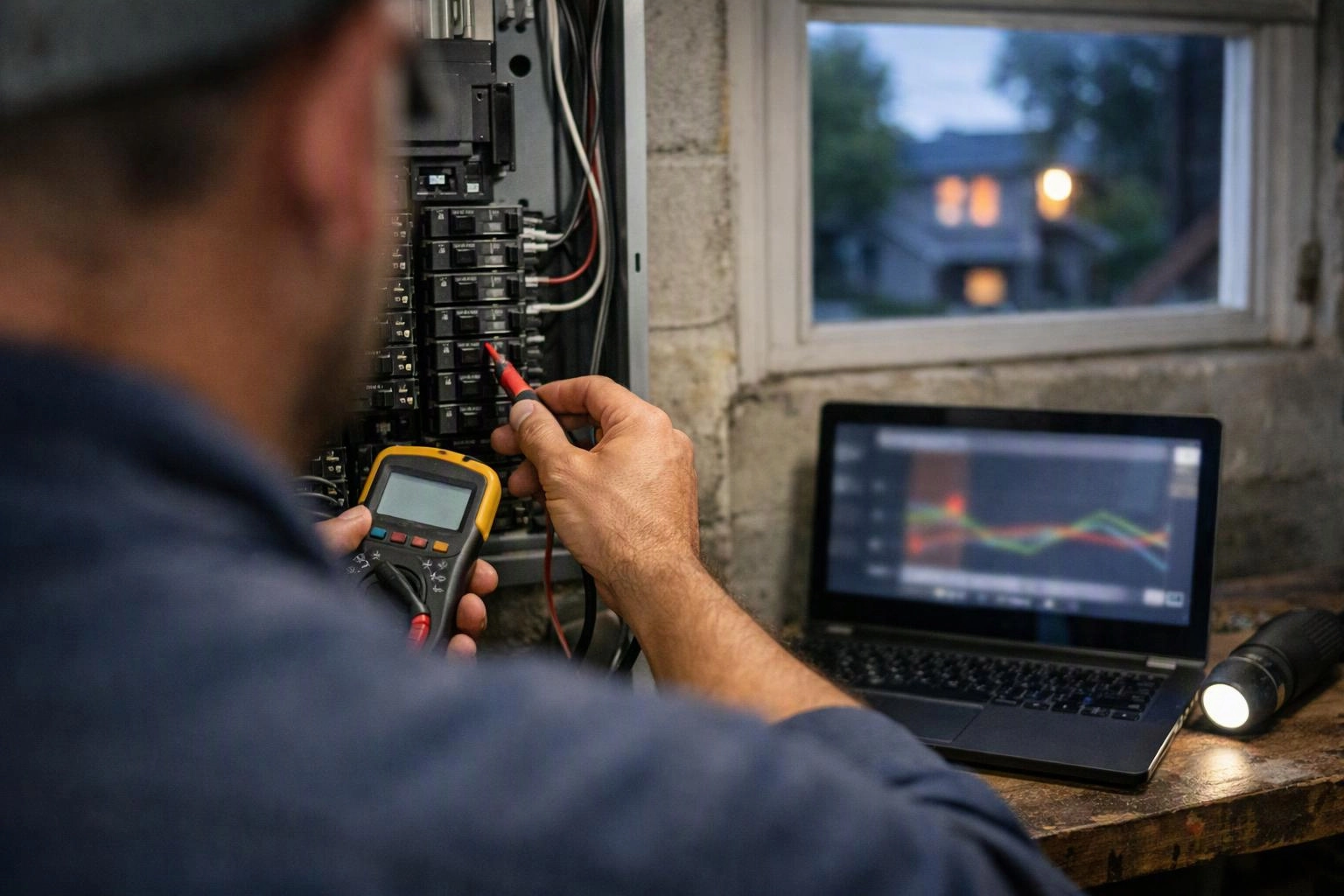
Why Is My House the Only One Without Power?
A single-home power outage usually means the fault is within the home’s electrical system or its individual utility connection, not the neighborhood grid.
The electrical panel, main breaker, service drop, and house wiring can all affect power inside one property. Damage at the utility connection can also interrupt service to one home while nearby homes remain energized. We trace the loss of power through these points to identify the fault safely.
What Signs Point to a Home Electrical Problem?
Warning signs can show that the outage involves a home electrical problem instead of a wider utility outage.
Our team uses these symptoms to guide a focused electrical inspection and protect the home from further damage.
What Should You Check During a Home Power Outage?
You should check whether the utility reports an outage, inspect the electrical panel without removing its cover, and reset a tripped breaker only when there are no warning signs.
These checks help separate a utility issue from a home electrical fault. Stop immediately when you see damage, smell burning, or face any other electrical hazard.
What Causes Power Loss in Only One House?
Several electrical faults can cause a house-only outage while the neighbors have power.
We inspect the affected equipment and wiring to determine whether the repair involves one circuit or the home’s incoming service.
Can a Main Breaker Cause a Whole-House Outage?
Yes, a tripped or failed main breaker can cut power to the entire house while nearby homes remain energized.
The main breaker provides overcurrent protection for the service panel and the home’s electrical load. A breaker reset may restore power when the trip came from a temporary overload, but a failed breaker or underlying fault requires inspection. We test the main breaker and connected circuits before completing power restoration.
When Is It Unsafe to Reset a Breaker?
Do not reset a breaker when the panel shows smoke, heat, water, damage, burning odors, or repeated trips; Toledo Electrician should inspect the electrical system.
Electrical shock and arc flash can occur when damaged equipment is energized. Keep away from water near electricity, and do not touch a panel that is hot, wet, smoking, or making unusual sounds. We identify the cause of repeated breaker trips before attempting power restoration.
How Can You Help Prevent Another Single-Home Power Outage?
Preventive care reduces stress on circuits and helps reveal electrical problems before they interrupt service.
Our team can assess the electrical system when appliance use, older equipment, or repeated symptoms suggest that the home needs further attention.
Who Should You Call for Power Outage Repairs?
Toledo Electrician should diagnose a home-only outage when utility service is available but the house remains without power or shows electrical warning signs.
We provide Power Outage Repairs for tripped or failed breakers, electrical panel problems, service issues, and house wiring faults. Our team also handles Emergency Electrical Repairs when loss of power is connected to smoke, burning odors, sparking, water, or other immediate hazards.
We can determine whether the repair involves electrical panel repair, service equipment, wiring, or an electrical service upgrade. Contact us through our contact page so we can discuss the symptoms and the next safe step.
How We Diagnose a House-Only Power Outage
Our electrical inspection follows the path of power from the utility connection through the panel and branch circuits.
We explain the fault before we carry out power restoration, so you understand which equipment needs attention.
What Changes the Cost of Repairing a House-Only Outage?
The cost of repairing a house-only outage depends on whether the fault involves a breaker, panel, service connection, wiring, or a service upgrade; we explain the repair scope and provide a quote.
A simple breaker replacement has a different scope from electrical panel repair or damaged service equipment. Wiring access, the location of the fault, the condition of connected parts, and the need for an electrical service upgrade also affect the work involved. We provide Free Estimates Available and explain what our estimate includes before work begins.
How to Restore Power Safely
Safe power restoration starts with confirming utility service, checking only accessible breaker controls, and stopping when an electrical hazard appears.
Do not remove the electrical panel cover, handle exposed wiring, or continue resetting a breaker that trips again. We complete a professional inspection when the cause is not clear, and we restore power only after the affected equipment and wiring are safe to energize.
Questions About a House-Only Power Outage
Why does my house have no power when the breaker is not tripped?
Toledo Electrician checks the service connection, main breaker, electrical panel, and house wiring when the breaker is not visibly tripped but the home has no power. A failed breaker, damaged service equipment, or a wiring fault can interrupt power without an obvious breaker position change.
Can a bad electrical panel cause a house-only power outage?
Yes, a bad electrical panel can cause a house-only power outage by failing to distribute power or by developing a dangerous connection problem. We inspect the panel for heat, damage, buzzing, failed breakers, and other conditions before recommending electrical panel repair or replacement.
Should I call the utility or an electrician when only my house loses power?
Call the utility when its outage status shows a service interruption or the service drop appears damaged, and contact us when utility service is available but your home remains without power. We diagnose the home electrical system and coordinate the next step when the fault involves the individual utility connection.
Why does power come back after I reset the main breaker?
Power can return after a main breaker reset when the breaker responded to a temporary overload or short-lived fault. A breaker that keeps tripping still signals an unresolved electrical problem, so we inspect the load, circuits, and connected equipment.
Can a power outage damage home appliances?
Yes, a power outage can damage appliances when the electrical supply returns with an abnormal voltage or when equipment already has a fault. Unplug sensitive appliances during an unresolved outage, and we can inspect the electrical system when you notice burning smells, sparks, heat, or unusual appliance behavior.
Toledo Electrician handles power outage repairs, emergency electrical repairs, electrical panel repair, and electrical service upgrades when a house loses power while the neighbors have power.
Request an assessment so our team can identify the fault, explain the repair scope, and help restore power safely.