Whole-House Surge Protection: What It Protects and How It Is Installed
Whole-house surge protection helps protect a home's electrical system and connected equipment from surges by diverting excess voltage through a device installed at the electrical panel. Toledo Electrician evaluates the panel, selects compatible protection, installs the device, and verifies the completed connection.
Get a Free Estimate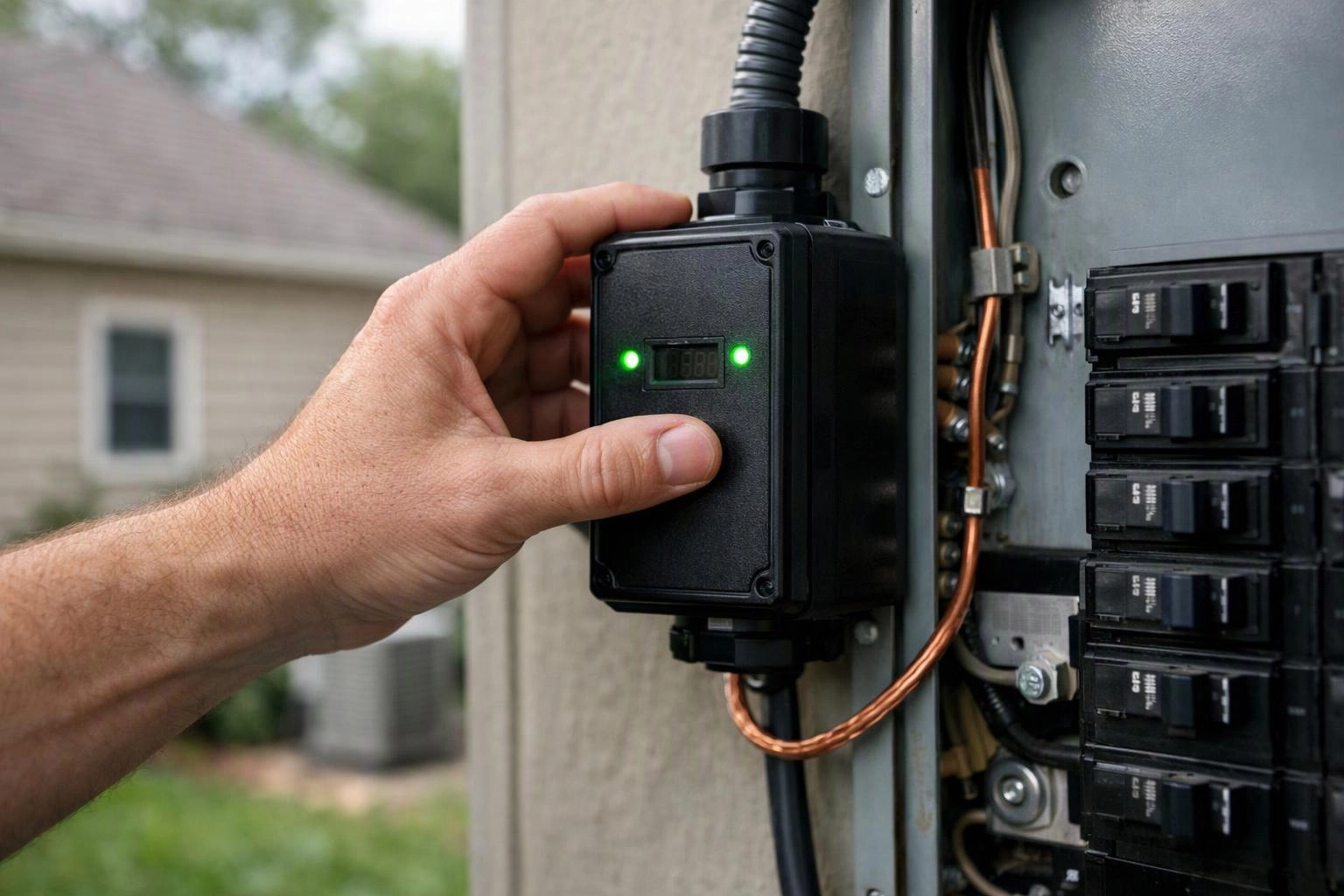
Why Homes Need Whole-House Surge Protection
Whole-house surge protection helps reduce surge damage by directing excess electrical energy away from connected circuits and equipment. A voltage surge can enter through utility power, lightning-related activity, or switching on the electrical system.
We evaluate the residential electrical system, the electrical panel, and the grounding path before choosing panel-mounted protection. This review helps us match the surge protective device to the home's power quality needs.
What Whole-House Surge Protection Protects
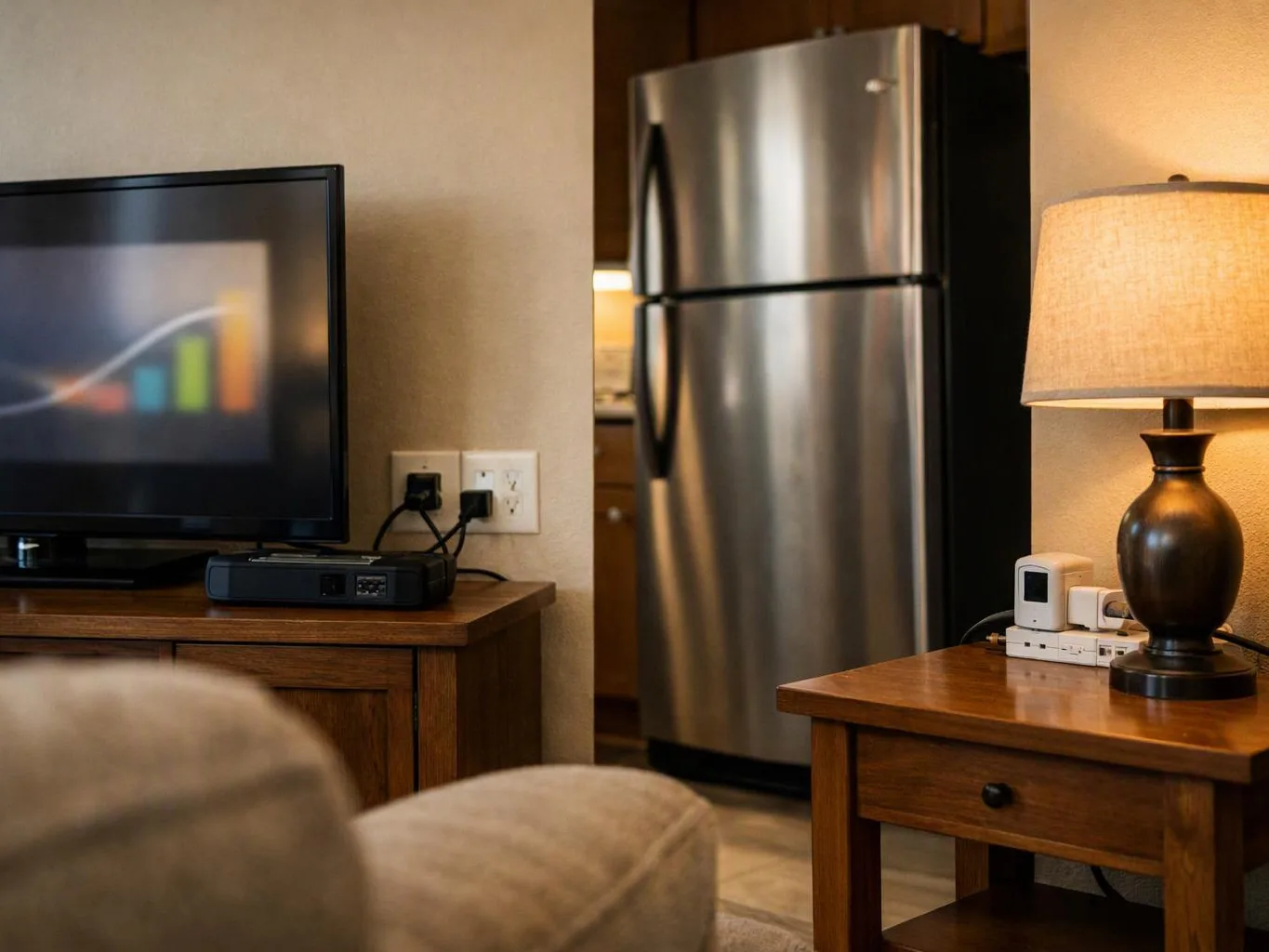
Whole-home surge protection covers connected electrical equipment throughout the home, although protection depends on the device, installation, wiring, and surge path. We connect the protection at the service panel so it can serve circuits that feed appliances, electronics, and other equipment.
Electrical wiring, connected appliances, home electronics, HVAC equipment, and smart home devices may all benefit from panel-level protection. We also consider how branch circuits leave the panel and whether the grounding system provides a suitable path for surge diversion.
What It Cannot Guarantee
Whole-house surge protection cannot guarantee that equipment will survive a direct lightning strike or every severe electrical surge. Surge severity, equipment limits, wiring condition, and the quality of the grounding path all affect the result.
Point-of-use protection can add another layer for sensitive electronics. We explain where localized protection still makes sense after reviewing the home electrical system.
Whole-House Surge Protection Compared With Other Protection Options
Panel-level protection serves a home through the electrical panel, while plug-in devices protect selected equipment at individual outlets. The right combination depends on whether the user owns the property, manages it, rents it, or relies on sensitive equipment.
The table shows how common protection options fit different needs. We can review the panel and the equipment that matters most before recommending a connection method.
| Protection option | Homeowners | Other customers |
|---|---|---|
| Whole-house surge protector | Provides panel-level protection for connected branch circuits throughout the home. | Landlords can use it as part of an electrical protection plan for a rental property. |
| Plug-in surge protector | Adds localized protection for selected electronics at an outlet. | Renters can use it without changing the electrical panel. |
| Uninterruptible power supply | Supports selected equipment that needs backup power and power conditioning. | Home office users may use it for computers and network equipment. |
| Power strip | Provides outlet access, but protection depends on the specific product. | Any customer should confirm whether the strip includes surge protection. |
Key Features That Matter in a Whole-House Surge Protector
Good panel-mounted protection must match the home's electrical system and installation conditions. We use the manufacturer's specifications and the panel inspection to confirm that the selected device fits the job.
Common Challenges With Whole-House Surge Protection
Older panels and limited panel space can make device placement more involved. We inspect the service panel before selecting a connection method or discussing an electrical panel upgrade.
How a Whole-House Surge Protector Is Installed
Whole-house surge protection is installed at or near the electrical panel, where the device connects to the home's electrical system and grounding path. We complete the work with the power safely controlled and the panel connections arranged according to the device requirements.
How Toledo Electrician Checks the Installation
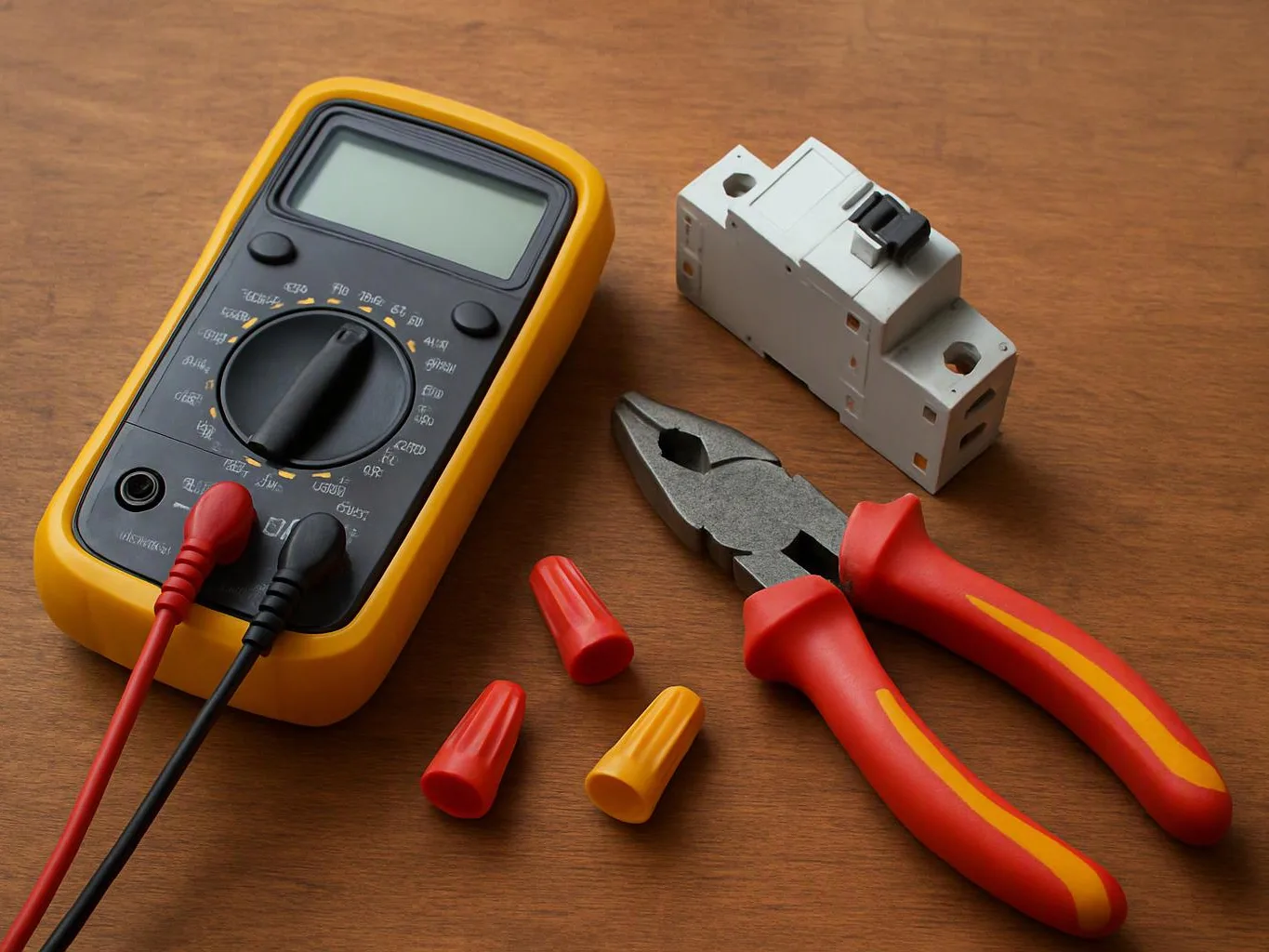
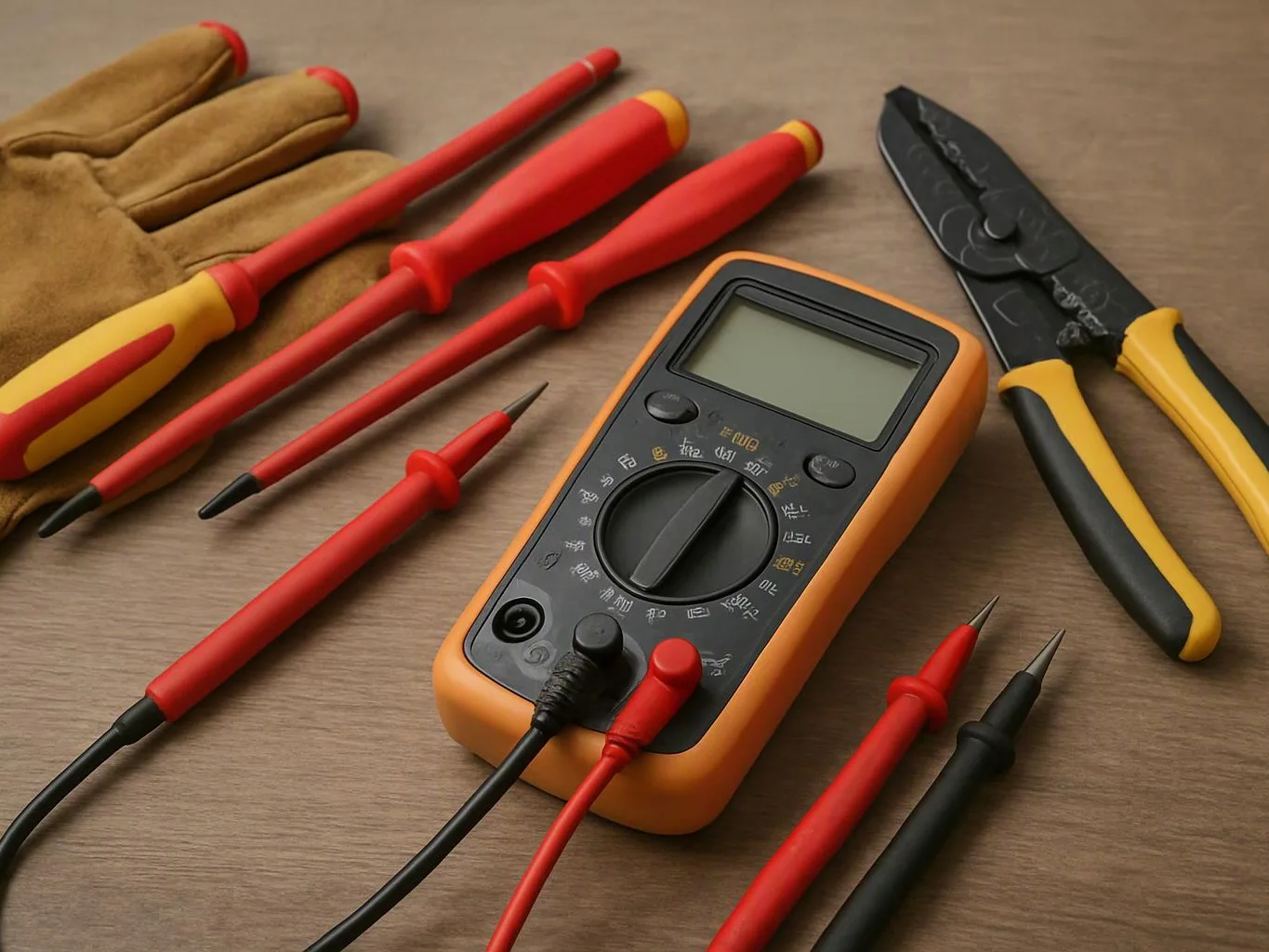
Toledo Electrician checks the electrical panel inspection findings, grounding system, connection points, and status indicator after installation. We use circuit testing to confirm that the device is connected as intended.
Our team also reviews the panel cover, conductor routing, and visible installation condition. If the inspection identifies an electrical panel repair or an electrical panel upgrade, we explain how that work relates to safe surge protection.
Do You Still Need Power Strips With Whole-House Surge Protection?
Yes, power strips or point-of-use surge protectors can still add localized protection for sensitive equipment, but they do not replace panel-level protection. A home office computer, entertainment system, or network device may benefit from protection close to the equipment.
We review the equipment and its outlet location when discussing point-of-use protection. A power strip also needs correct use and inspection because a damaged or overloaded product can create an electrical safety concern.
Is Whole-House Surge Protection Worth It?
Whole-house surge protection can be worthwhile when a home contains sensitive electronics or equipment that would be costly or disruptive to replace. The value depends on the home's surge risk, the equipment connected to the electrical system, and the condition of the existing protection path.
We help you weigh the replacement risk against the condition of the panel, wiring, and grounding system. Our review can also show whether additional point-of-use protection is useful for specific equipment.
What Changes the Cost of Whole-House Surge Protection?
The cost of whole-house surge protection depends on the panel configuration, available space, grounding condition, device selection, and electrical work needed before installation. An older panel, limited access, or required electrical panel repair can change the work involved.
We review the electrical panel type, panel capacity, grounding condition, installation access, and surge protector selection before preparing an exact quote. Our estimates are available free, and the quote explains the device, installation work, testing, and any required electrical repairs.
Questions About Whole-House Surge Protection
Can whole-house surge protection stop every electrical surge?
Whole-house surge protection cannot stop or guarantee protection from every electrical surge. Toledo Electrician selects and installs the device based on the panel, wiring, grounding path, and equipment needs, but a direct lightning strike or severe surge can exceed equipment limits.
Where does a whole-house surge protector connect in a home?
A whole-house surge protector connects at or near the electrical panel through a compatible circuit breaker connection and grounding path. The panel location lets the device protect connected branch circuits throughout the home.
Can an older electrical panel receive whole-house surge protection?
An older electrical panel can receive whole-house surge protection when its condition, space, grounding system, and compatibility support the installation. We inspect the panel first and explain whether an electrical panel repair or electrical panel upgrade is needed.
What happens when a whole-house surge protector reaches its limit?
A whole-house surge protector that reaches its limit may show a changed or failed status indicator. We inspect the device and electrical panel, then explain replacement or related electrical work based on the installation condition.
Toledo Electrician evaluates your panel, grounding path, and connected equipment before installing whole-house surge protection. Request a free estimate to receive an exact quote for the device, installation, testing, and any needed electrical work.