How can carbon monoxide detectors be tested?
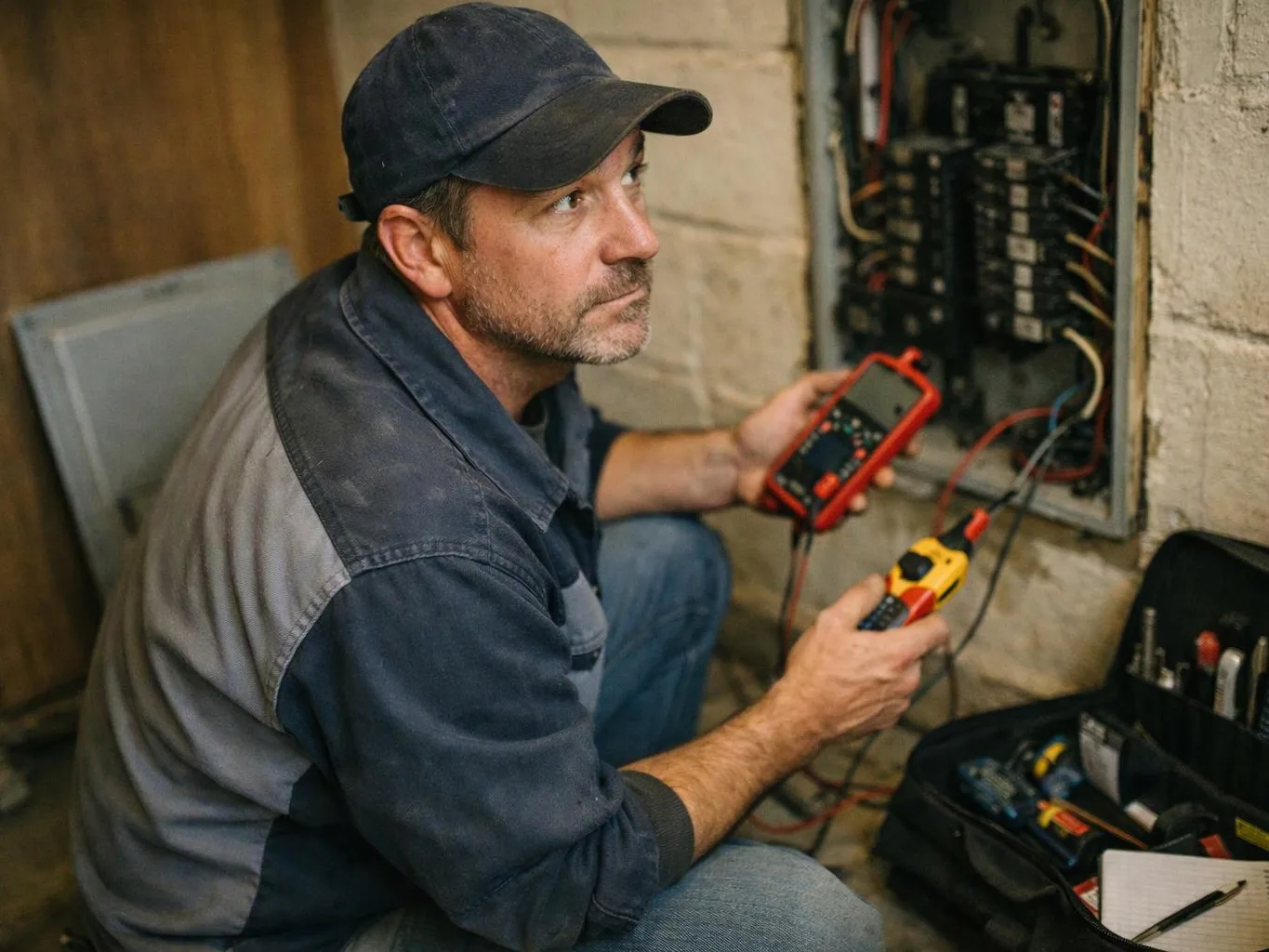
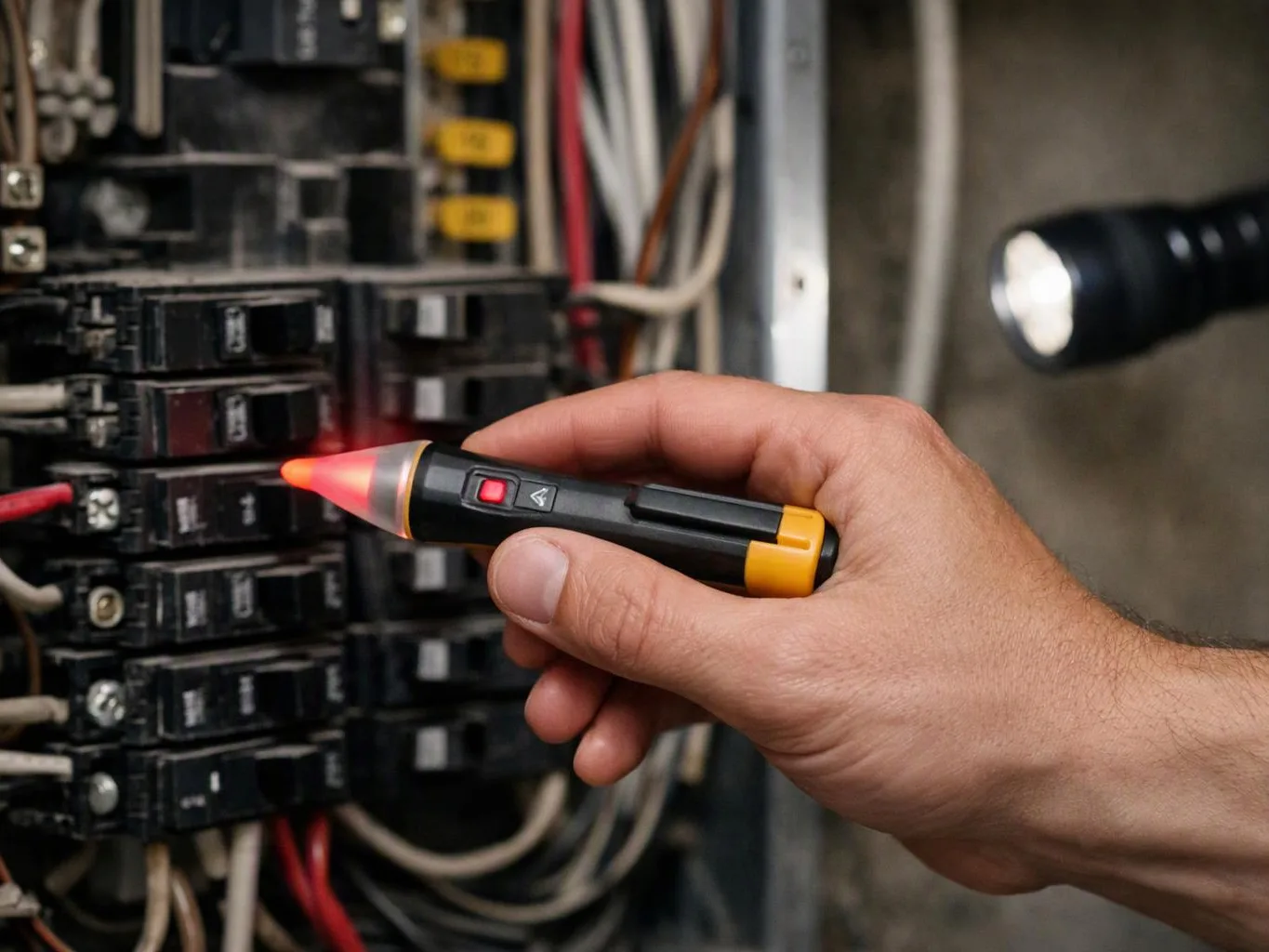
Toledo Electrician tests the test button, alarm sound, battery, and sensor status. A working test button should activate the detector’s warning sound. We also check whether the device shows a fault or lacks power. A silent detector needs assessment before you rely on it.
What should be checked before installation is scheduled?
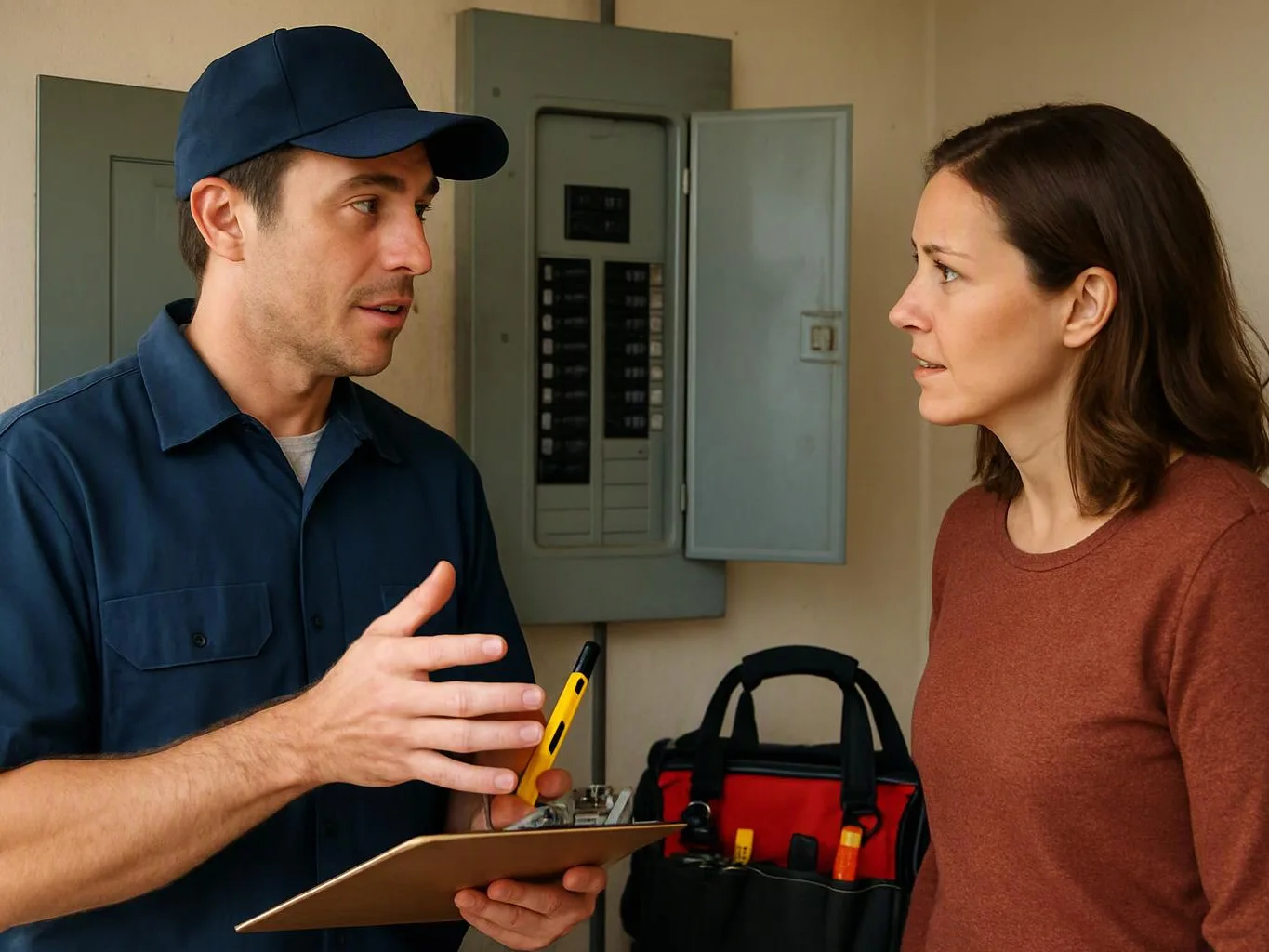
The existing detector, power source, mounting location, and access should be checked first. Battery units need a suitable mounting point, while hardwired units need an electrical connection. We use those details to define the installation scope and identify related wiring work.
Who is a good fit for this service, and who needs different work?
Homes, rental properties, and commercial spaces with missing, failed, or outdated detectors fit this service. A property with broader wiring damage needs electrical troubleshooting or repair as well. We identify that limit during the assessment and explain which work addresses the actual problem.
What happens at each stage of detector installation?
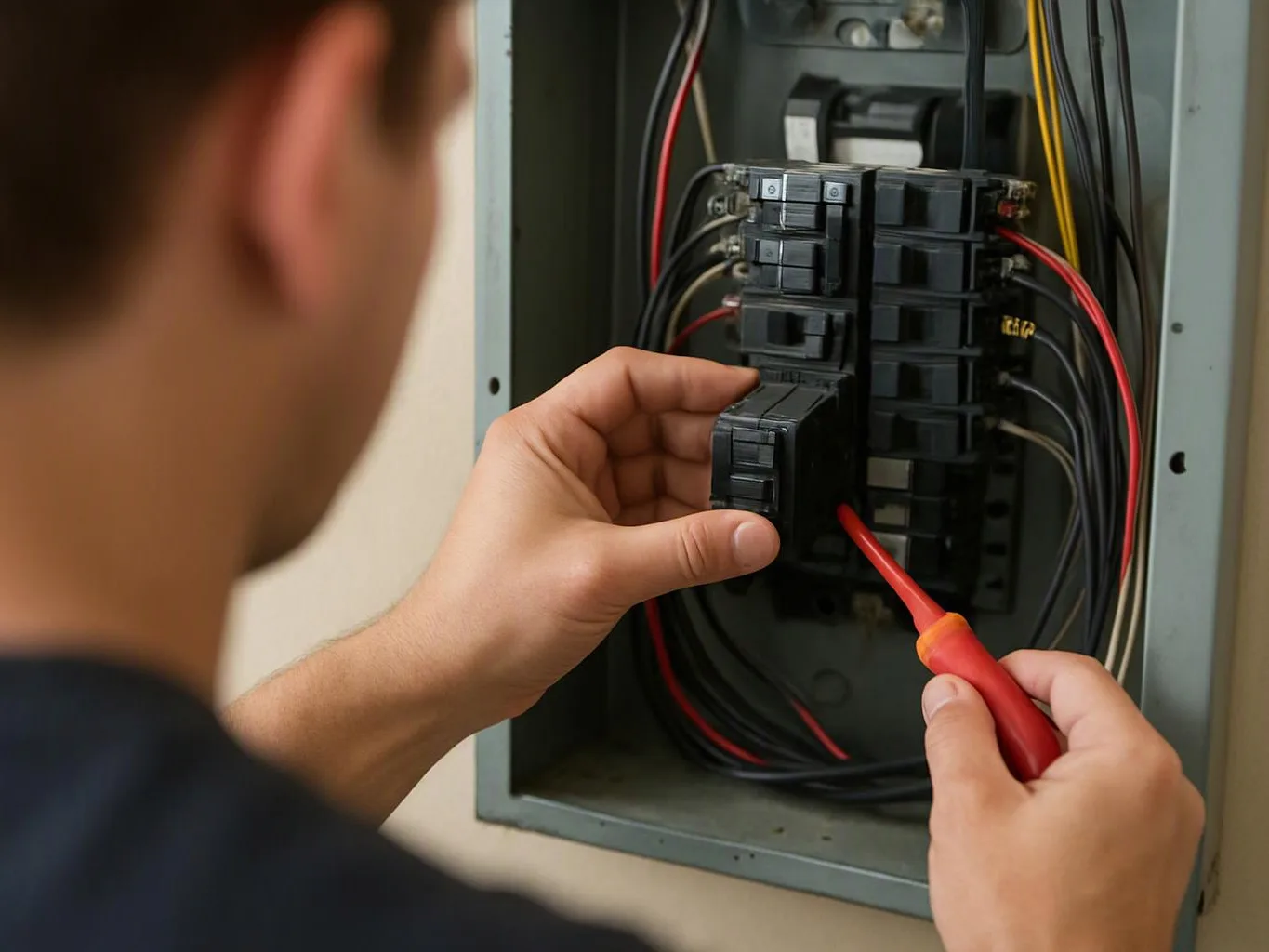
The installation starts with a location and power check, then moves to mounting, connection, alarm testing, and sensor review. We explain the result after each check. The final scope depends on whether the device is battery-powered, hardwired, damaged, or replacing an existing detector.
Which part of the job changes the estimate?
The detector count, power connection, access, mounting surface, and related wiring work change the estimate. Battery installation may need less electrical work than a hardwired connection. We review the property details and provide a free estimate for the requested scope.
When should a detector be assessed before occupants use the space?
A detector should be assessed when it stays silent, shows a fault, loses power, or has visible damage. These signs make the device unreliable as a warning system. We check the alarm, battery, sensor, and connection before recommending continued use.
Why does a detector sound during testing but still show a fault?
A detector can sound during a test while its sensor or power system still reports a fault. The test button checks the alarm circuit, not every part of the device. We review the indicator, battery, sensor status, and connection before deciding whether replacement is needed.