Why is my ceiling fan running slowly?
A faulty speed switch can make a ceiling fan run slowly. A worn capacitor, motor wiring fault, or remote receiver can create the same symptom. We test the speed control first, then check the capacitor and wiring. Stop using the fan if you notice a burning smell, heat, or sparking.
What should be checked before ceiling fan repair is scheduled?
The fan's speed settings, control type, wiring symptoms, and access point should be checked before scheduling. Note whether the wall switch or remote responds. Share any flickering, buzzing, heat, or breaker trips. Those details help us prepare for a focused fan assessment or a wider electrical inspection.
Who is a good fit for ceiling fan repair, and who needs a different service?
Toledo Electrician repairs fans with control, capacitor, receiver, motor wiring, or connection faults. A property with repeated breaker trips, a buzzing panel, or several failing circuits may need broader electrical service. We assess the fan first and explain when the issue reaches beyond its own circuit.
What happens at each stage of ceiling fan repair?
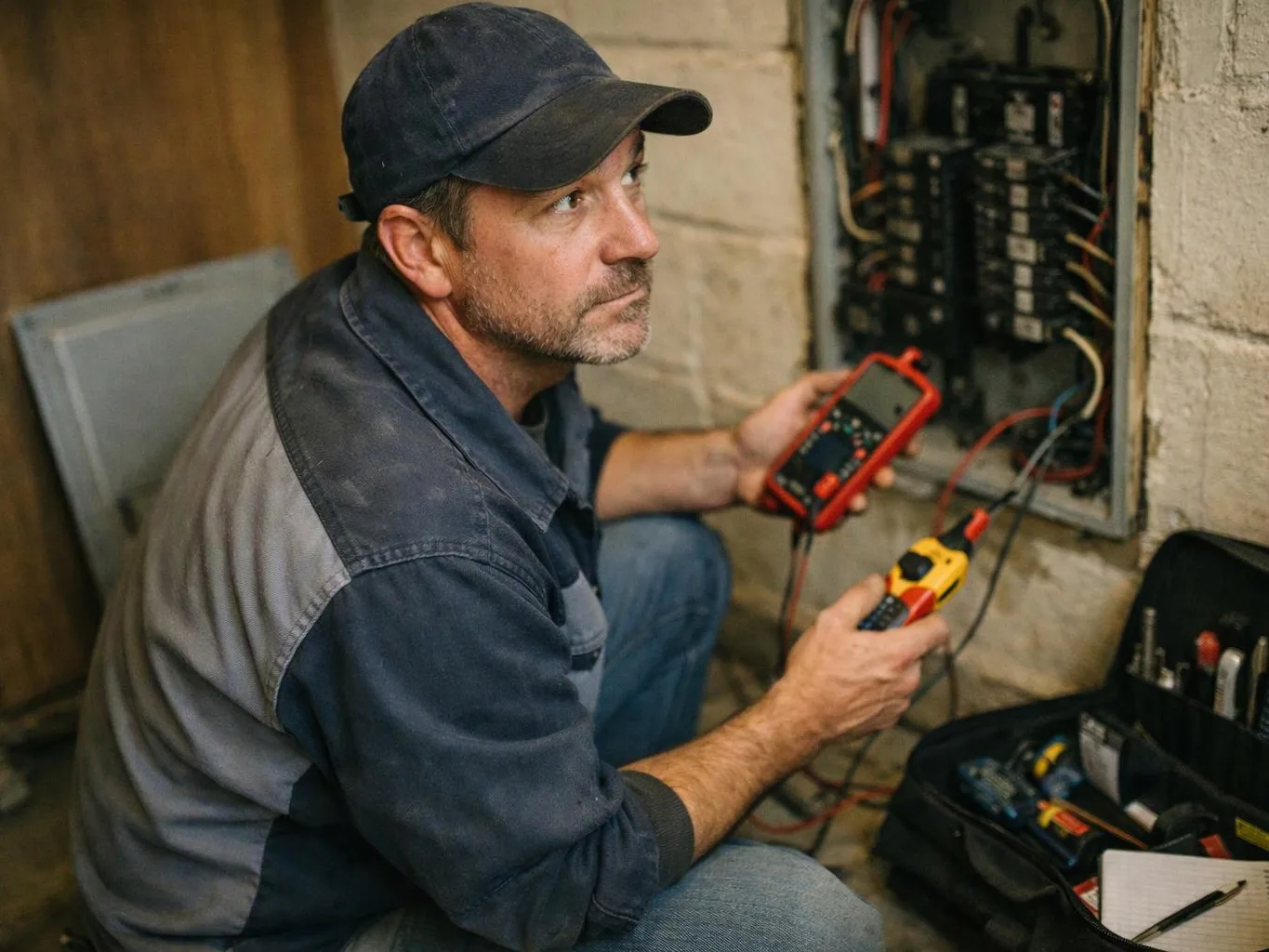
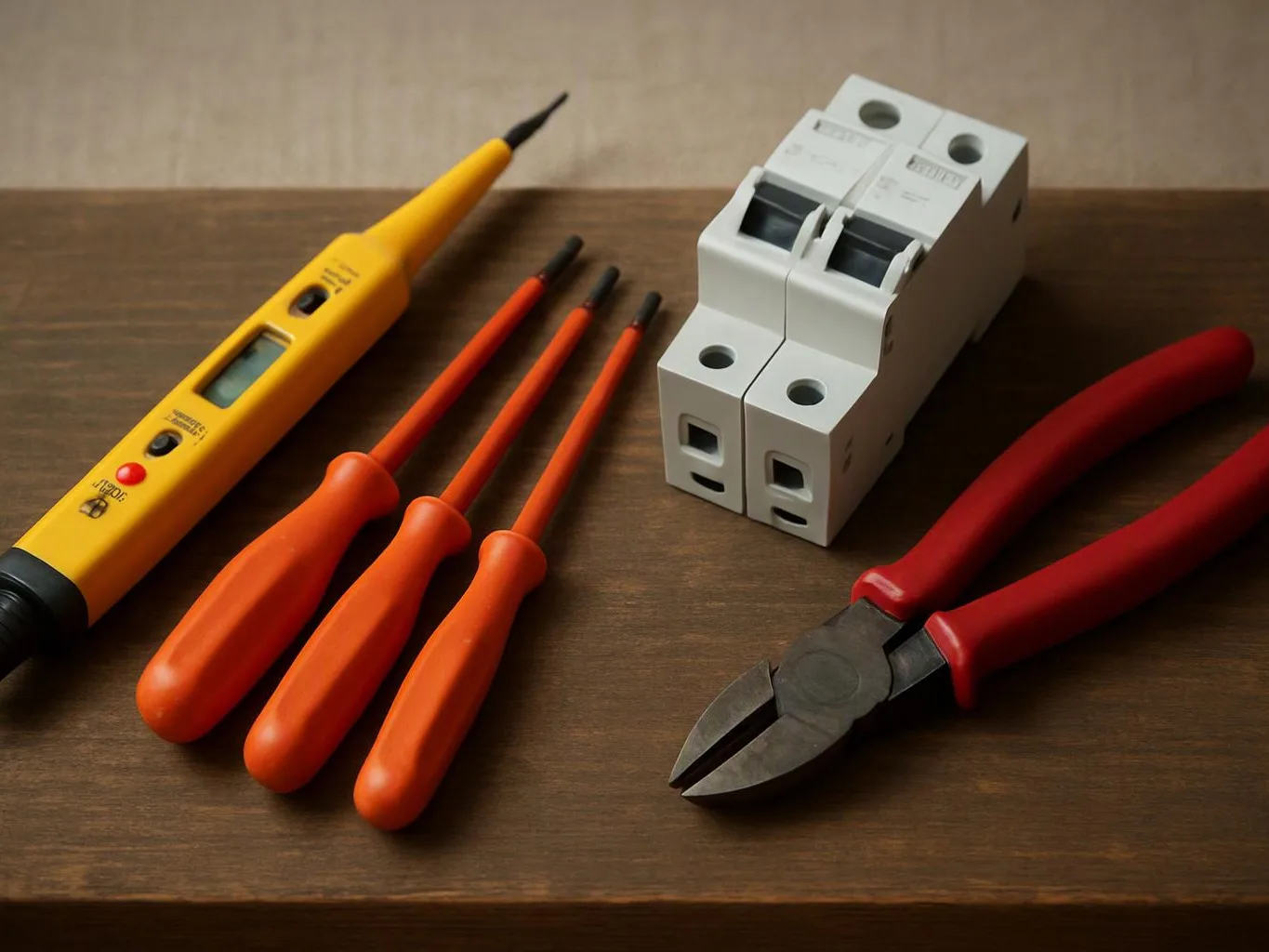
Ceiling fan repair starts with symptom review, followed by control testing and a check of the capacitor, wiring, and receiver. We then explain the repair scope before work begins. If testing finds a wider circuit concern, we discuss that separate electrical work instead of treating it as a fan-only fault.
Which fan parts can cause slow speed?
The speed switch, capacitor, motor wiring, and remote receiver can all cause slow fan operation. Each part affects a different stage of control or motor power. We test the part linked to the symptom, then explain whether repair or broader electrical work fits the property.
When does a slow fan become an urgent electrical concern?
A slow fan becomes urgent when it also produces a burning smell, sparks, heat, or repeated breaker trips. Turn off the fan and avoid the circuit if those signs appear. Emergency electrical service is available, and we can assess whether the fan problem connects to a larger safety hazard.
How does access affect the repair scope?
Fan access affects which connections and parts we can inspect safely. We need access to the fixture, its wall control or remote, and related electrical equipment when testing requires it. Clear access helps us identify whether the fault sits in the fan, the control, or the circuit.