What can happen when electrical code issues remain unresolved?
Failed inspections can remain open, and unresolved electrical issues can raise fire, shock, equipment, and insurance concerns. We identify the affected circuit and explain the correction needed. A burning smell, buzzing panel, sparking outlet, or repeated breaker trip needs prompt attention because those signs can point to a serious electrical hazard.
How is the correction matched to the property before work starts?
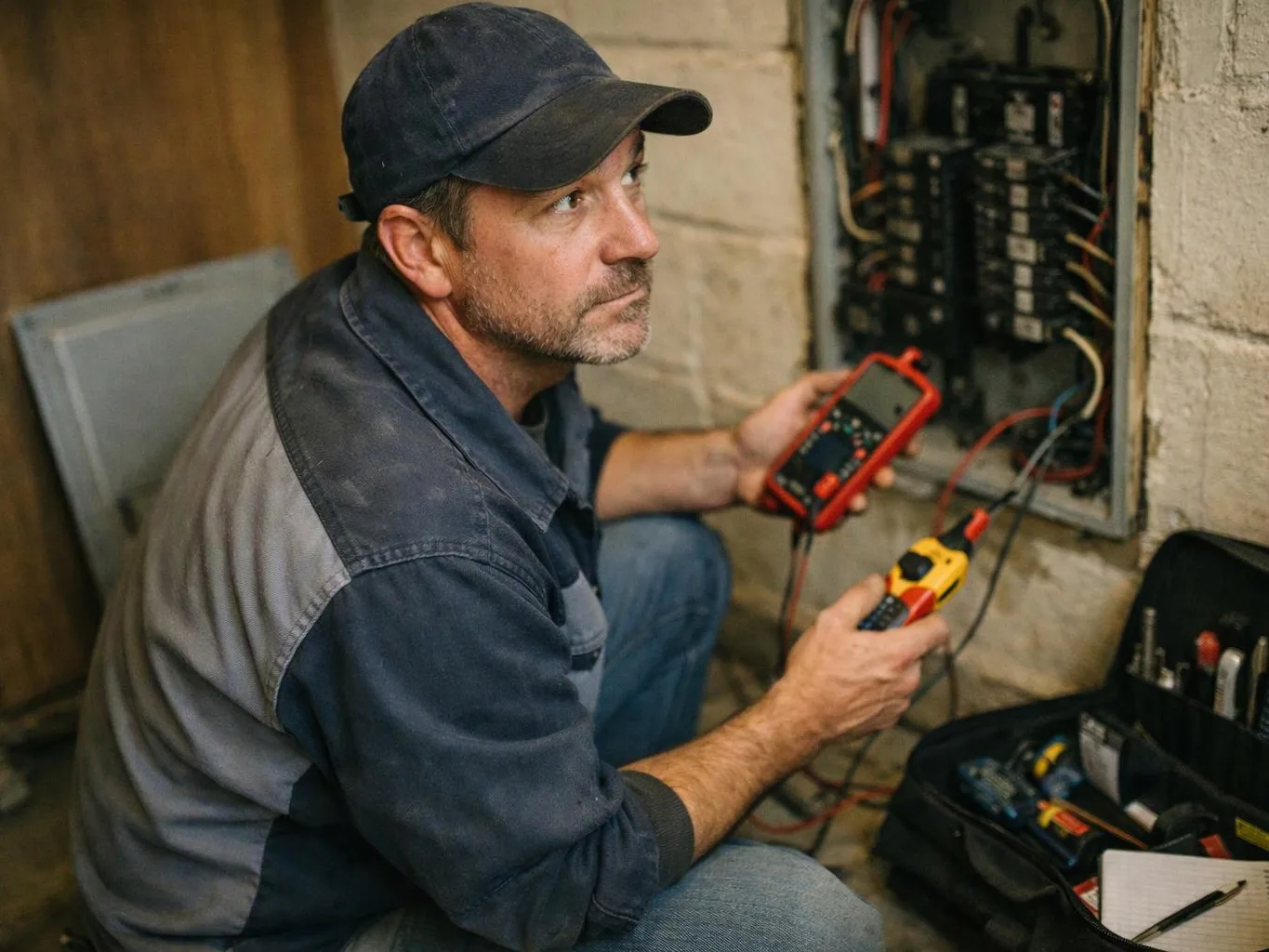
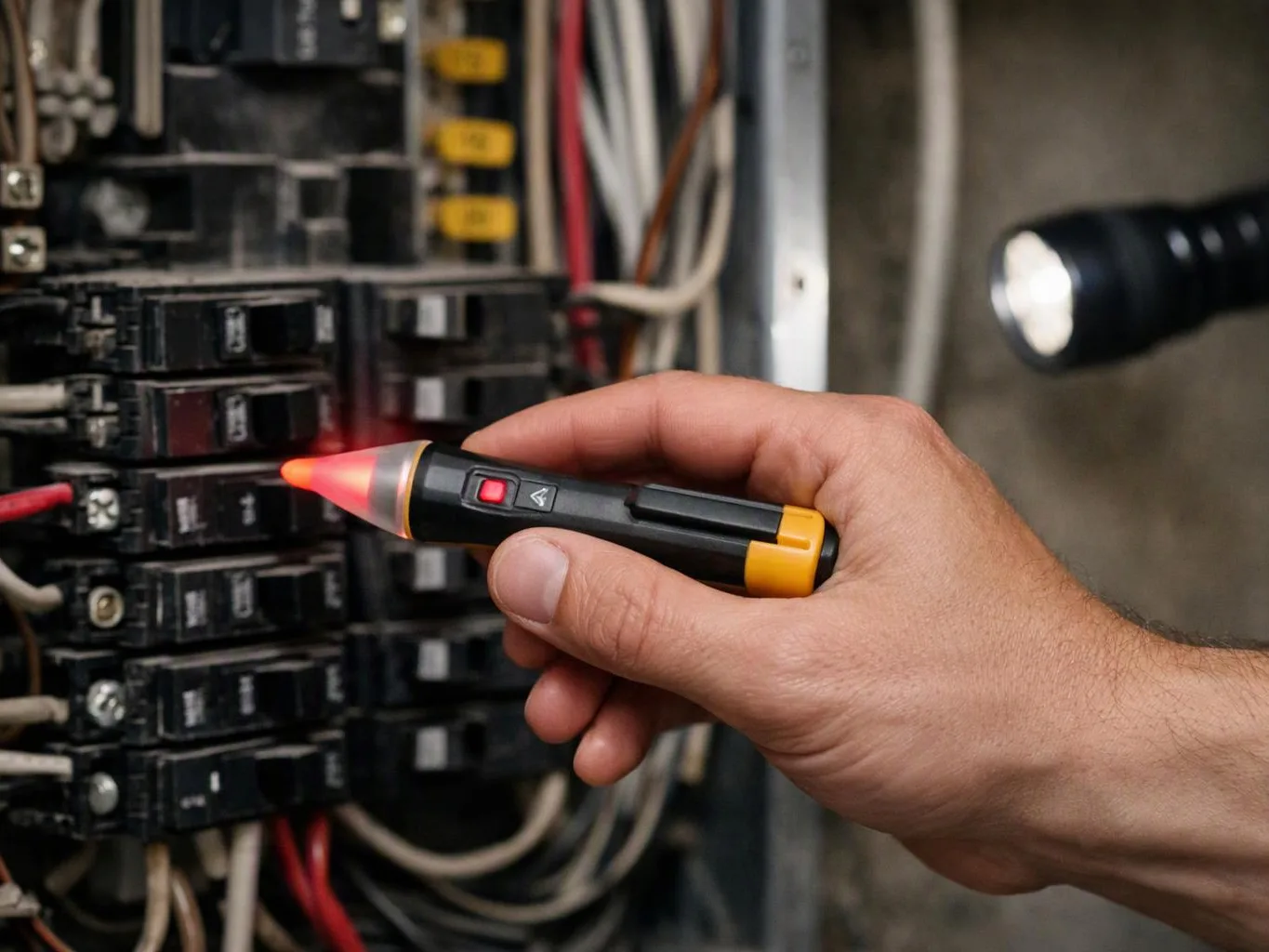
The correction scope is matched to the property through inspection review, circuit tracing, and testing. We check the affected panel, wiring, outlets, grounding, and connected equipment. Access also matters, since concealed wiring may need a different repair plan than an exposed outlet or panel connection.
Which property condition changes the time needed for correction?
The condition of the wiring and access to the affected circuit usually changes the work time. Concealed wiring, damaged panels, added circuits, and hard-to-reach connections need more planning than a visible outlet adjustment. We inspect those conditions before giving a quote and setting the work scope.
What should I ask before agreeing to electrical correction?
Ask which inspection item the work addresses, whether the fix is an adjustment or replacement, and how the corrected area will be tested. We explain the affected circuit, parts included, access needs, and any separate work that falls outside the stated scope.
When does a breaker problem need more than a reset?
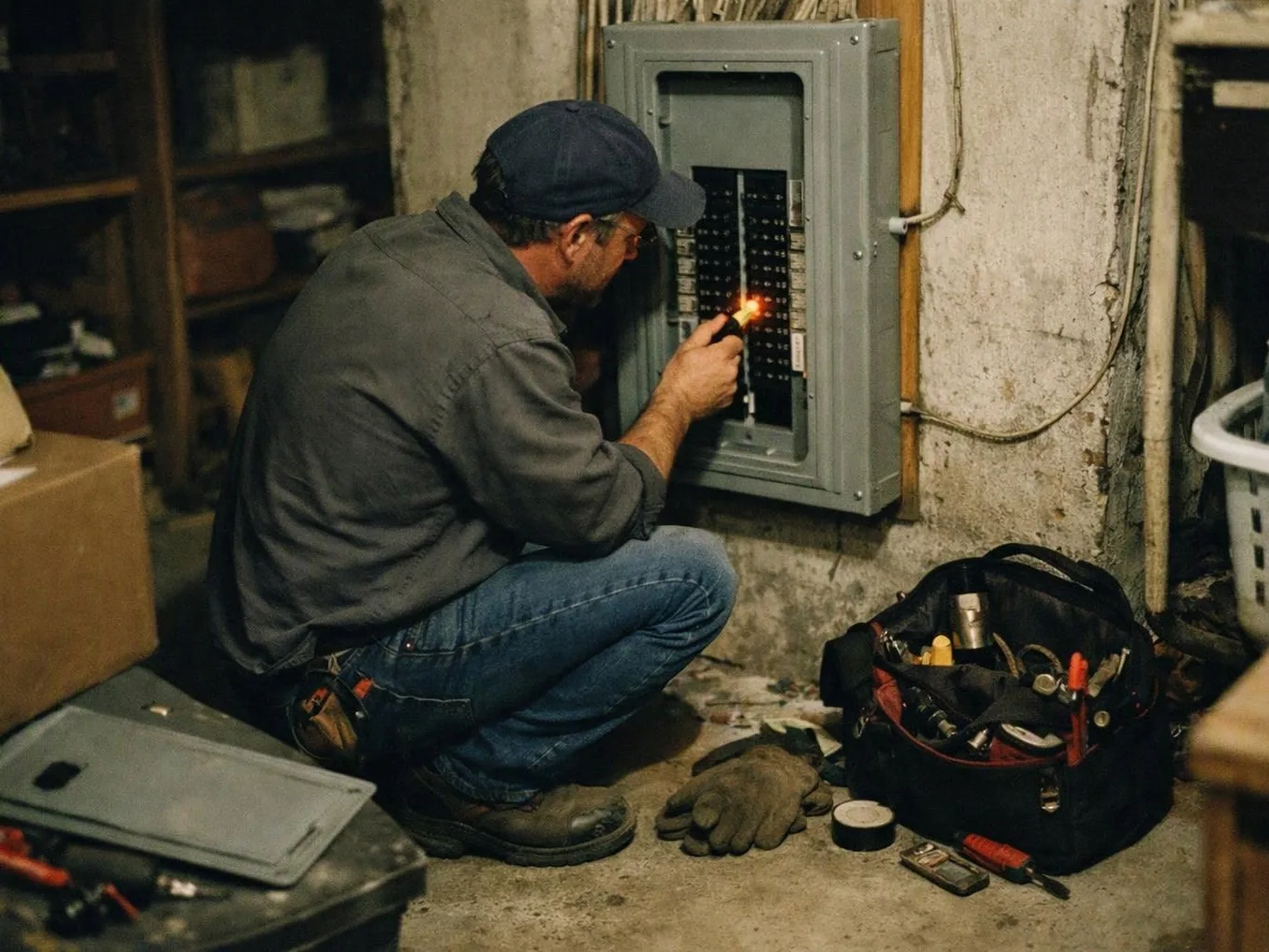
A breaker that keeps tripping needs diagnosis instead of repeated resets. We check for overloads, short circuits, loose connections, damaged wiring, and equipment faults. If the panel buzzes, smells hot, or shows visible damage, stop using the affected circuit and request emergency electrical service.
Can electrical correction include panel or grounding work?
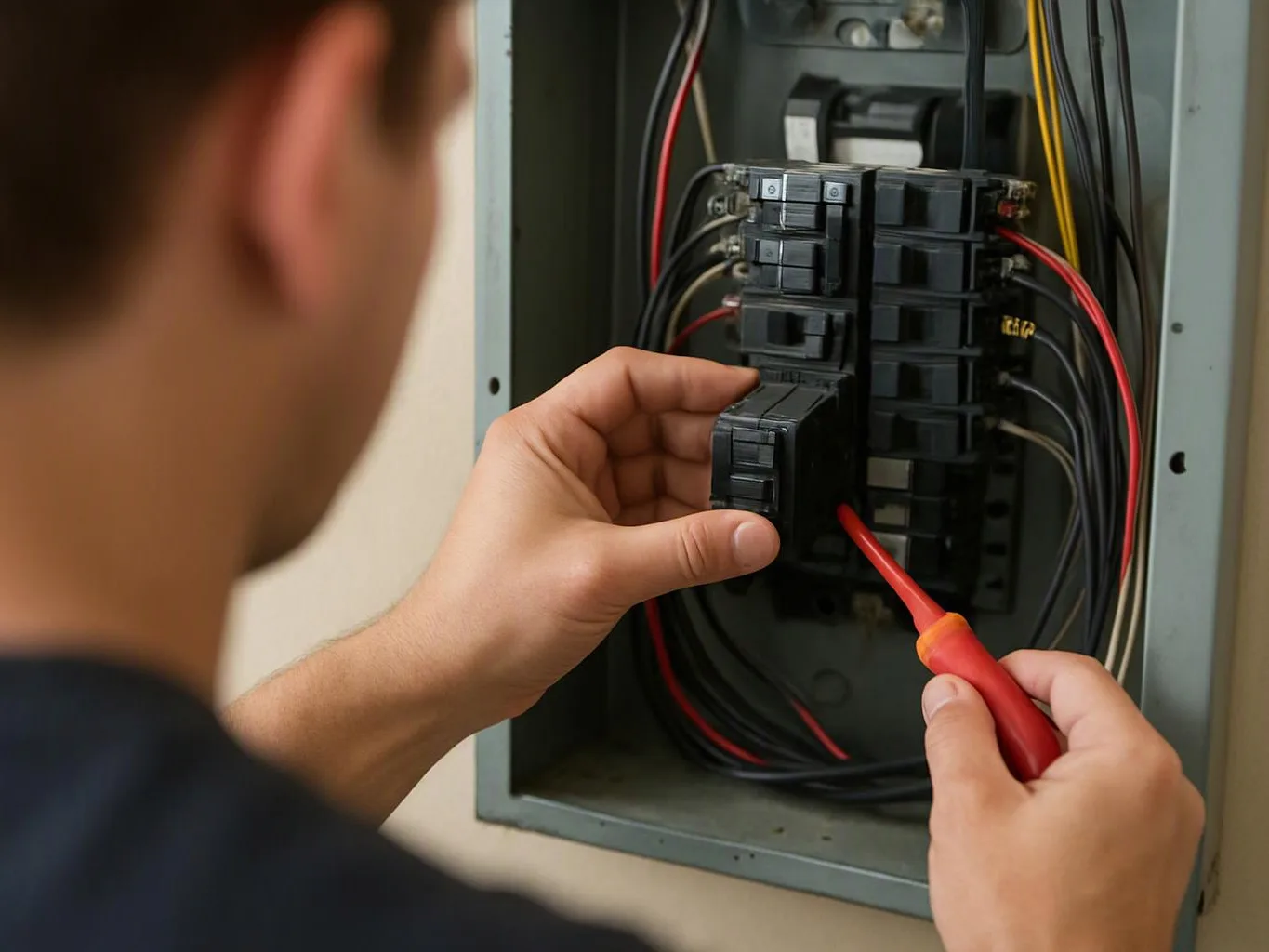
Yes, electrical correction can include panel repairs, grounding correction, breaker work, and related circuit repairs when the inspection finding involves those parts. We inspect the full affected path first. A panel upgrade or larger rewiring project receives a separate scope when the existing system needs broader work.
How should I prepare for an electrical correction assessment?
Provide the inspection report, photos of flagged areas, and access to the electrical panel. Keep the affected space clear and note any flickering lights, dead outlets, warm switch plates, or repeated breaker trips. Those details help us connect the inspection finding to the property’s electrical behavior.