What repairs may be needed for electrical code compliance?
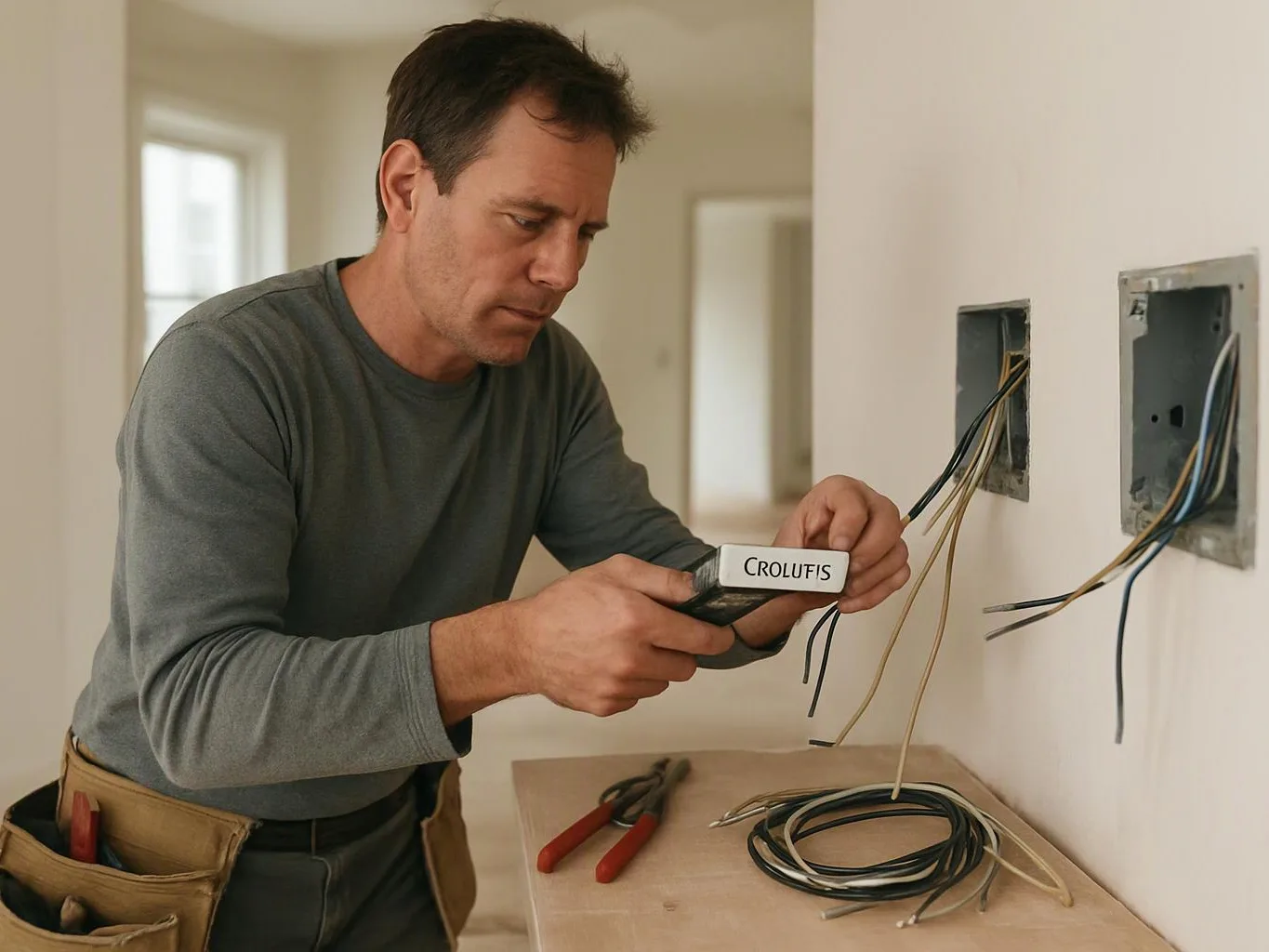
Wire replacement may be needed when conductors are damaged, loose, or unsuitable for the circuit. Other corrections include grounding upgrades, breaker replacement, box installation, and GFCI protection. We inspect the circuit first, because one visible outlet problem can connect to wiring or protection faults elsewhere.
How is the repair matched to the property before work starts?
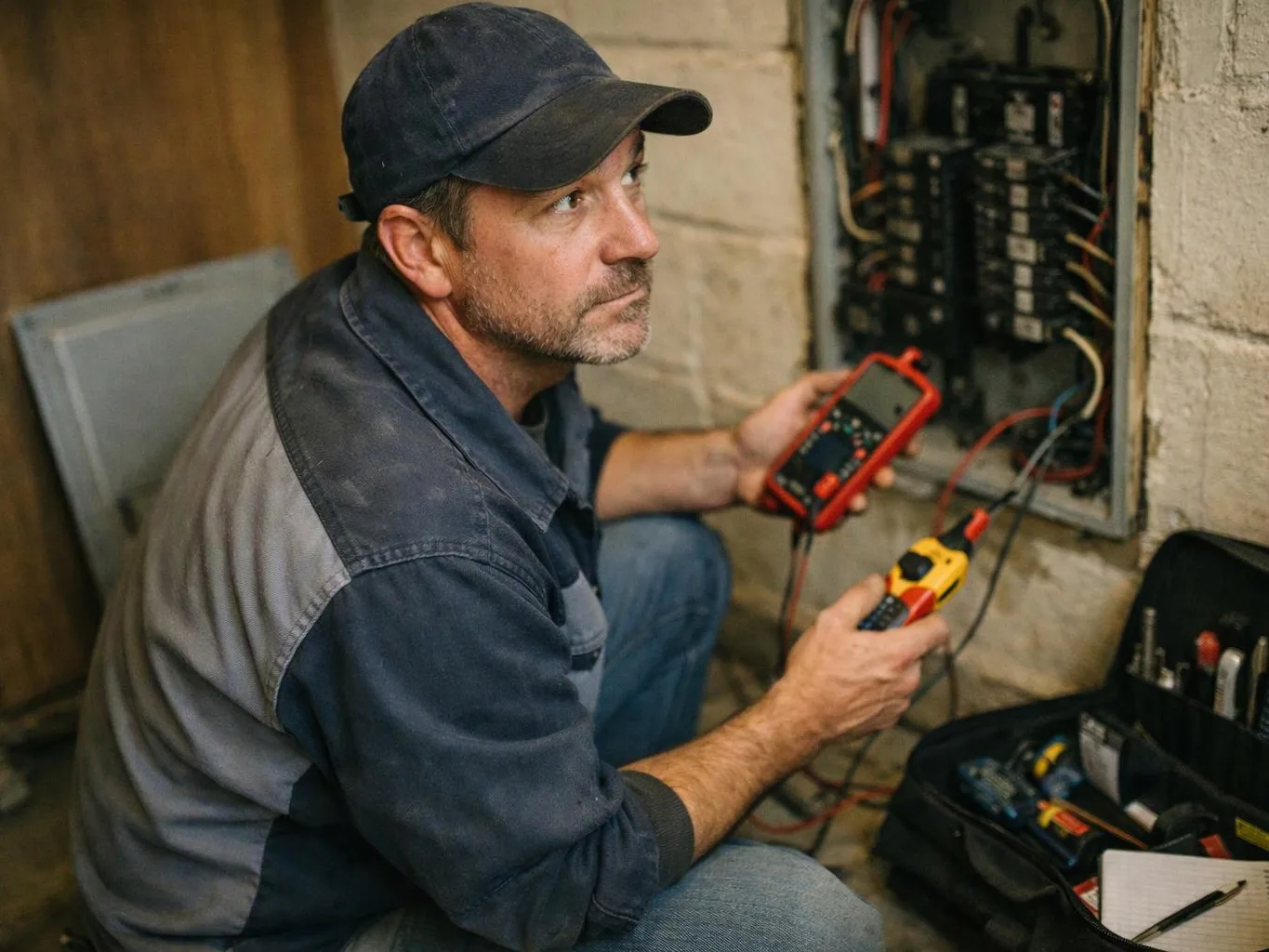
The repair scope is matched to the circuit, wiring, load, access, and property use. We trace the circuit and inspect its panel connection, boxes, conductors, and devices. A correction for one outlet differs from work that affects several rooms or commercial equipment, so we explain the difference before quoting the job.
Which property condition changes the time needed for wire replacement?
Wiring access changes the time needed for wire replacement. Finished walls, crowded boxes, concealed junctions, and several connected devices can add work beyond the visible outlet or switch. We inspect access points first and explain whether the repair is local or part of a larger rewiring scope.
When should I request electrical code correction?
Request electrical code correction when wiring is damaged, a breaker keeps tripping, outlets lack protection, or an inspection identifies unsafe work. Flickering lights, warm switch plates, buzzing panels, and burning smells also call for prompt attention. Shut off the affected circuit when it is safe to do so.
Why might a breaker need replacement during a wiring repair?
A breaker may need replacement when its rating, condition, or connection does not suit the circuit. We compare the breaker with the circuit conductors and connected load before changing it. Replacing a breaker alone does not correct damaged wire, poor grounding, or an overloaded circuit.
What should I ask before agreeing to code correction work?
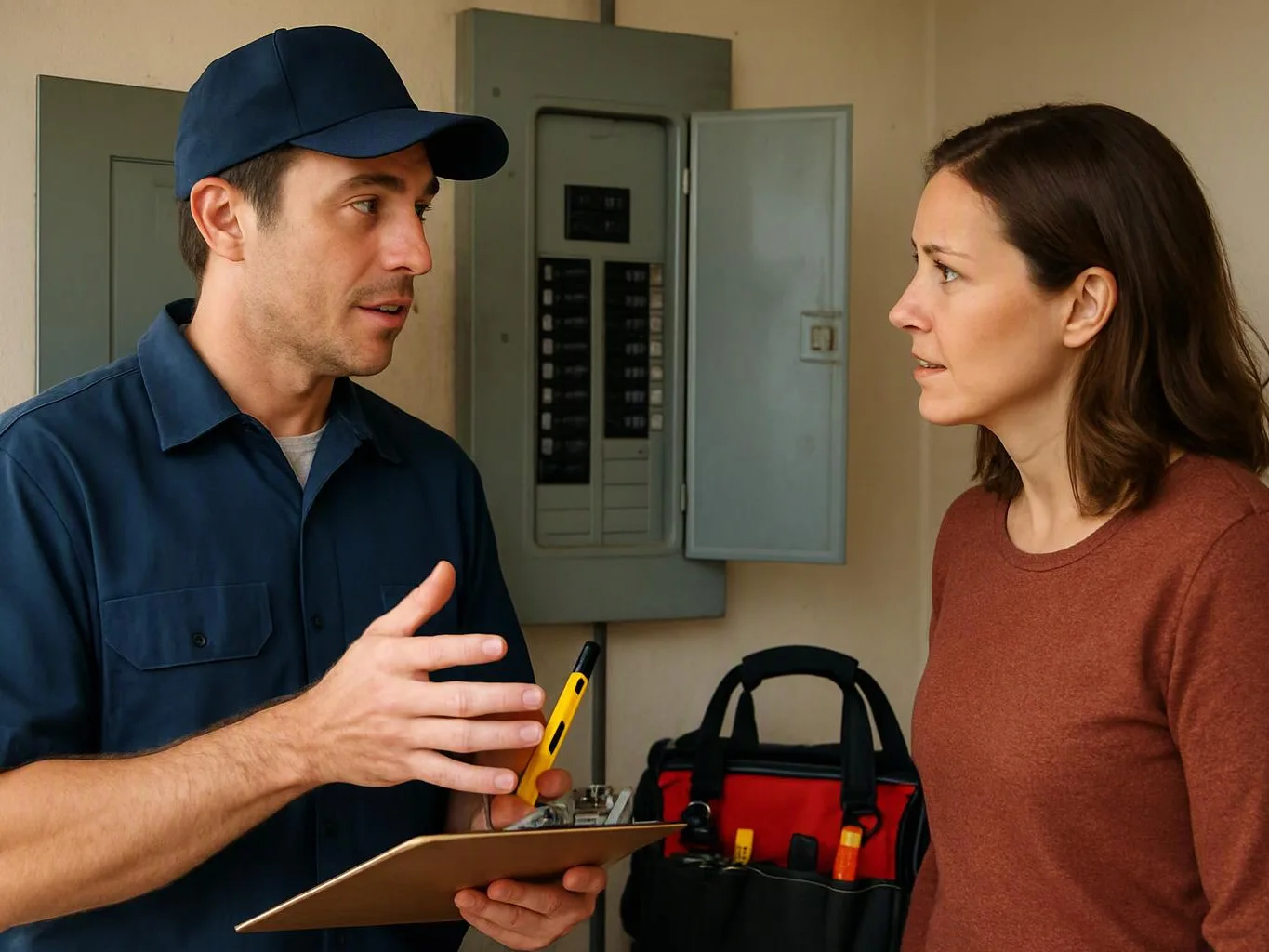
Ask which circuit is affected, what part fails inspection, and whether the repair includes testing after completion. Request a written scope that separates wire work, breaker work, box repairs, and GFCI protection. We explain when a correction is part of a larger panel or rewiring project.
Can GFCI protection replace a missing ground?
GFCI protection can reduce shock risk, but it does not create a grounding path. We test the circuit and determine whether GFCI protection, grounding correction, or both address the condition. The right repair depends on the existing wiring, box, device, and circuit layout.