How can I tell if an electrical panel is overheating?
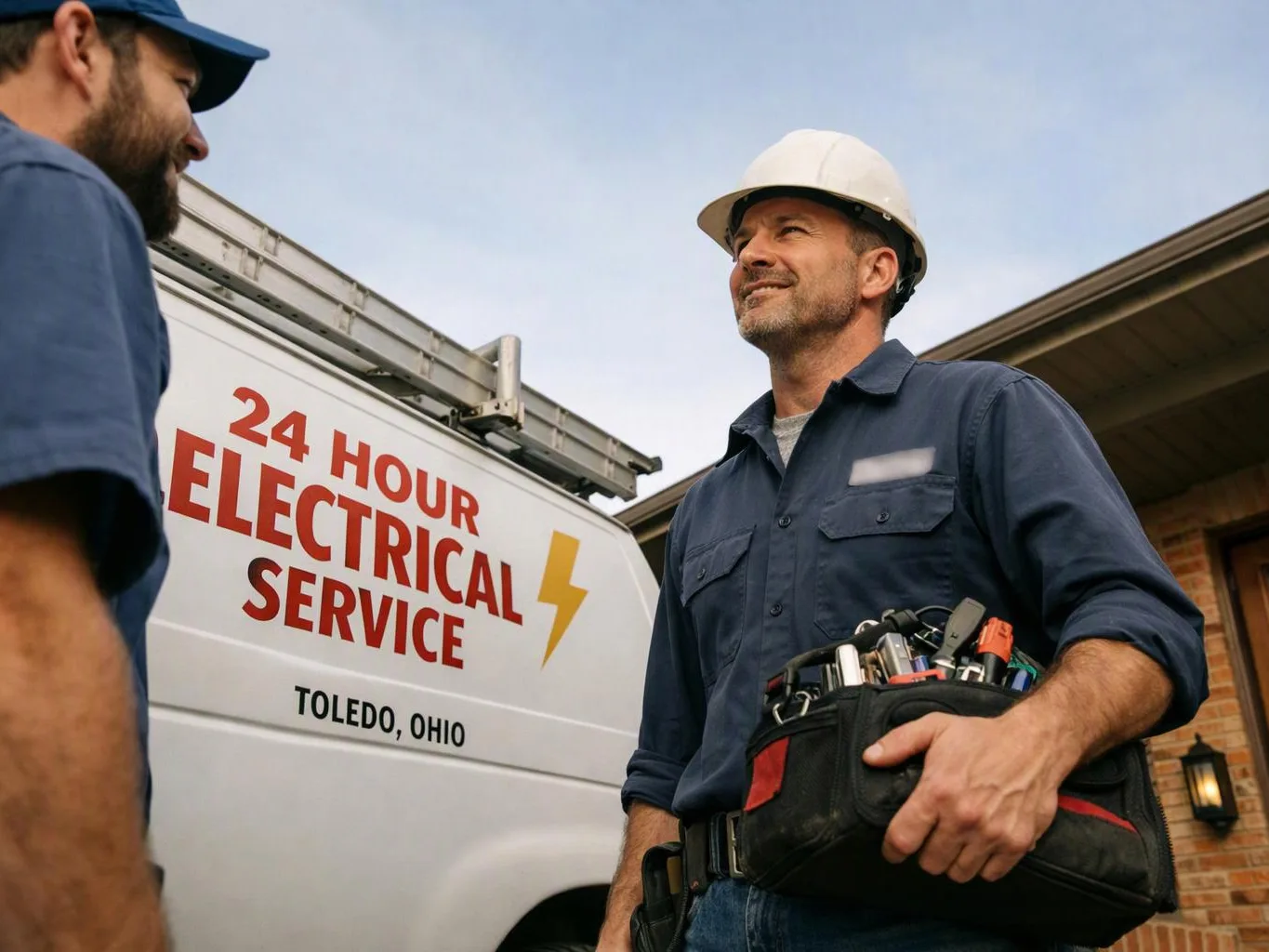
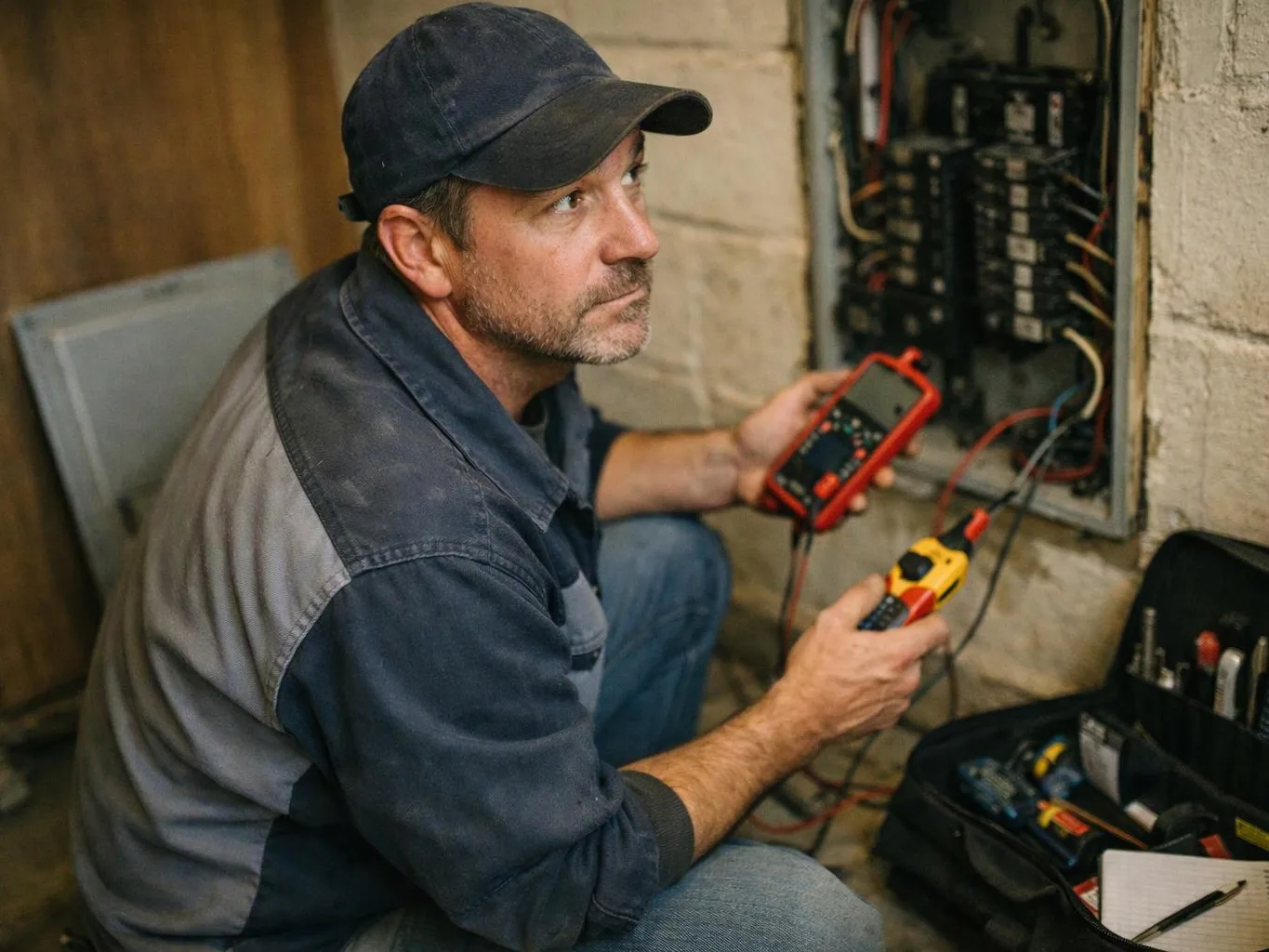
Toledo Electrician treats buzzing sounds, a hot cover, discoloration, or a burning smell as possible overheating signs. Stop touching the panel and request an inspection if these signs appear together. Our crew checks the breaker, terminals, wiring, and circuit load. We then explain whether the panel needs repair, an upgrade, or related electrical work.
Which part of the property decides the scope of panel repair?
The electrical panel and its connected branch circuits decide the repair scope. Circuit tracing shows whether the fault reaches an outlet, lighting circuit, appliance, or service connection. Our inspection also checks breaker size, wire condition, and visible heat damage. A wider wiring problem can require separate work beyond the panel itself.
What should I do before someone checks a hot panel?
A hot panel requires distance from the enclosure and careful handling. Do not remove the cover, touch the breakers, or spray anything near the equipment. If smoke or a strong burning smell appears, leave the area and request emergency electrical service. Tell us which circuits lost power and what warning signs you noticed.
Which material changes the time needed for panel repair?
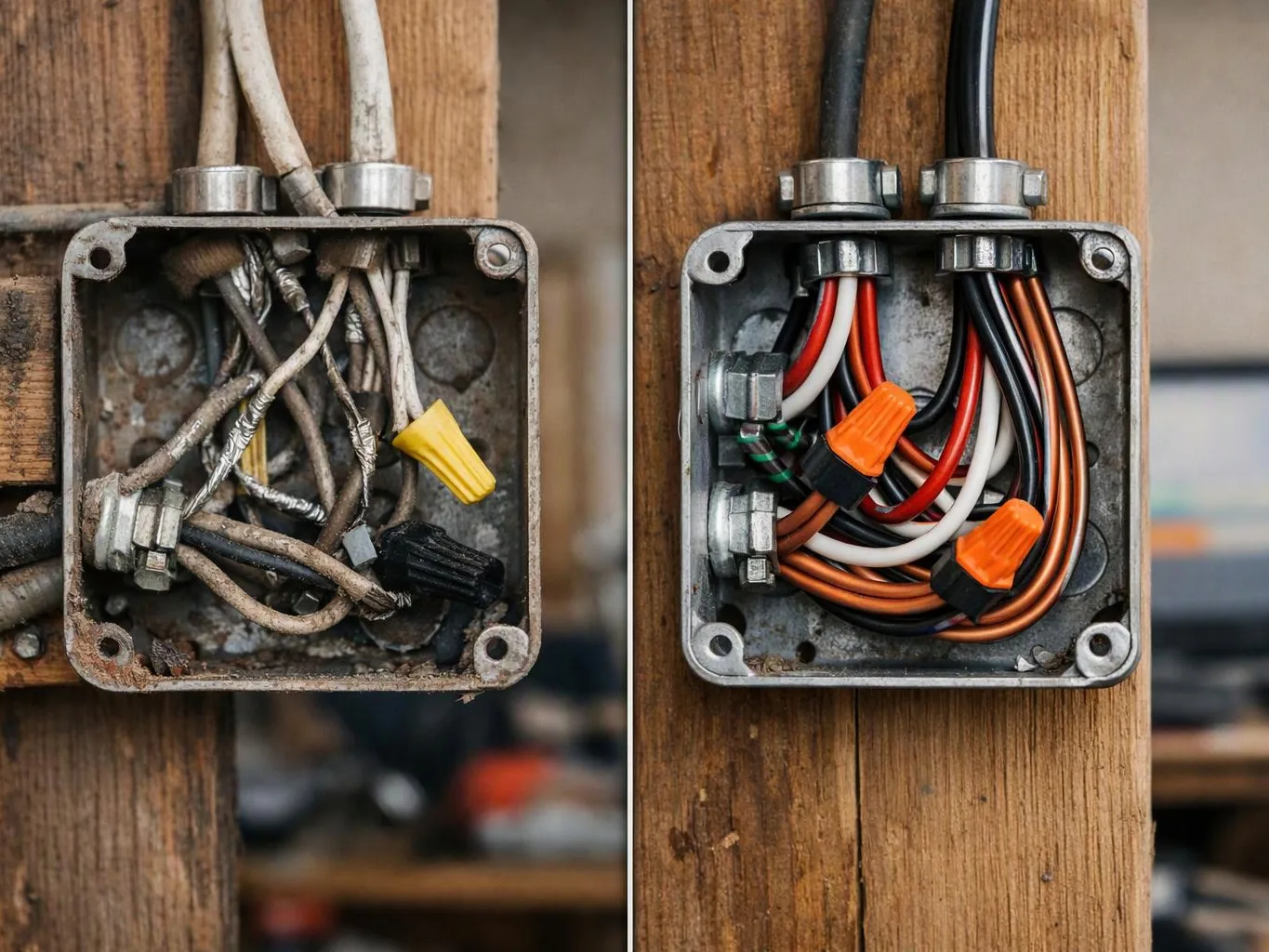
Aluminum wiring can change the repair scope because its connections need specific inspection and handling. Copper wiring, damaged insulation, old breakers, and corroded terminals can also affect the work. We identify the wiring material before setting the repair plan. A broader wiring concern may call for aluminum wiring remediation or rewiring.
When does a panel repair become a panel upgrade?
A panel repair becomes an upgrade when the equipment cannot safely support the property's electrical demand. Frequent breaker trips, insufficient amperage, damaged bus connections, or planned equipment can point to that need. We review the panel condition and load before recommending replacement. The property owner receives the reason for that recommendation.
How does a panel repair visit move from the first call to the last step?
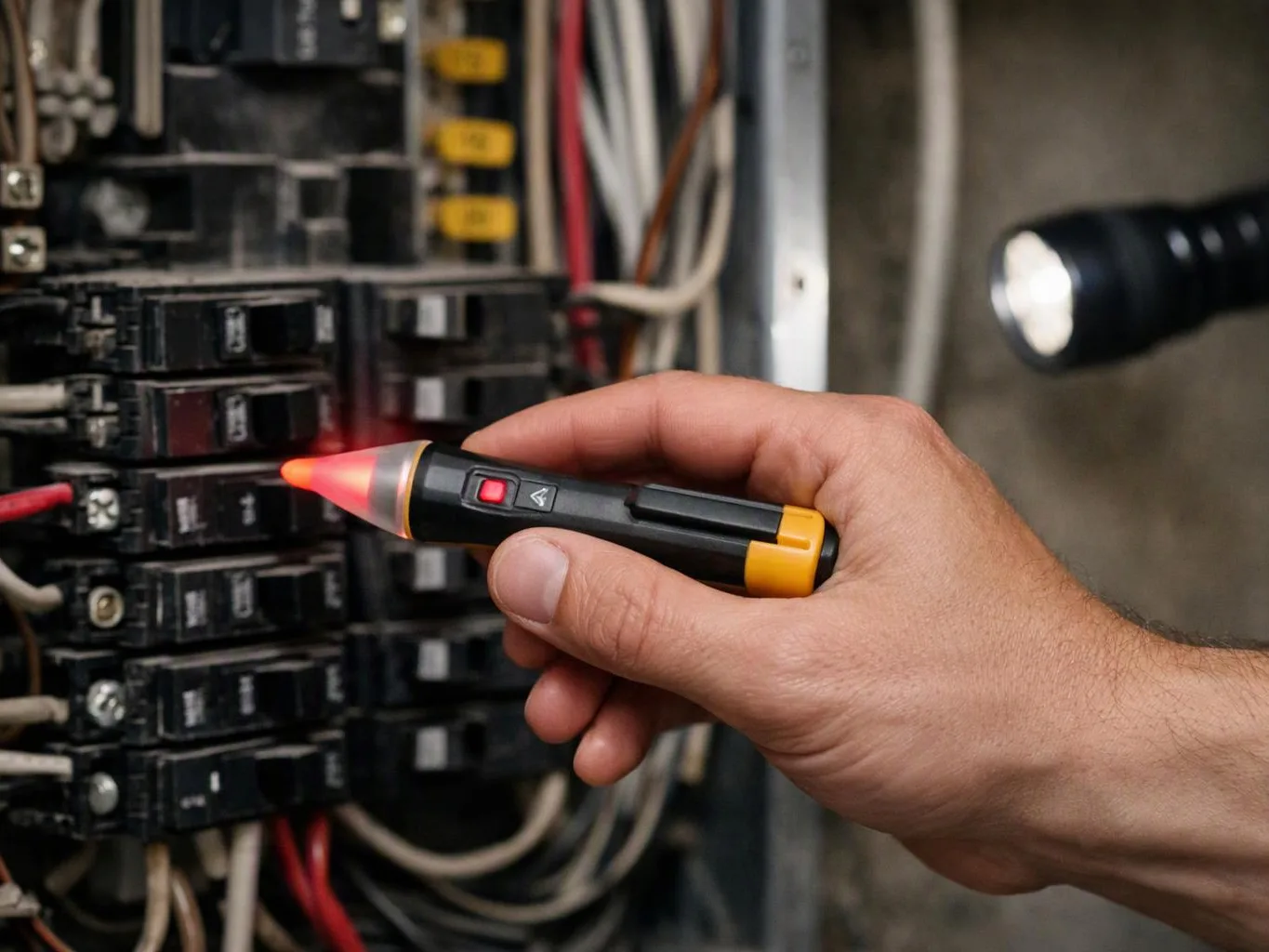
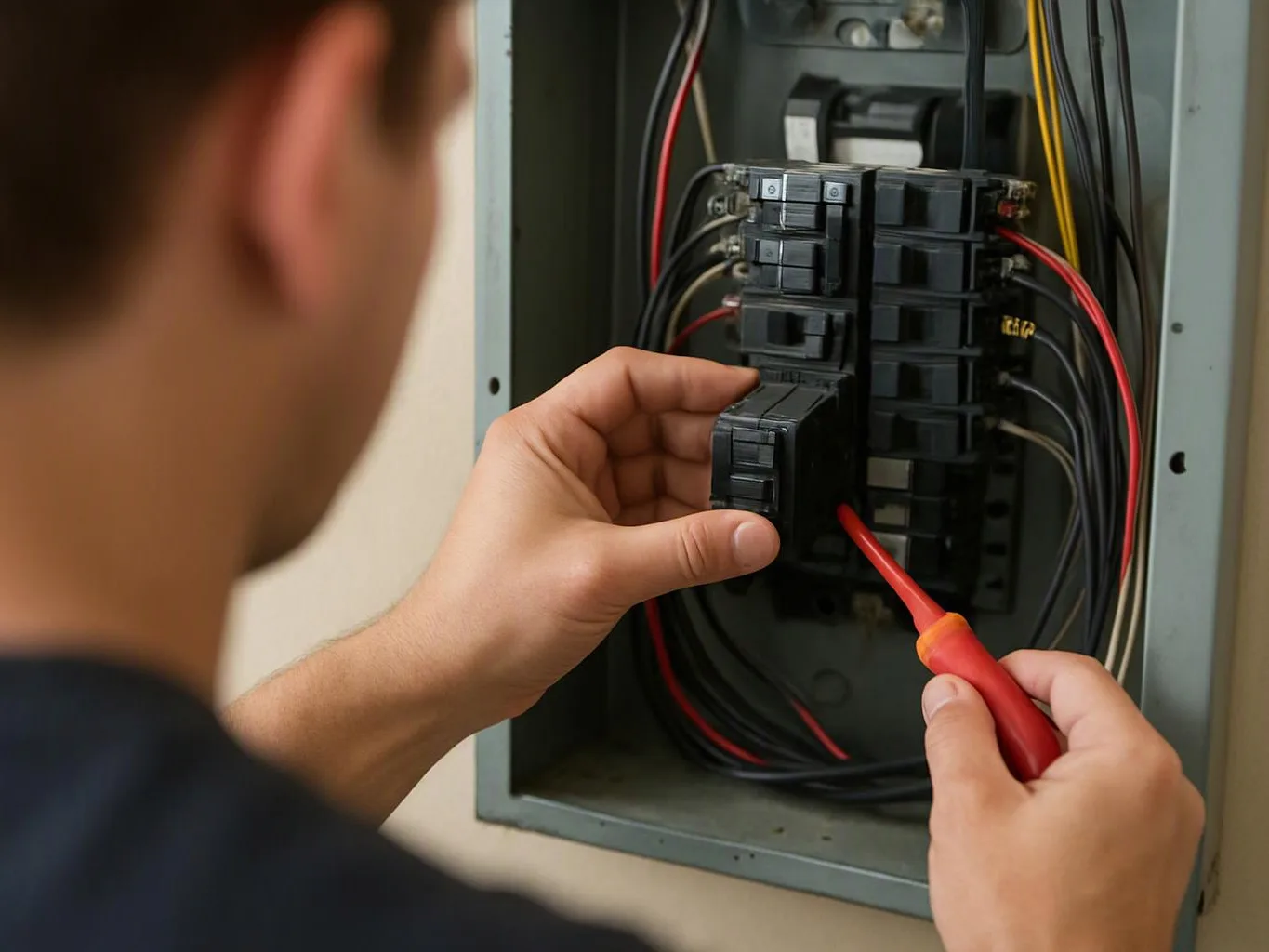
The visit moves from symptom review to inspection, circuit tracing, repair planning, and testing. Customers describe the sound, heat, odor, or power problem during the first call. We inspect the panel and connected circuit, explain the scope, complete supported repairs, and verify the affected circuit before discussing follow-up work.
Why does a breaker keep tripping after a panel repair?
A breaker can keep tripping when the circuit remains overloaded, the wiring has a fault, or connected equipment is failing. Resetting it repeatedly does not identify the cause. We trace the circuit, inspect connected devices, and check the breaker and wiring. The final scope depends on what the diagnosis finds.