How can I tell if an electrical panel is overheating?
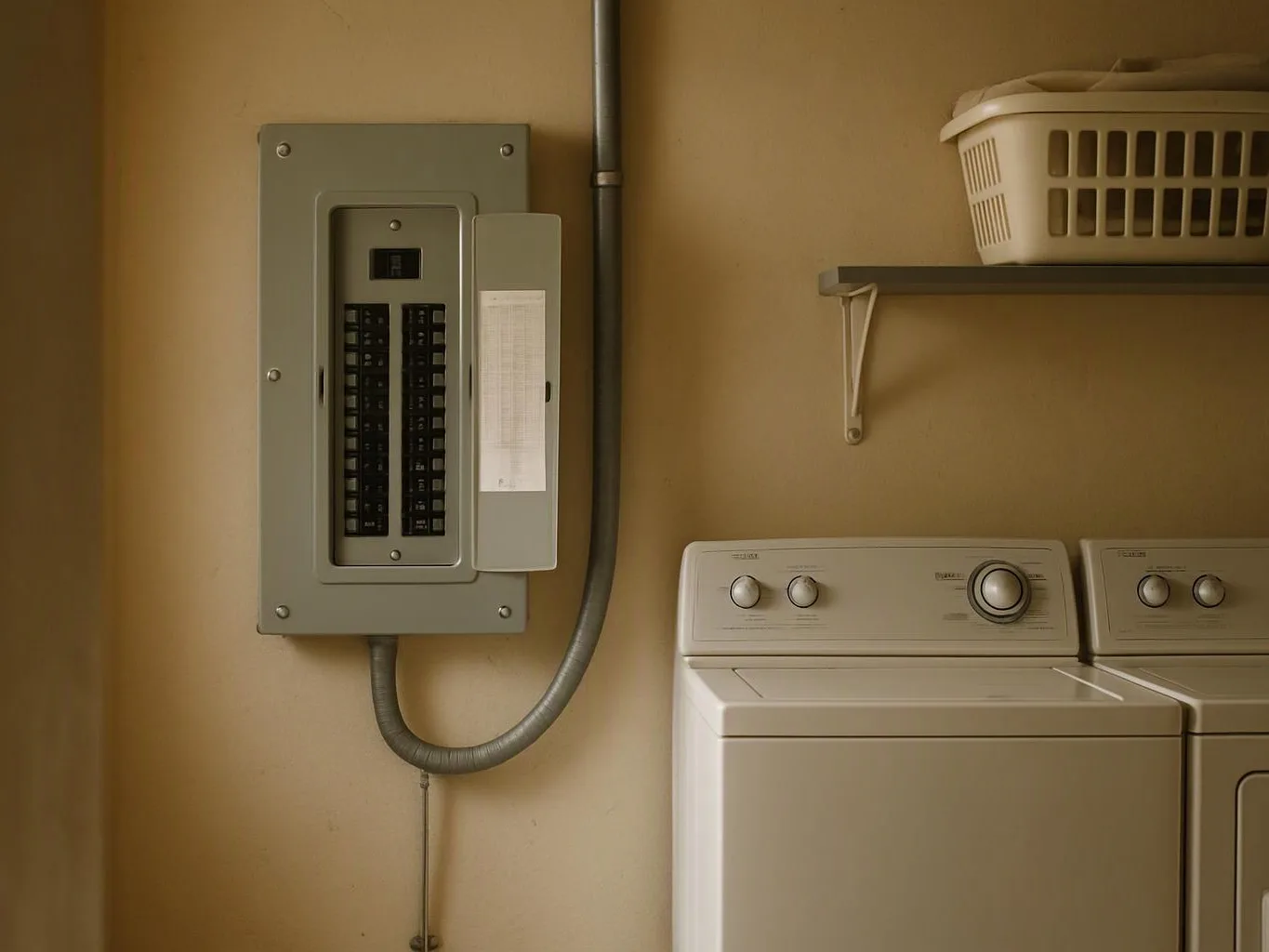
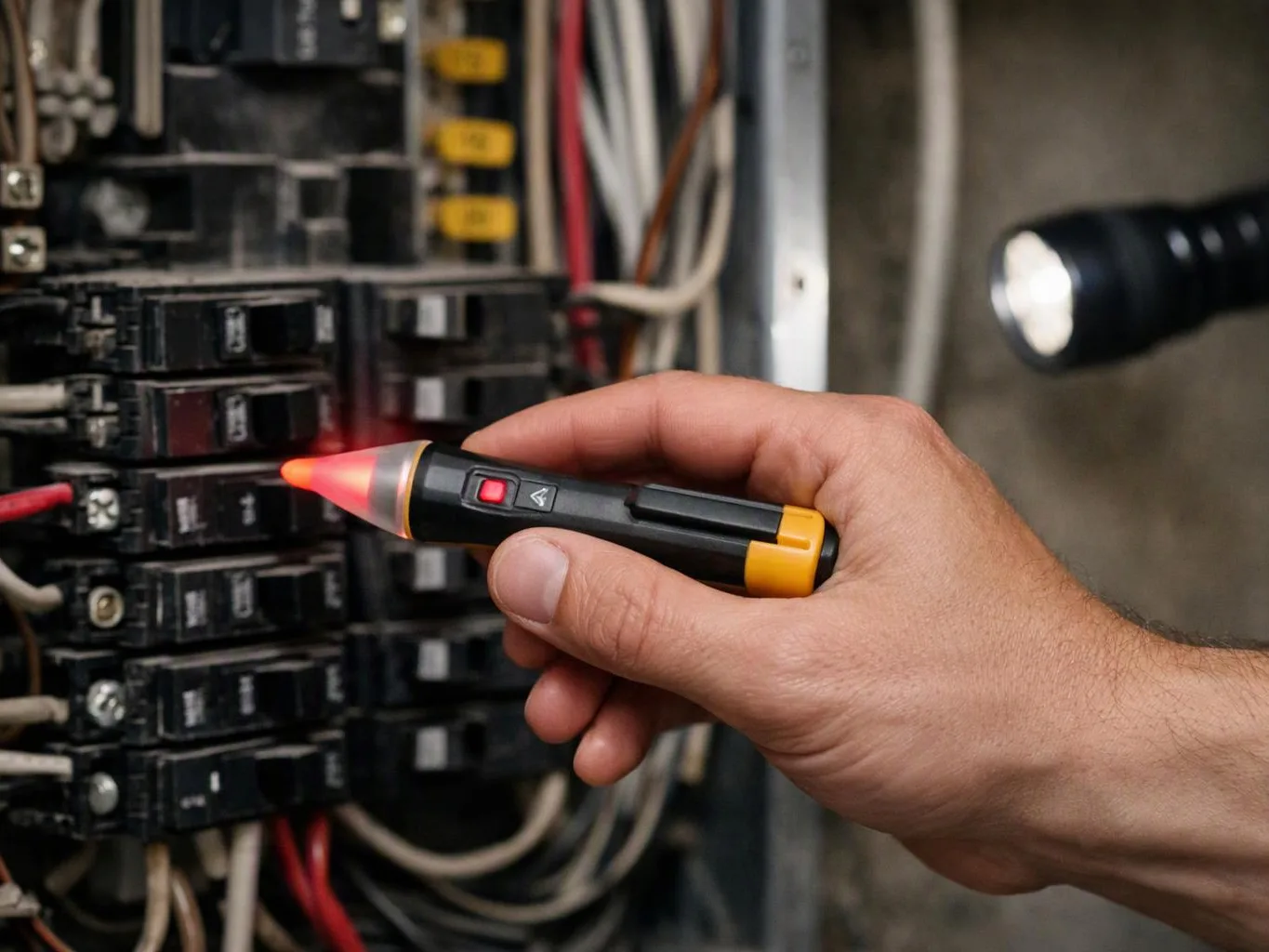
Discoloration can indicate panel overheating, especially with a hot cover, burning smell, or buzzing sound. We inspect the cover, breakers, terminals, bus bars, and wire insulation to find the heat source. Turn off the affected circuit only when it is safe, and request emergency electrical service if smoke or sparking appears.
What does the crew look at first during panel repair?
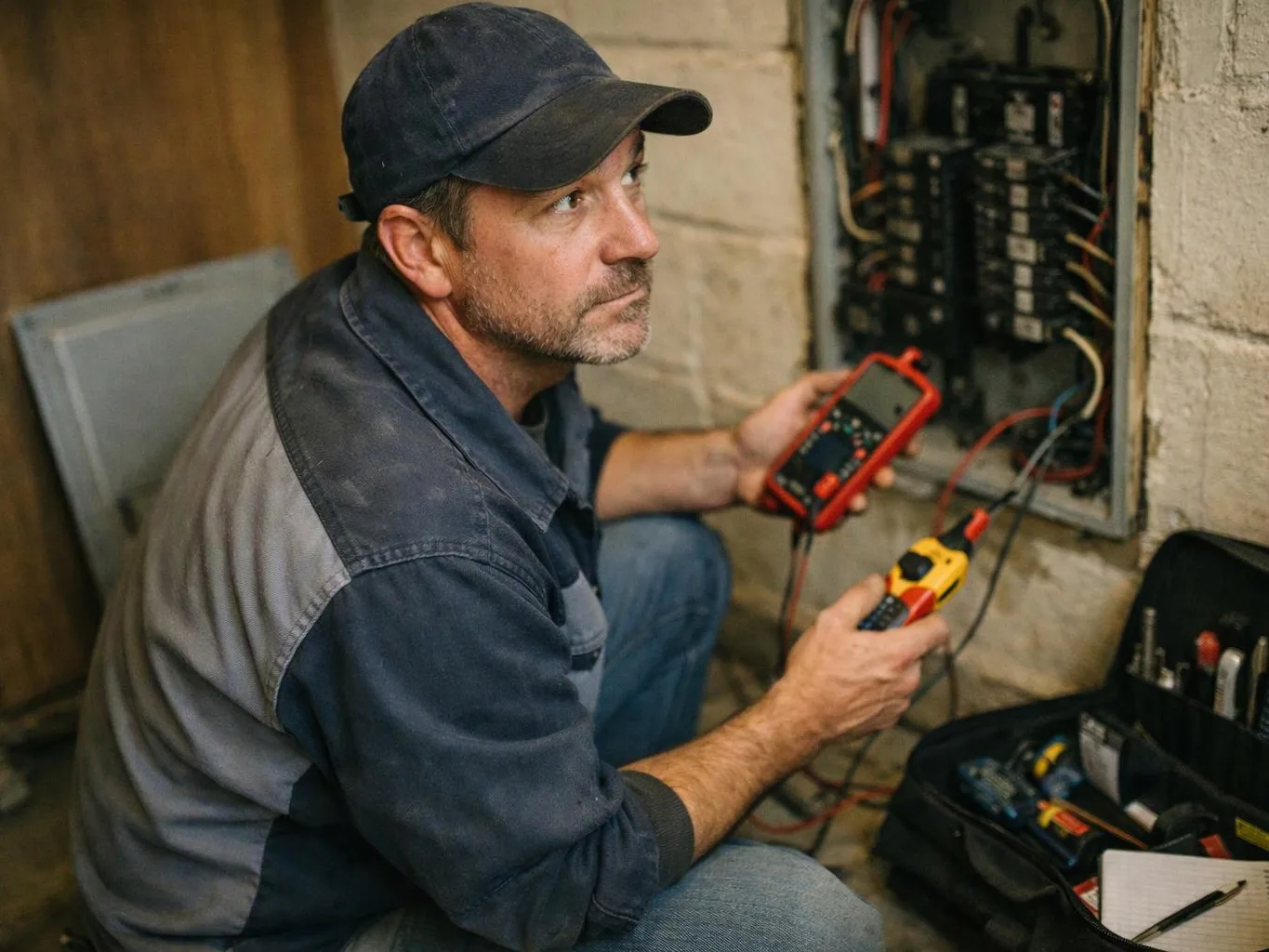
The panel cover and visible condition come first during a repair assessment. We then check breaker fit, terminal connections, wire insulation, grounding, and the circuit tied to the symptom. This order helps us spot immediate hazards before we set the repair scope.
Who is a good fit for panel repair, and who needs a different service?
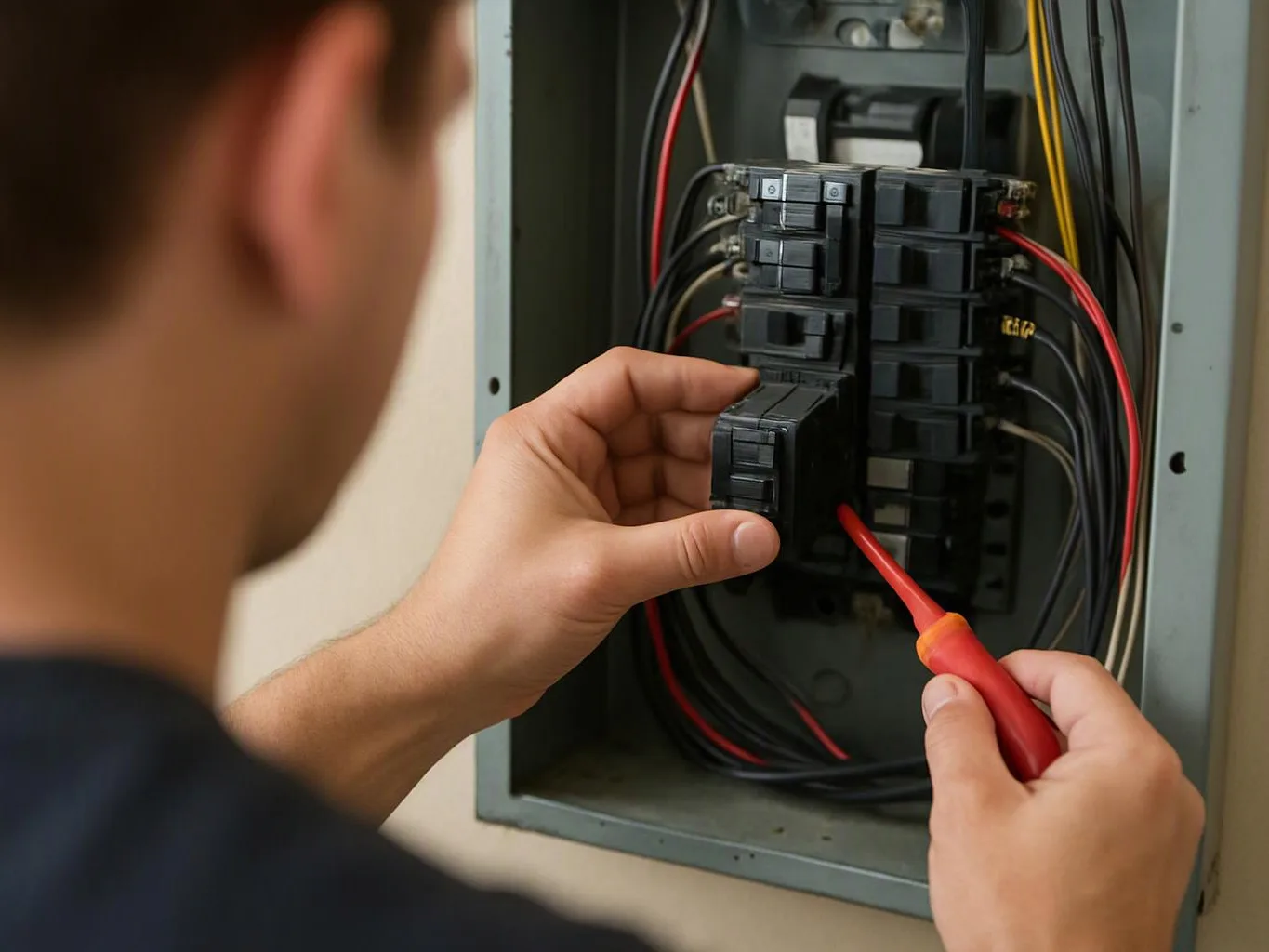
Panel repair fits properties with damaged breakers, loose connections, heat marks, or related wiring faults. A panel upgrade fits properties that need more capacity, new circuits, or replacement equipment. A utility outage needs utility service review when the property panel has no matching fault.
What happens at each stage of panel repair?
Panel repair follows inspection, circuit tracing, repair planning, and testing. We inspect the equipment, identify the linked circuit, explain the needed work, and verify the repaired system. The final scope depends on the panel parts, wiring condition, grounding, and property load.
Which panel parts can cause a hot cover or dark mark?
A loose terminal, damaged breaker, overloaded circuit, or heat-damaged wire can cause a hot cover or dark mark. We inspect each related part and trace the circuit before recommending repair. The visible cover mark does not identify the source by itself.
When should a panel concern become an emergency call?
A panel concern becomes urgent when smoke, active sparking, a burning smell, or strong buzzing appears. Leave the panel closed and move away from it if conditions seem unsafe. Emergency electrical service is available for urgent electrical problems.
Why might a breaker keep tripping after a panel repair?
A breaker can keep tripping when the circuit still has a short, overload, damaged wire, or connected equipment fault. We trace the circuit and test the related parts instead of treating the breaker alone. Further wiring or load work may be needed.