What hazards can an electrical safety inspection reveal?
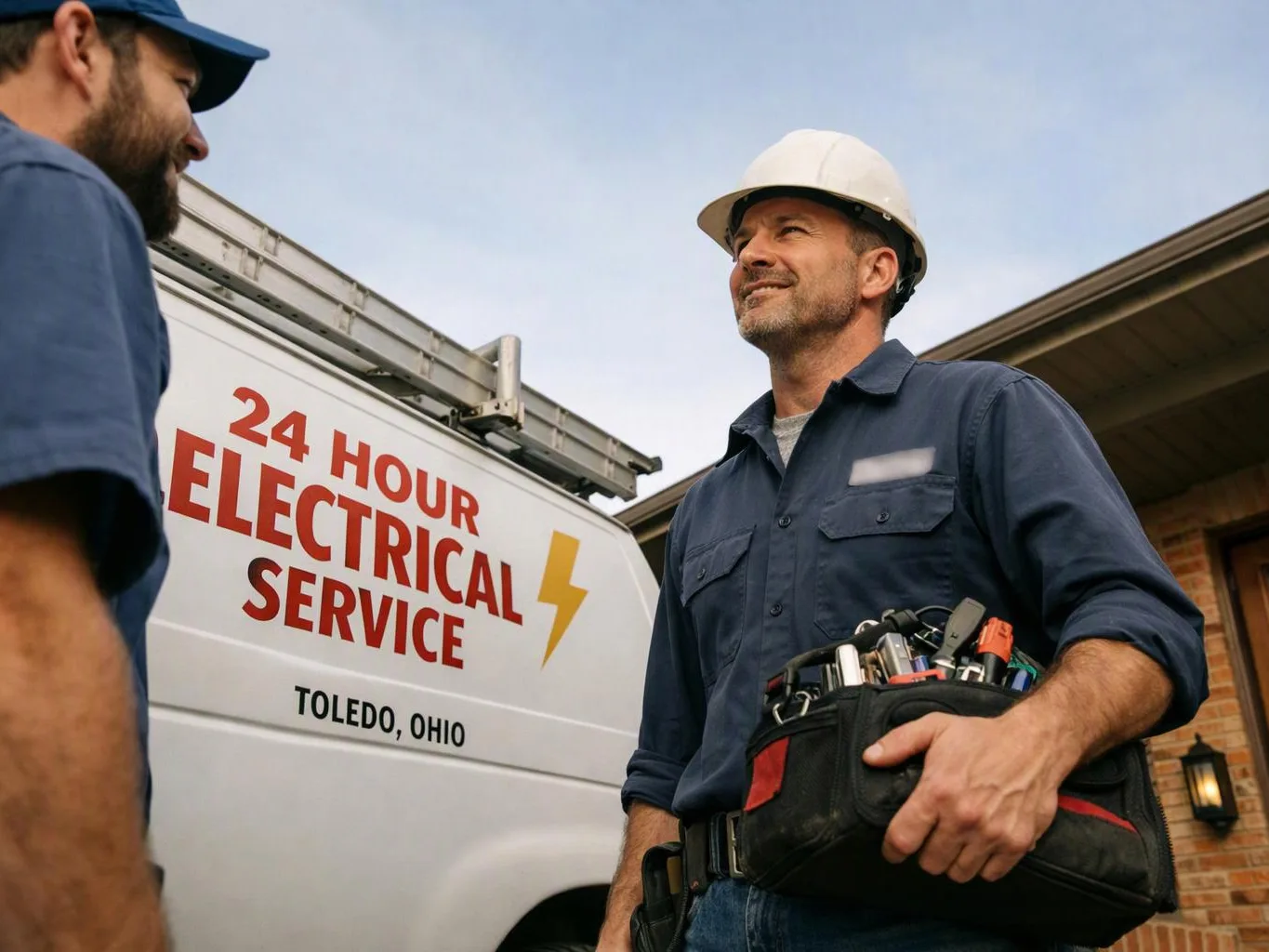
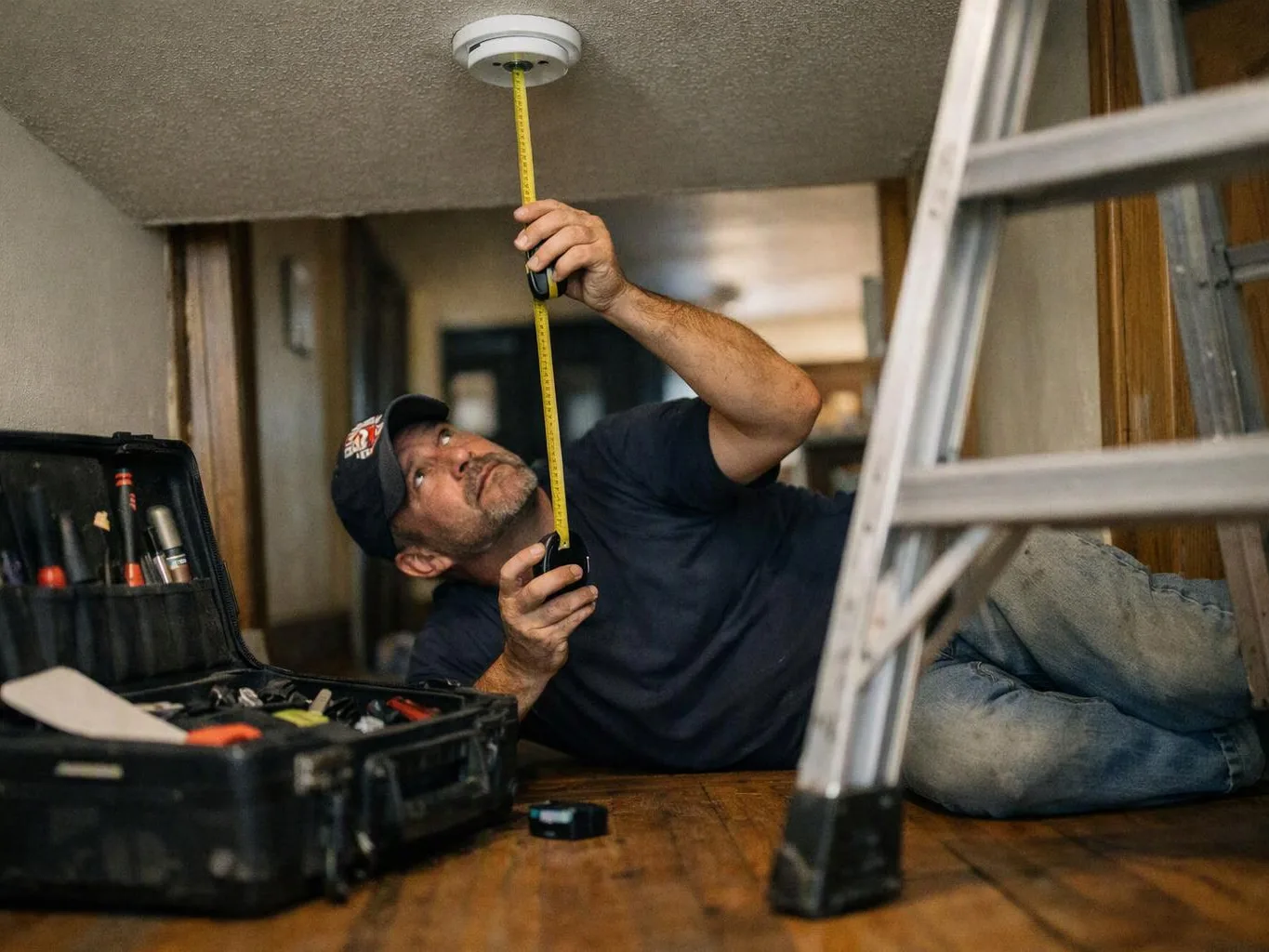
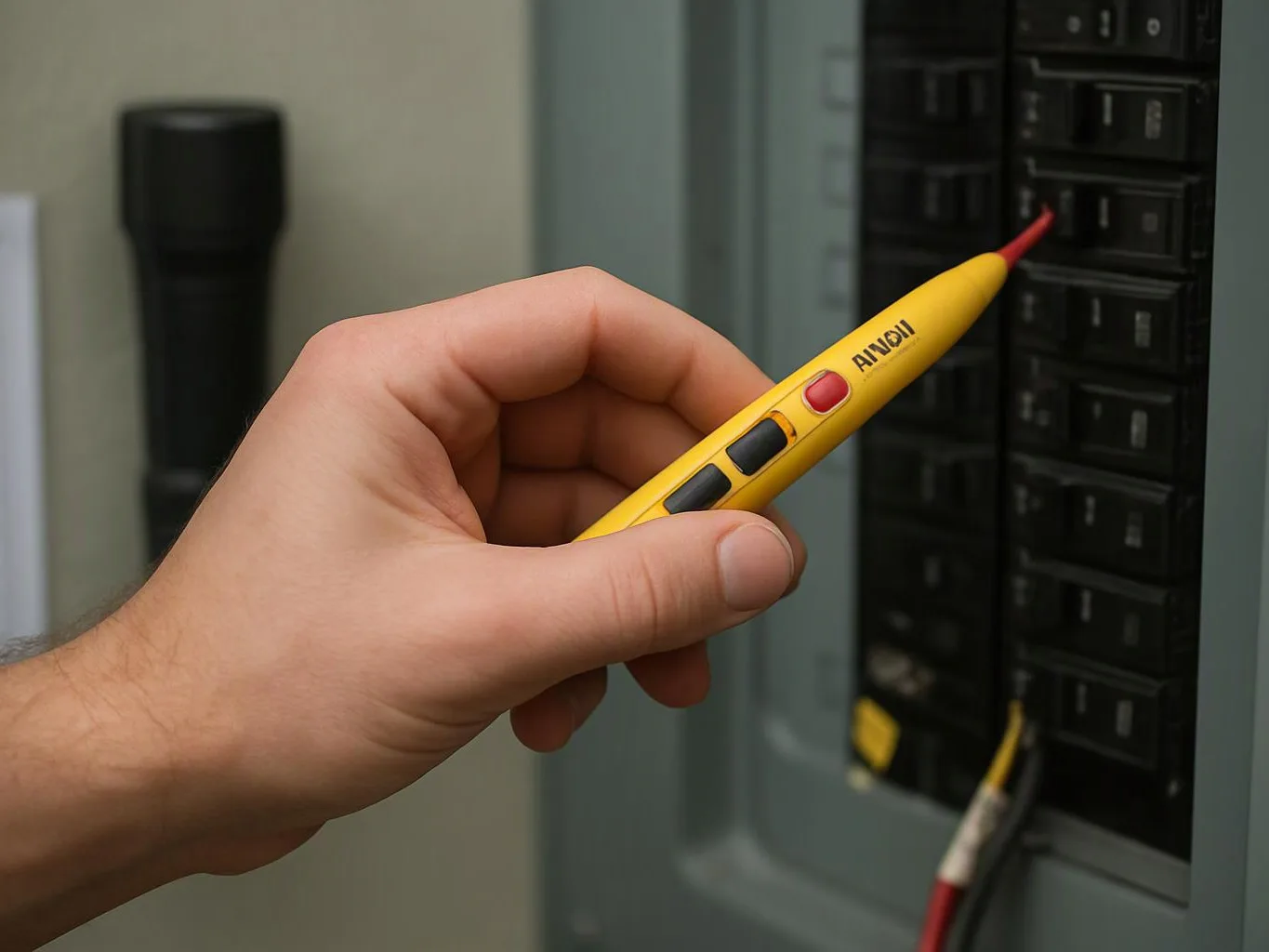
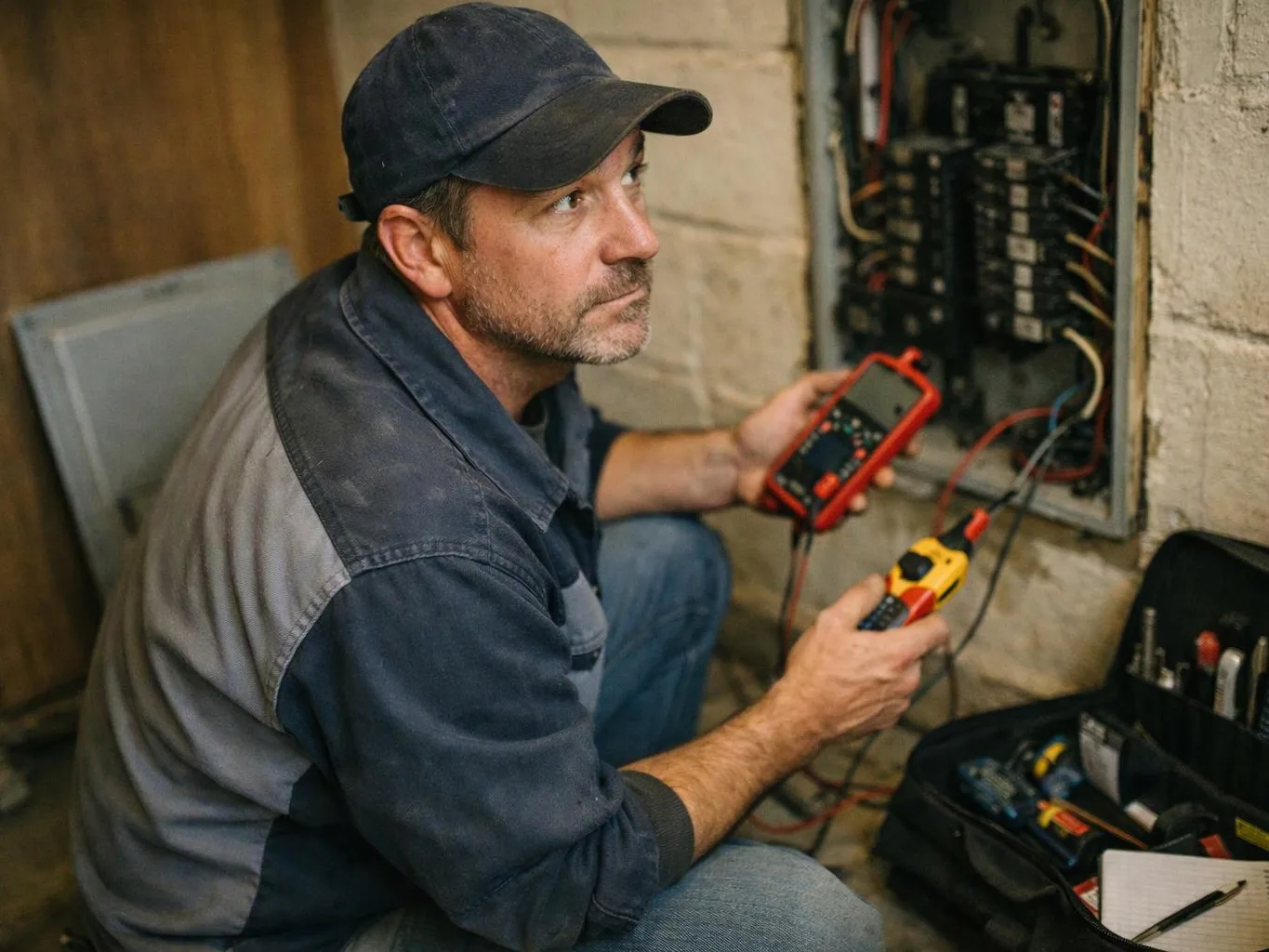
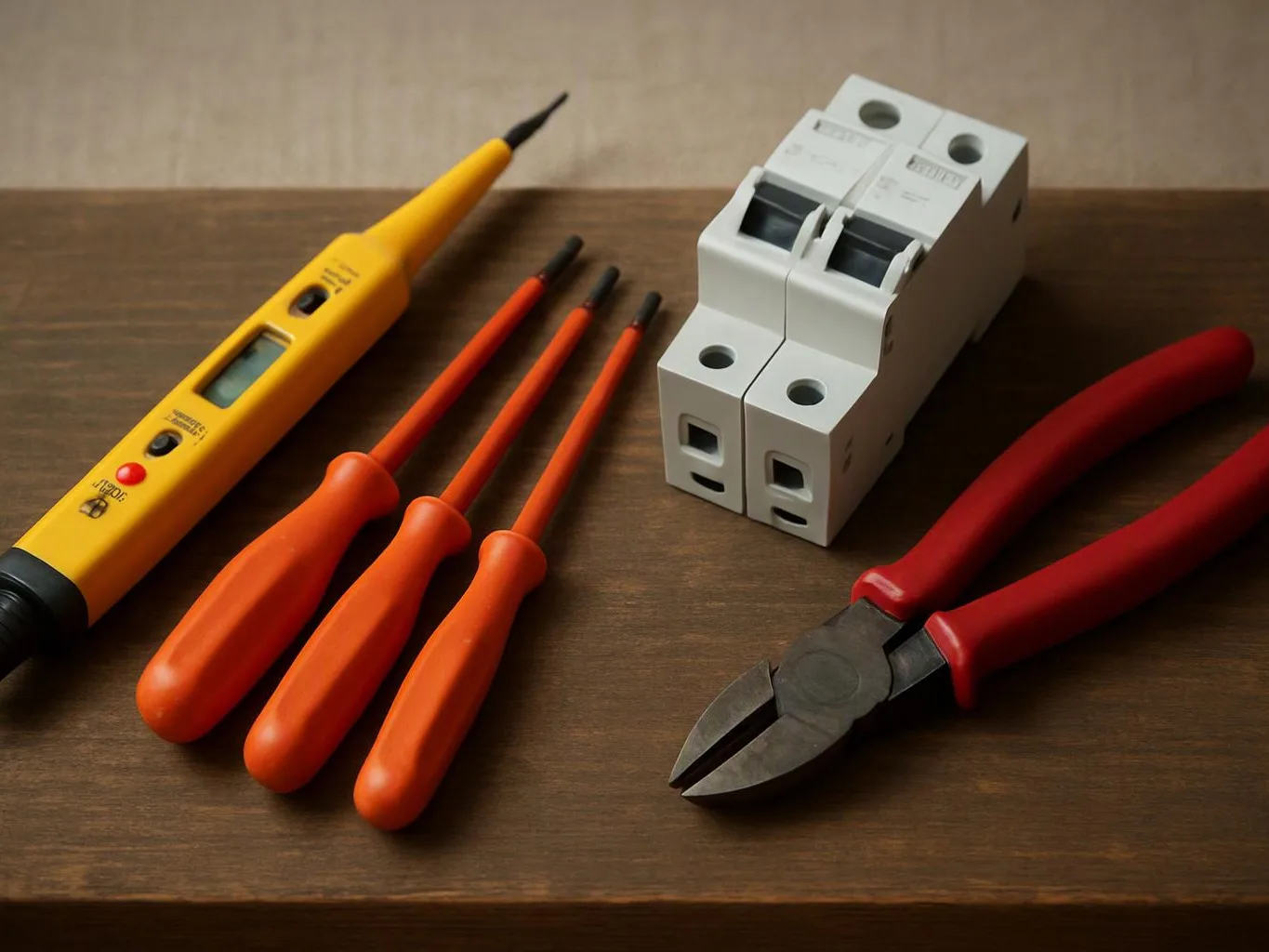
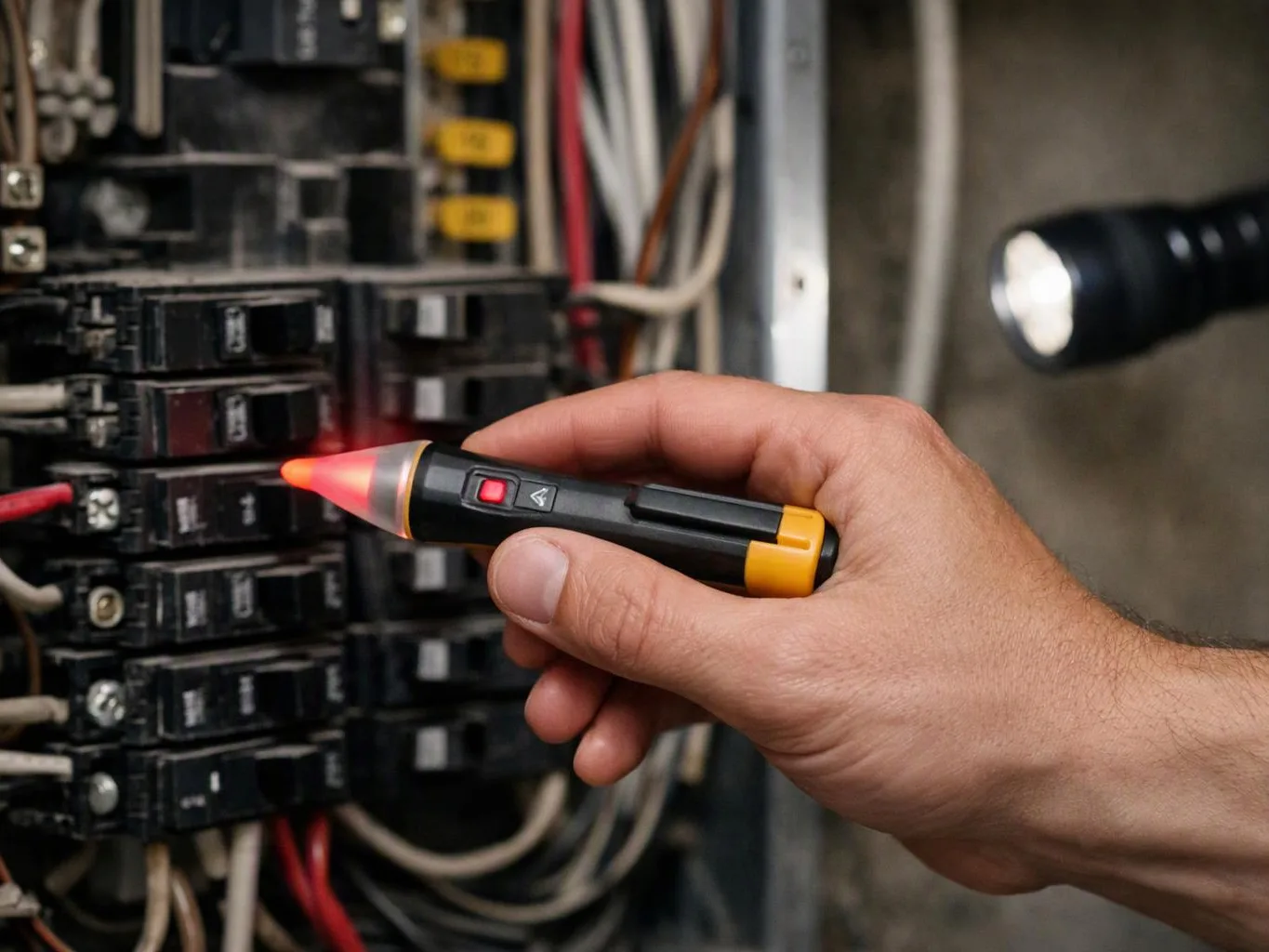
Overloaded circuits can reveal arc faults, loose terminals, damaged insulation, and improper grounding. Toledo Electrician checks the panel, breakers, circuit paths, outlets, switches, and accessible wiring. The inspection also looks for warm plates, buzzing panels, sparking outlets, and other warning signs. Findings show whether the next step involves repair, added testing, or a larger electrical project.
How is the inspection matched to the property before work starts?
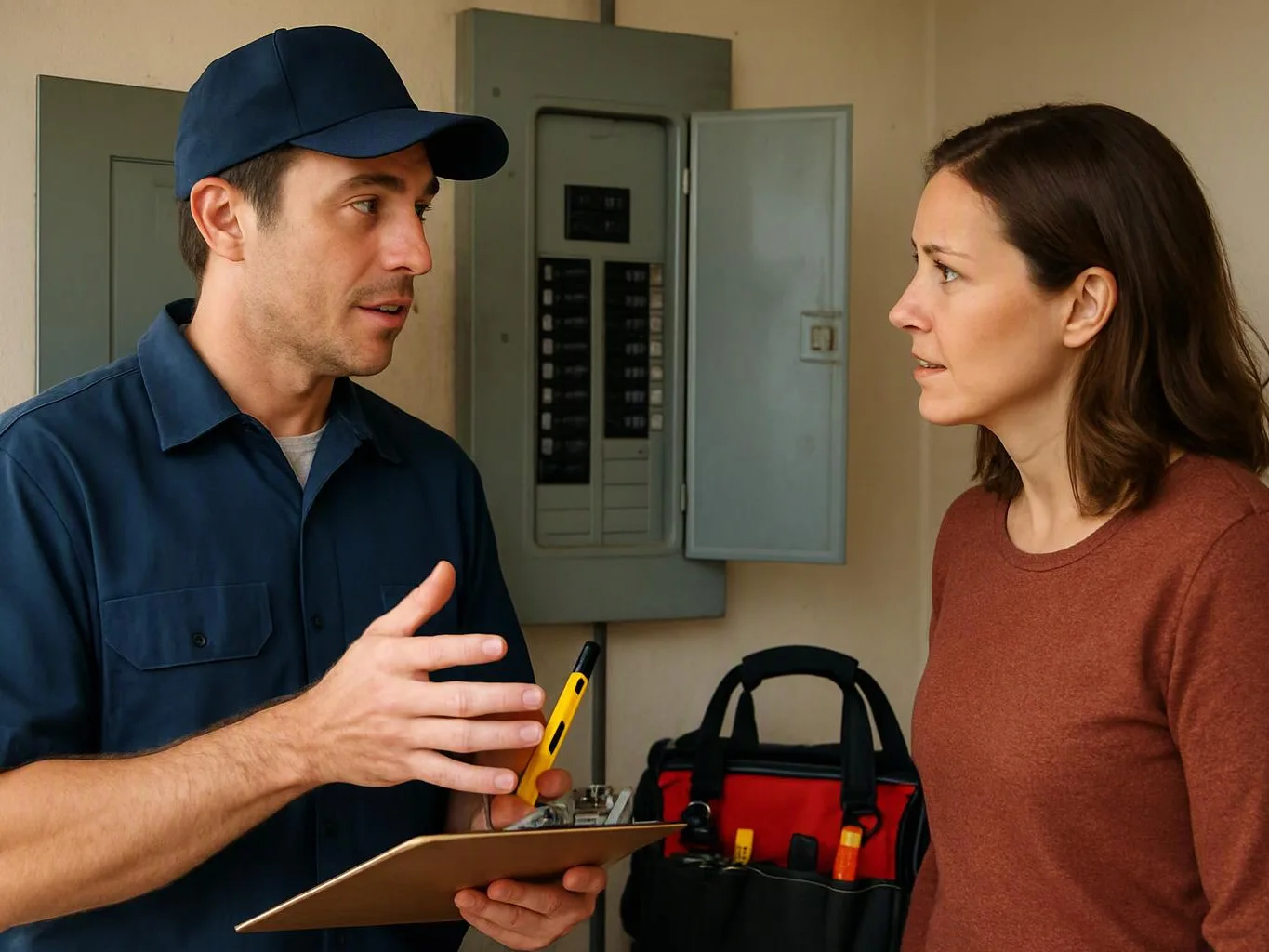
The inspection scope matches the property type, reported symptoms, electrical layout, and available access. We ask about breaker trips, flickering lights, dead outlets, recent upgrades, and how the space is used. A home, rental property, and commercial space may need different circuit access and testing. That discussion helps us set a useful scope before inspection work begins.
What should be ready before the inspection starts?
Access to the electrical panel and reported problem areas should be ready before inspection starts. Keep rooms, outlets, switches, and equipment areas reachable when possible. Photos of a damaged outlet or panel label can help explain the concern. Property owners should also share known repairs, recent remodeling, and any records that describe past electrical work.
Which warning signs call for urgent electrical attention?
A burning smell, sparking outlet, buzzing panel, or hot switch plate calls for urgent electrical attention. Stop using the affected device or circuit when safe, and keep people away from visible damage. Toledo Electrician can inspect the condition, isolate the concern when needed, and explain the repair scope. Do not remove a panel cover or handle exposed wiring yourself.
Why might an inspection lead to a panel upgrade?
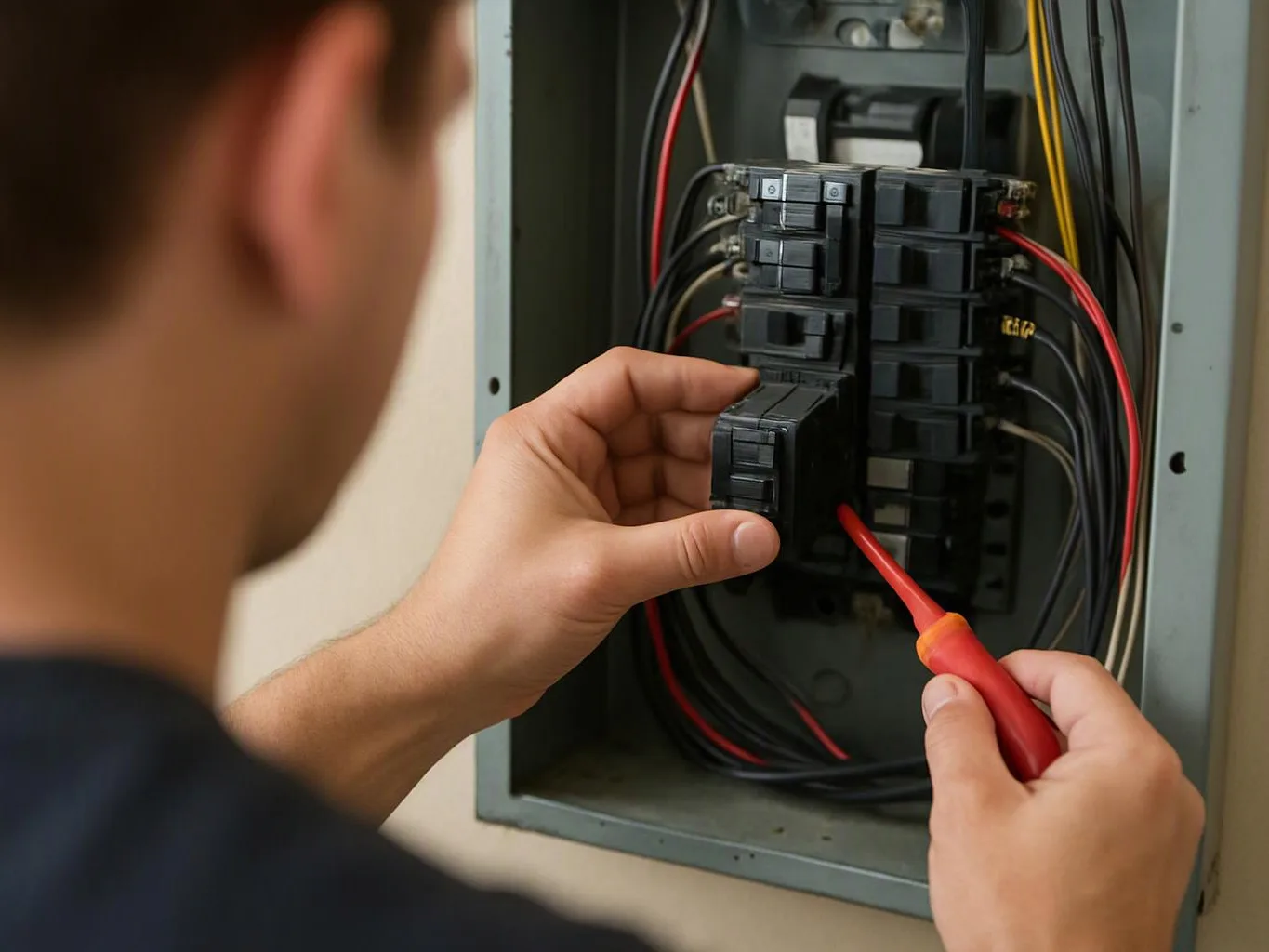
A panel upgrade may be needed when the existing service cannot safely support the property’s electrical demand. The inspection checks breaker condition, circuit loading, connections, grounding, and available capacity. A panel change is not automatic. We explain the findings first, then discuss whether repair, circuit changes, a load calculation, or an upgrade fits the property.
What should a customer ask before agreeing to the inspection?
Customers should ask what areas will be inspected, what access is needed, and what findings the service will document. They should also ask how urgent hazards will be handled and whether repairs are separate from the inspection. We explain the scope, estimate, and next steps in plain language so the property owner can make an informed choice.