How does an electrical safety inspection help prevent problems?
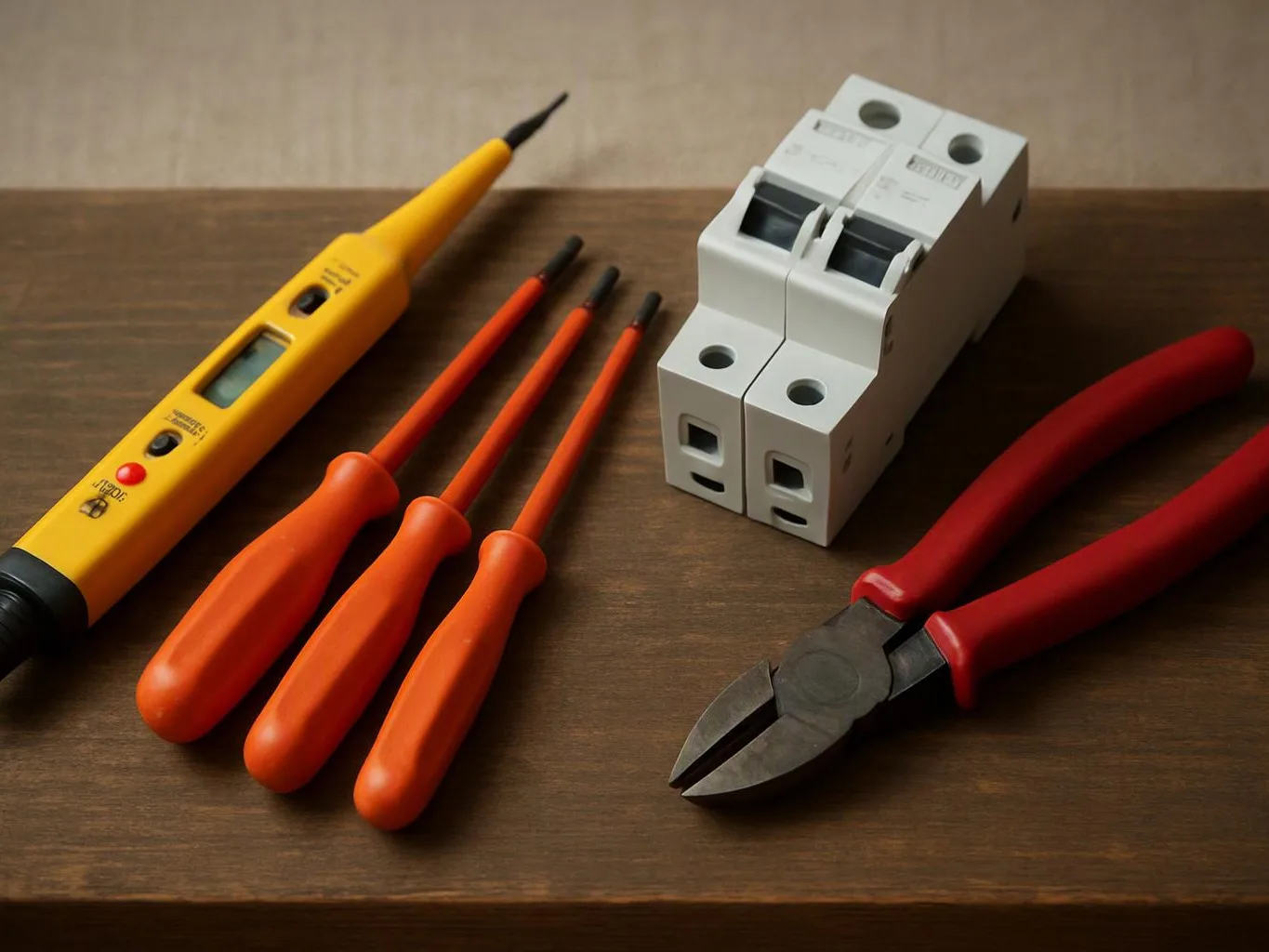
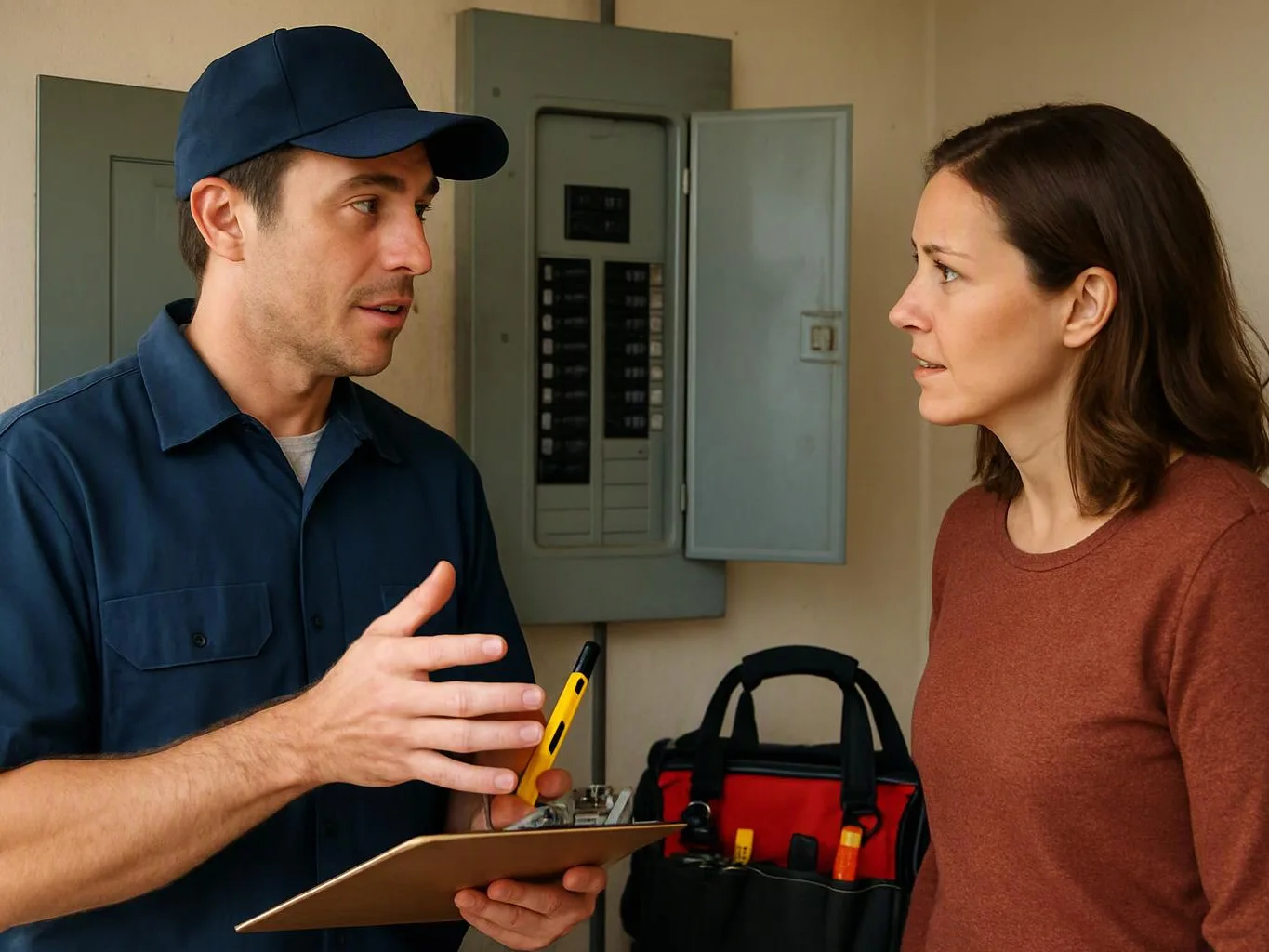
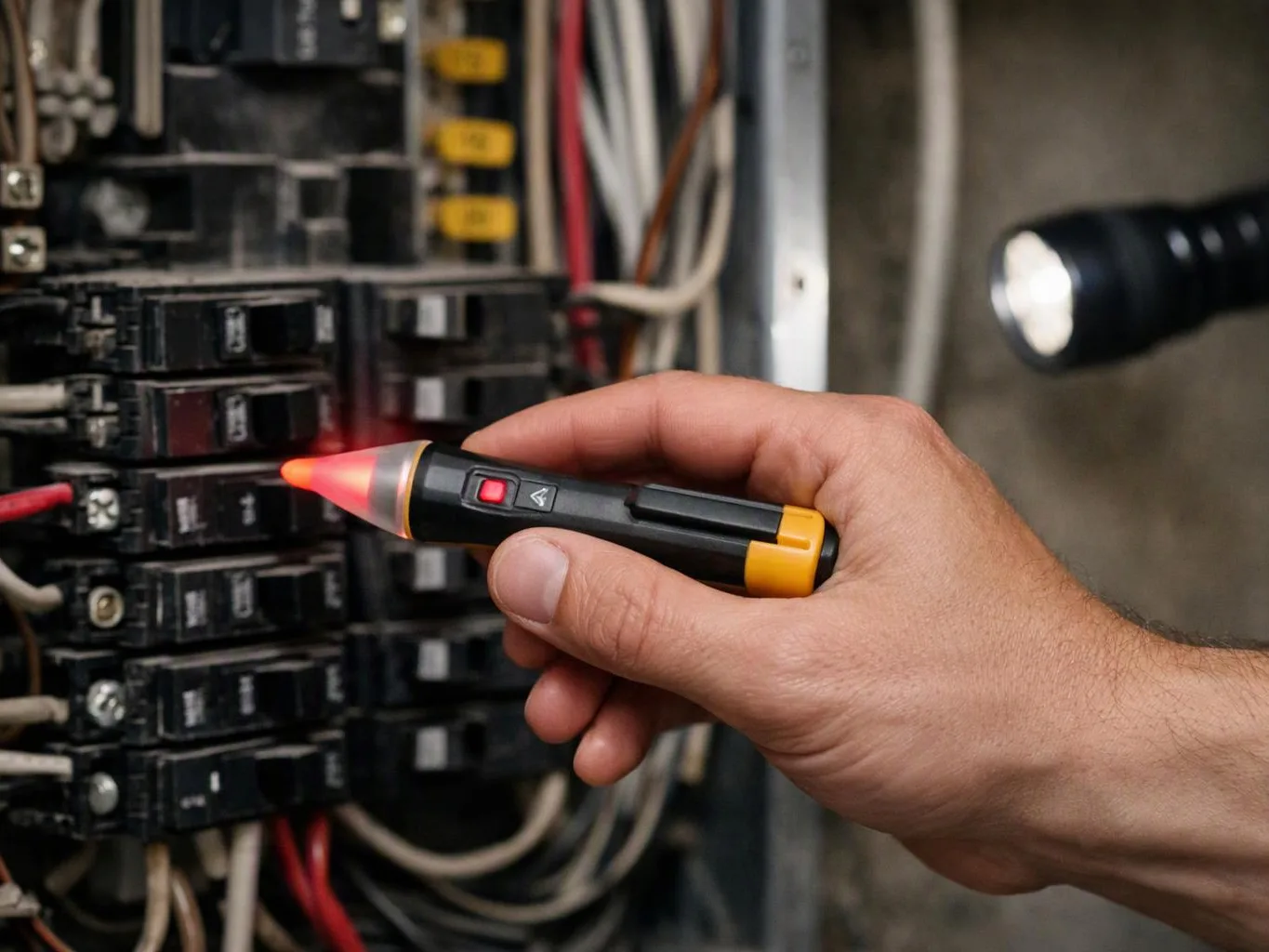
Code review helps prevent problems by identifying unsafe conditions before they become larger repair issues. Toledo Electrician checks wiring, breakers, outlets, grounding, and visible heat damage. Customers receive guidance on early repair, risk reduction, and maintenance. An inspection cannot prevent every failure, but it can reveal conditions that need action before the system is changed or heavily used.
What part of the property decides the inspection scope?
The electrical system’s condition and layout decide the inspection scope. We focus on the service panel, affected circuits, outlets, switches, grounding paths, and visible wiring. Customers with repeated trips or dead outlets may need circuit tracing, while a planned renovation may call for a wider review of load and panel capacity.
Which material changes the inspection work?
Damaged insulation, aluminum wiring, older cable, and ungrounded two-prong outlets can change the inspection work. We check how each material connects to the panel, devices, and grounding path. Customers receive repair guidance based on the observed condition, not a material name alone.
How can I tell whether this inspection fits my property?
An electrical safety inspection fits homes and businesses with warning signs, planned changes, or uncertainty about system condition. Flickering lights, warm plates, dead outlets, and repeated trips are useful reasons to request one. Customers who already know a part has failed may need a repair visit with a separate scope.
What does the inspection check before a panel upgrade?
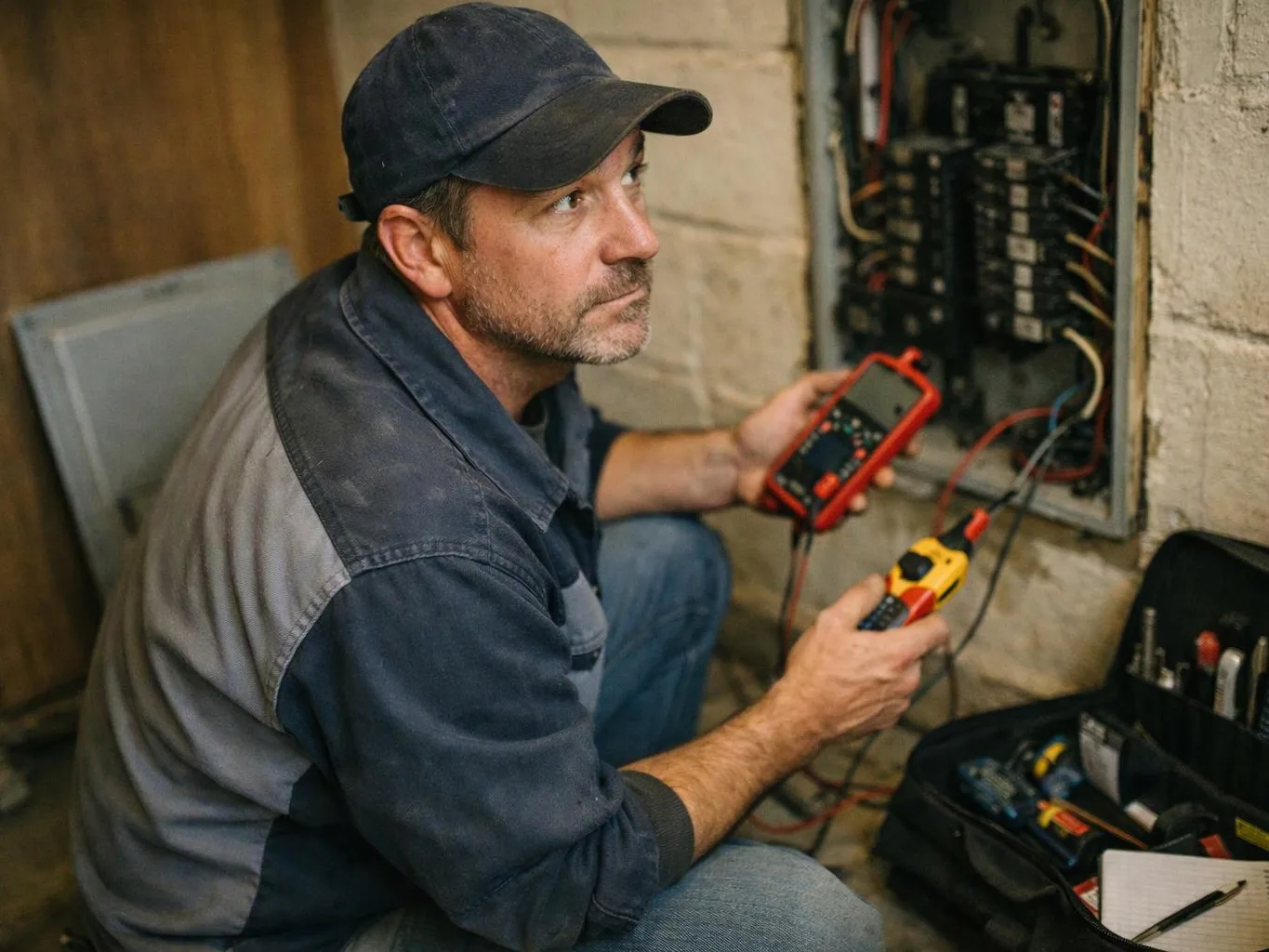
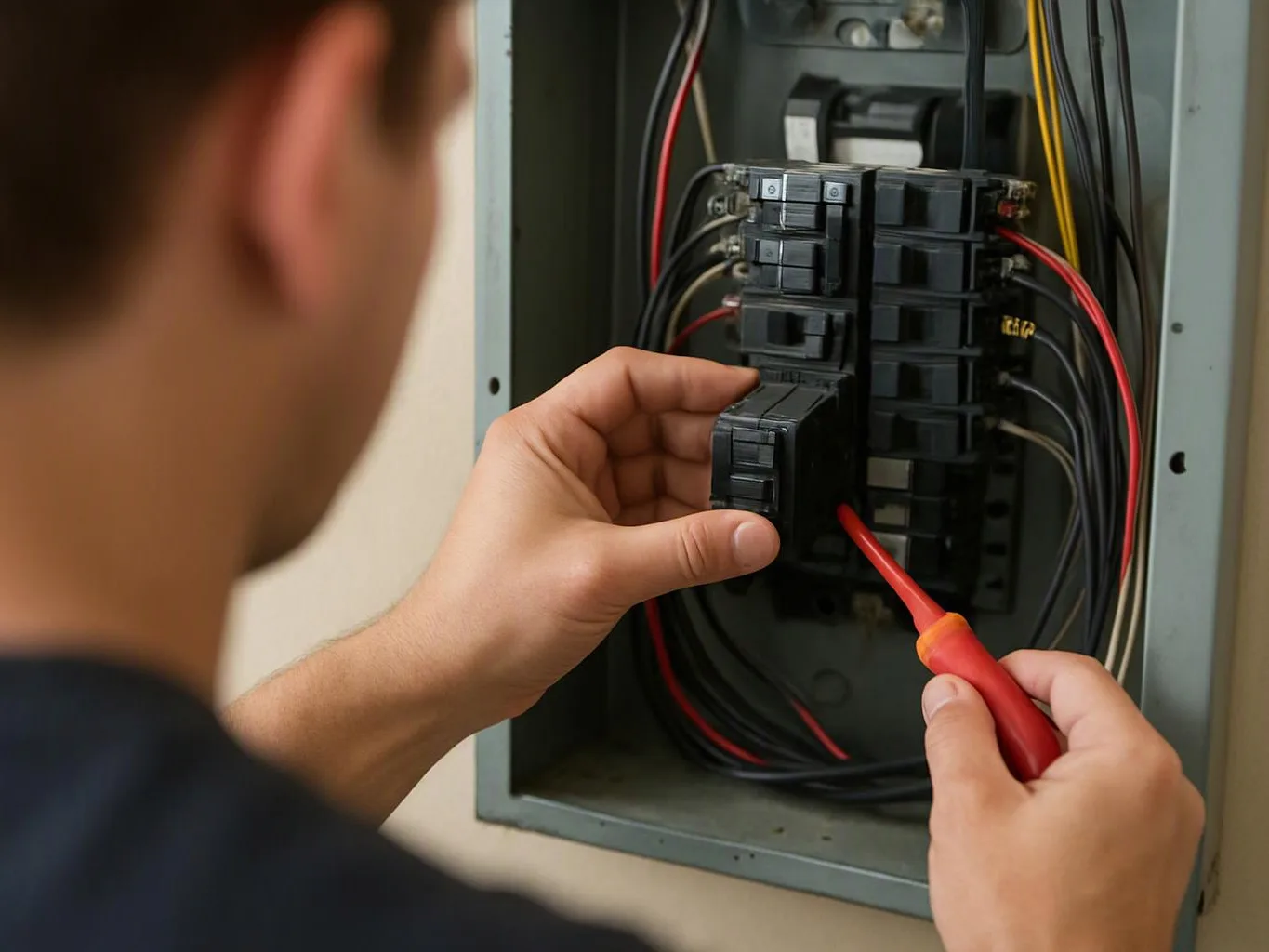
A panel review checks existing breakers, service connections, circuit paths, grounding, and visible wiring before upgrade planning. We also consider the equipment and circuits the property needs. Customers get a better basis for deciding whether the work calls for a panel upgrade, subpanel installation, service entrance work, or a focused repair.
When should I stop using an outlet before the inspection?
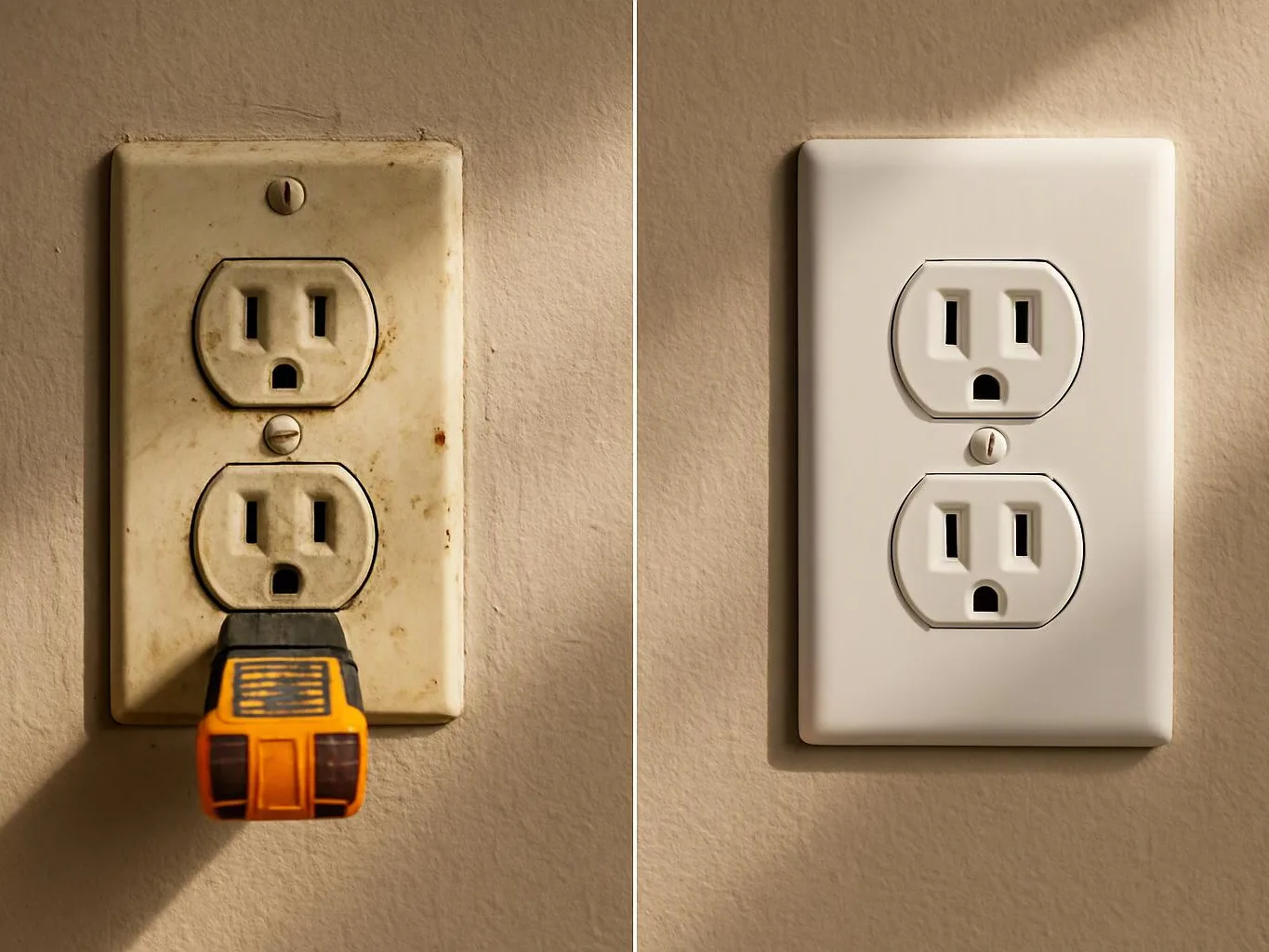
Stop using an outlet when it sparks, smells hot, feels warm, or shows dark marks. We inspect the device and its circuit to find signs of heat, loose connections, or damaged wiring. Customers should keep people away from the affected area and avoid repeated resets until the condition is checked.
Why might an inspection lead to rewiring advice?
Rewiring advice follows when visible wiring damage, unsafe connections, or repeated circuit faults affect more than one device. We trace the affected paths and explain whether a local repair can address the finding. Customers receive a separate scope when broader rewiring is needed.