What does the crew look at first during emergency electrical repair?
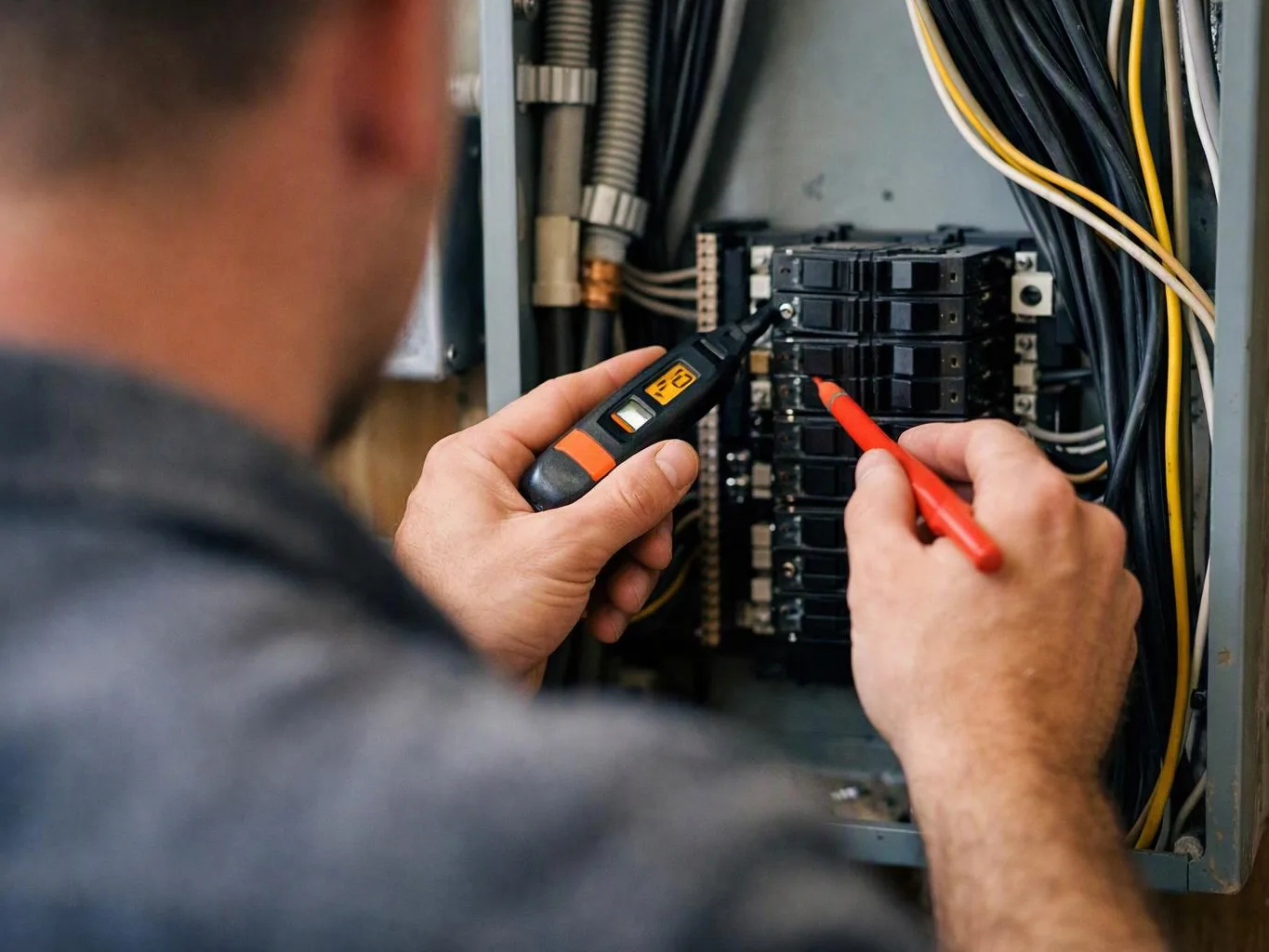
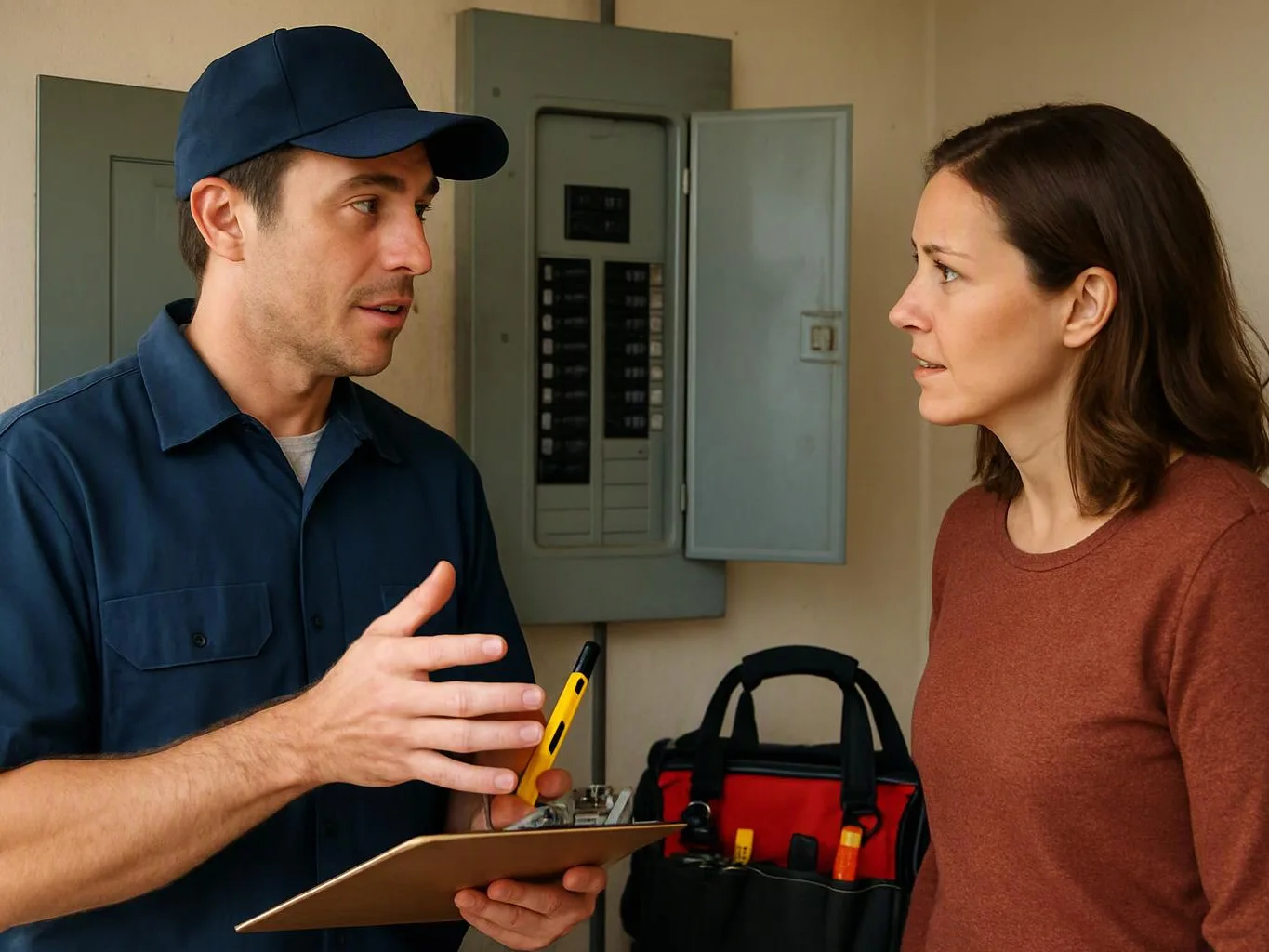
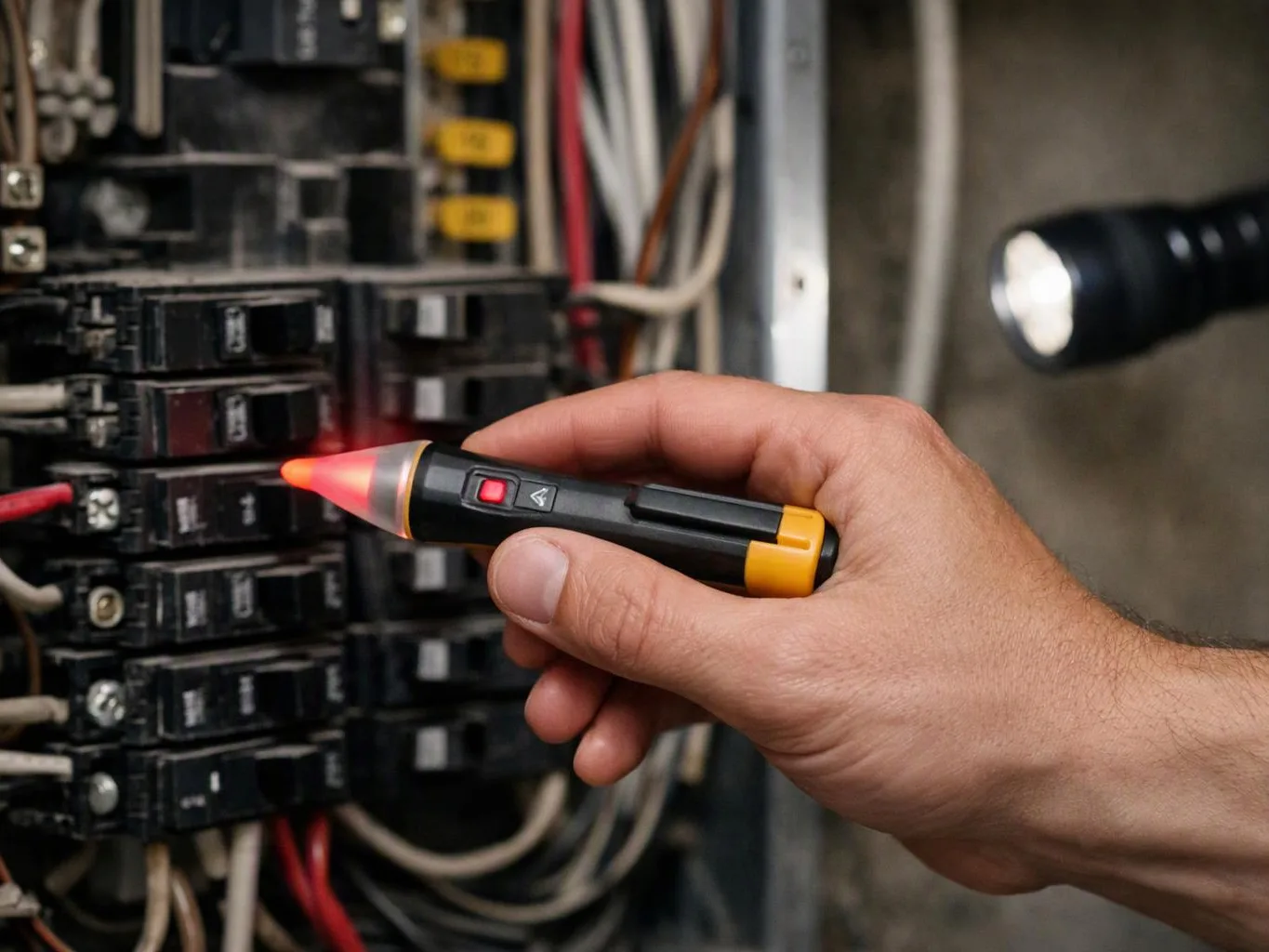
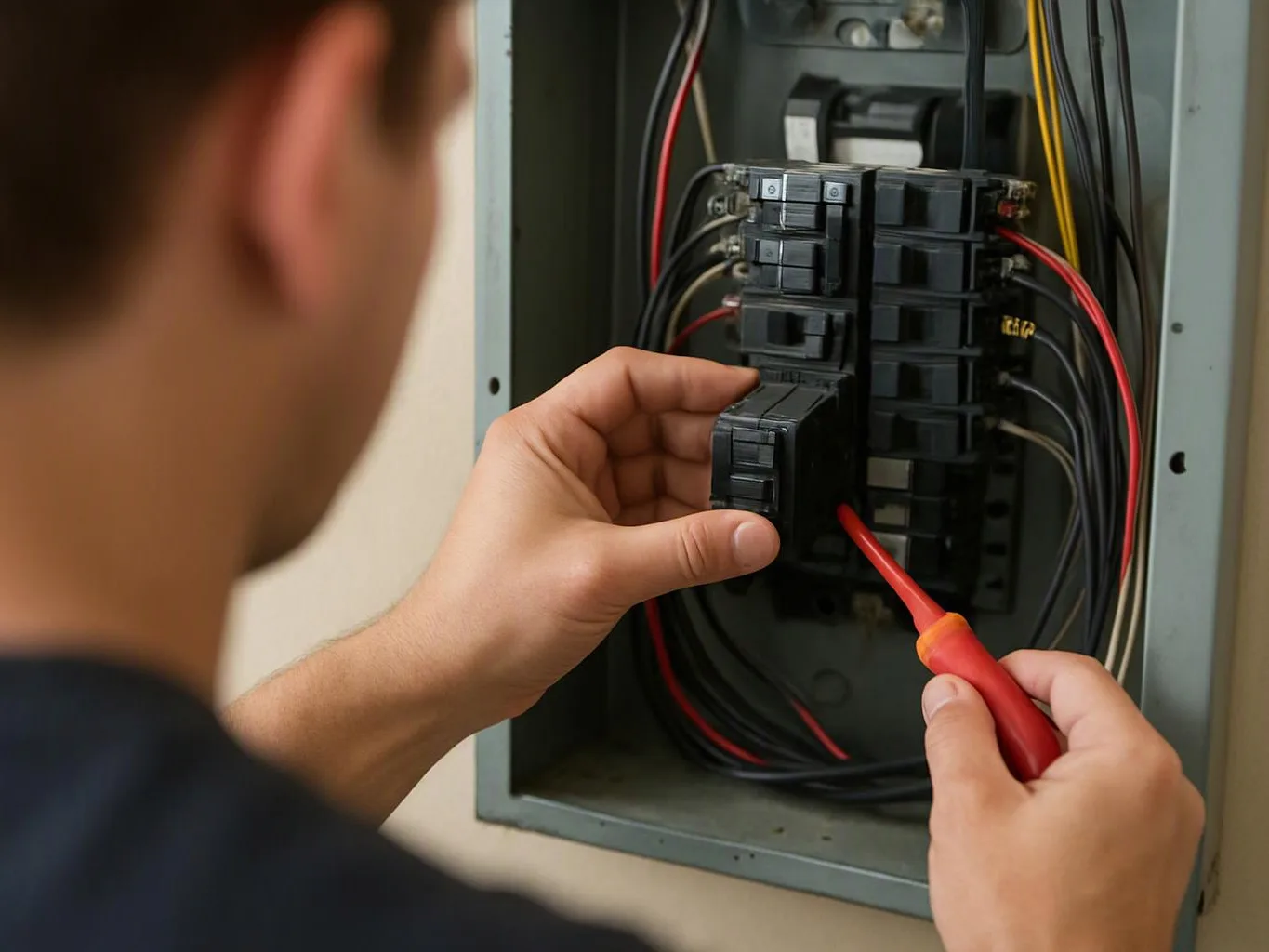
The electrical panel and affected circuit come first during emergency electrical repair. We check the breaker, visible wiring, outlets, switches, and signs of heat or damage. Customers should describe what failed and what was running at the time. That information helps us trace the fault without treating every outage as the same problem.
What should be checked before emergency electrical repair is scheduled?
The affected area, electrical panel, and warning signs should be identified before scheduling emergency electrical repair. Note dead outlets, flickering lights, warm plates, smoke, sparks, or repeated trips. Do not remove covers or handle damaged wiring. Customers can share the property type, affected rooms, and any recent appliance or electrical changes.
Who is a good fit for emergency electrical repair, and who needs a different service?
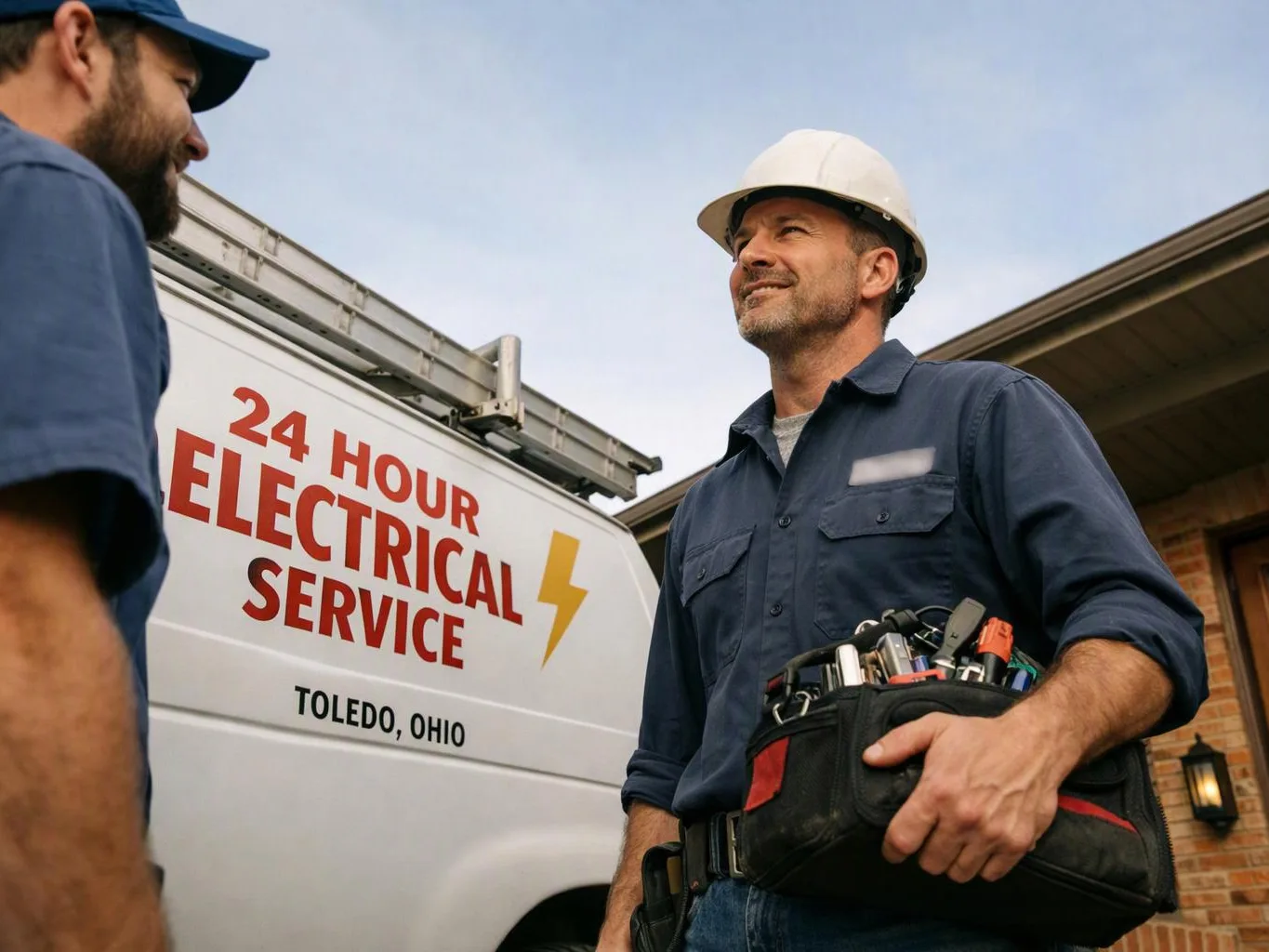
Toledo Electrician provides emergency electrical repair for homes and businesses with active electrical faults or safety concerns. A utility outage affecting the wider area needs utility coordination, while planned lighting, fan, or upgrade work fits routine scheduling. Customers with a whole-home wiring concern may need a separate rewiring scope after the urgent fault is safe.
Why does a breaker keep tripping after it is reset?
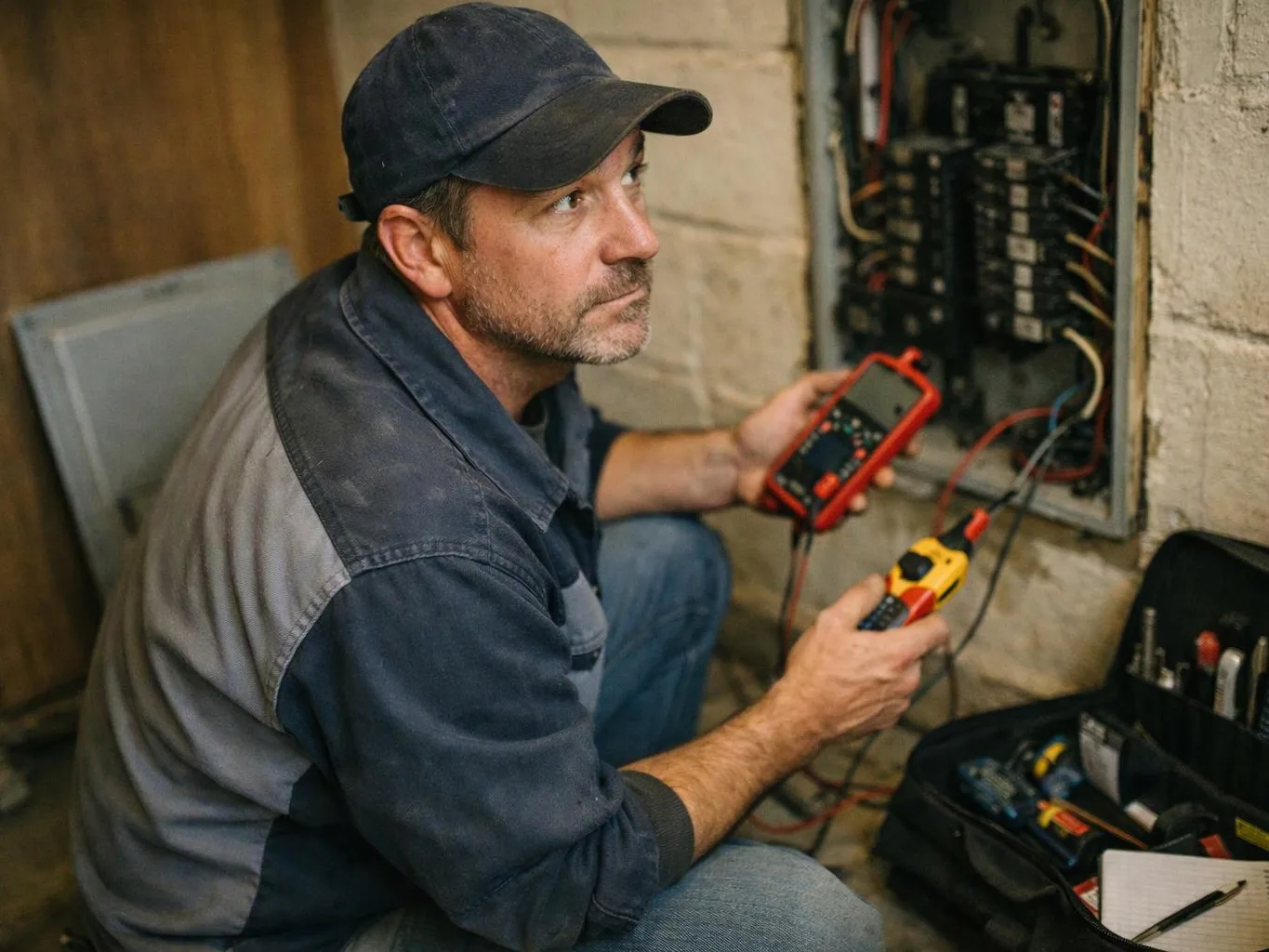
A breaker keeps tripping when the circuit still has a fault, overload, damaged cable, or unsafe connection. Repeated resets can leave the underlying problem active. We inspect the connected load, breaker, receptacles, and wiring to find the cause. Stop using the affected circuit if it trips again or shows heat, odor, or sparks.
Which repair details change the price of an electrical failure?
The fault location, access, damaged parts, and required circuit work change the repair cost. A loose receptacle may need a focused repair, while damaged cable or insufficient capacity may require broader work. We inspect the problem and provide a free estimate when the scope is clear. Larger upgrades receive their own defined scope.
When should a dead outlet be treated as an urgent problem?
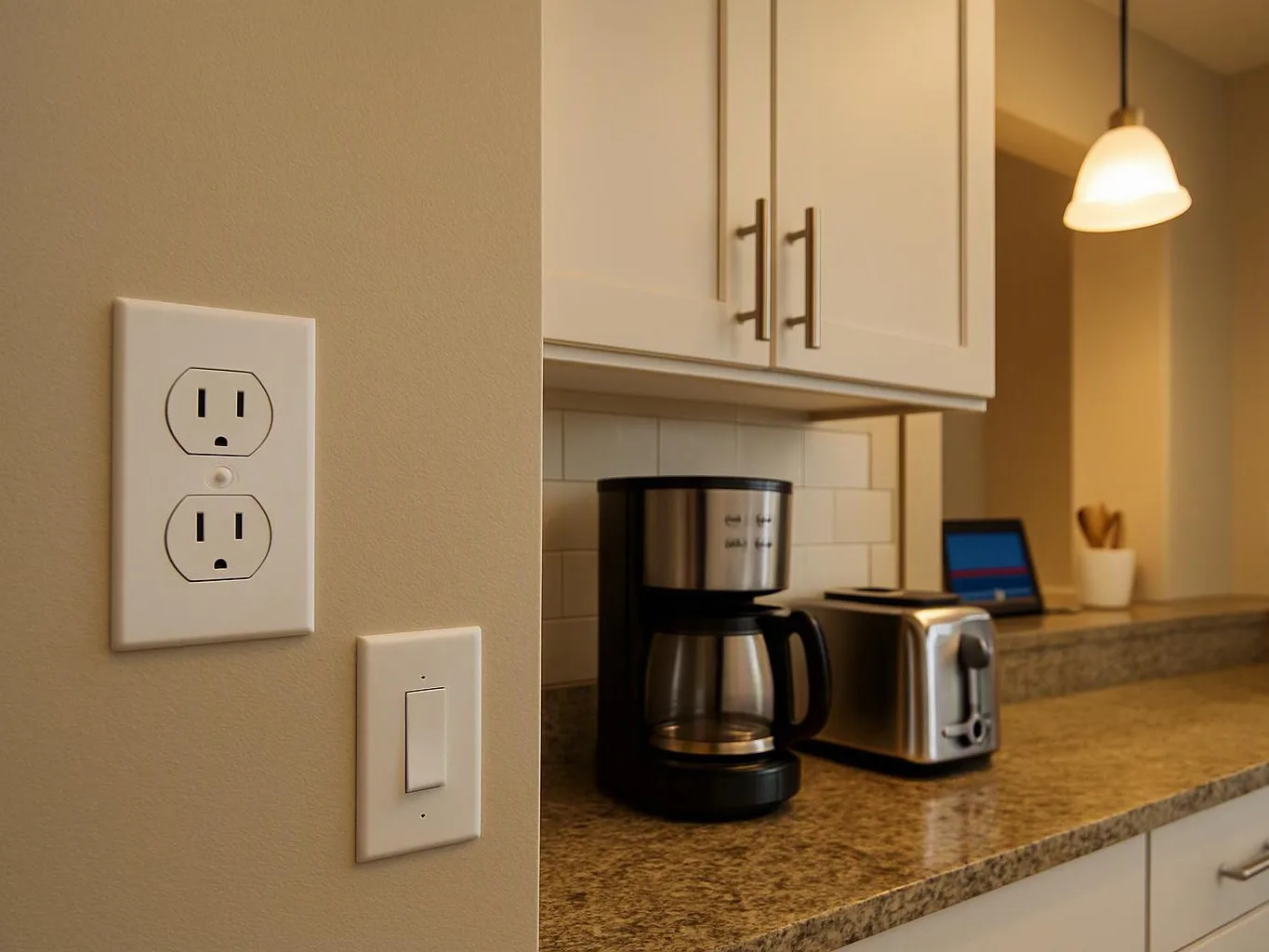
A dead outlet becomes urgent when it has heat, smoke, sparks, a burning smell, or repeated breaker trips. Those signs can point to a damaged connection or wiring fault. We isolate the circuit and inspect the outlet, cable, and panel. Keep the outlet out of use until the electrical cause is checked.
How can I tell whether the outage is inside my property?
A property-side outage usually affects selected circuits, outlets, or lights, while a wider utility outage affects surrounding service. Check whether other parts of the property still have power and look for a tripped breaker without opening the panel. We inspect the property's wiring when the issue stays local. Do not handle damaged equipment.