What causes a GFCI outlet to trip repeatedly?
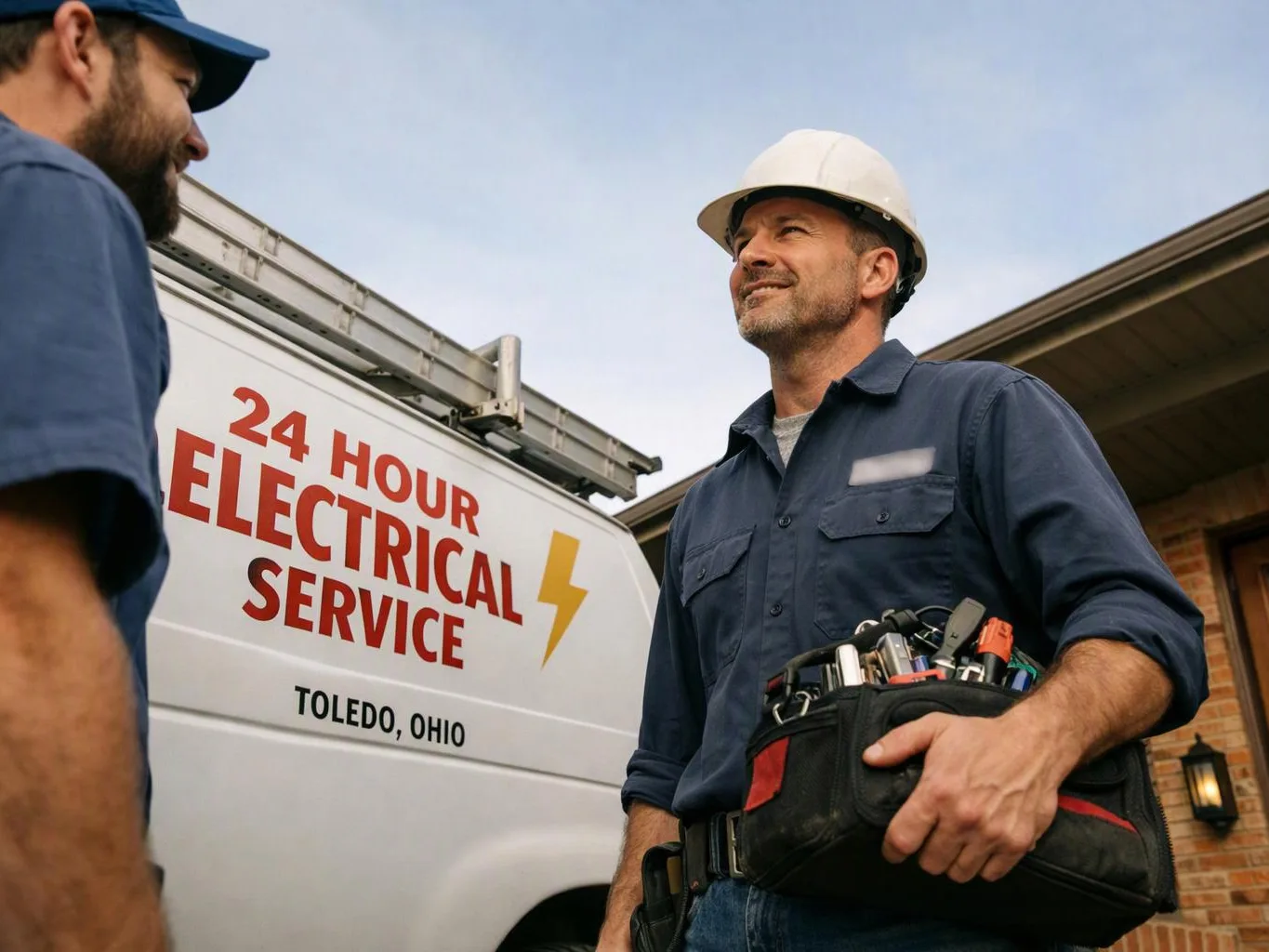
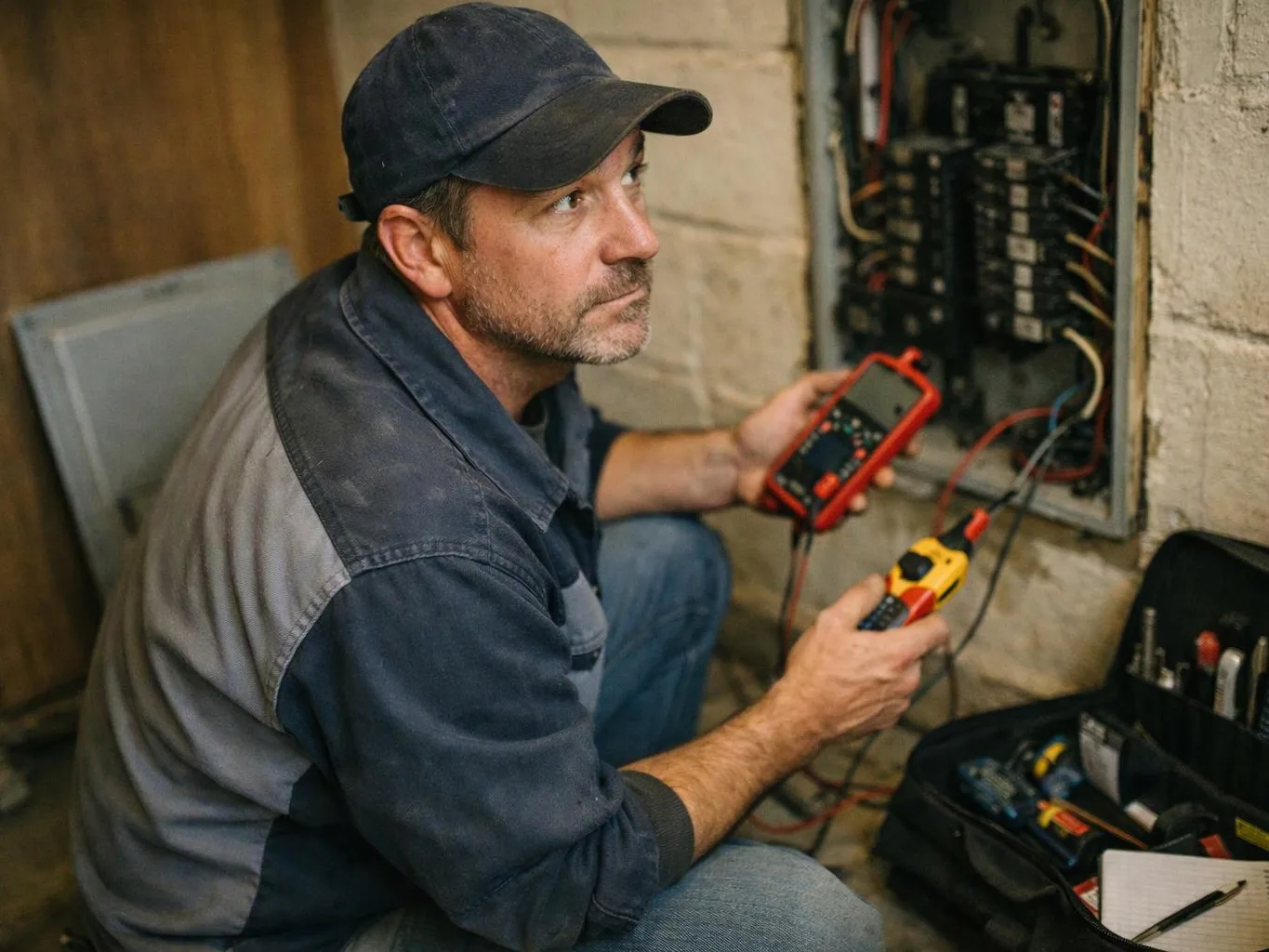
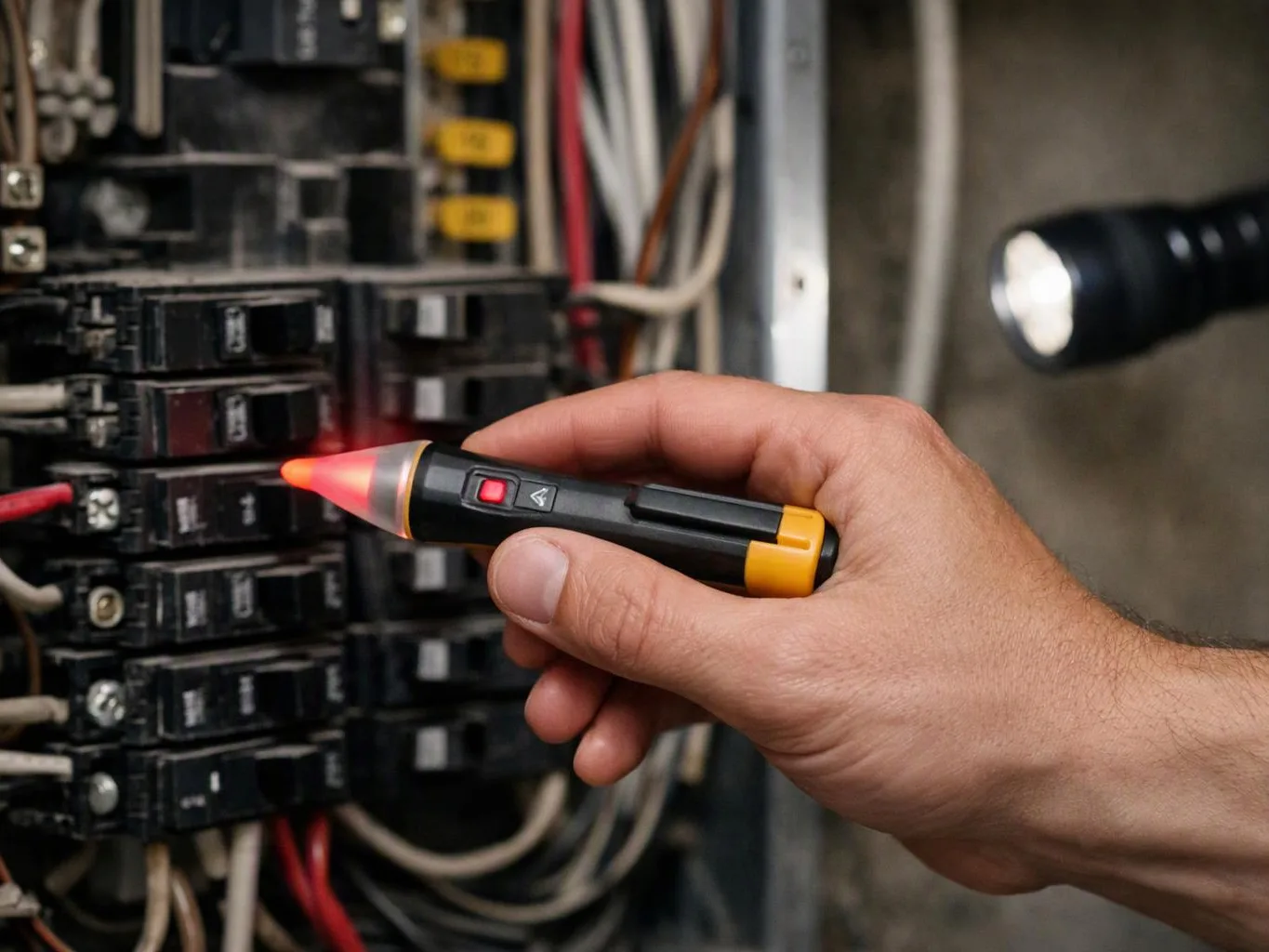
A faulty appliance is a common cause, but moisture, a ground fault, wiring trouble, or an aging device can also trip the outlet. Toledo Electrician isolates the connected load and tests the outlet and circuit. We then explain whether the fix needs an outlet replacement, circuit repair, or attention to the appliance.
How can I tell whether this outlet work fits my property?
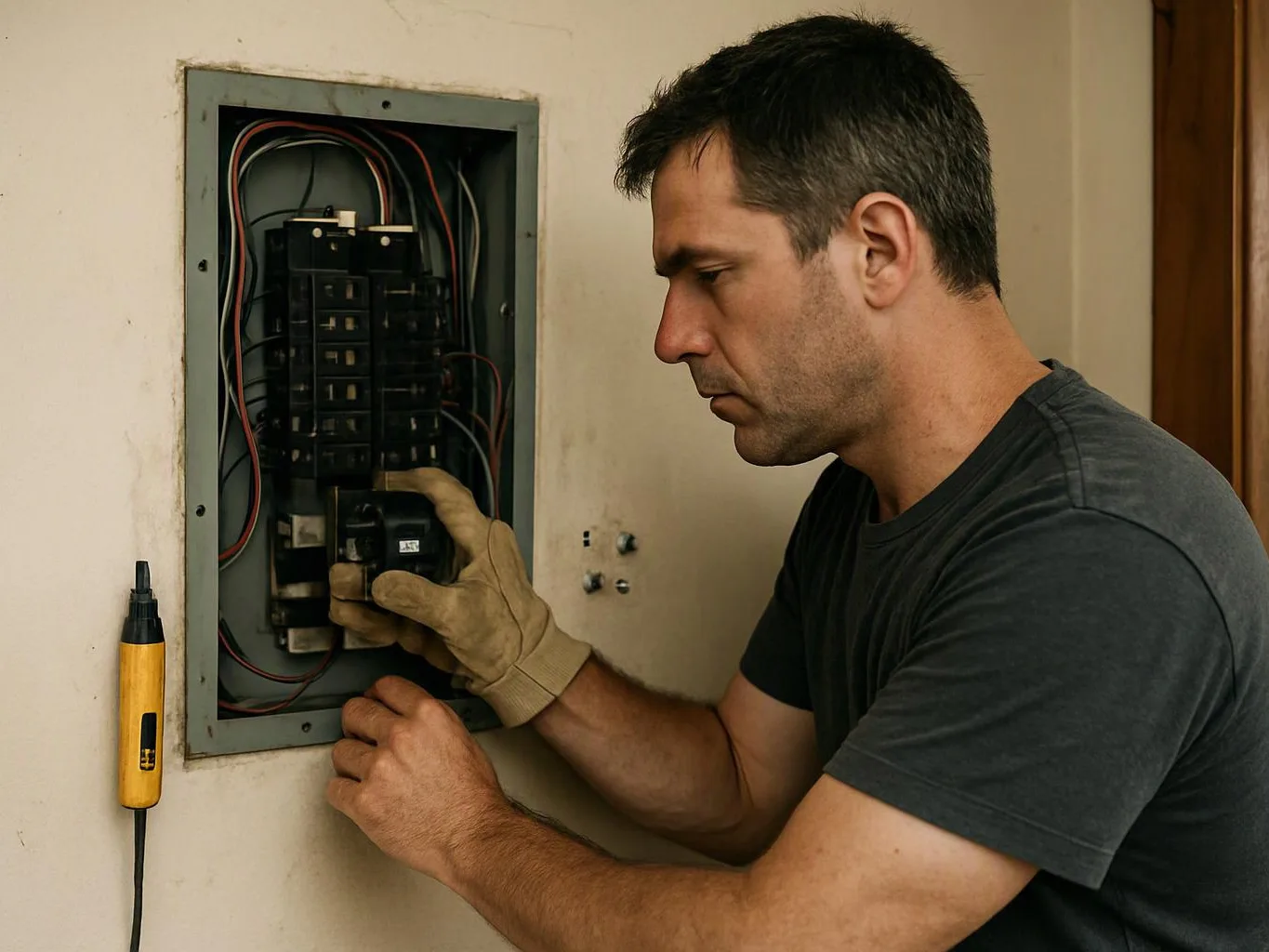
GFCI outlet installation fits a property with a failed, missing, damaged, or repeatedly tripping protective outlet. A dead outlet or failed reset also supports an inspection. Our team checks the device and circuit first, because a panel or wiring fault needs a different service.
Which part of the property decides the work scope?
The outlet location, circuit path, wiring condition, and connected load decide the work scope. Kitchens, bathrooms, garages, exterior areas, and commercial workspaces may have different access and load conditions. We inspect the specific circuit and explain any added work before installation.
Which material changes how long the outlet work takes?
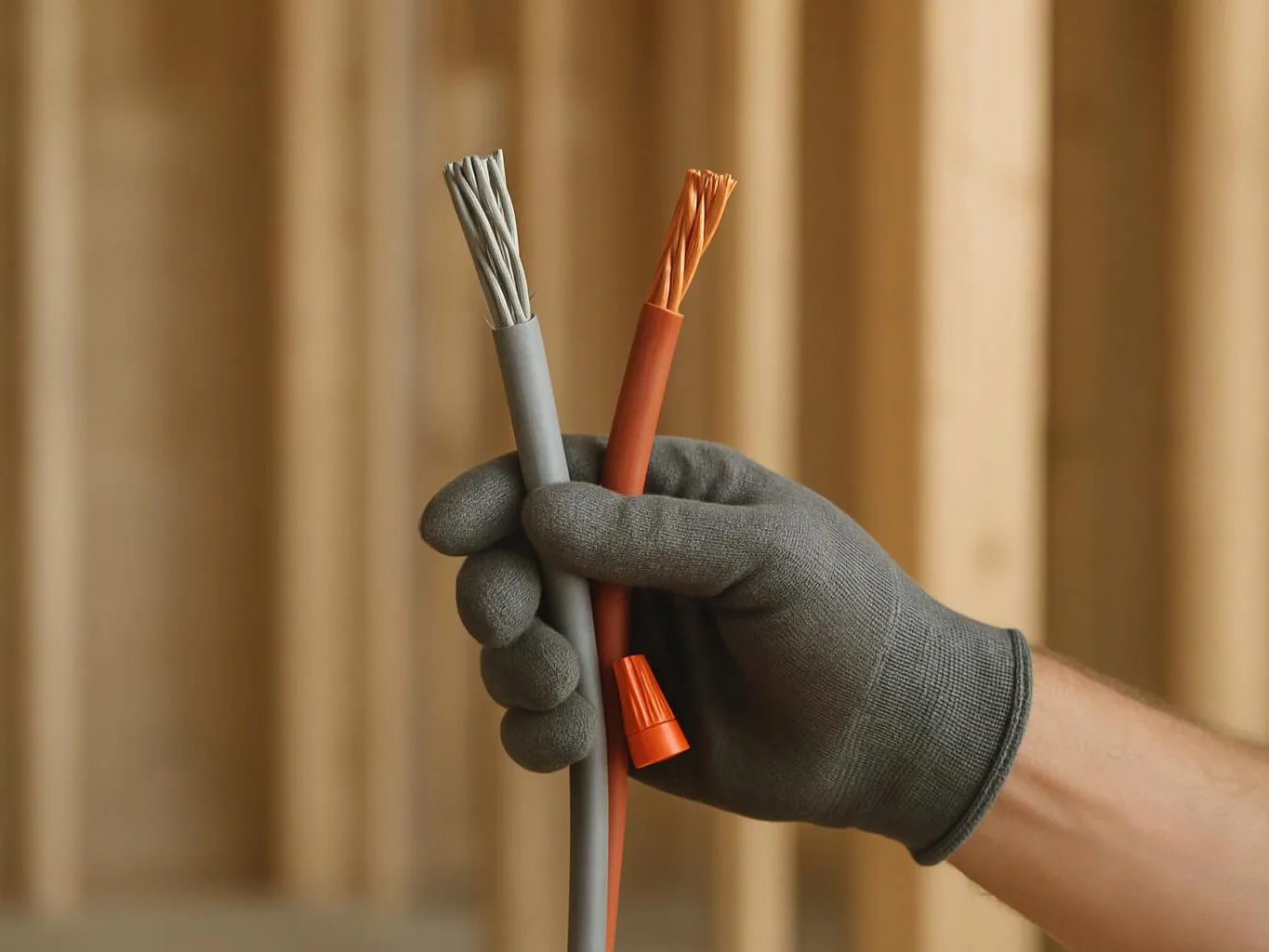
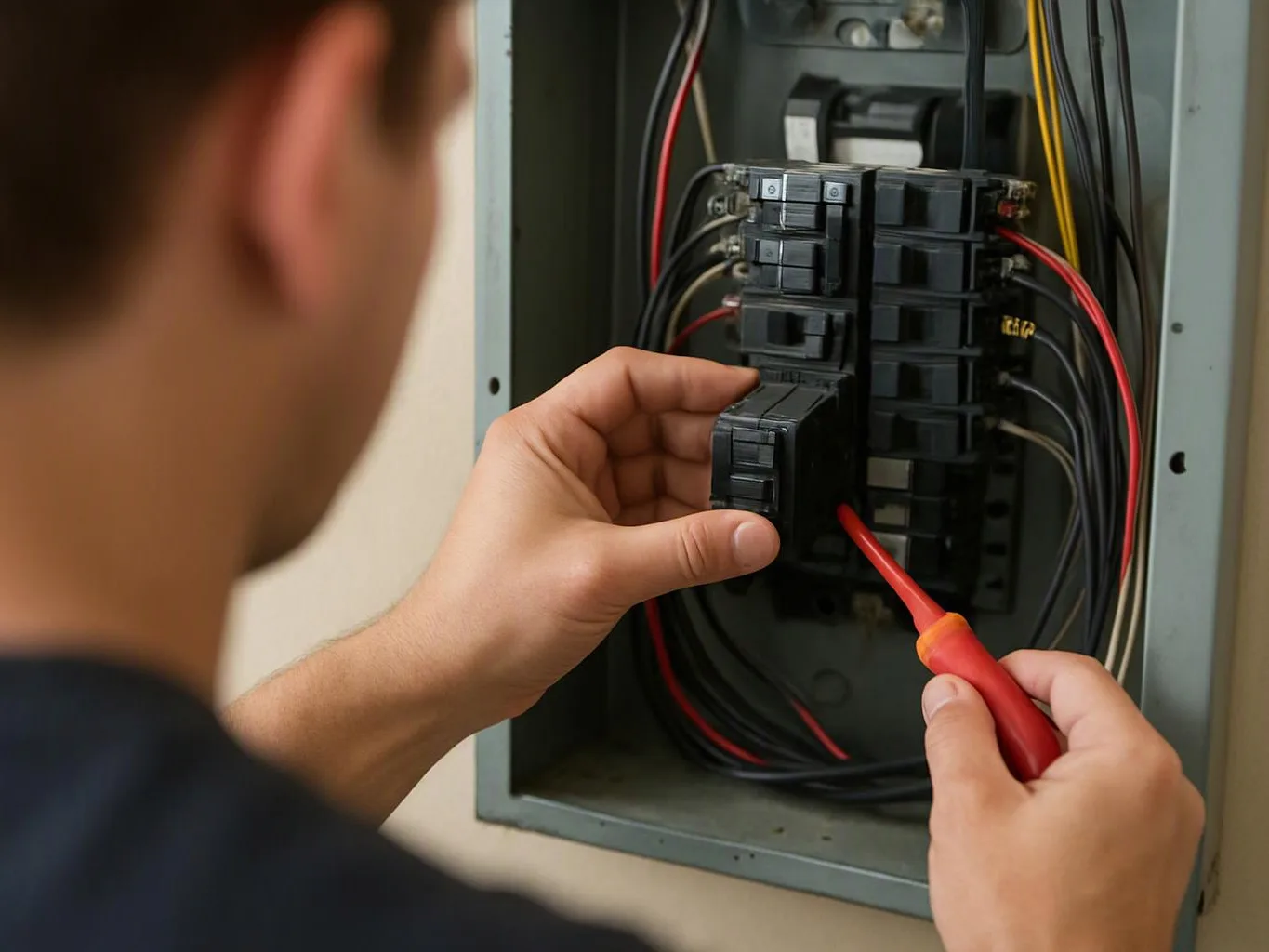
Wiring material and its condition can change the work needed. Copper conductors, aluminum conductors, damaged insulation, loose terminals, and limited access each call for different checks. We identify the wiring at the outlet and stop to explain any repair that goes beyond the device.
When should I stop using a tripping outlet?
Stop using the outlet when it sparks, smells hot, feels warm, or will not reset safely. Turn off the circuit if you can do so without touching damaged parts. We inspect the outlet, connected load, and wiring to find the source before restoring use.
Why does a new GFCI outlet still trip?
A new GFCI outlet can still trip when the circuit has a ground fault, moisture problem, wiring issue, or faulty connected appliance. Replacement does not remove a fault elsewhere in the circuit. We test the load and trace the circuit when the new device will not hold reset.
What should I tell Toledo Electrician before an outlet assessment?
The useful details are the outlet location, what is connected, how often it trips, and any heat, moisture, or sparking. Photos of the outlet and panel can also help describe the issue. Keep the area accessible and avoid repeated resets until the inspection.