Who installs indoor lights for homes and businesses?
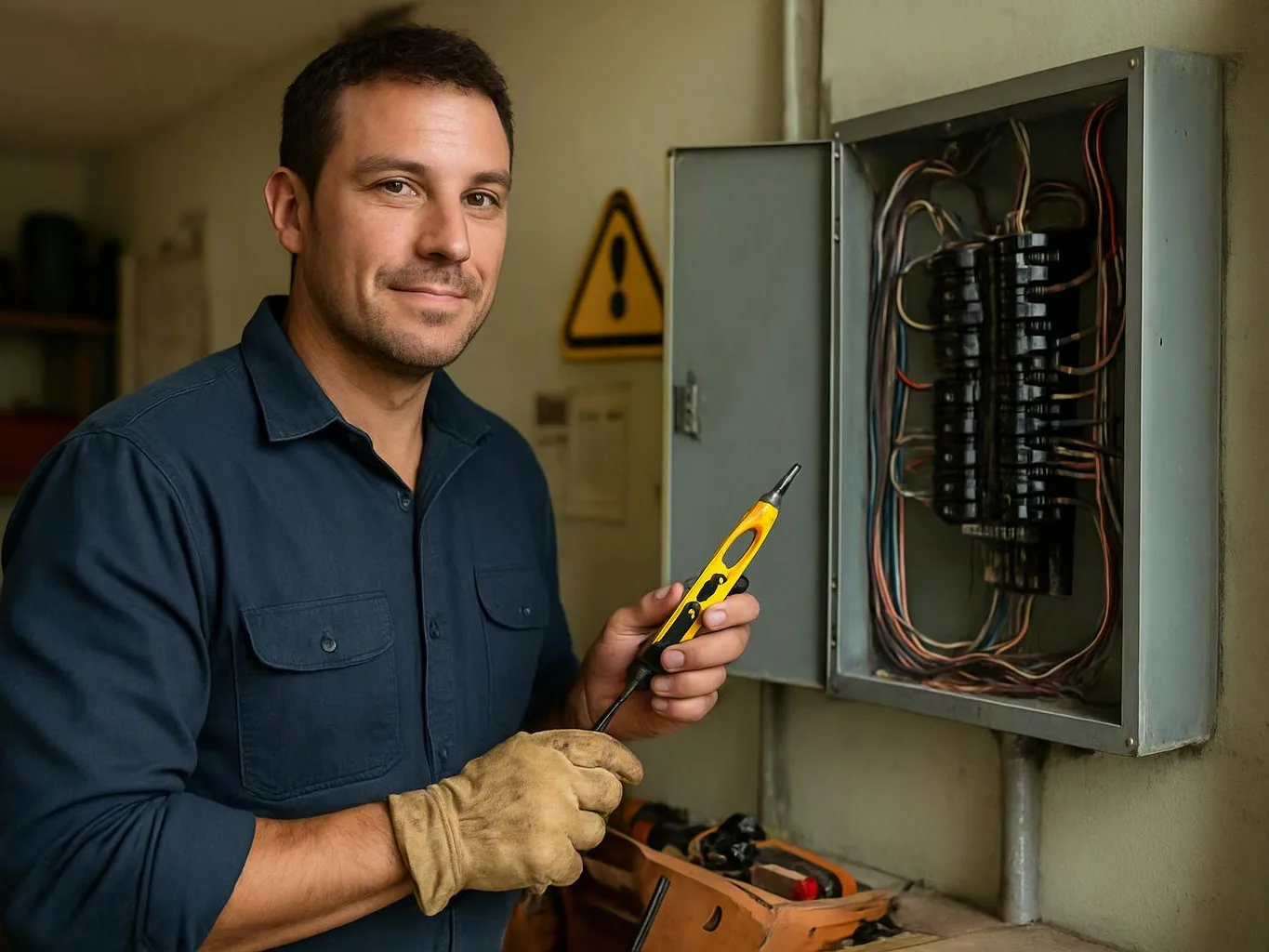
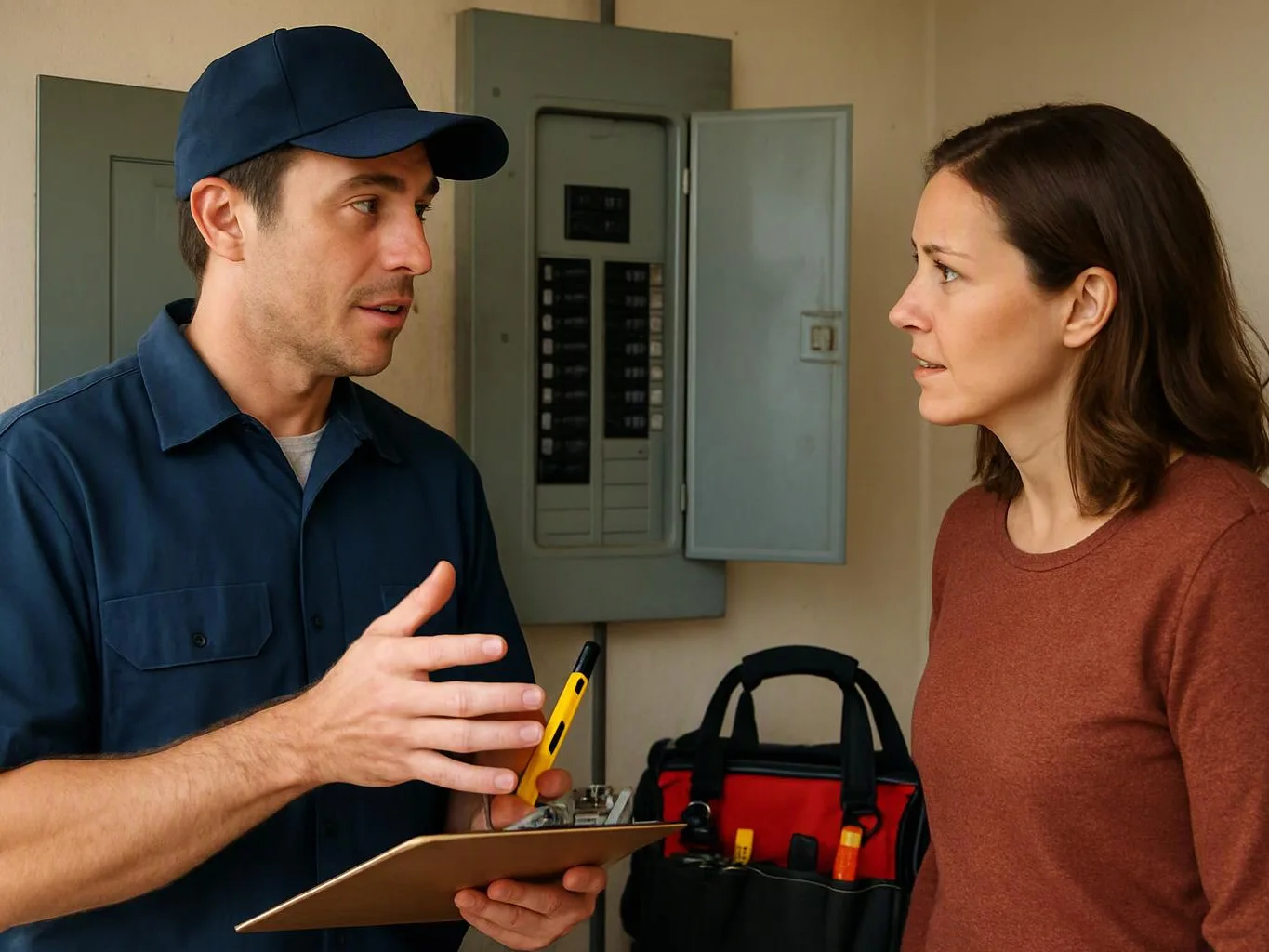
Toledo Electrician installs indoor lights for residential and commercial properties. We review the fixture, box, switch, wiring, and circuit before connecting the light. Our team also handles recessed lighting, fixture replacement, and related electrical work. The estimate reflects the access and wiring needs found during the assessment.
What does the crew look at first during an indoor lighting project?
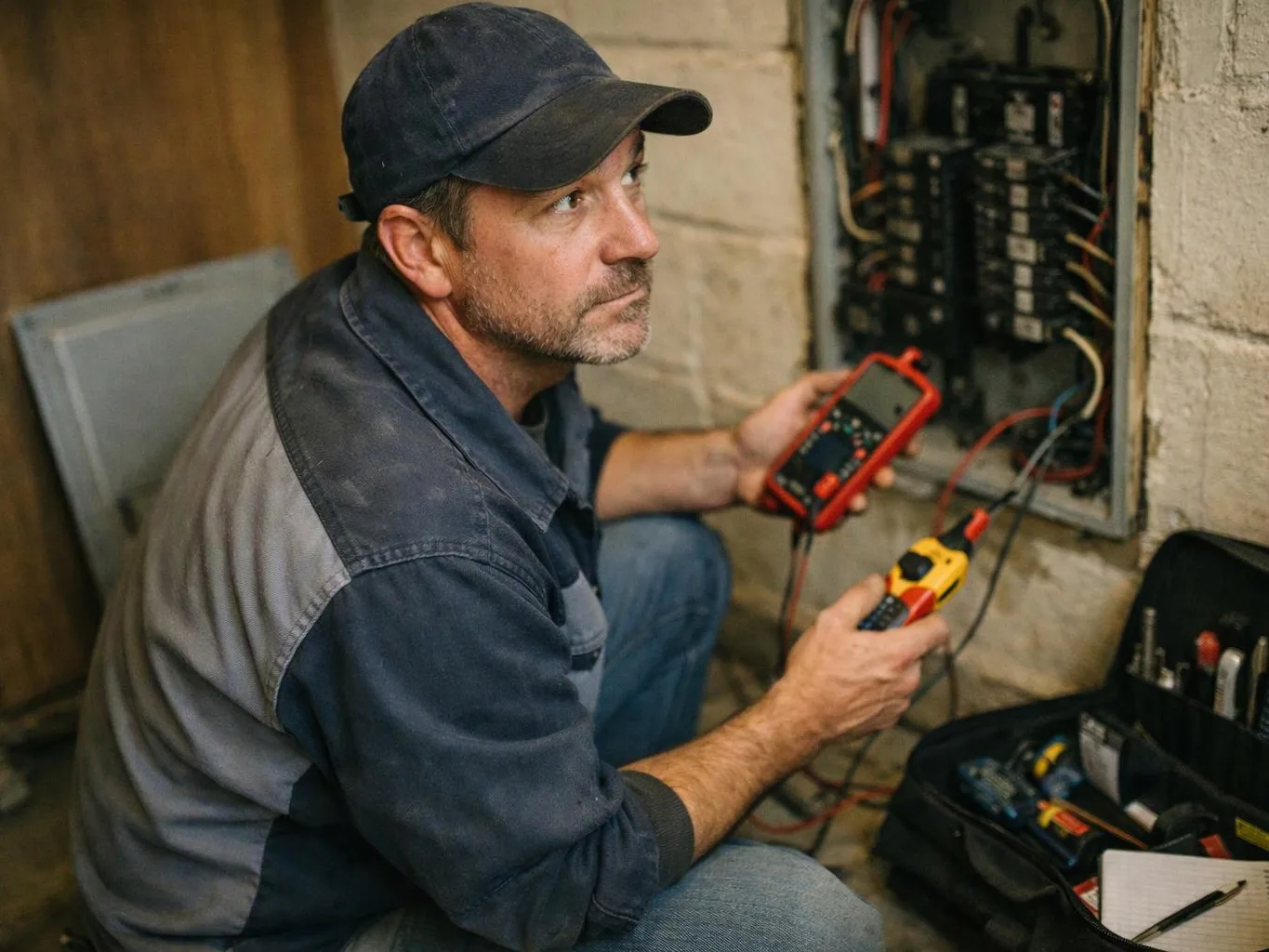
The existing electrical box and circuit come first because they support the fixture and its controls. We then check the switch, wiring condition, breaker, fixture location, and access path. Customers should identify any flickering, heat, buzzing, or dead lights before the assessment. Those symptoms can change the work scope.
How does indoor lighting installation proceed from start to finish?
The work starts with a room review and circuit check, then moves through scope planning, fixture connection, and testing.
- We confirm the fixture and switch locations.
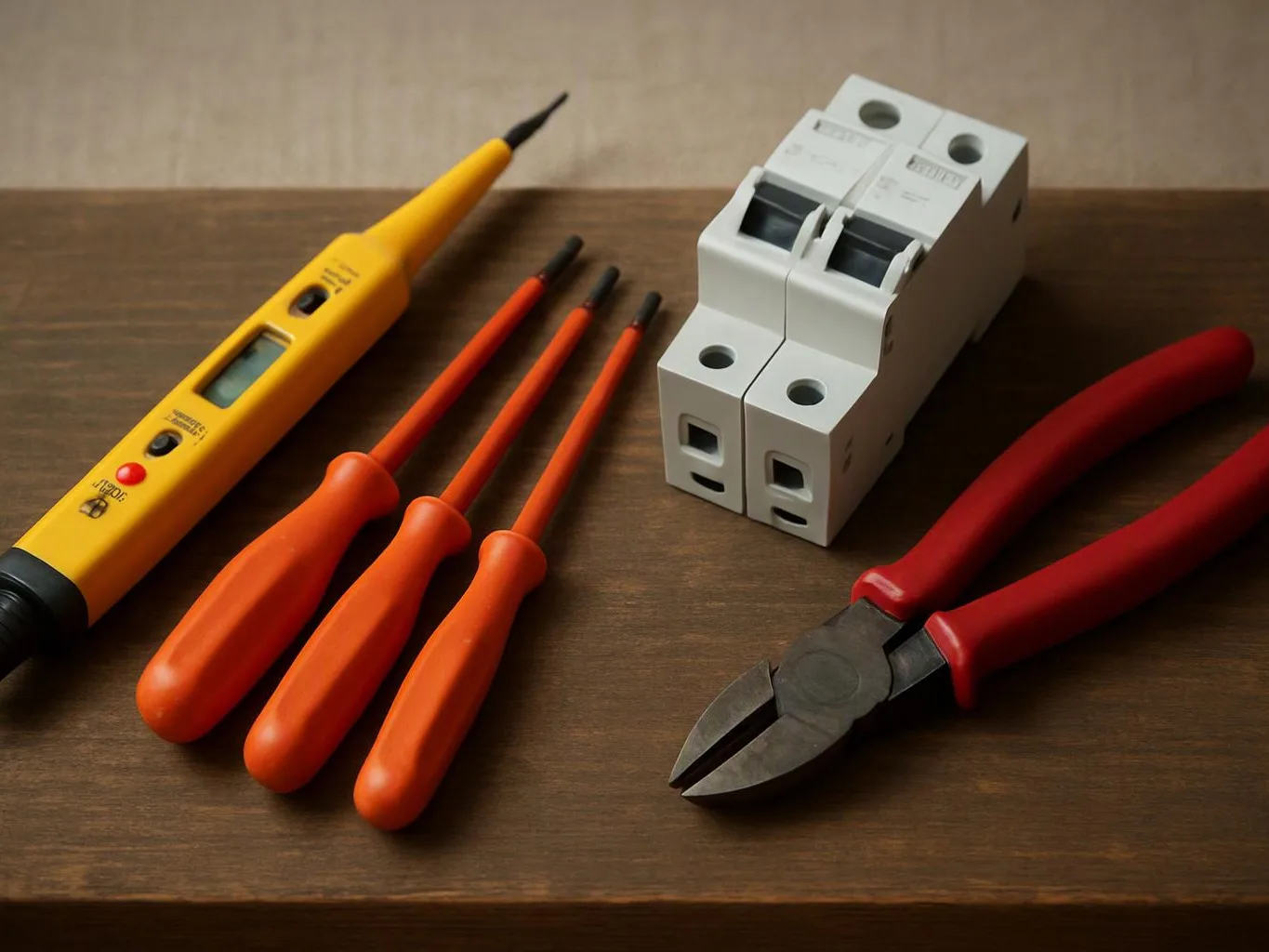
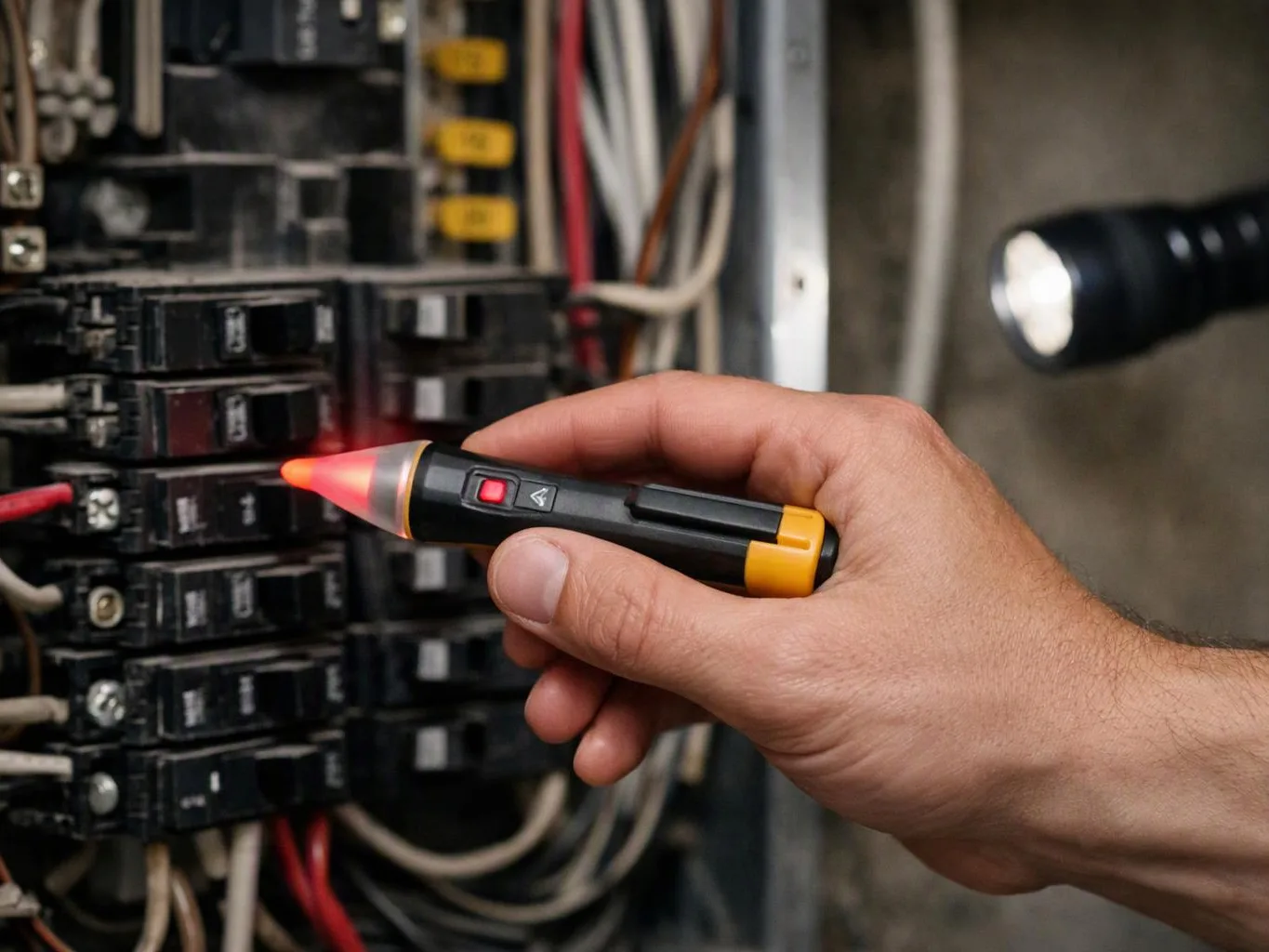
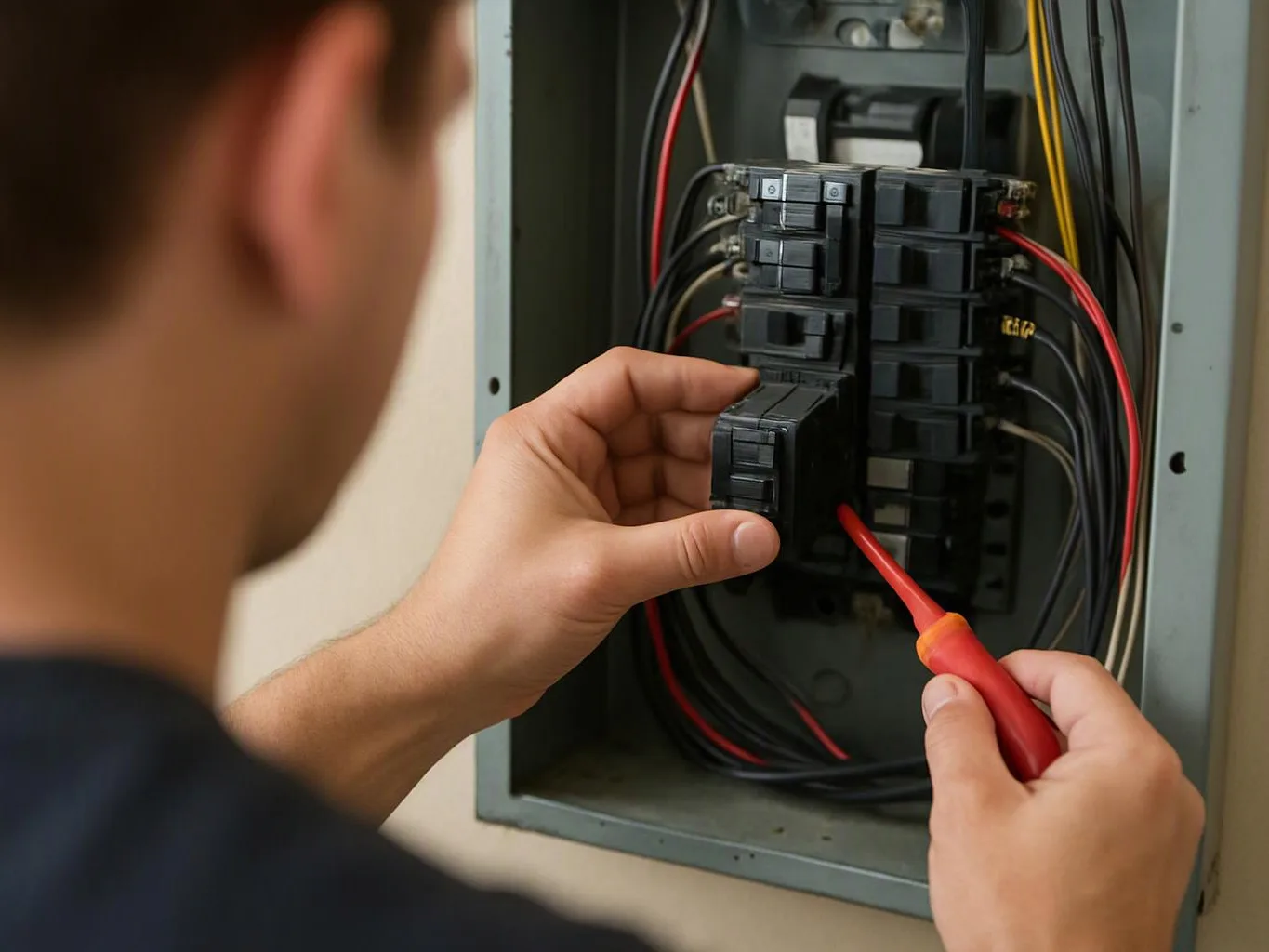
- We inspect the box, wiring, and breaker.
- We install and secure the fixture.
- We test the light and control.
Which part of a lighting project changes the estimate most?
Ceiling access, new wiring, switch changes, fixture type, and circuit condition have the greatest effect on an estimate. A fixture using an existing box needs a different scope from recessed lighting with new wiring. We inspect those conditions and provide free estimates based on the work required.
When should a lighting issue become urgent?
A burning smell, sparking, hot switch plate, buzzing, or repeated breaker trip makes the issue urgent. Turn off the affected light and avoid opening the switch or fixture. We inspect the circuit and isolate the unsafe part before discussing installation or repair. Emergency electrical service is available for urgent electrical problems.
Why do indoor lights flicker after a fixture change?
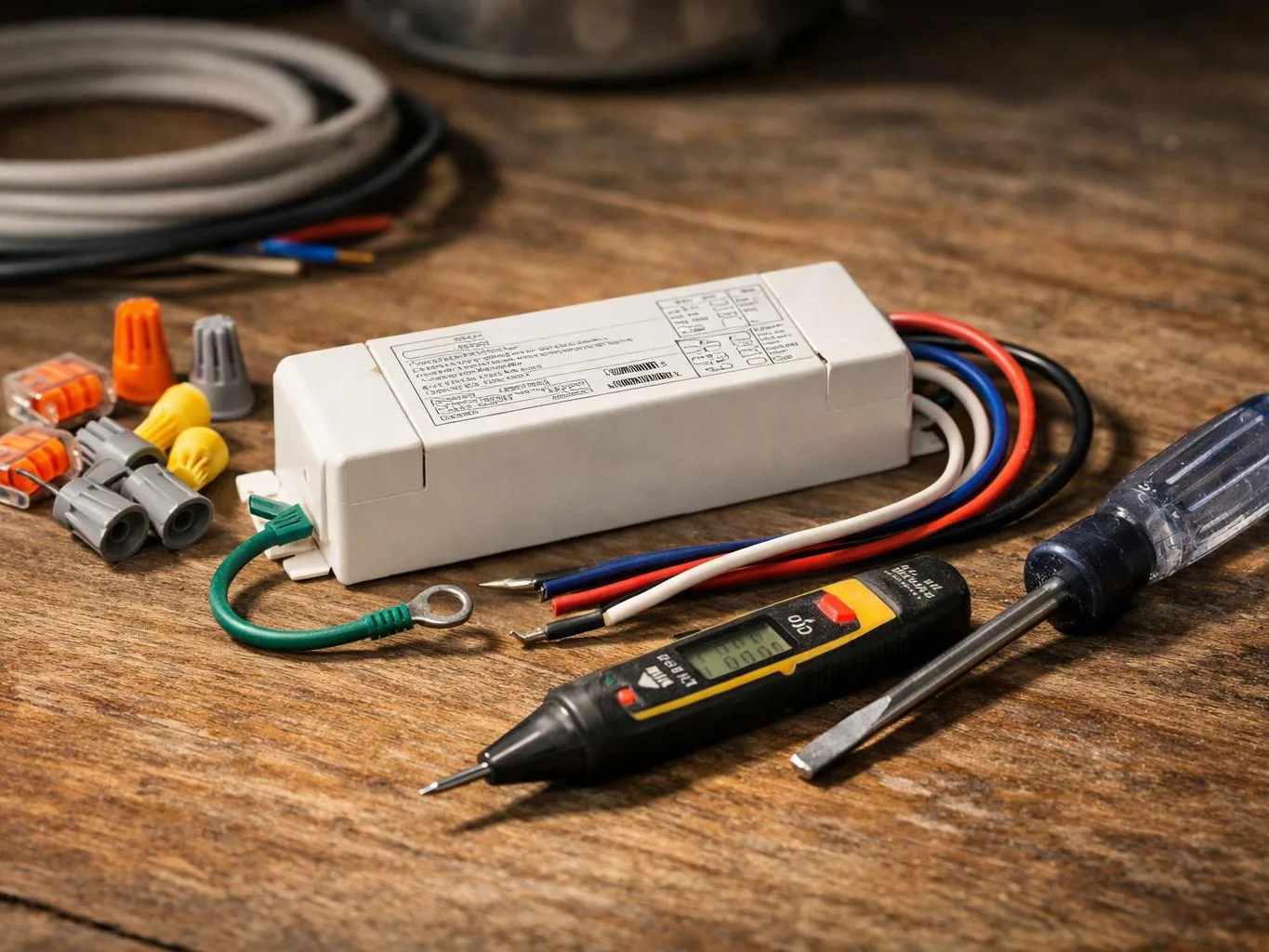
Flickering can come from a loose connection, faulty switch, damaged fixture, or circuit problem. We test the fixture and inspect the box, wiring, switch, and breaker to find the cause. Customers should stop using the light if flickering comes with heat, buzzing, burning odor, or sparks.
What should be checked before indoor lighting is scheduled?
The fixture, mounting location, switch plan, ceiling access, existing wiring, and circuit should be checked first. Customers should gather the fixture details and note any lighting symptoms. We use that information to set the installation scope, identify related electrical work, and prepare an estimate.