Who installs indoor lighting for homes and businesses?
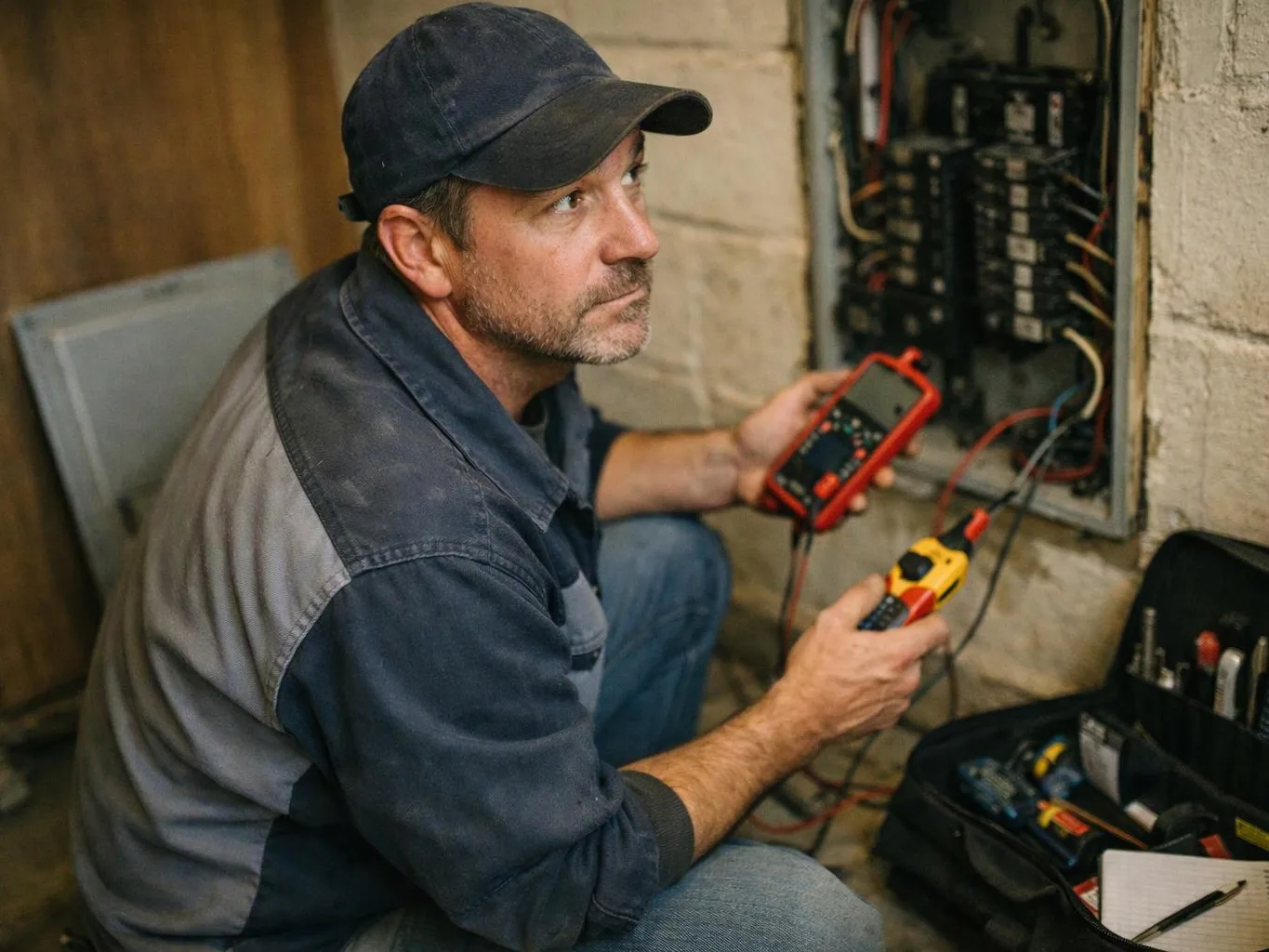
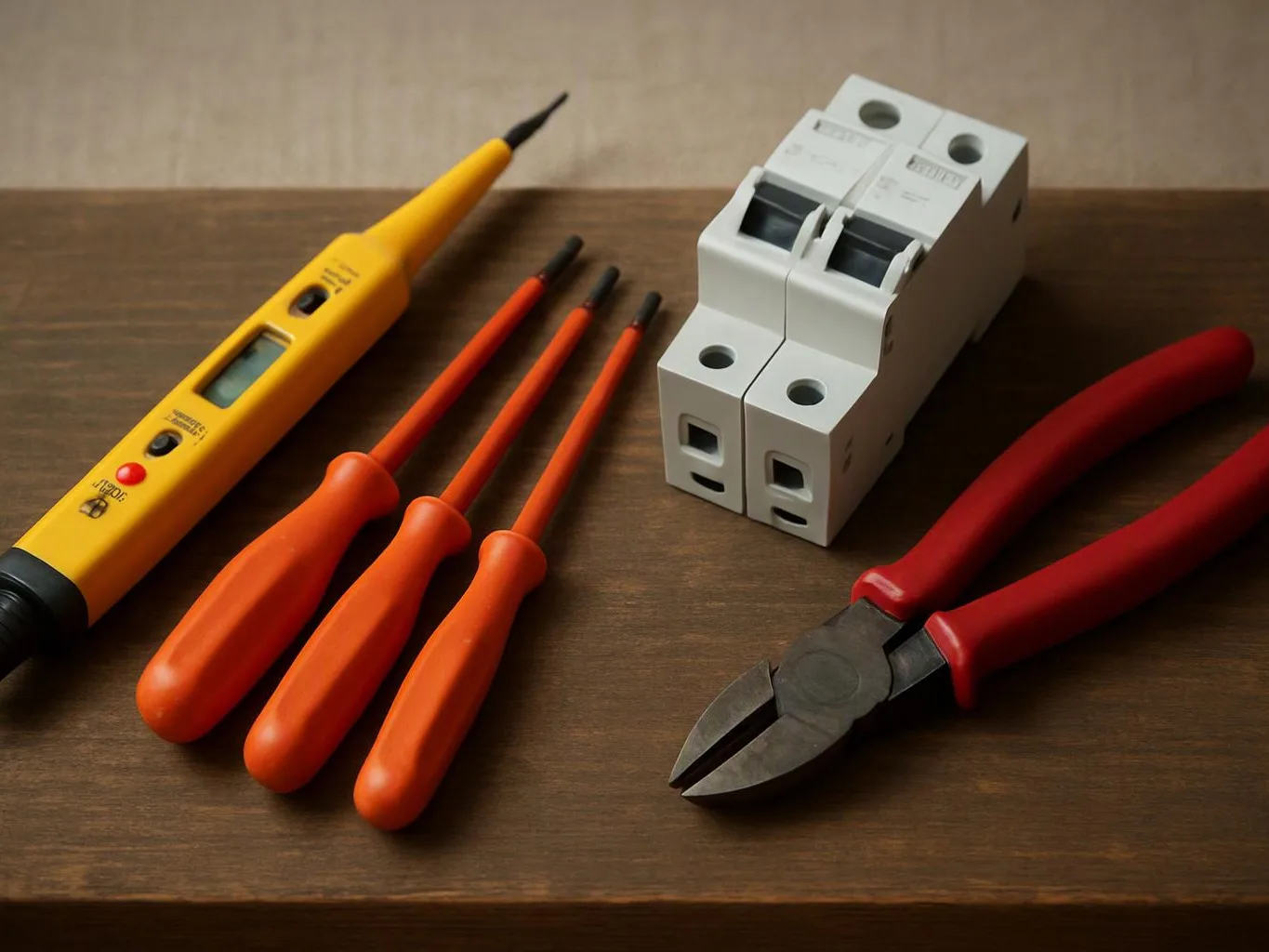
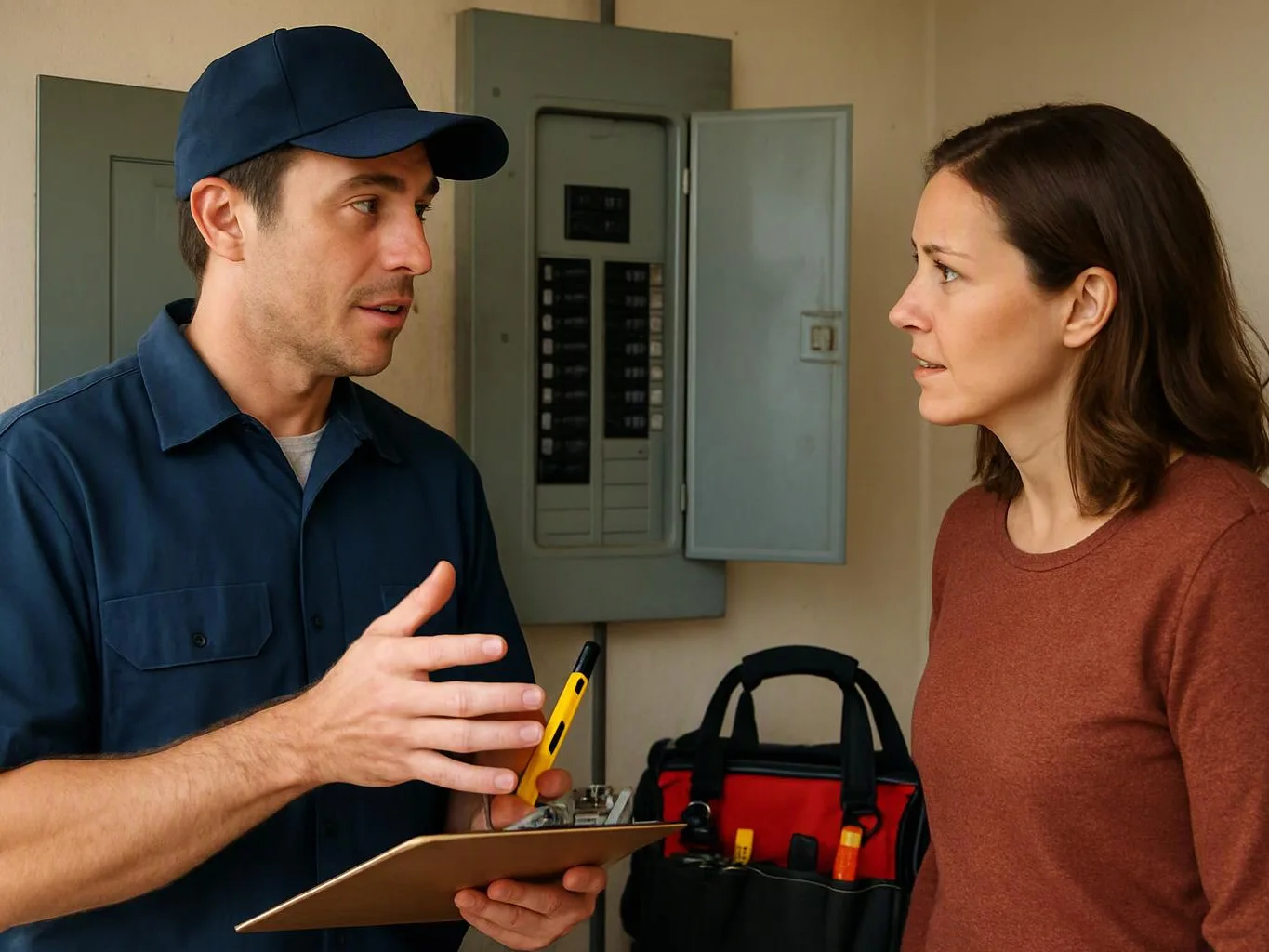
Toledo Electrician installs indoor lighting for residential and commercial properties. We handle fixture connections, switch wiring, circuit checks, and testing. The work can cover a single room or a broader lighting change, depending on the property and planned layout. We review the existing electrical system before preparing a free estimate.
Which part of the property decides the lighting scope?
The room layout, ceiling access, fixture locations, switch positions, and existing circuit decide the lighting scope. We check the electrical box and wiring before selecting the installation method. Recessed lights may need ceiling access, while a new wall fixture may need a different wiring path. The property condition shapes the work plan.
Which material changes how long the lighting work takes?
The existing wiring and ceiling material can change the installation work. Drywall, finished ceilings, wood framing, and difficult access affect how we reach the fixture location. We inspect the route before setting the scope. A quote should account for fixture mounting, wire access, switch work, and any repair needed around the opening.
How does a lighting visit move from the first call to the last step?
The visit moves from a lighting review to circuit checks, installation, and final testing.
- We discuss the rooms, fixtures, switches, and lighting goal.
- We inspect the circuit, box, wiring, and access.
- We connect the fixture and controls.
- We test operation and explain the completed work.
What warning signs mean a light needs electrical attention?
Flickering, buzzing, warm switch plates, sparking, and a burning smell need electrical attention. We inspect the fixture, switch, wiring, and circuit protection to find the cause. Turn off the affected light when you notice heat, smoke, or sparks. Emergency electrical service is available for urgent safety concerns.
When should lighting work include a circuit check?
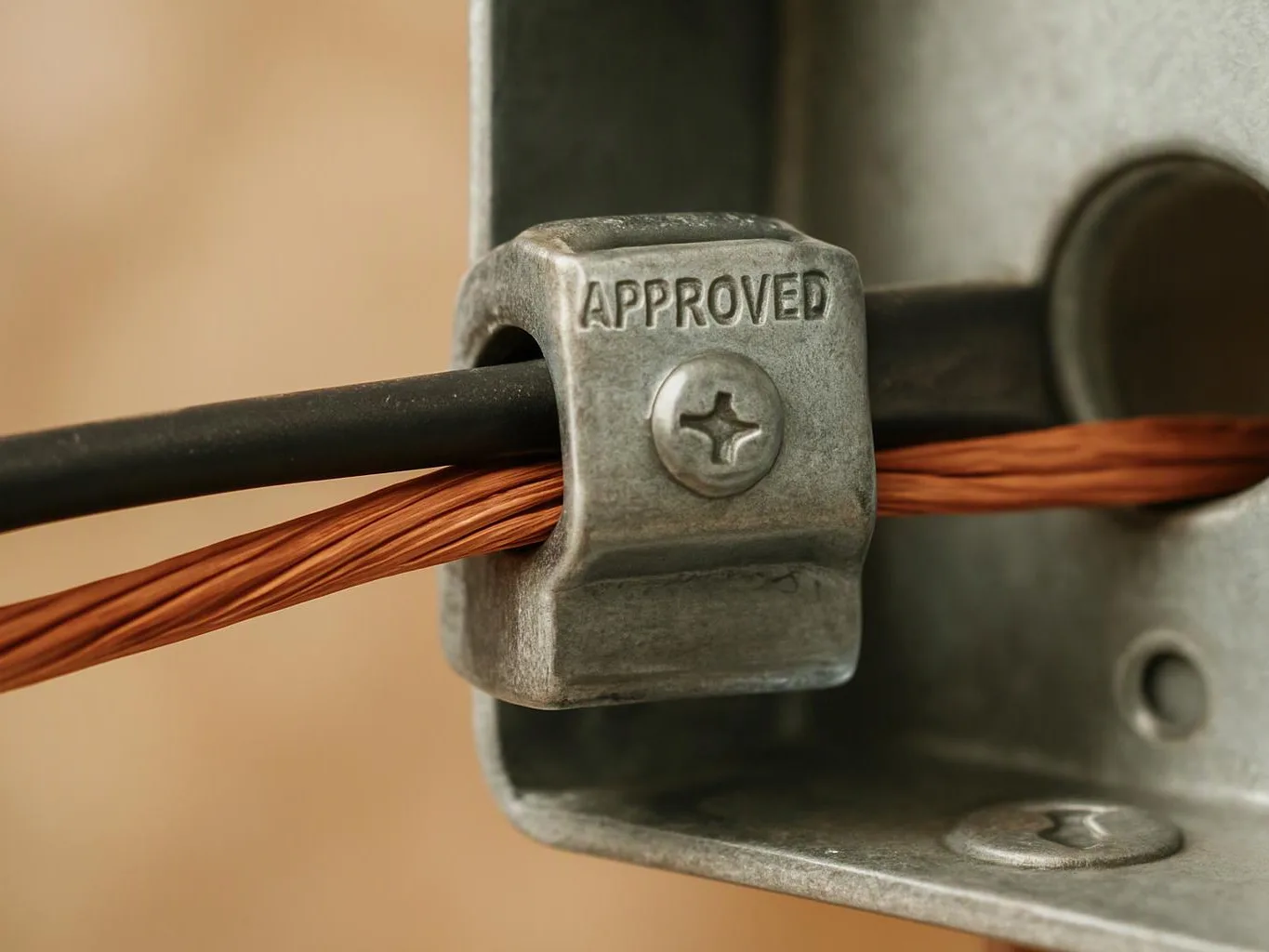
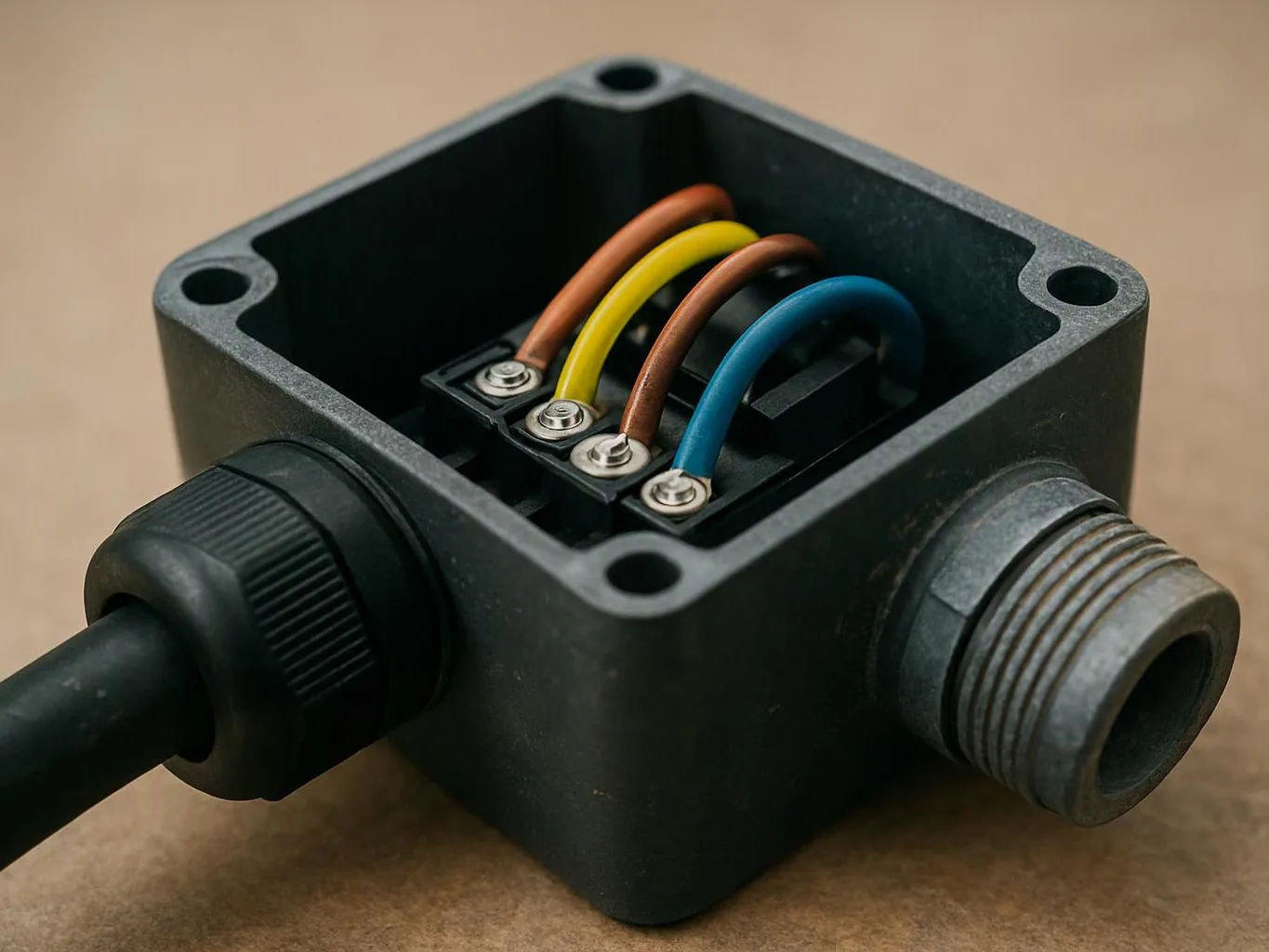
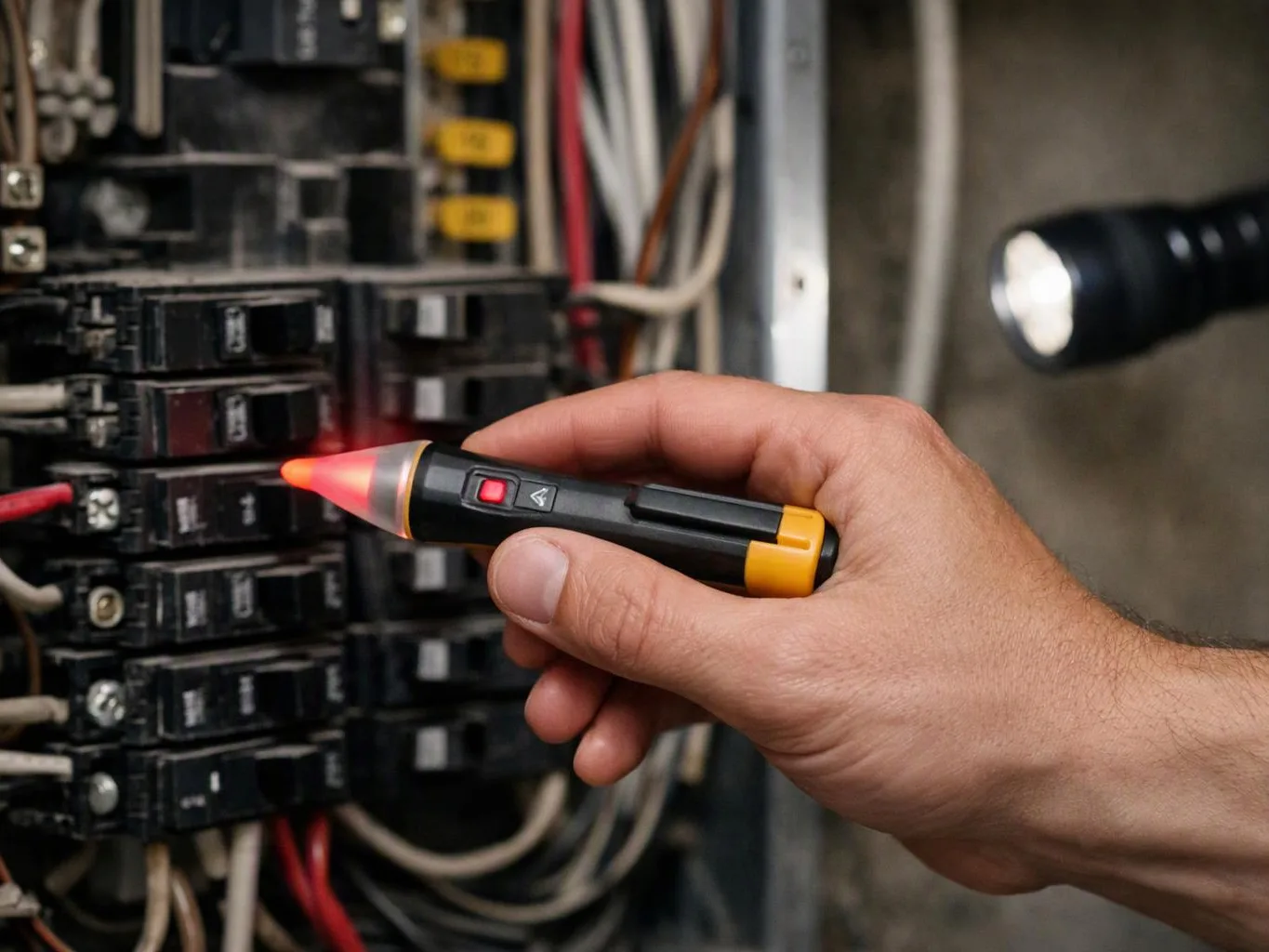
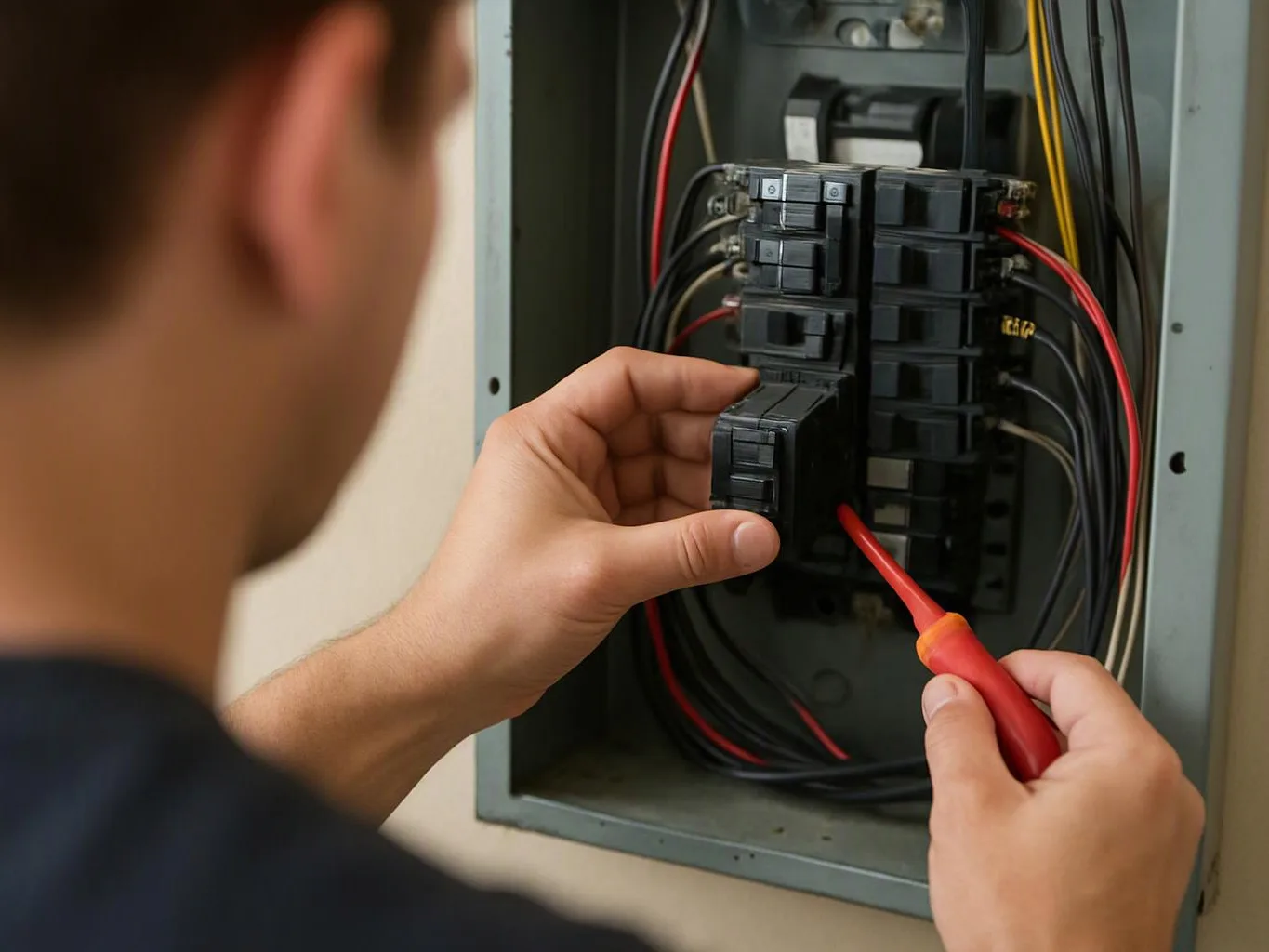
A circuit check belongs in the job when lights flicker, breakers trip, wiring is changed, or new fixtures are added. The check confirms that the circuit, breaker, wiring, and grounding suit the planned lighting. We also inspect the electrical box before mounting a fixture. This step helps separate a fixture fault from a wider electrical problem.
Why might a lighting project need a separate electrical repair?
A separate repair may be needed when the inspection finds damaged wiring, an unsafe box, grounding problems, or a breaker fault. We explain the condition before expanding the work scope. A fixture installation does not replace whole-home rewiring, panel upgrades, or utility repairs. Those needs require their own assessment and estimate.