Which outdoor fixtures suit different areas of a property?
Spotlights suit trees, walls, signs, and architectural features. Path lights suit walkways, while well lights sit in the ground near planting or feature areas. Deck lights fit steps, rails, and seating zones. We match the fixture to the area, beam direction, access, and available circuit before preparing the estimate.
How is the lighting plan matched to the property before work starts?
The lighting plan matches each fixture to the area it needs to cover. We review the property layout, walking paths, deck edges, building features, cable access, and power source. Fixture aim and cable routing then shape the work scope. This approach keeps the estimate tied to the actual property.
What should be ready before outdoor lighting installation starts?
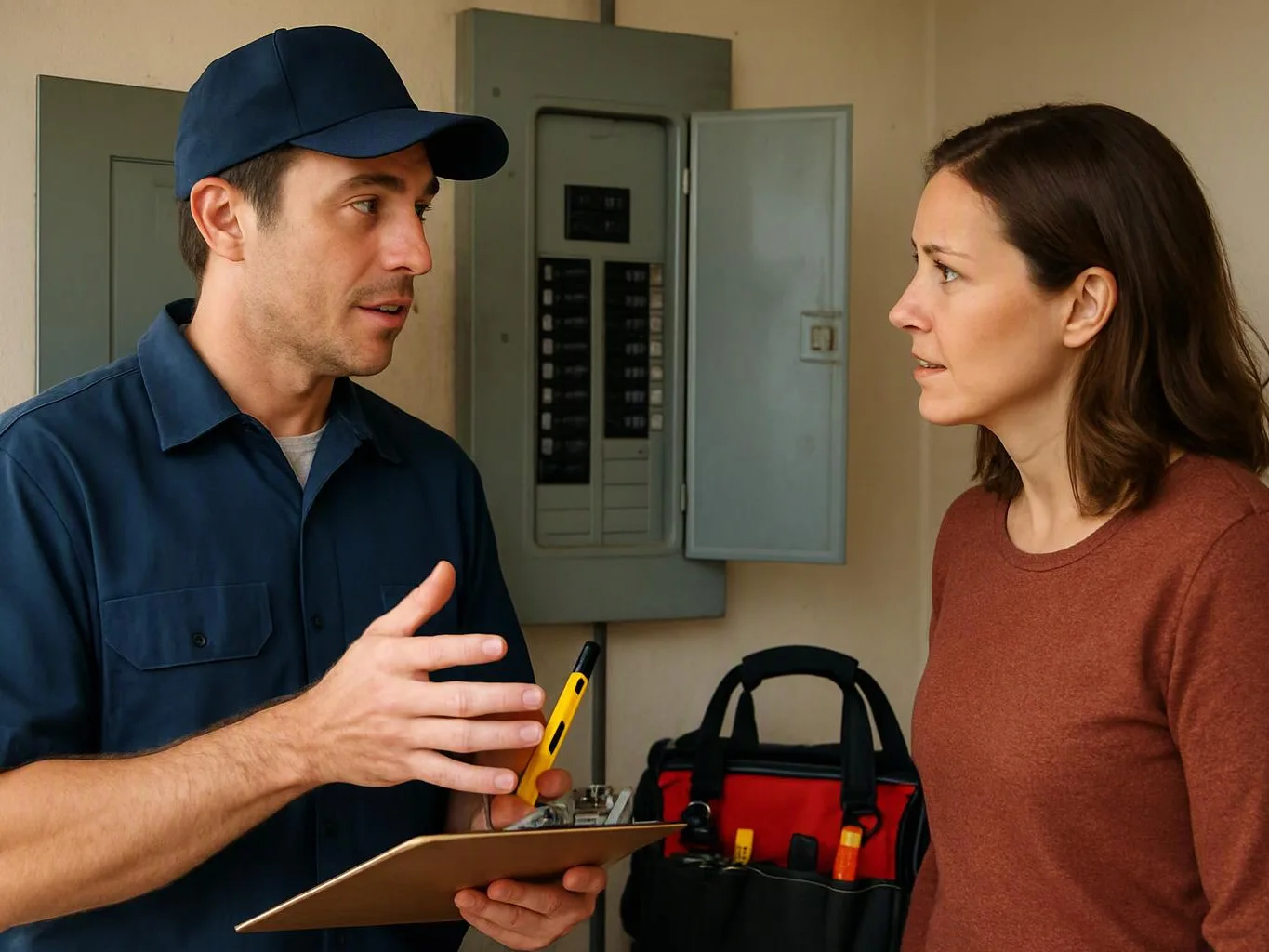
The desired lighting areas and accessible power source should be ready for review. We need to know which paths, decks, trees, walls, or entries you want lit. Clear access to the electrical panel and proposed fixture locations also helps us inspect the circuit and plan the cable route.
Which property condition changes the installation time?
Hardscape, buried lines, restricted access, and the distance to the power source can change the installation time. We review those conditions before setting the work scope. Existing wiring damage or an overloaded circuit can also require electrical repair before the new fixtures are connected.
Why do landscape lights look uneven after installation?
Uneven lighting often comes from poor fixture spacing, incorrect beam aim, weak connections, or a circuit problem. We check the fixture position, cable path, connection points, and power delivery. Adjusting the layout may solve the issue, but damaged wiring needs a separate repair step.
What makes the estimate change for a spotlight plan?
A spotlight estimate changes with fixture count, mounting or placement needs, cable distance, circuit access, and any repair work. We review those items on the property and describe the included work. Free estimates let you compare the proposed scope before approving the installation.
When should outdoor lighting receive an electrical inspection?
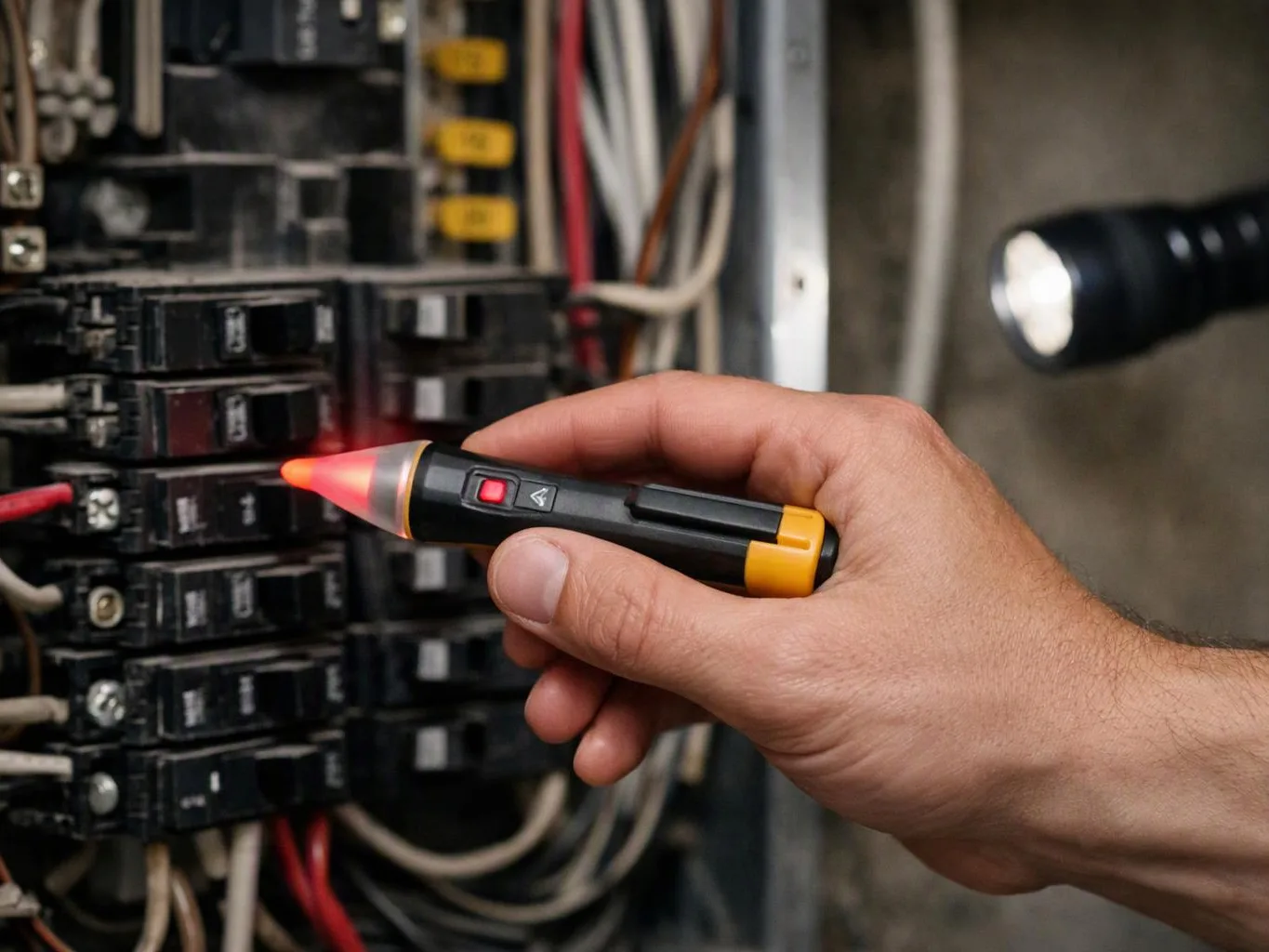
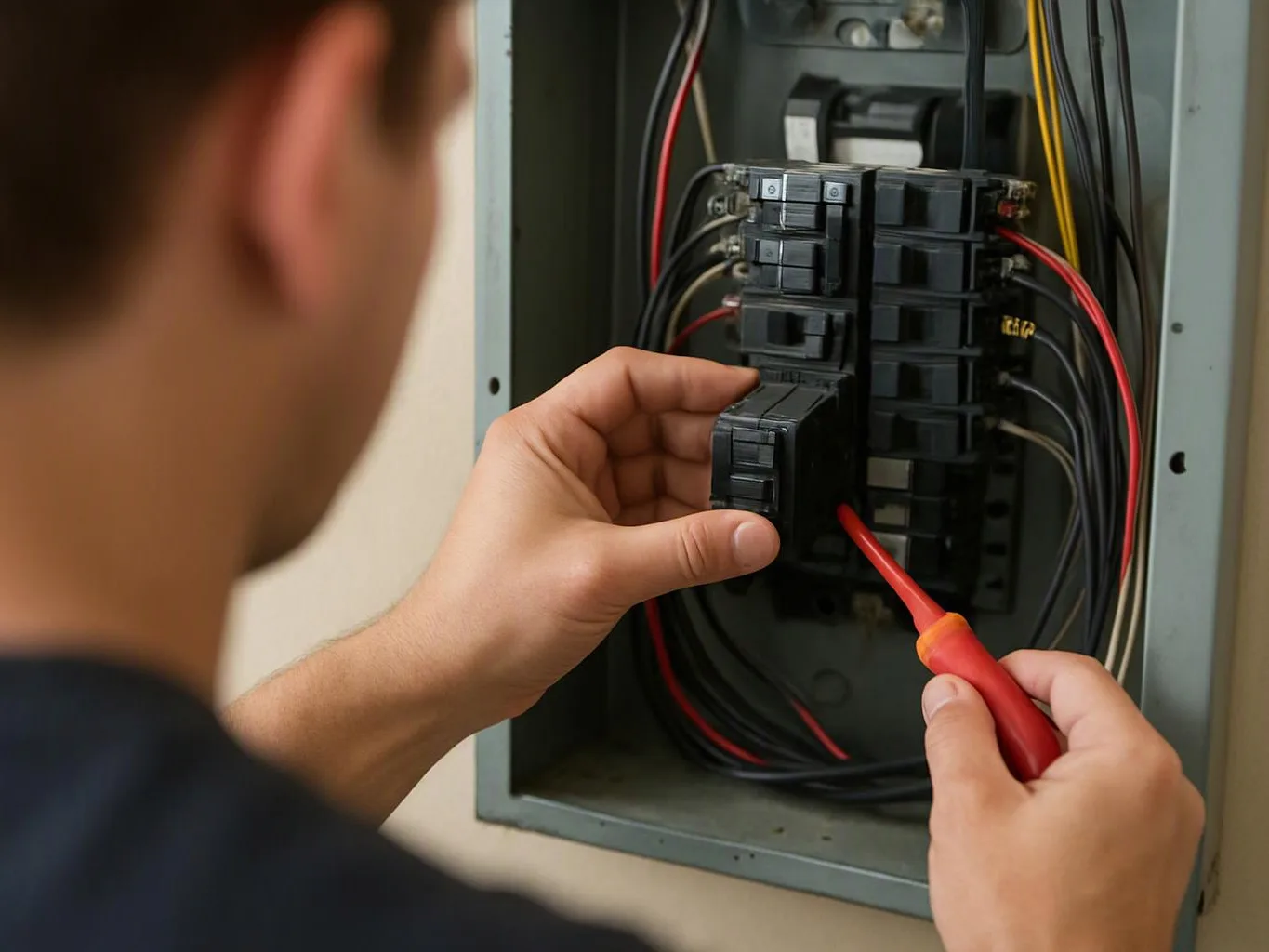
An electrical inspection is useful when lights trip a breaker, flicker, spark, or show signs of damaged wiring. We isolate the affected circuit and check the connections before recommending new fixtures. Stop using a circuit that produces a burning smell or repeated trips until it receives an electrical assessment.