What outlet problems can create electrical shock hazards?
Exposed wiring, a missing cover, reverse polarity, an open ground, and moisture damage can create shock hazards. Toledo Electrician checks the receptacle, box, conductors, and circuit before repairing the issue. Keep the outlet unused if you see exposed metal, water damage, or a loose cover. We also check whether the fault reaches another outlet or breaker.
Which part of the property decides the scope of outlet repair?
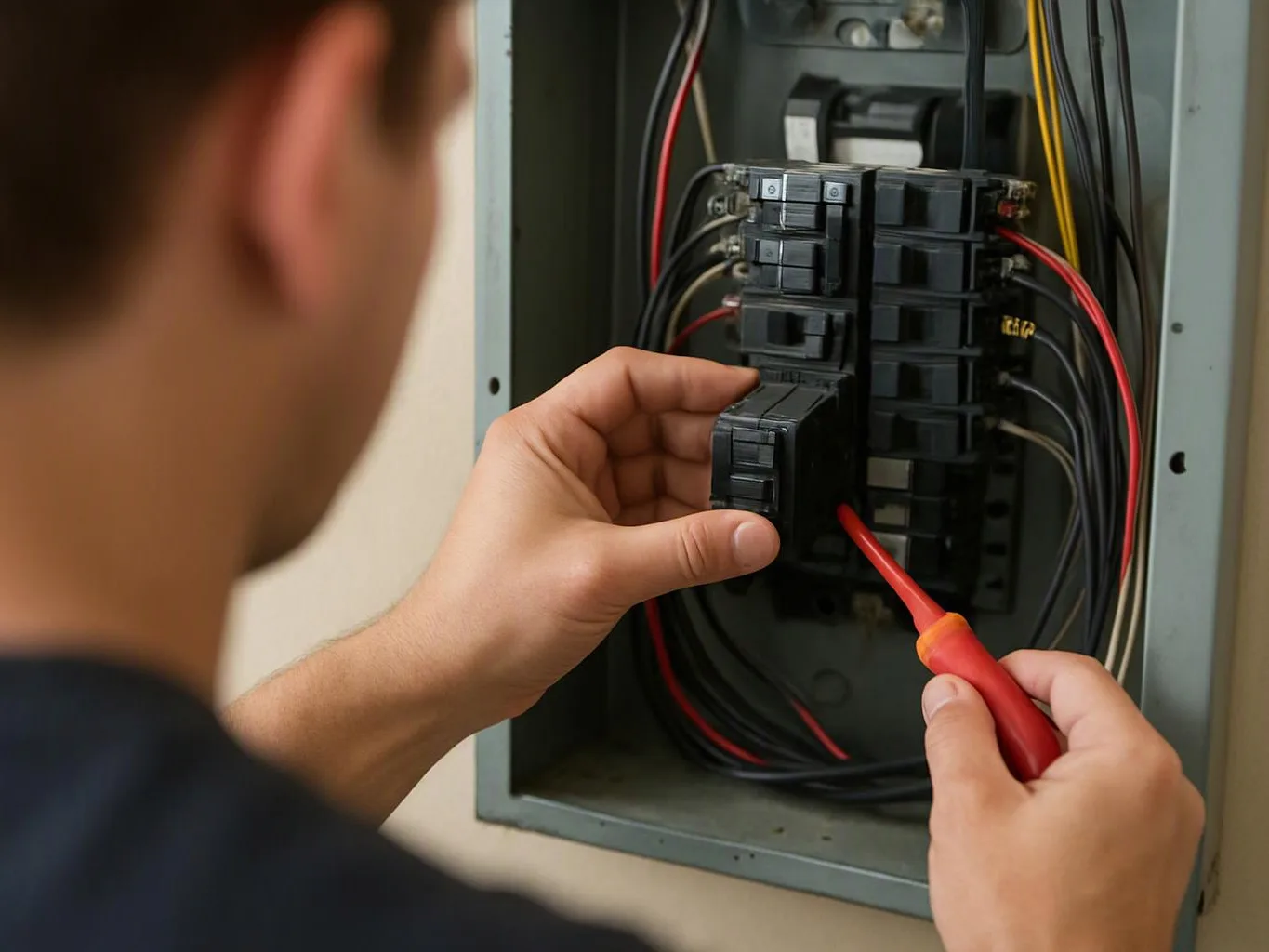
The affected circuit and outlet box decide the repair scope. We inspect the receptacle, conductors, breaker connection, and nearby outlets before setting the work. A damaged receptacle may need focused repair, while faulty wiring across the circuit can call for broader electrical work. Access to the box also affects how we complete the repair.
Which material changes how long outlet repair takes?
The wiring material and its condition can change the work involved. Copper conductors, aluminum wiring, damaged insulation, and older outlet parts require different checks. We identify the material, inspect each connection, and explain the repair path before work begins. We don't treat a visible outlet problem as isolated without checking its circuit.
How does an outlet repair visit move from the first call to the last step?
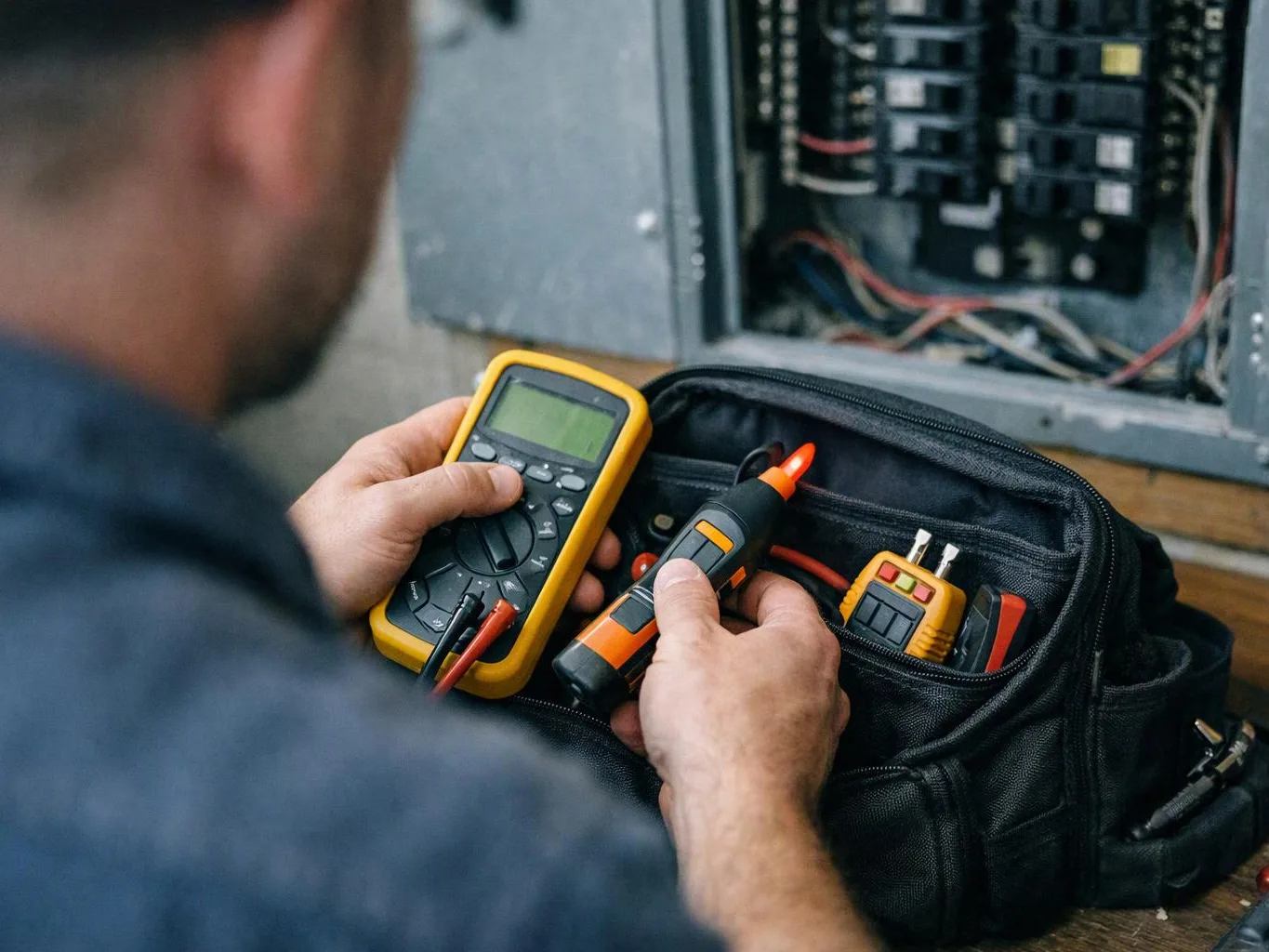
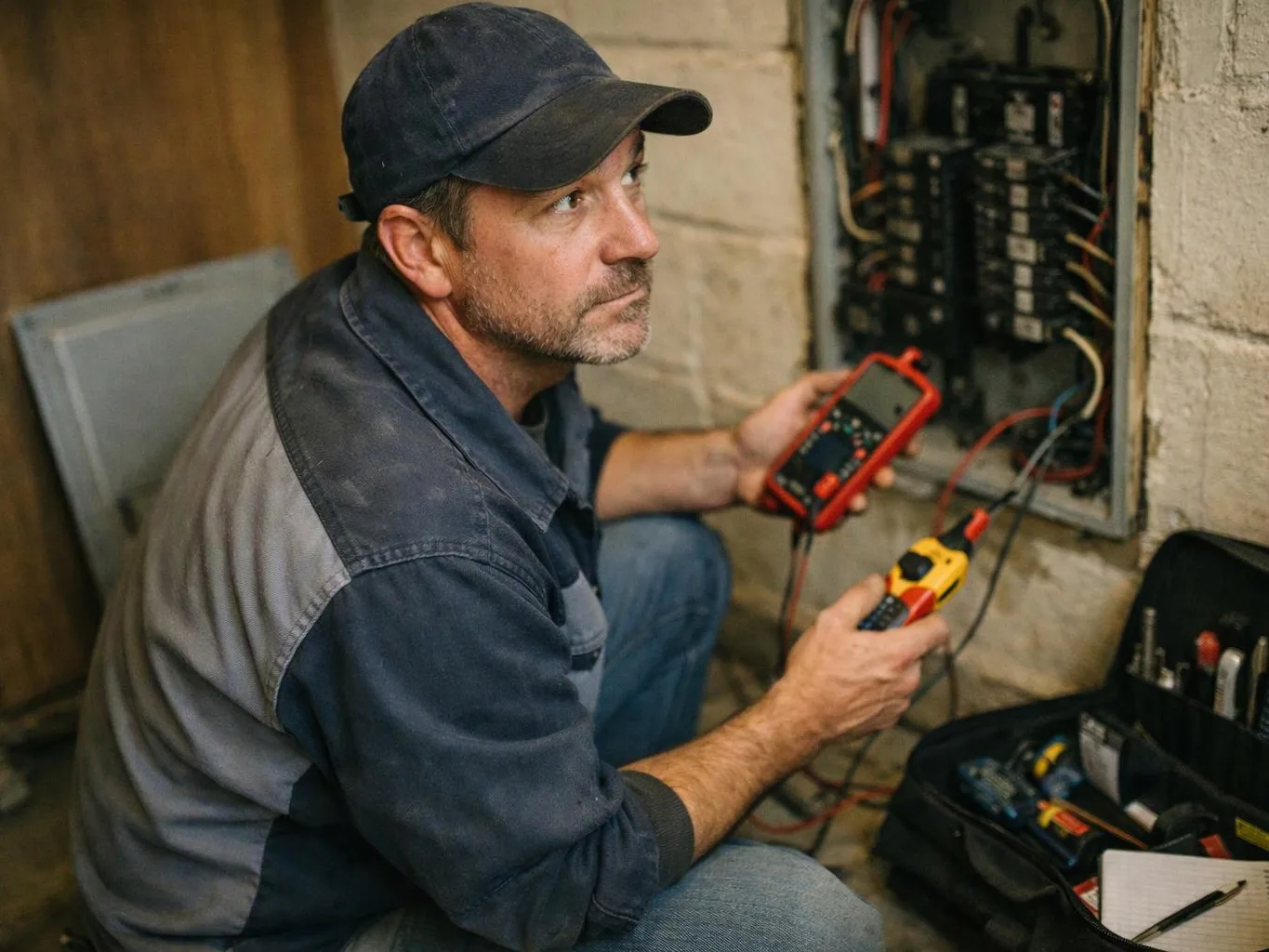
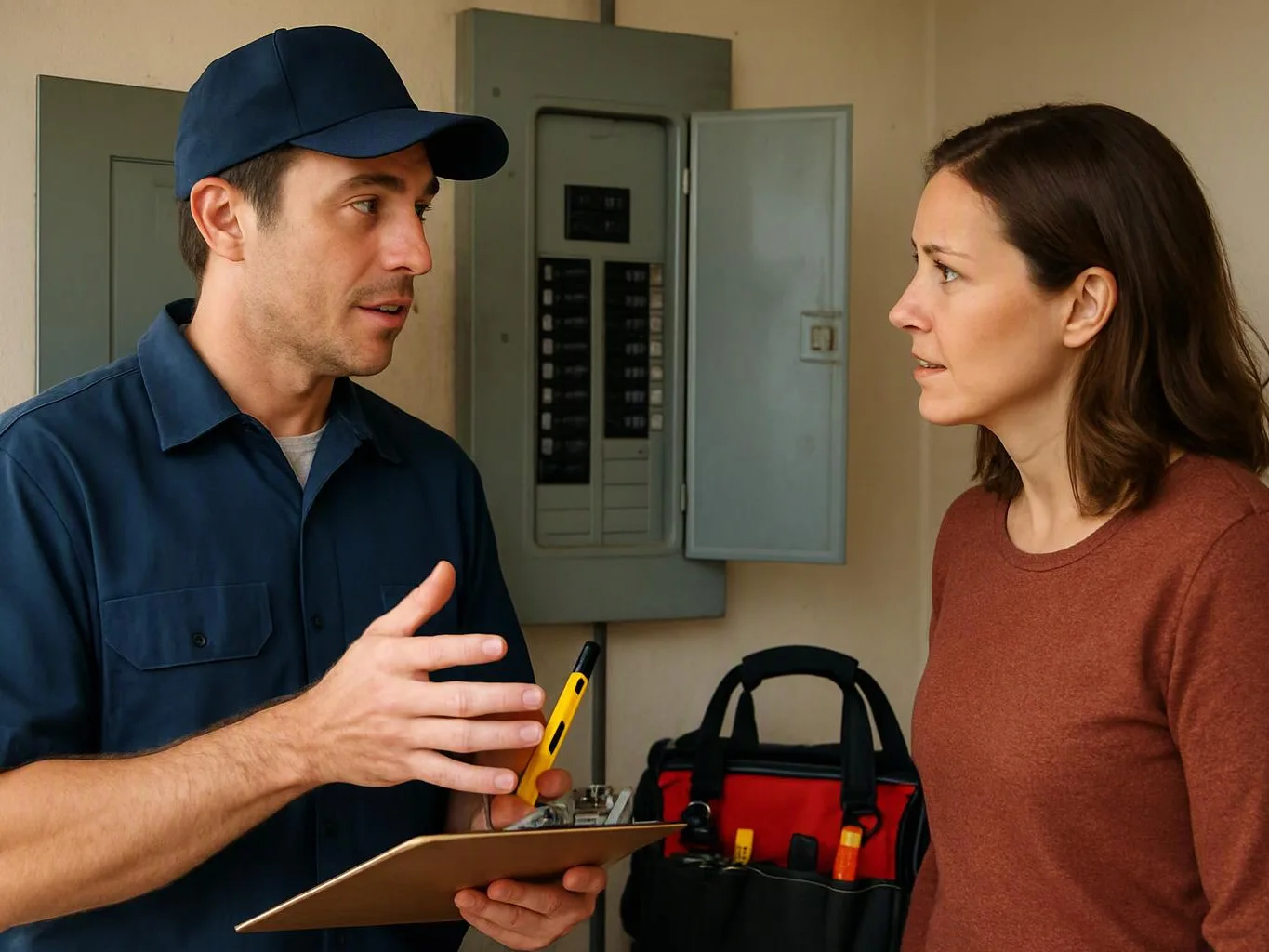
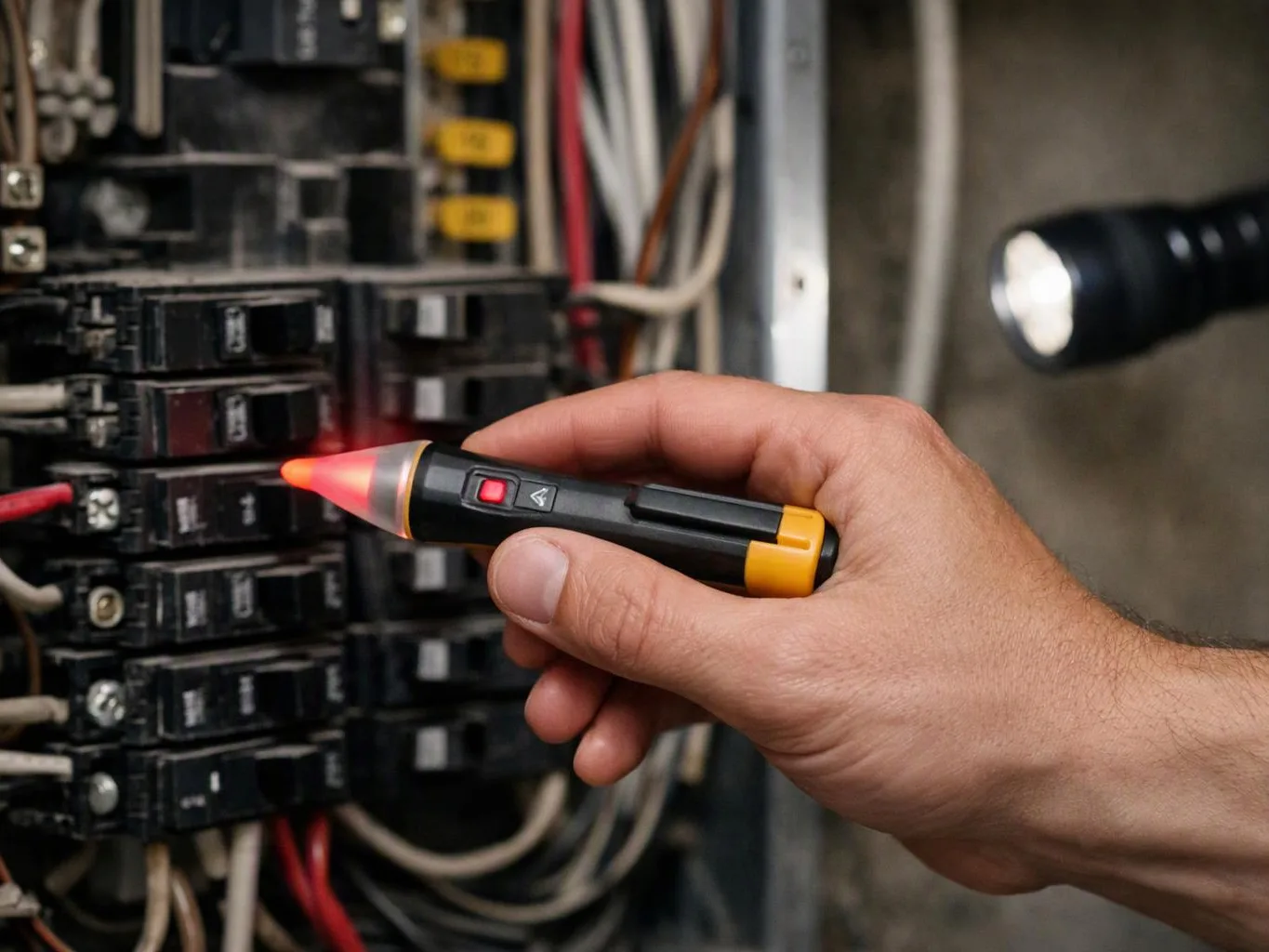
An outlet repair visit starts with a symptom review and an inspection, then moves through circuit isolation, testing, repair, and verification. Toledo Electrician checks the outlet and wiring before explaining the work. We test the finished connection and identify any separate panel or rewiring need. A free estimate is available for the requested work.
When should I stop using a damaged outlet?
Stop using an outlet when it sparks, exposes wiring, shows moisture damage, or has a loose or missing cover. Turn off its circuit if you can do so safely, then keep people away from the receptacle. We inspect the outlet, box, and wiring to determine whether repair or broader circuit work is needed.
Why does an outlet have reverse polarity or an open ground?
Reverse polarity or an open ground usually points to an incorrect, loose, or damaged connection. We test the receptacle and trace the circuit to locate the wiring fault. The correction may involve the outlet, another connection, or the circuit path. We verify polarity and grounding after completing the repair.
What should I do before requesting help for moisture damage?
Keep the area dry and stop using the affected receptacle before requesting electrical help. If you can safely identify its breaker, switch that circuit off. We inspect the outlet, box, wiring, and nearby source of damage, then explain whether the receptacle needs repair or whether more electrical work is involved.