How can color rendering improve security lighting visibility?
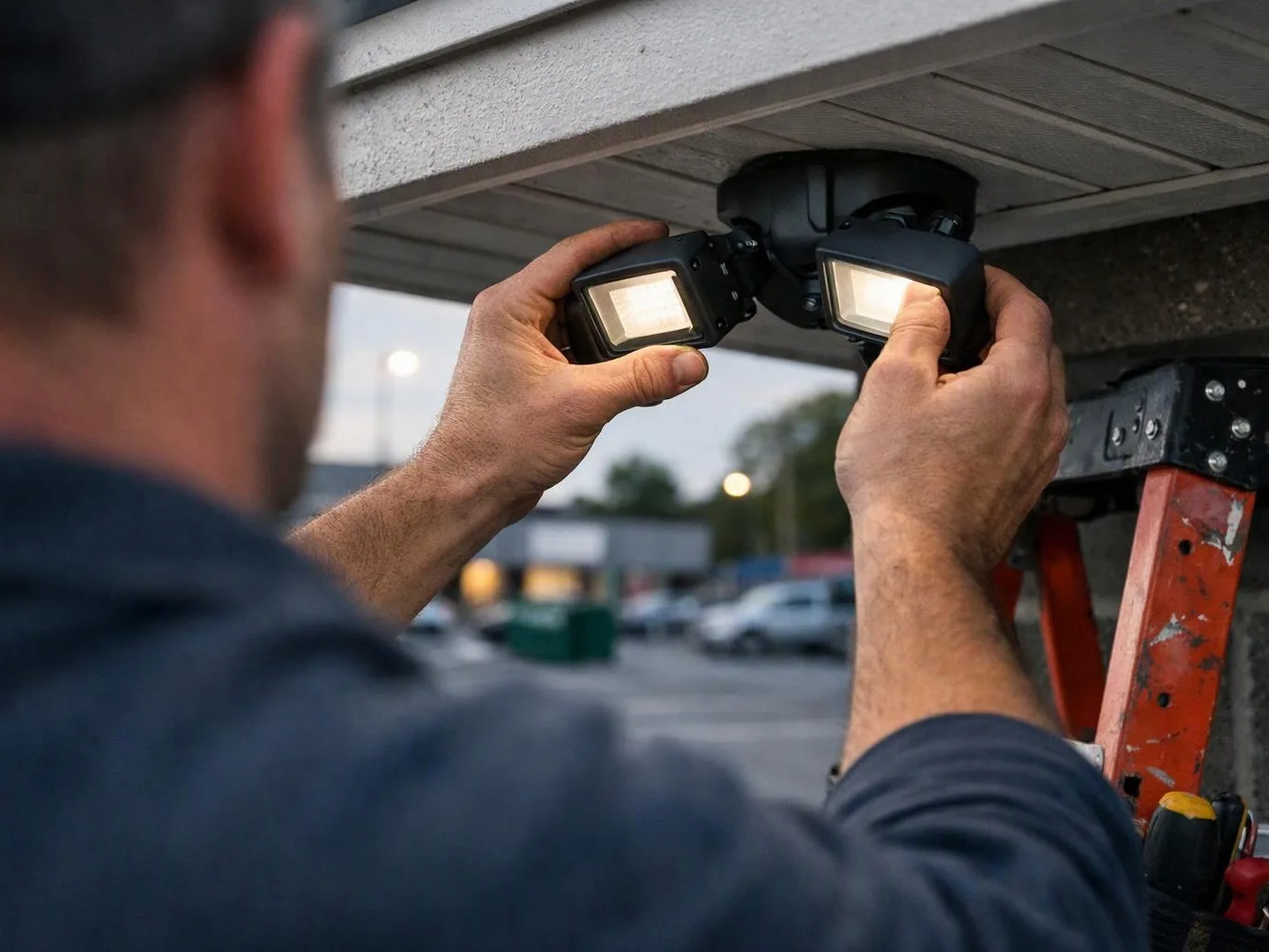
We consider the viewing task, fixture position, beam spread, and surrounding glare. Better color detail helps at doors and paths, but the circuit and coverage still need inspection. Our plan combines light quality with safe electrical work.
What does the crew look at first during security lighting installation?
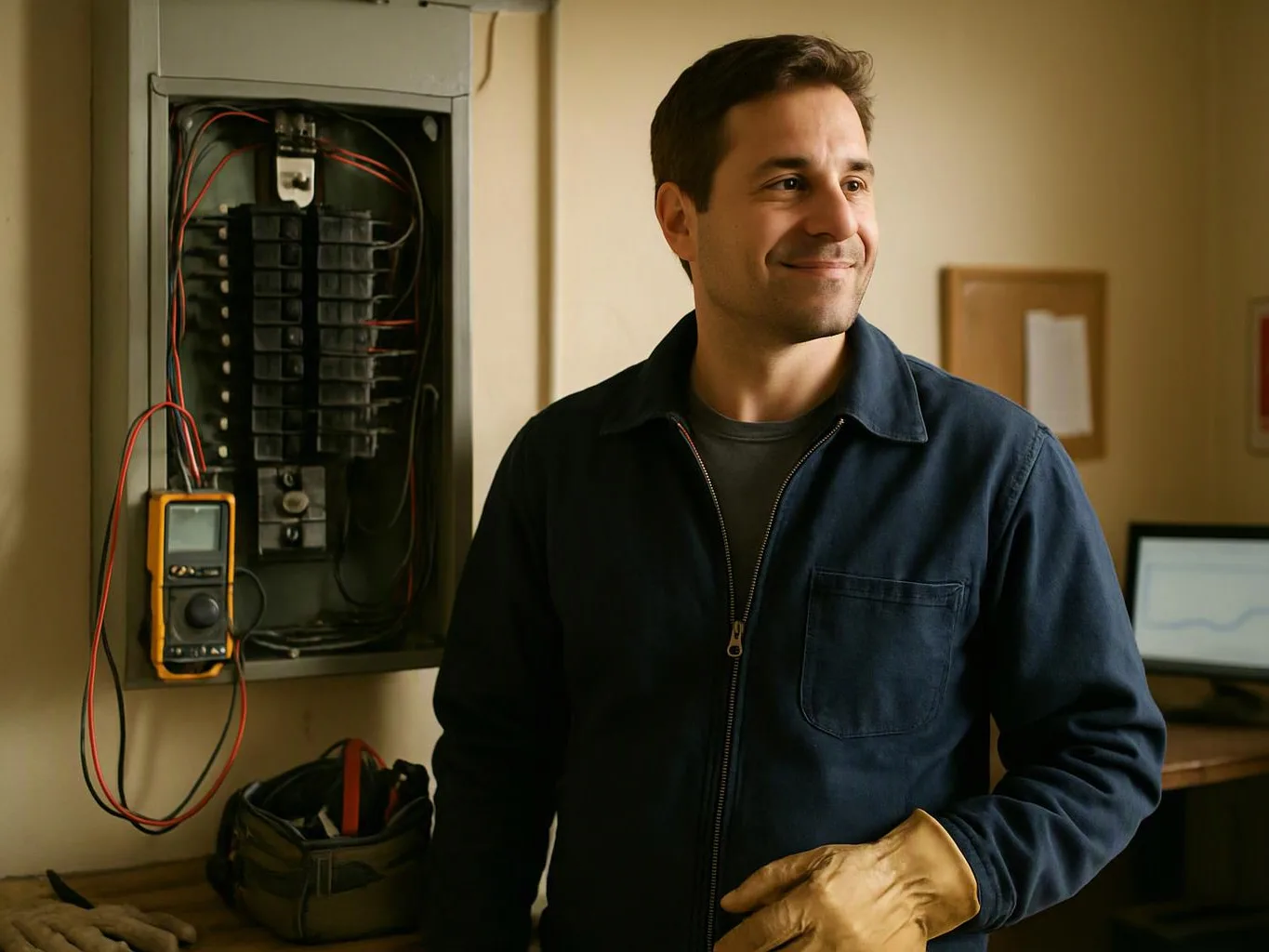
The first review covers the existing circuit, switch, fixture point, and area that needs light. We then check mounting access, beam direction, glare, and shadows. This order helps us separate a lighting problem from a wiring problem. The findings guide the estimate and the installation scope.
What should be checked before security lighting is scheduled?
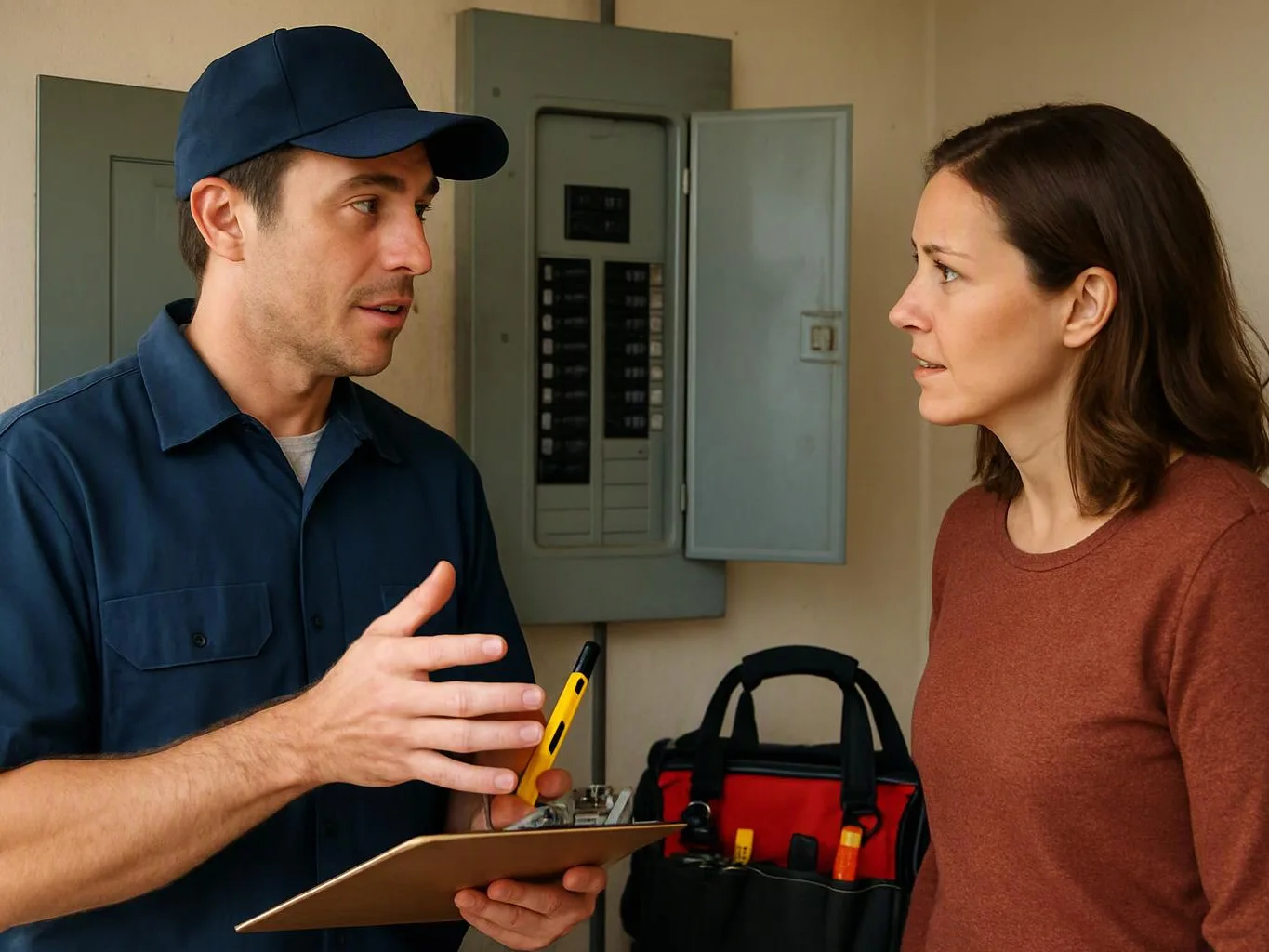
The property owner should identify the dark area, desired viewing direction, fixture location, and any known wiring concern. Photos of the light, switch, panel, and access path can help. We use those details to plan the assessment, identify access needs, and prepare a quote for the intended work.
Who is a good fit for security lighting installation?
Homeowners, businesses, property managers, and other property owners are good fits when they need better visibility from installed lighting. The service suits dark entrances, paths, building edges, and work areas. A whole-property outage or major rewiring concern needs a broader electrical assessment before lighting work is planned.
Which lighting problem points to glare instead of weak output?
Glare is more likely when the area looks bright but faces, doors, or surfaces remain hard to distinguish. We check the viewing angle, fixture aim, lens, and reflective surfaces. Adjusting the beam or changing the fixture position may improve useful visibility without simply adding more light.
When should a security light receive a circuit inspection?
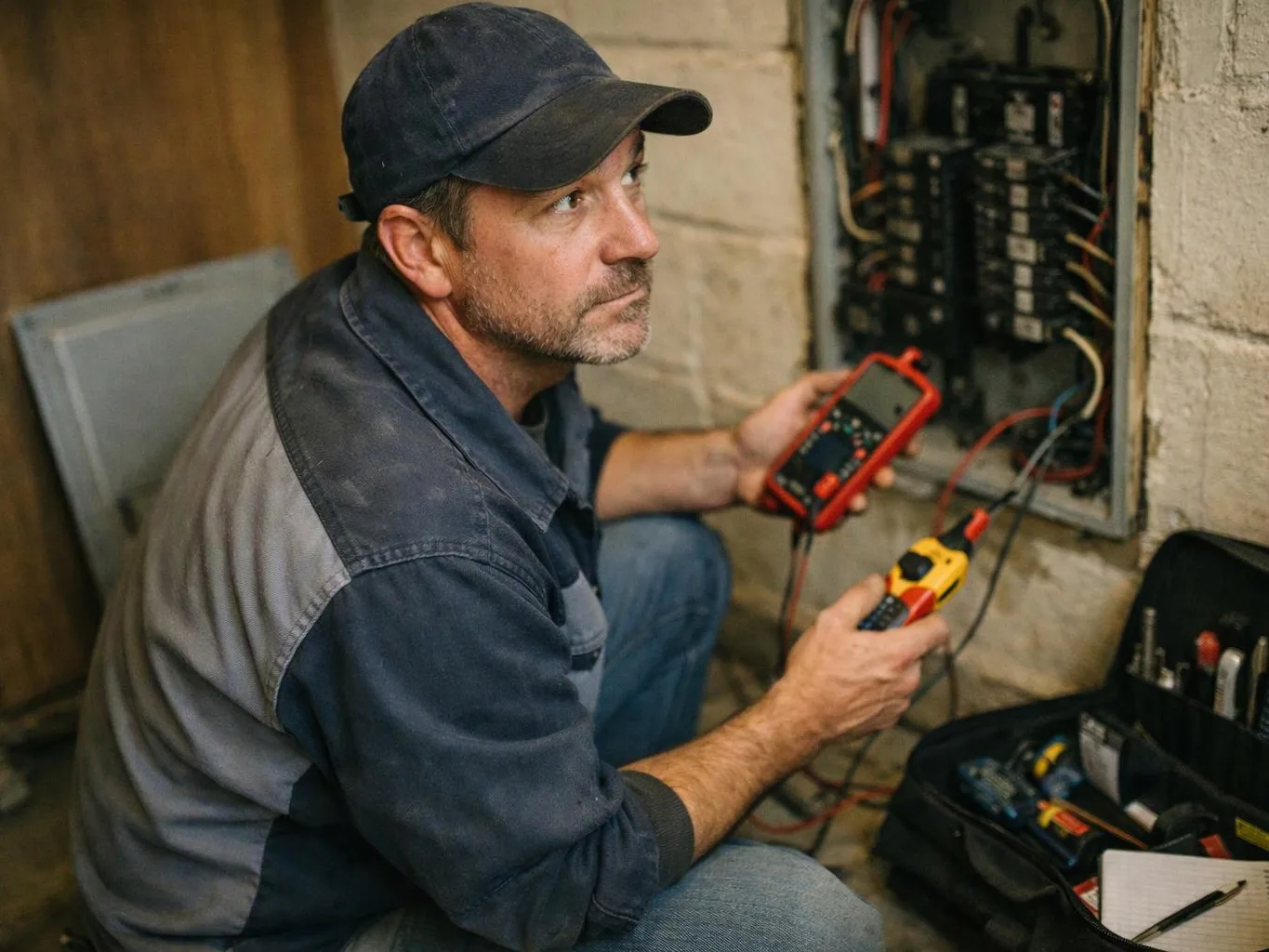
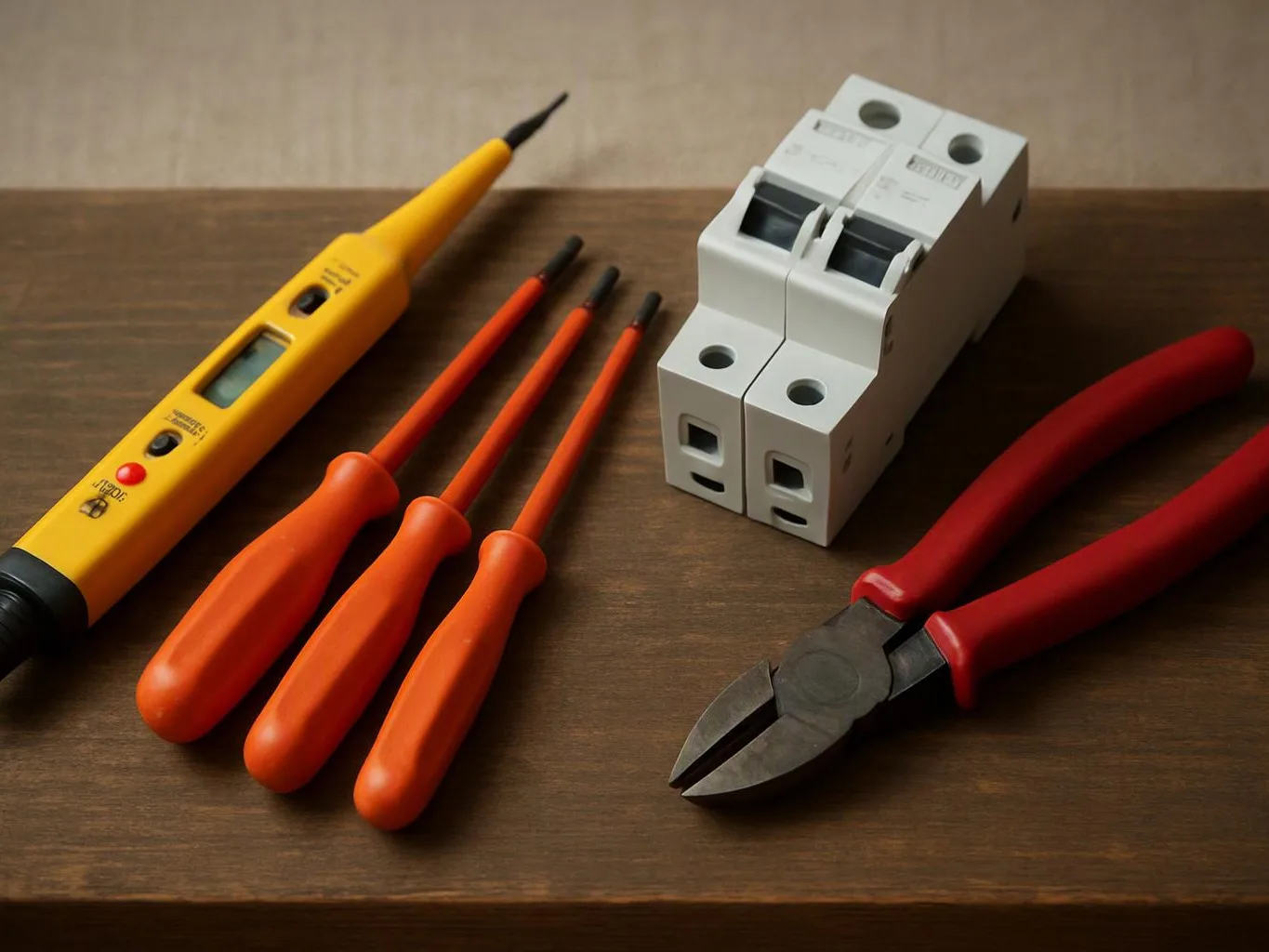
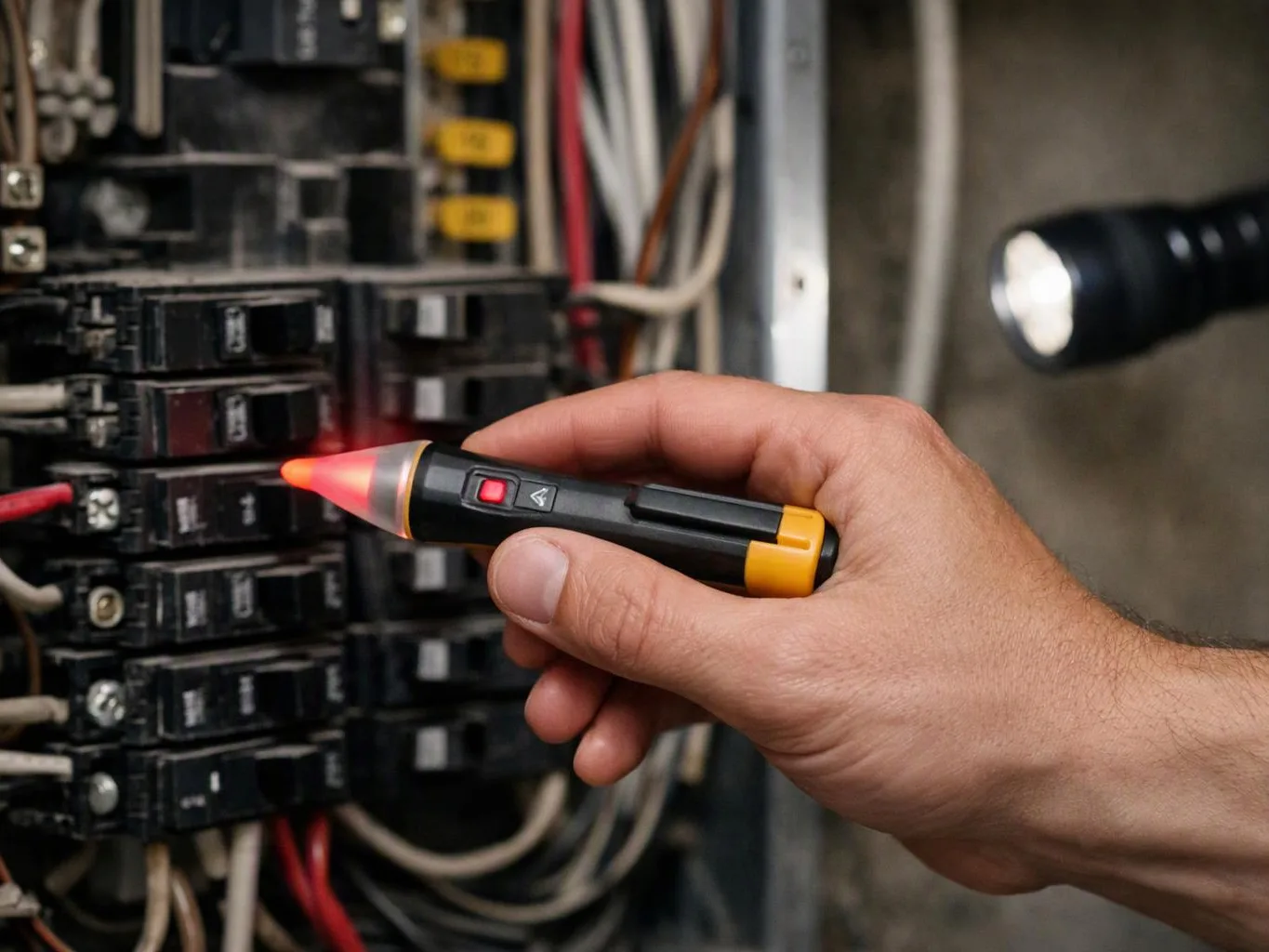
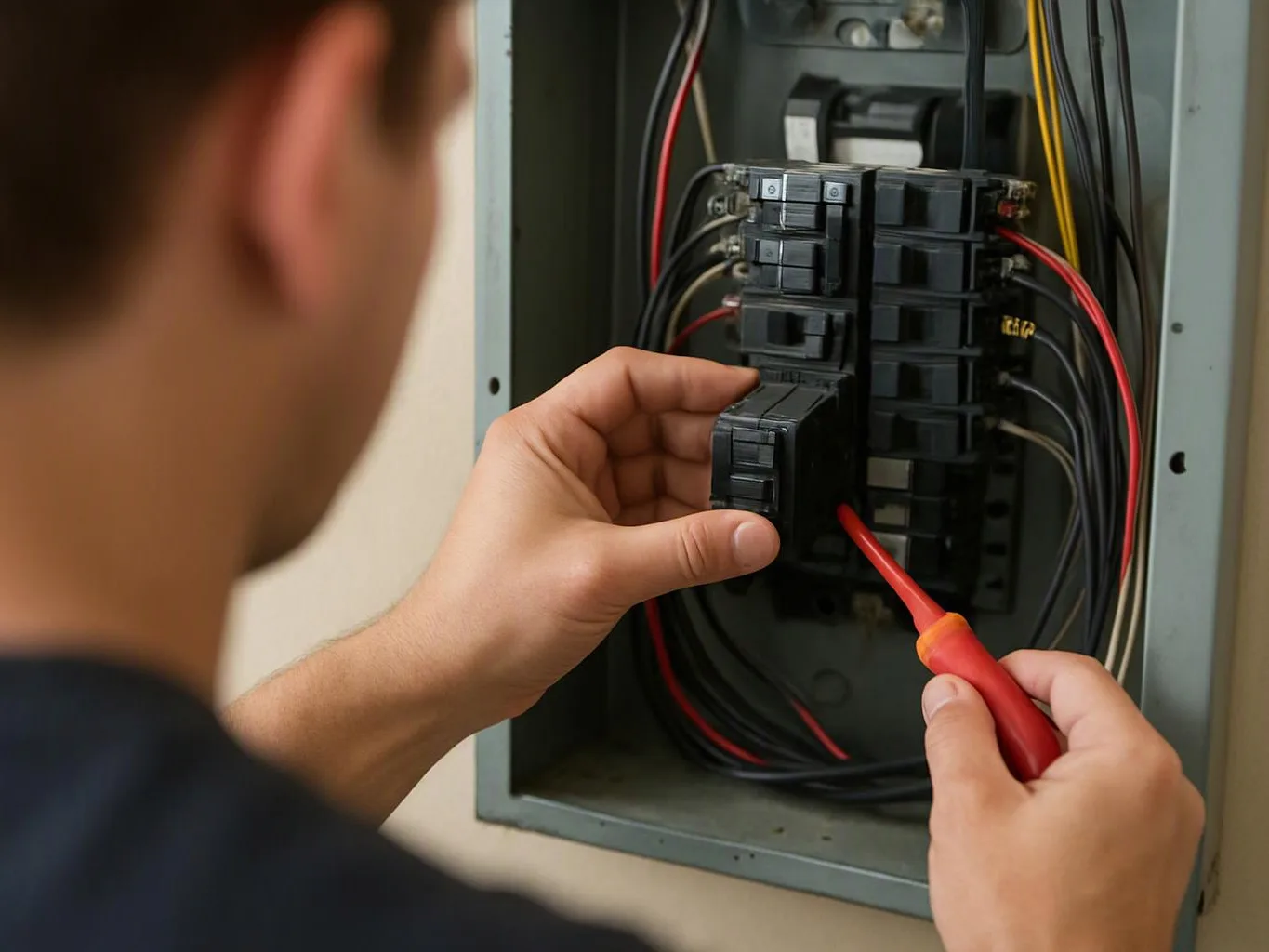
A circuit inspection is appropriate when a light flickers, trips a breaker, has dead operation, or shares a circuit with uncertain wiring. We trace the switch and supply, inspect connections, and test the circuit. A burning smell or buzzing panel calls for urgent electrical attention before the lighting project continues.