Where should security lighting be installed around a property?
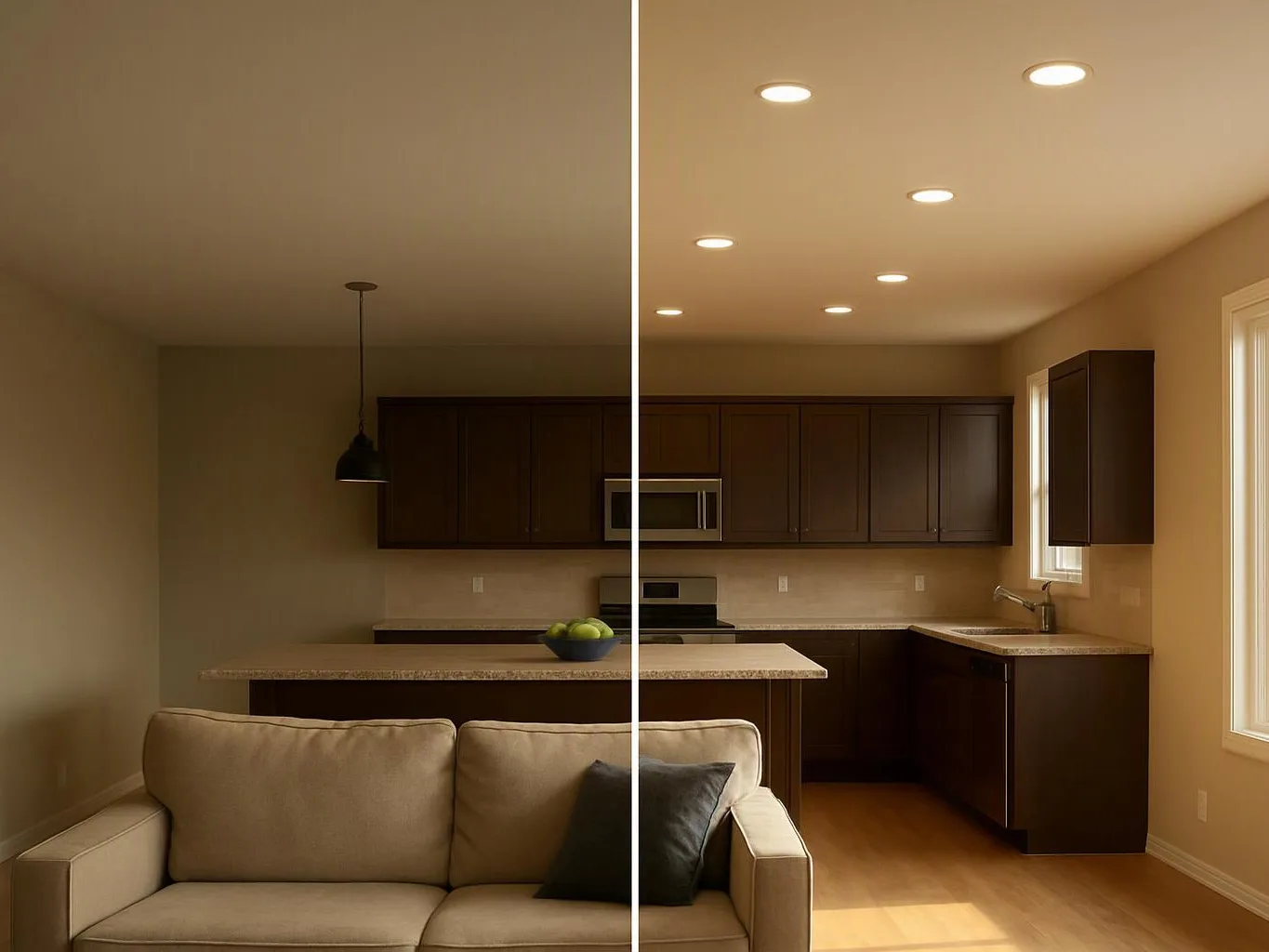
Dark corners should receive light near entry doors, driveways, and perimeter walls where access or movement needs better visibility. We assess the fixture angle, mounting surface, wiring route, and glare before installation. A light placed too high, too low, or away from the access point may leave the area unevenly covered.
Who installs security lighting for homes and businesses?
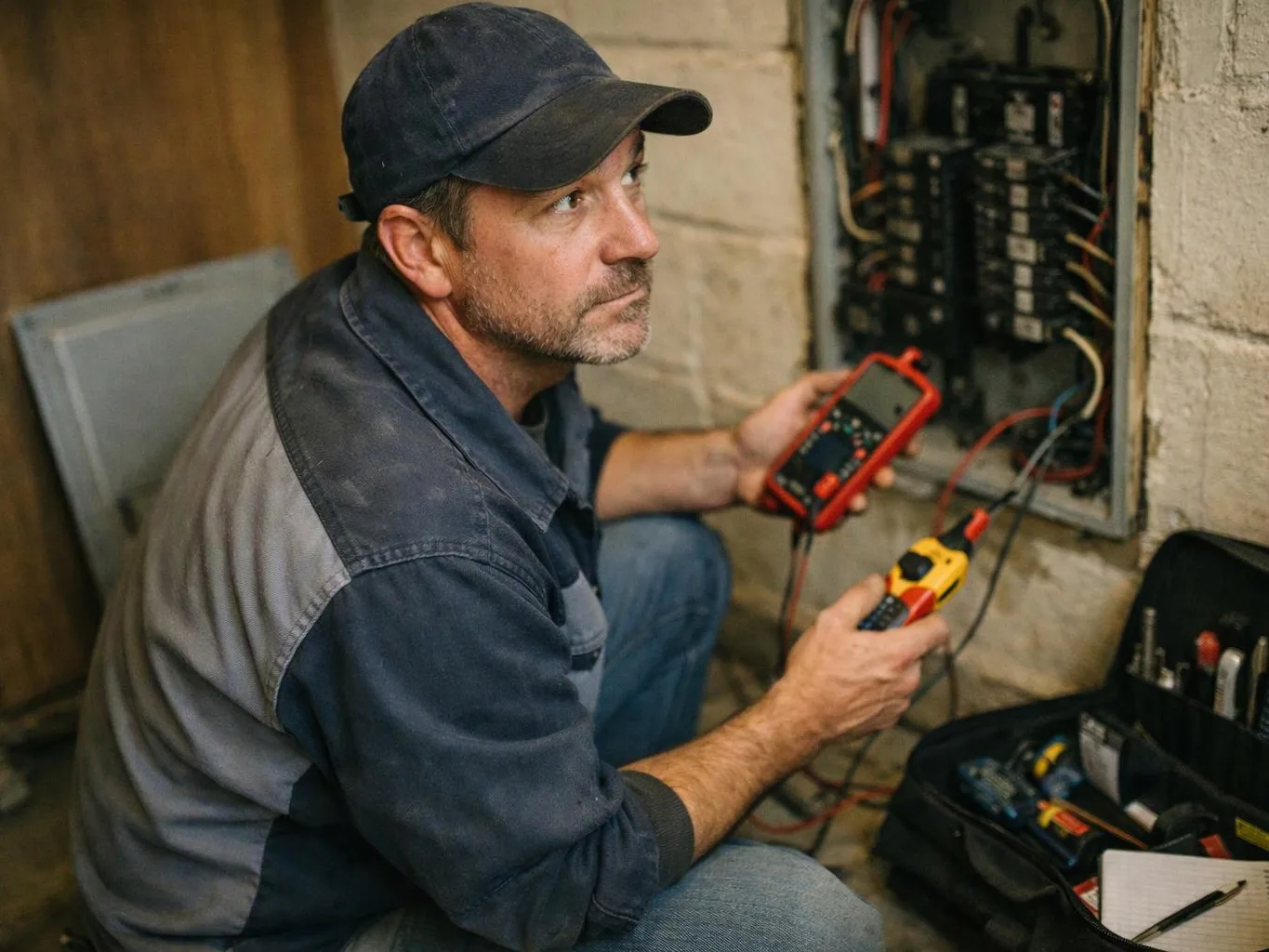
Toledo Electrician installs security lighting for residential and commercial properties. We review the planned location, inspect the circuit, connect the fixture, and test the finished work. Our electricians are licensed and insured, and we explain any wiring concern that could affect the installation.
What does the crew look at first during security lighting installation?
The lighting area comes first, including the mounting surface, access point, beam direction, and nearby electrical connection. We then check the circuit and wiring path before setting the fixture location. This order helps us plan work around the actual property instead of treating every doorway or driveway alike.
How does the installation process handle an existing circuit?
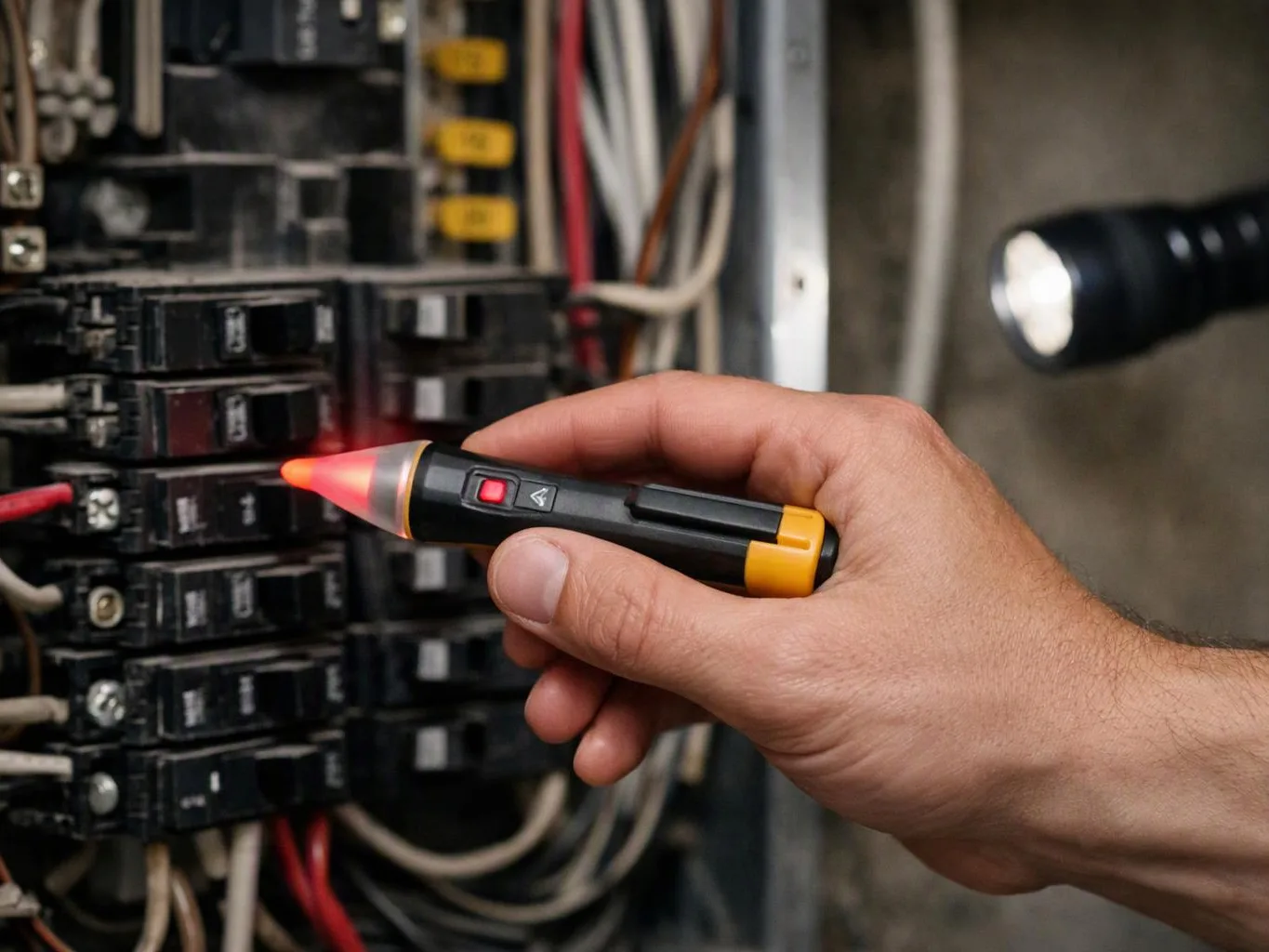
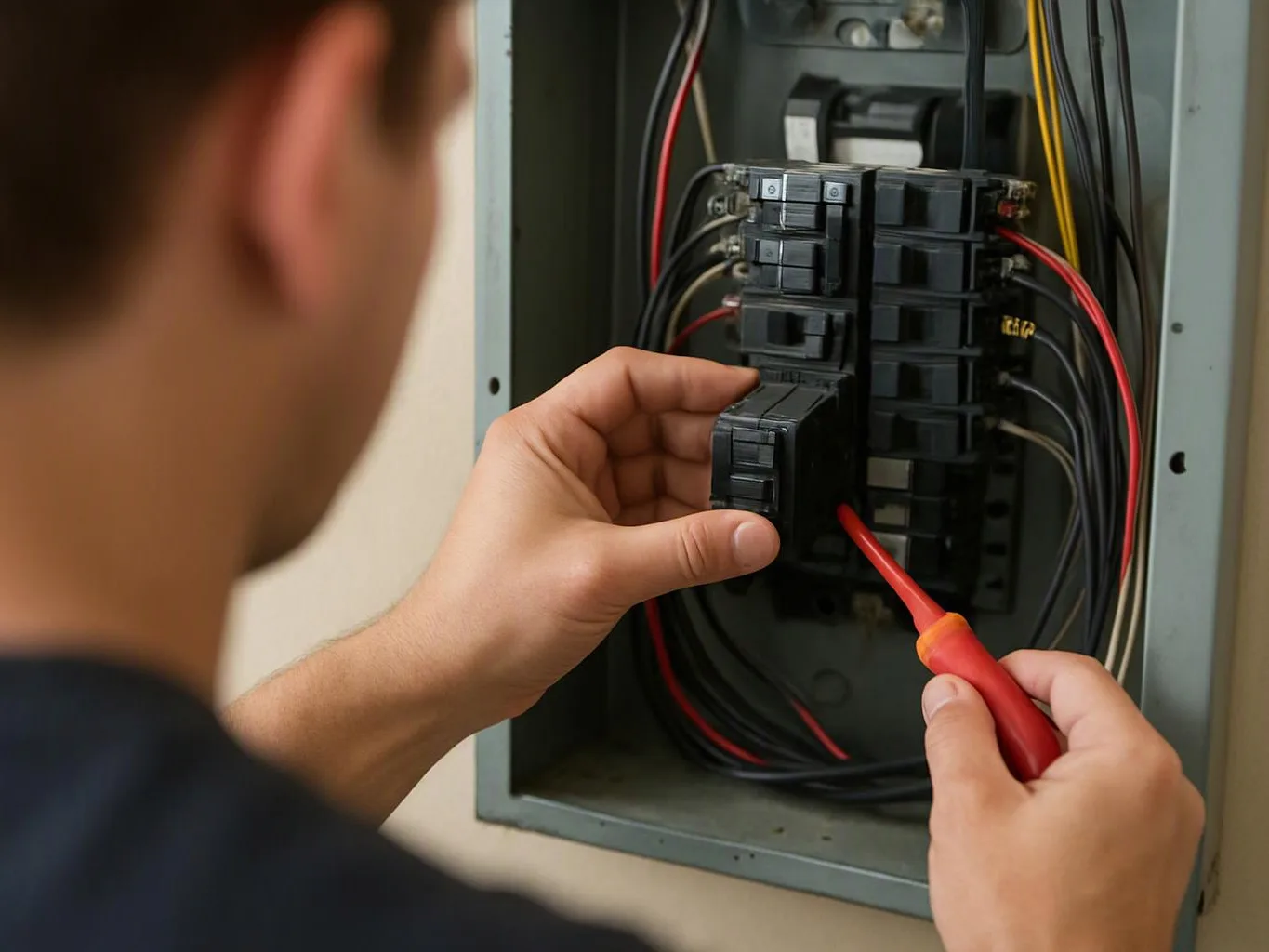
An existing circuit is checked for access, wiring condition, and available capacity before the light is connected. We use circuit tracing when the correct connection point is unclear. If the circuit shows a fault, warm switch plate, or repeated breaker issue, we explain the electrical work needed before proceeding.
What should be checked before security lighting is scheduled?
The target area, mounting surface, nearby circuit, switch location, and wiring access should be checked before scheduling. Customers should also note flickering lights, dead outlets, or a breaker that keeps tripping. Those details help us plan the assessment and identify work that may need attention before the fixture is installed.
Which property areas need a separate electrical assessment?
Areas with damaged wiring, no usable circuit, or a service issue need an electrical assessment before lighting installation. A burning smell, sparking outlet, or buzzing panel also calls for safety-focused diagnosis. We inspect the condition first and explain whether lighting work can proceed or requires a broader repair.
Why might a driveway light leave part of the area dark?
A driveway light may leave coverage gaps when its beam angle, mounting point, or height does not match the area. We review the fixture position and wiring access before changing the installation plan. Perimeter walls and nearby entry paths may also affect where the light should face.