Skip to content

Smoke Detector Installation in Delta, Ohio

Electrical box checks guide the choice between hardwired and battery-powered smoke detectors in Delta. We install the selected setup for homes and businesses.

Licensed & InsuredFree EstimatesWarranty AvailableSame-Day Service

Quick Summary: Smoke detector setup in Delta, Ohio

Smoke Detector Installation in Delta is provided by Toledo Electrician for homes and businesses. The service covers detector placement, hardwired or battery-powered units, backup batteries, and testing throughout the surrounding area.

  • What we do: Toledo Electrician installs smoke detectors for residential and commercial properties in Delta, Ohio.
  • What is included: The work includes electrical box checks, hardwired circuits, backup batteries, interconnect wiring, alarm testing, and safety checks.
  • What you get: Smoke detectors are installed, powered, tested, and ready to warn occupants of smoke.

Why should a smoke detector use a hardwired circuit instead of only a battery?

A hardwired circuit provides steady power, while a backup battery keeps the detector active during an outage. The electrical box and wiring must support that setup before installation. Battery-only units fit properties without suitable wiring, but the battery needs regular checks. Toledo Electrician reviews the power source and recommends the setup that fits the building.
Smoke Detector Installation in Delta, Ohio for safer power and alarm coverage

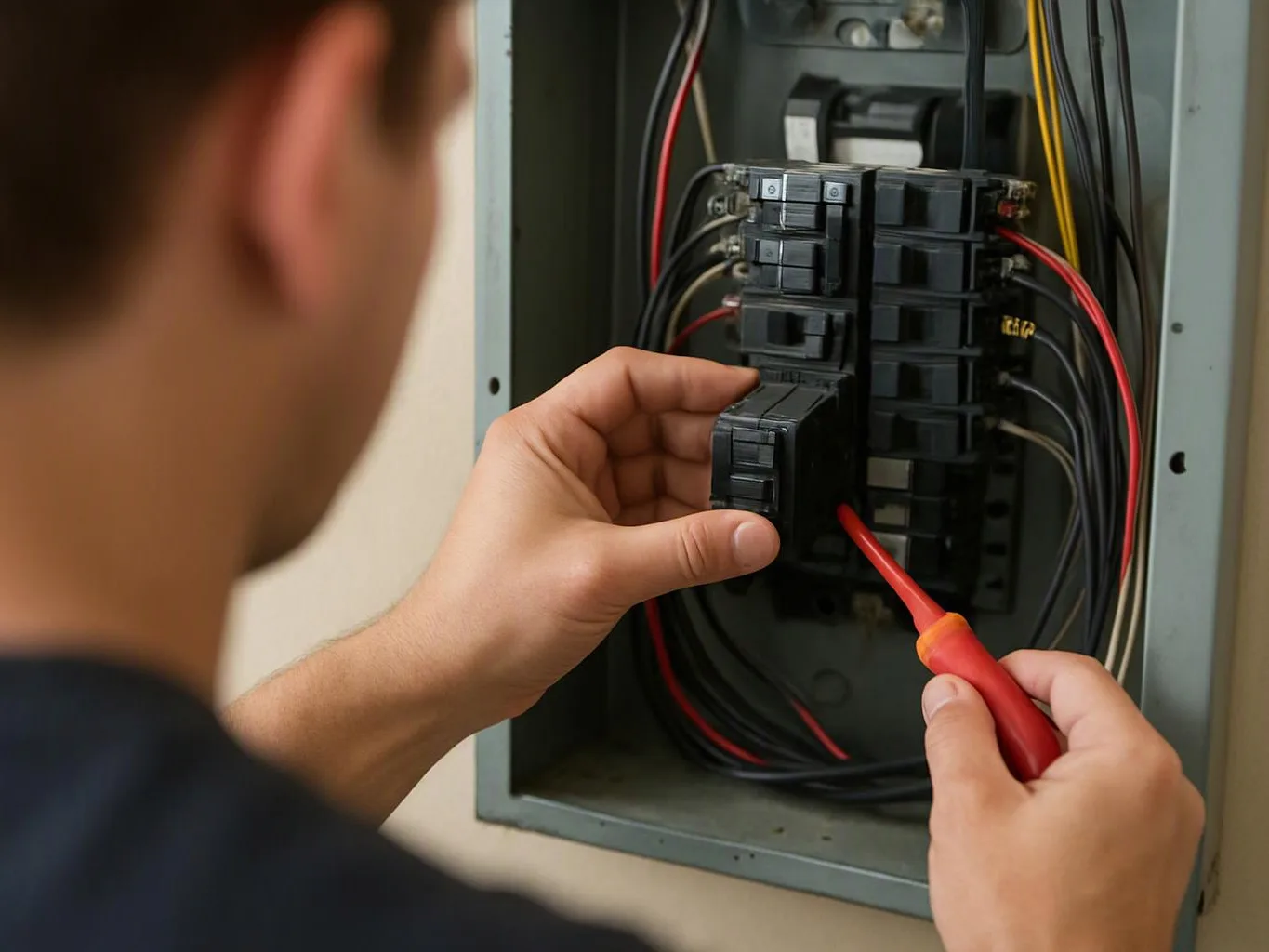
Smoke detector installation covers more than fastening an alarm to a ceiling. We check the electrical box, confirm the power source, connect the detector, and test the alarm after installation.

Customers choosing between hardwired and battery-powered units need to consider the building's wiring. A hardwired circuit offers continuous power with a backup battery, while a battery-only detector suits areas without a usable circuit.

The main buyer decision is the power method and connection plan. Toledo Electrician handles this focused safety upgrade for homes and commercial properties, while larger wiring faults may need separate electrical repair.

  • Check the electrical box and available wiring.
  • Choose hardwired or battery-powered smoke detectors.
  • Add a backup battery when the detector supports one.
  • Connect interconnect wiring when the system uses linked alarms.
  • Test the alarm and confirm proper power.
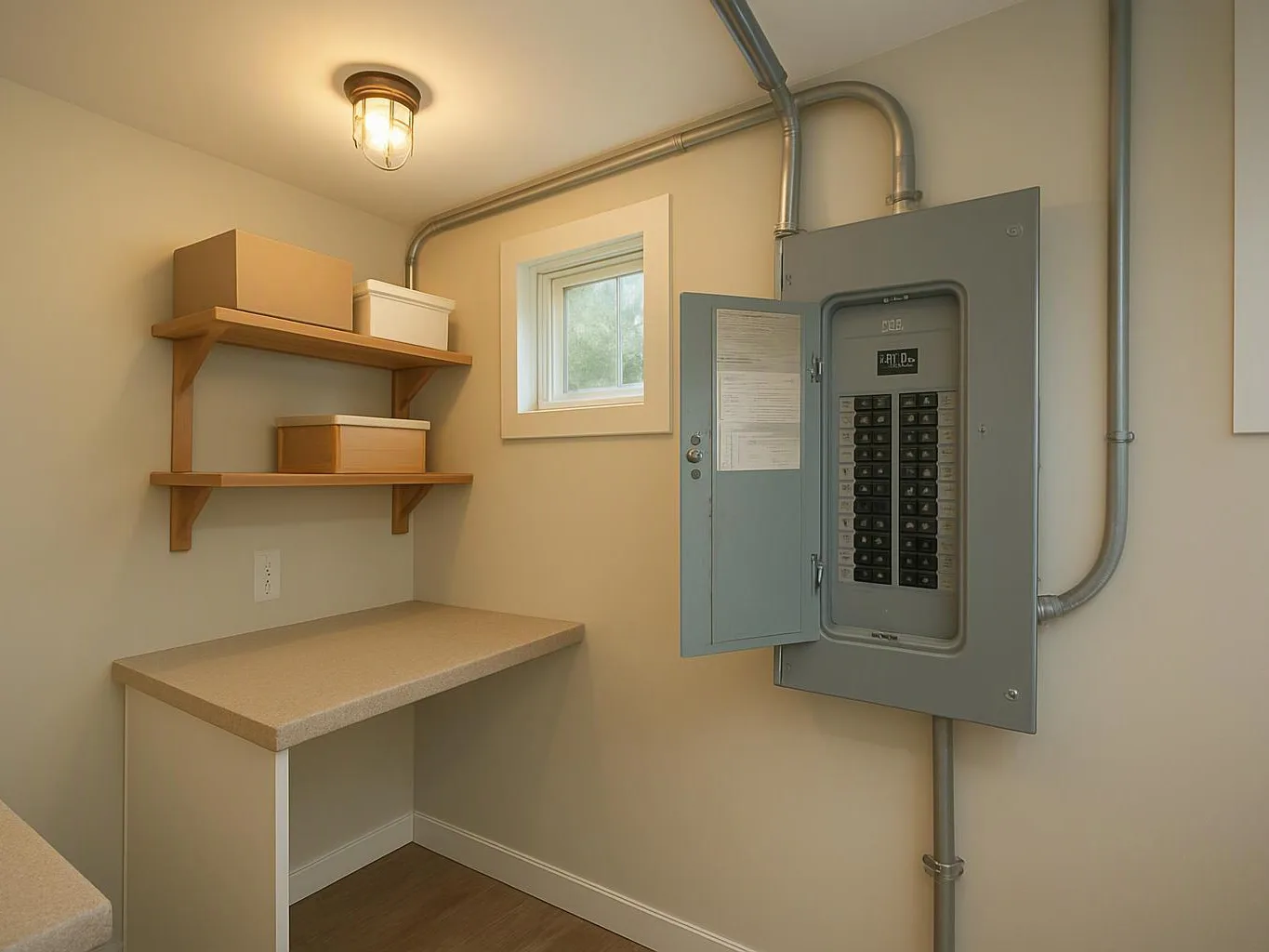
Small utility room with shelves, a work counter, and an open electrical breaker panel on the wall

Service Overview

Smoke Detector Installation is a safety service that adds, connects, powers, and tests smoke alarms in a property.

  • This work differs from a general electrical inspection because it focuses on detector power, placement, connection, and alarm testing.
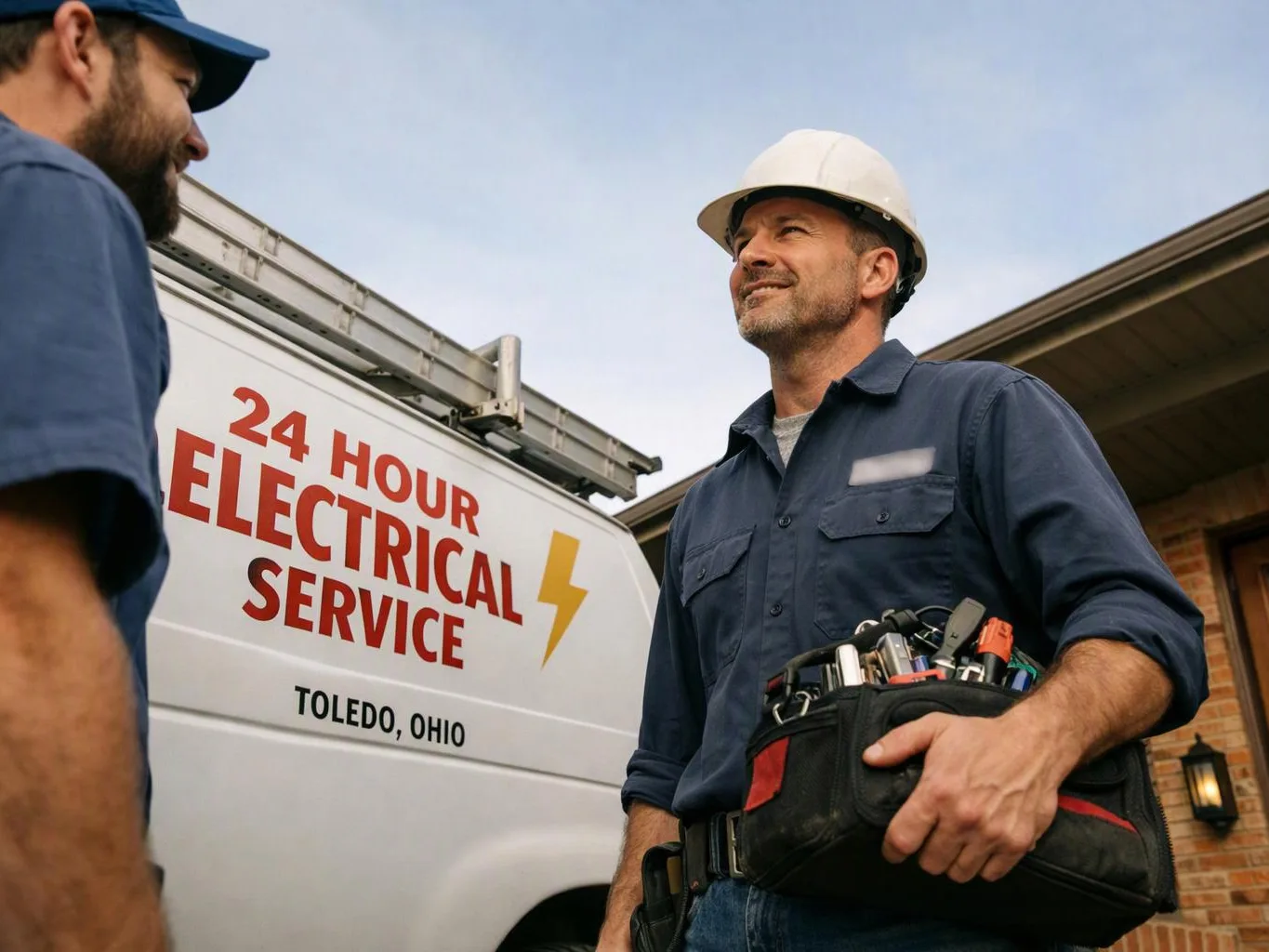
  • Toledo Electrician provides smoke detector installation for homes and businesses in Delta and the surrounding area.

What a new smoke detector setup changes

A hardwired circuit gives the alarm a steady power source.

A backup battery keeps a connected detector active during a power outage.

Testing after installation helps confirm that the alarm responds as intended.

Interconnect wiring lets linked detectors sound together when the system supports it.

A clear power choice helps owners plan future electrical repairs or upgrades.

Process

How we install and test smoke detectors

1

Check the electrical box

We inspect the electrical box, wiring access, and power source before choosing the installation method.

2

Choose the power method

Customers receive a hardwired or battery-powered recommendation based on the available circuit and the property’s needs.

3

Connect the detector

We mount the detector, connect the hardwired circuit or install the battery unit, and add interconnect wiring when the system supports it.

4

Test the alarm system

We test the detector and linked alarms, check the backup battery, and explain the basic operating checks.

How we approach smoke detector installation decisions

Match power to the existing wiring

Customers get a power choice based on the electrical box and circuit. Our licensed and insured electricians check the connection before recommending hardwired or battery power.

Test the alarm after connection

The detector is tested after installation, and customers receive a clear explanation of its power source and basic checks.

Know when another service fits

Smoke detector installation is the wrong job when the property needs panel repair, whole-home rewiring, or correction of a larger electrical hazard first.

What smoke detector installation includes for your property

Toledo Electrician provides comprehensive Smoke Detector Installation in Delta. Here's what you get:

  • We inspect the electrical box and nearby wiring before connecting a detector.
  • We install hardwired smoke detectors when the circuit and box support them.
  • We install battery-powered smoke detectors where hardwired power is not the right fit.
  • We add or check a backup battery for a hardwired alarm.
  • We connect interconnect wire when the alarm system is designed to link detectors.
  • We test the installed detector and explain the basic operating checks.

Choosing a smoke detector power method

These options compare how each detector receives power and what the installation checks.

Power methodWhat it usesWhen it fits
Hardwired detectorA hardwired circuit and backup batteryProperties with a suitable electrical box and circuit
Battery-powered detectorAn installed batteryLocations without a suitable hardwired connection
Interconnected detector systemCompatible alarms and interconnect wireProperties that need linked alarms to sound together

The Toledo Electrician Standard

  • Around-The-Clock Assistance
  • Electrical Repairs
  • Safety Focus
  • Urgent Problems

Questions customers ask about smoke detector installation

Should the electrical box use a hardwired detector or a battery-powered one?

The electrical box should use a hardwired detector when the circuit supports safe connection, with a backup battery for outages. Toledo Electrician checks the box and wiring before making that choice. Battery-powered units fit locations without suitable wiring. The final recommendation follows the property’s power source and the detector system’s connection needs.

What does the crew look at first during smoke detector installation?

The electrical box and available wiring are checked first during smoke detector installation. We look for a usable power source, safe connections, and access for the detector. Customers should identify every room that needs coverage and provide access to the electrical panel. That information helps us plan the work without guessing about the circuit.

What should be checked before smoke detector installation is scheduled?

The property’s current alarms, power source, electrical box, and access points should be checked before scheduling. Customers should note which detectors are missing, silent, or battery-powered. Our team uses those details to define the installation scope. A burning smell, sparking connection, or buzzing panel needs electrical safety attention before detector work.

Who is a good fit for smoke detector installation, and who needs a different service?

Homeowners and business owners needing new or replaced smoke detectors are a good fit for this service. Toledo Electrician installs battery-powered and hardwired units based on the property’s electrical setup. A customer with panel damage, whole-home wiring problems, or an active electrical hazard needs repair work before detector installation can proceed safely.

How does interconnect wiring change a smoke detector installation?

Interconnect wiring lets compatible smoke detectors signal each other through a linked system. We check the existing wire, confirm detector compatibility, and test the alarms together after connection. Customers with separate alarms should ask whether the current units support interconnection. A replacement plan may be needed when the existing detectors use different connection types.

Which power source works during an electrical outage?

A backup battery keeps a hardwired smoke detector powered during an electrical outage. Battery-only detectors also use their installed batteries for power. We test the battery function and explain the detector’s power source after installation. Customers should report any alarm that loses power, fails its test, or shows a low-battery warning.

Why would a new detector still need an electrical inspection?

A new detector may need an electrical inspection when the box, wiring, or circuit shows a safety concern. Our electricians check the connection and isolate larger electrical faults before completing the alarm work. In Delta, customers can request a focused assessment when the detector location has damaged wiring, no power, or an unclear circuit.
Contact

Request a Free Estimate for Smoke Detector Installation in Delta

Tell Toledo Electrician about the detectors and wiring at your property, and urgent requests get priority scheduling.

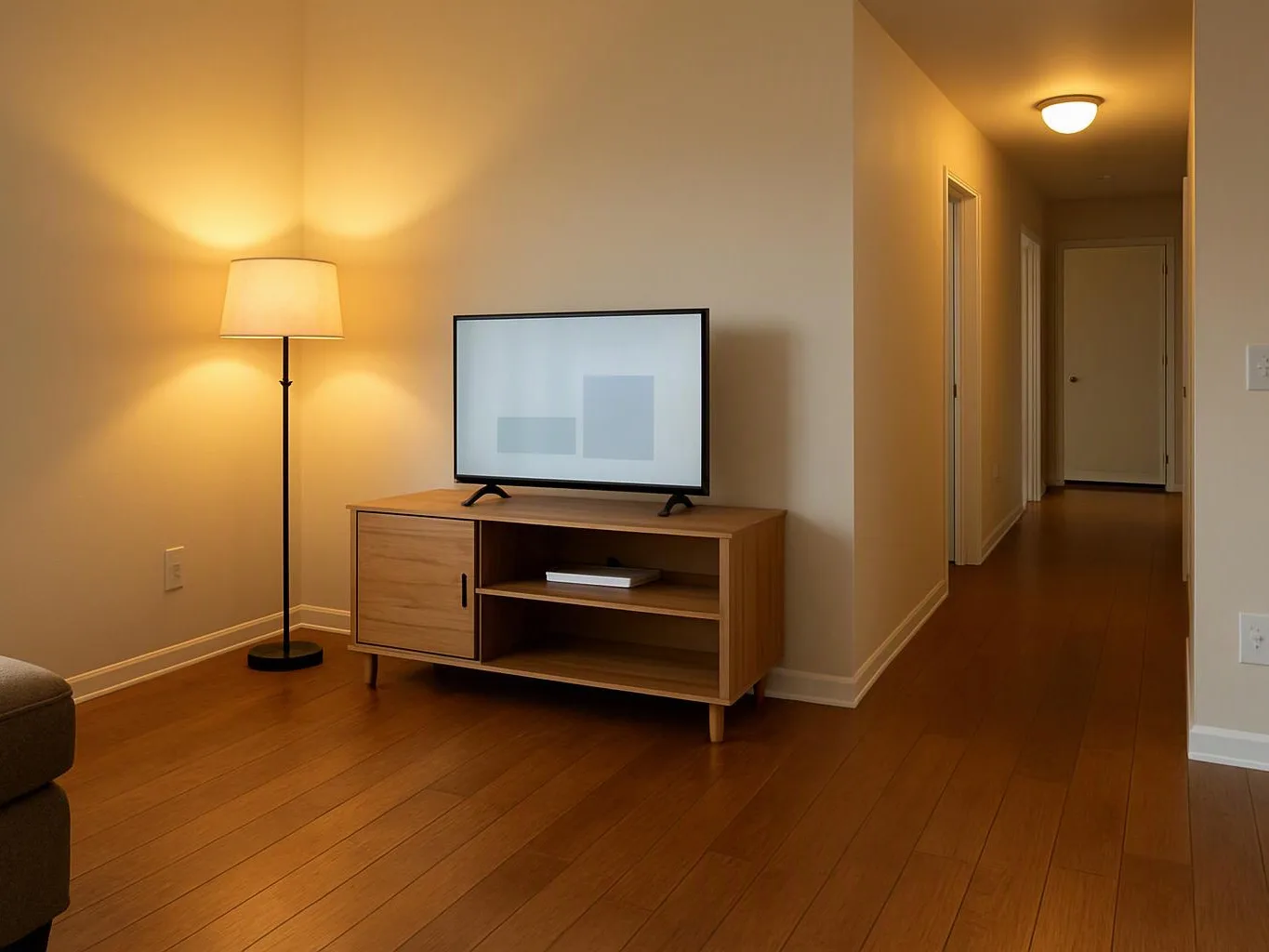
A warm living room shows a floor lamp, a TV on a wooden stand, and a hallway leading deeper inside

ZIP Codes We Serve in Delta, Ohio

43515

Smoke Detector Installation in Other Areas

(419) 574-6561