How is a transfer switch installed safely?
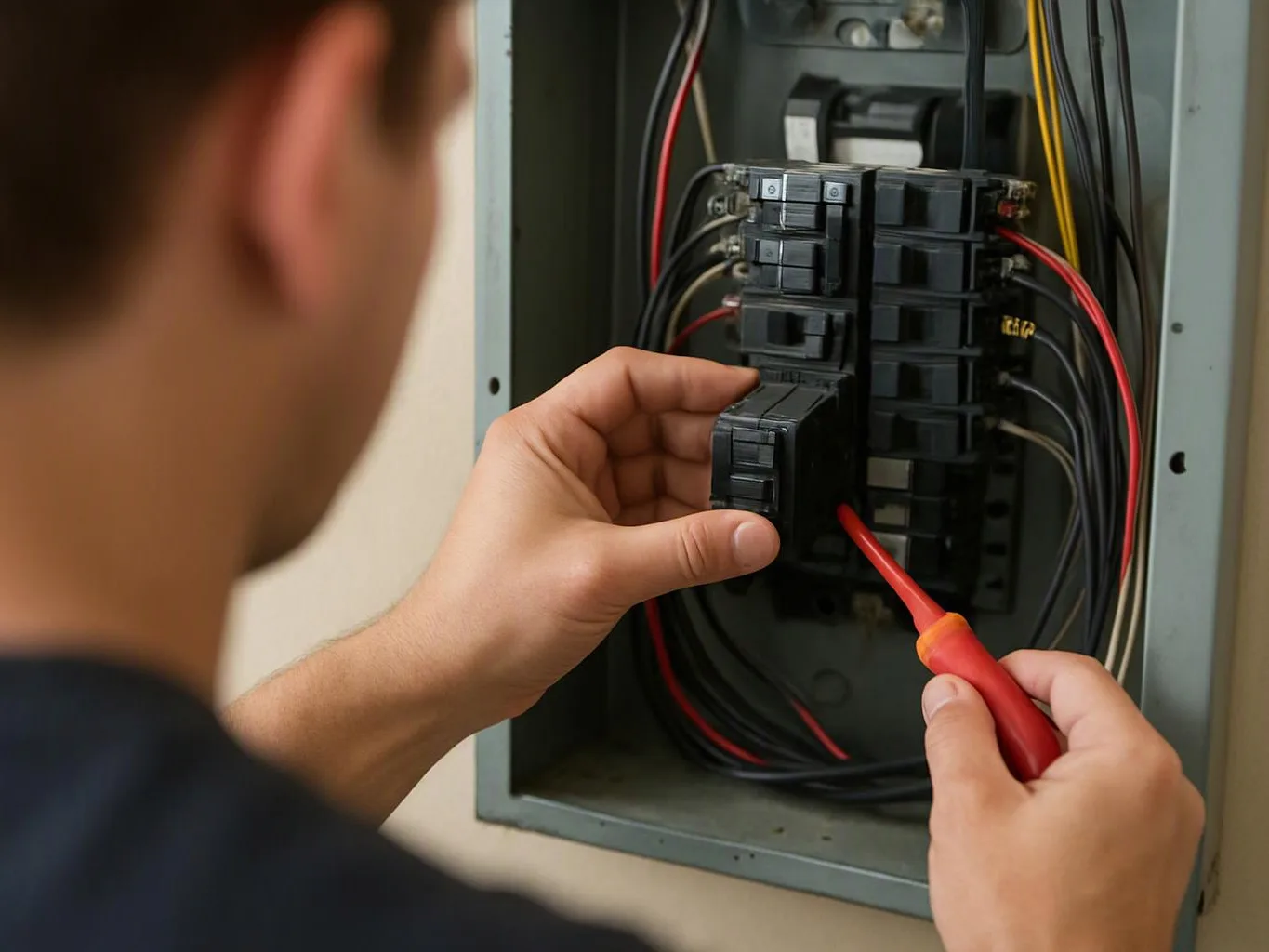
Utility disconnect work starts the safe installation by separating the property from the active power source. Toledo Electrician then connects the switch, routes conduit, checks breakers and grounding, and tests the transfer path. The work must prevent utility and generator power from feeding the same circuit at once. We explain the selected circuits before completing the connection.
What should be checked before transfer switch installation is scheduled?
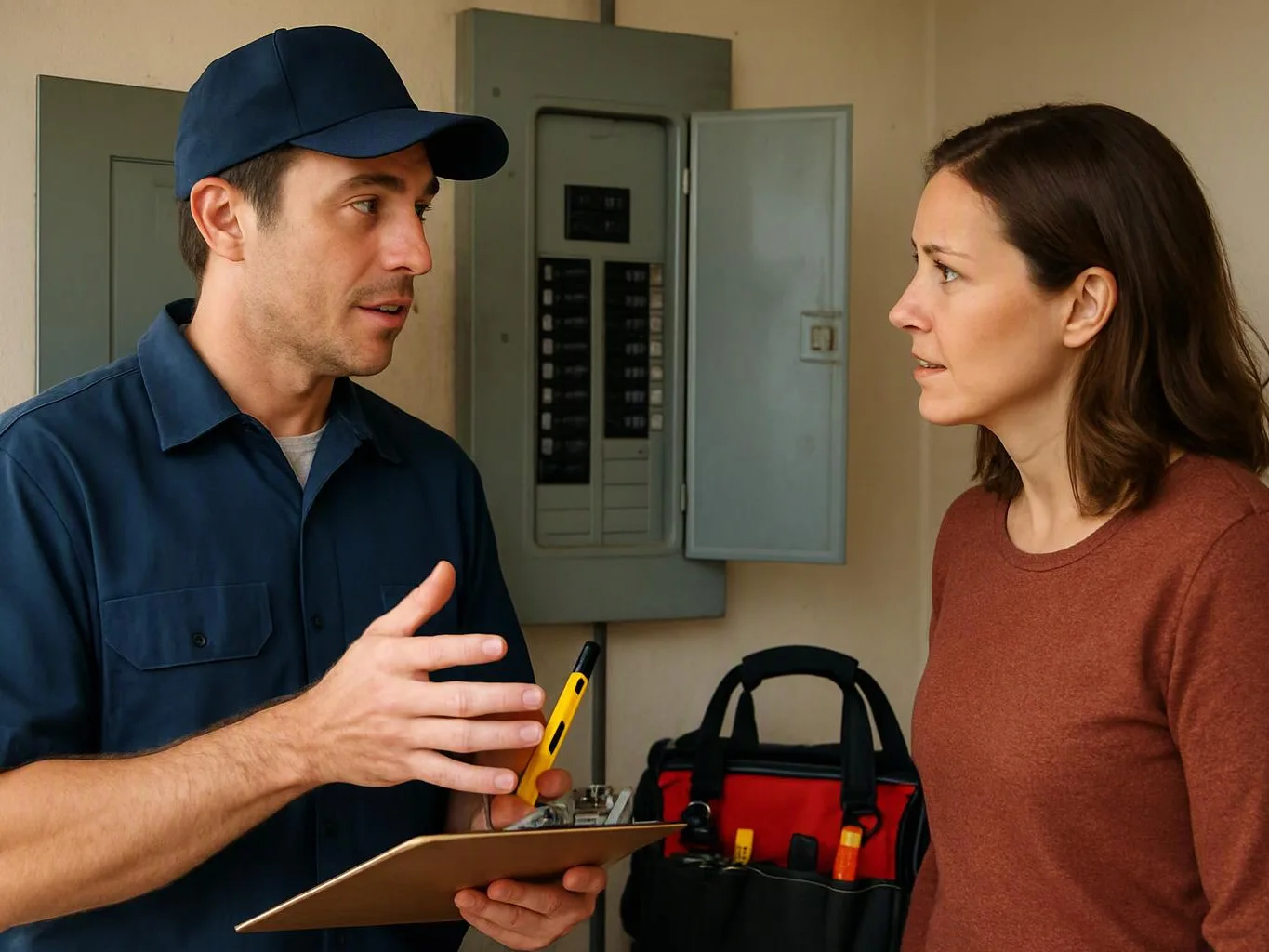
The electrical panel, generator connection, selected circuits, conduit route, and grounding path should be checked first. We also review equipment access and the loads that need backup power. This inspection shows whether the planned switch fits the existing system. It also identifies related panel or wiring work that belongs in the quote.
Which circuits should connect to a transfer switch?
Selected circuits should support the property’s most important backup loads without exceeding the generator’s available capacity. We review the panel and discuss items such as essential lighting, refrigeration, sump equipment, or business equipment. The final circuit list depends on the generator, panel layout, and the owner’s operating needs.
When does a transfer switch need related panel work?
Panel work is needed when the existing equipment lacks space, has damaged parts, or cannot support the planned circuit arrangement. We inspect the panel before connecting the switch. A separate panel upgrade or wiring repair may be required when the current equipment cannot provide a safe connection.
Who is a good fit for transfer switch installation?
Toledo Electrician installs transfer switches for homeowners, property managers, and commercial operators who need generator power connected to selected circuits. The service fits planned backup power work. Generator maintenance, fuel problems, and utility-side outages require a different service or another party.
Why does conduit routing matter during the installation?
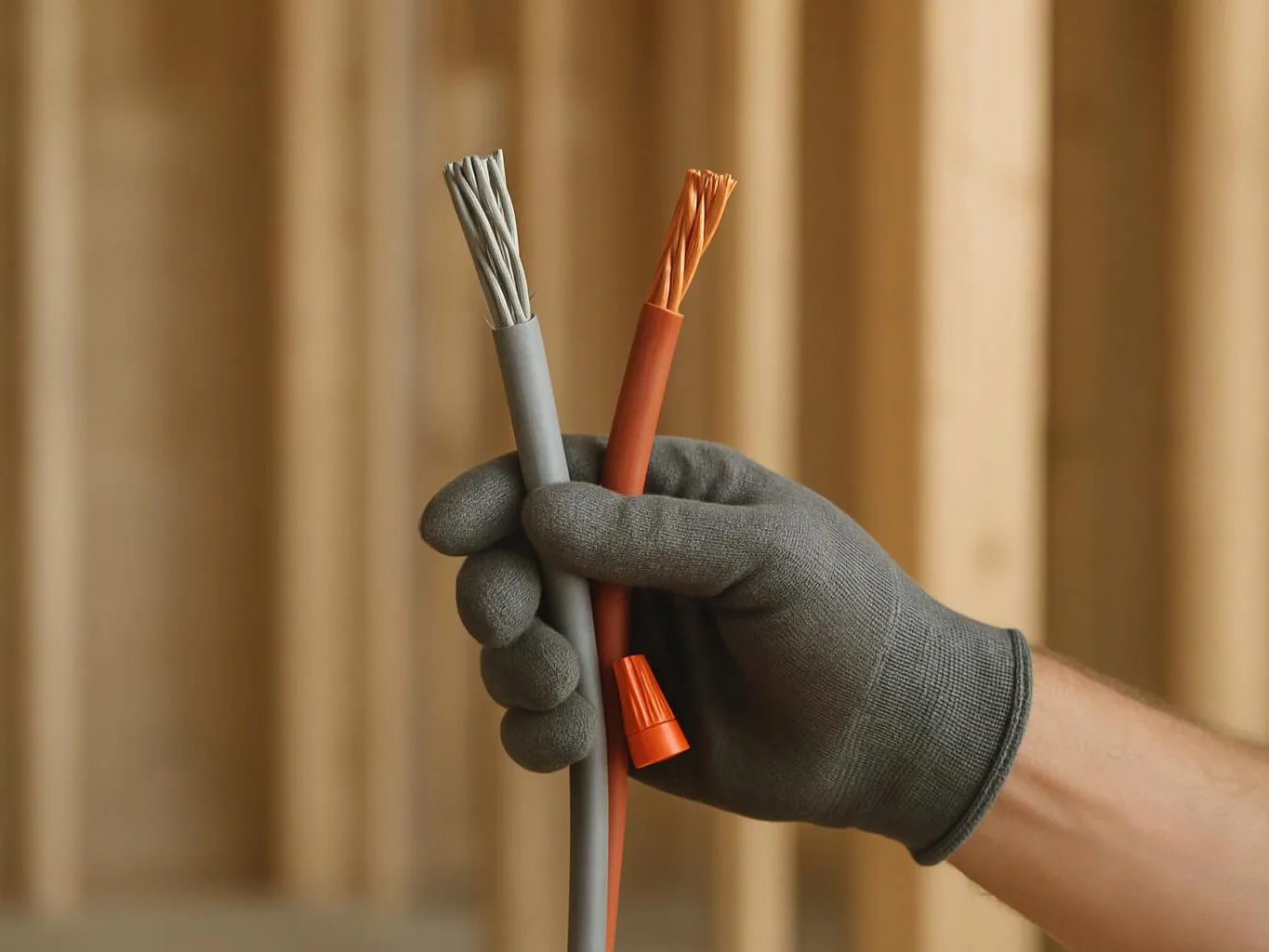
Conduit routing protects conductors and creates a clear path between the generator connection, transfer switch, and panel. We plan the route around equipment access and the selected circuit layout. Poor routing can complicate testing, future service, and safe identification of the power conductors.
What happens at each stage of transfer switch installation?
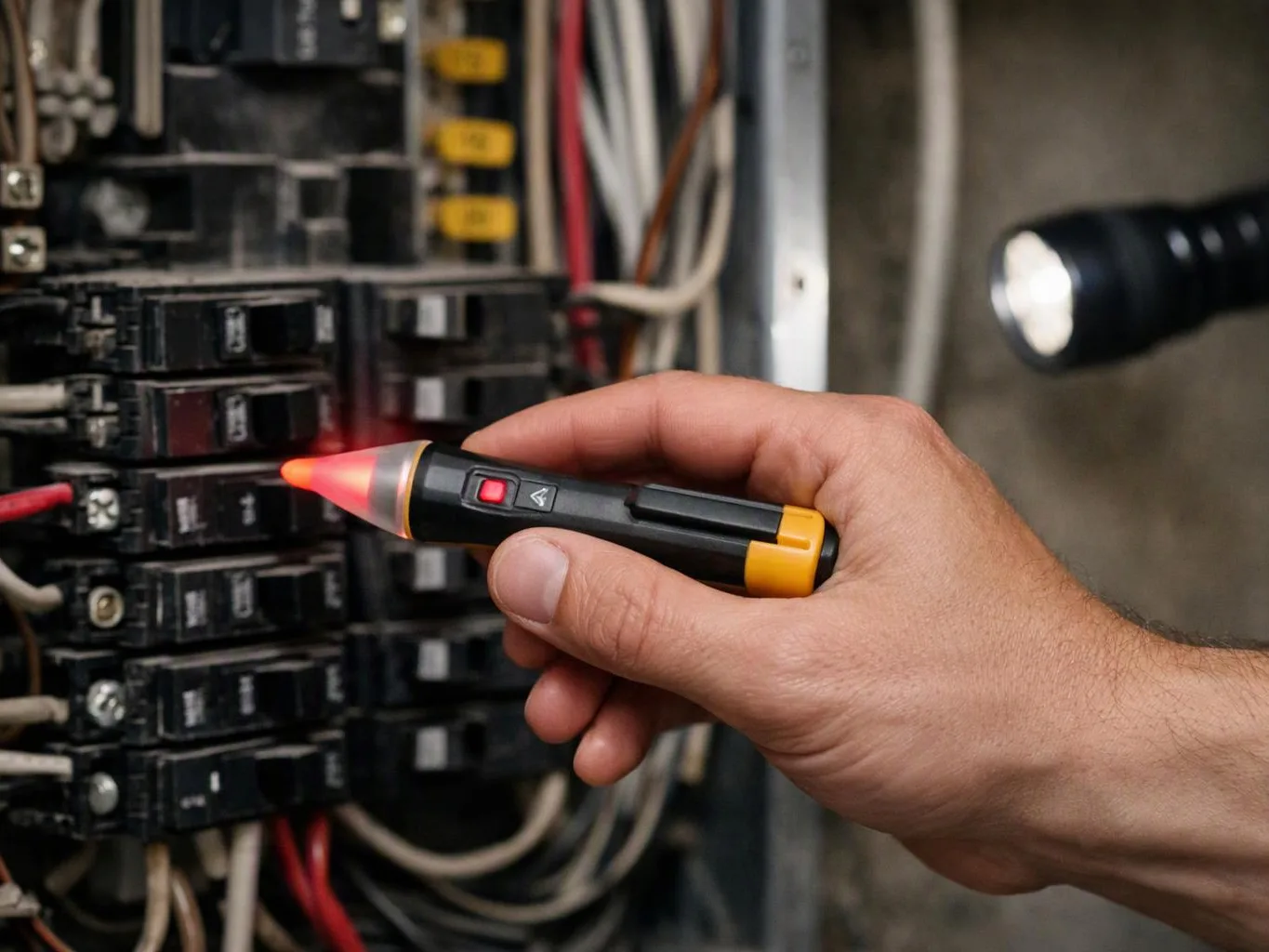
The work moves from inspection to circuit planning, connection, grounding checks, and testing. We first review the service equipment and selected loads. Next, we route conduit and connect the switch. Finally, we verify the breakers, grounding conductor, and transfer action before explaining the system.