What problems can occur with a transfer switch?
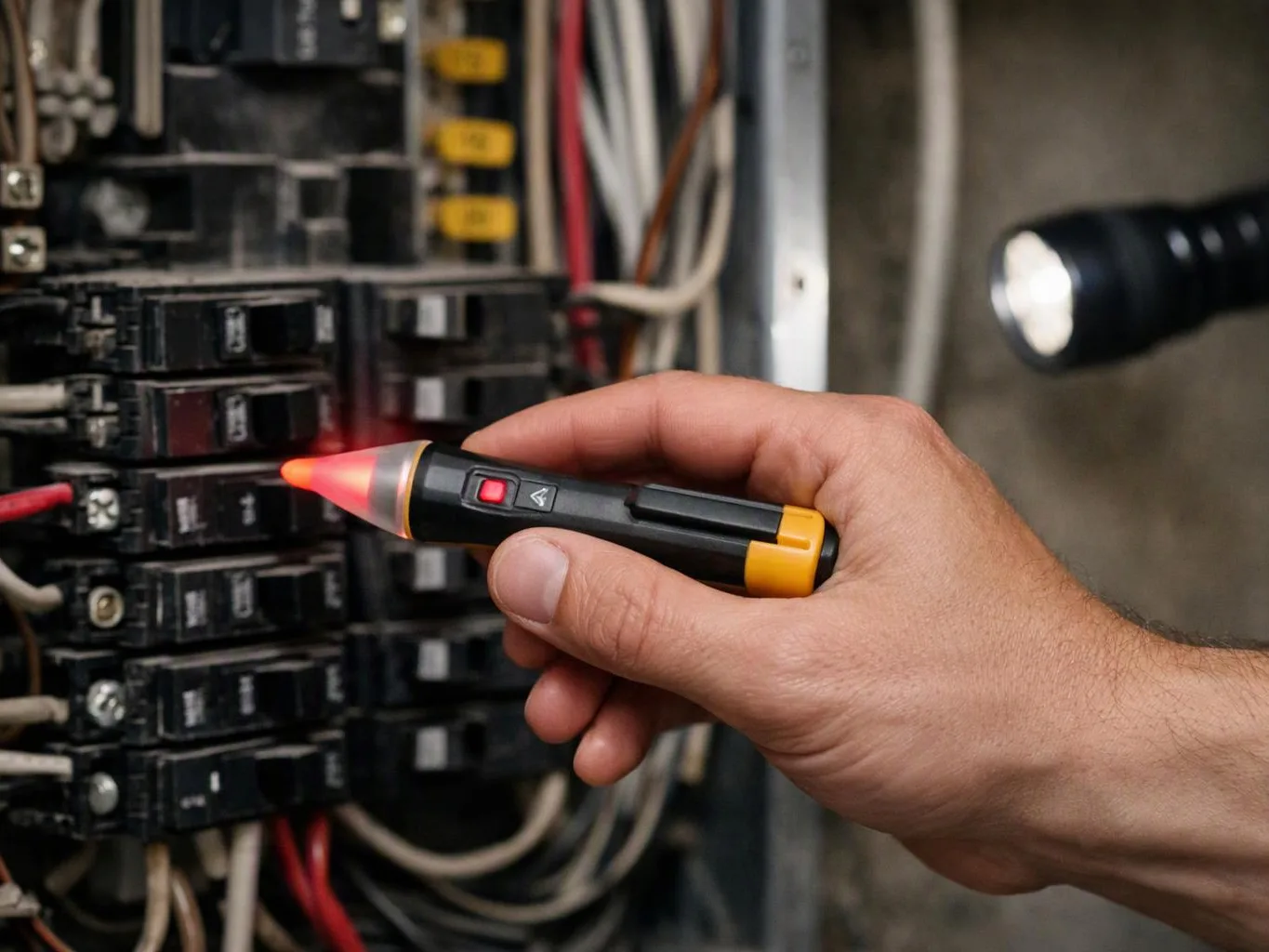
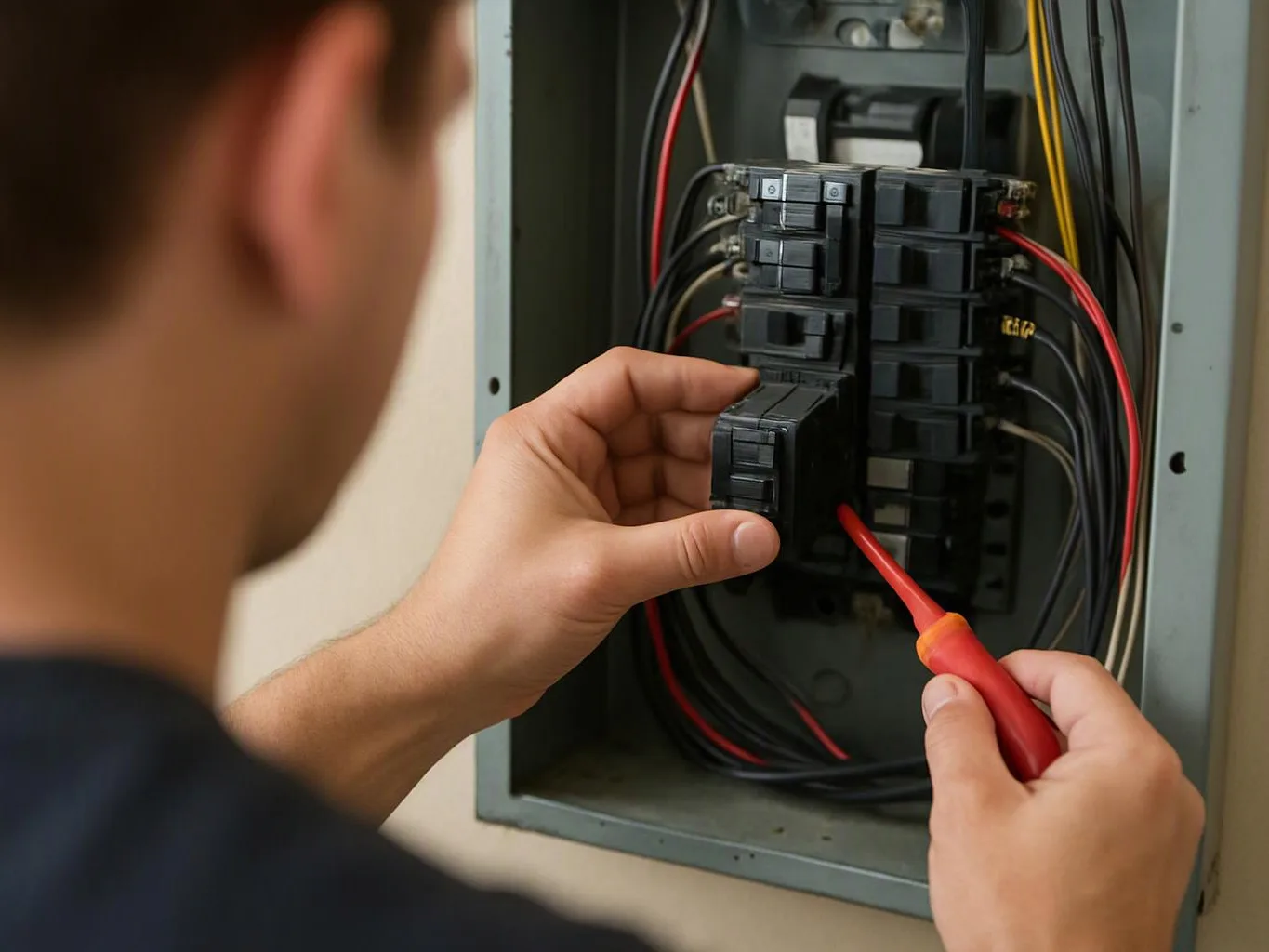
Wiring faults can stop a transfer switch from sensing power or moving the correct circuits. Contact wear can interrupt power flow, while control failure can stop the switch from changing sources. We inspect the switch, trace its wiring, check overload protection, and test the affected circuits before setting a repair scope.
How does a transfer switch installation visit move from the first call to the last step?
The visit moves from symptom review to inspection, load review, repair or installation, and final testing. We first identify the generator and affected circuits. Next, we check the switch and control wiring. After the agreed work, we test source transfer and explain any follow-up electrical work.
How can I tell whether transfer switch work fits my property?
Transfer switch work fits a property that needs a generator connected to selected electrical circuits. The decision depends on the generator connection, panel space, circuit needs, grounding, and switch condition. We review those parts for homes and commercial properties before recommending installation or another electrical service.
Which part of the property decides the scope of transfer switch work?
The electrical panel and connected backup circuits usually decide the scope. Panel access, feeder wiring, grounding, generator location, and the selected load all affect the work. We inspect those areas and explain whether the project needs switch work alone or related panel and wiring changes.
When does a transfer switch problem need urgent electrical service?
A transfer switch problem needs urgent service when you notice burning odors, smoke, sparking, heat, or repeated breaker trips. Shut down the generator if it can be done safely and keep clear of damaged equipment. Emergency electrical service is available for urgent electrical problems.
Why might the generator run while the building has no backup power?
A running generator does not prove that the transfer path is working. The switch may have a control failure, worn contacts, an open feeder connection, or an overload condition. We test the generator connection, transfer switch, panel, and selected circuits to locate the break in power flow.
What should I share before requesting a transfer switch assessment?
The generator type, transfer switch location, affected circuits, visible damage, and recent symptoms help us prepare for an assessment. Photos of the switch label and panel can also help if they can be taken safely. Do not remove covers or touch exposed wiring before we inspect the equipment.