What problems can occur with a transfer switch?
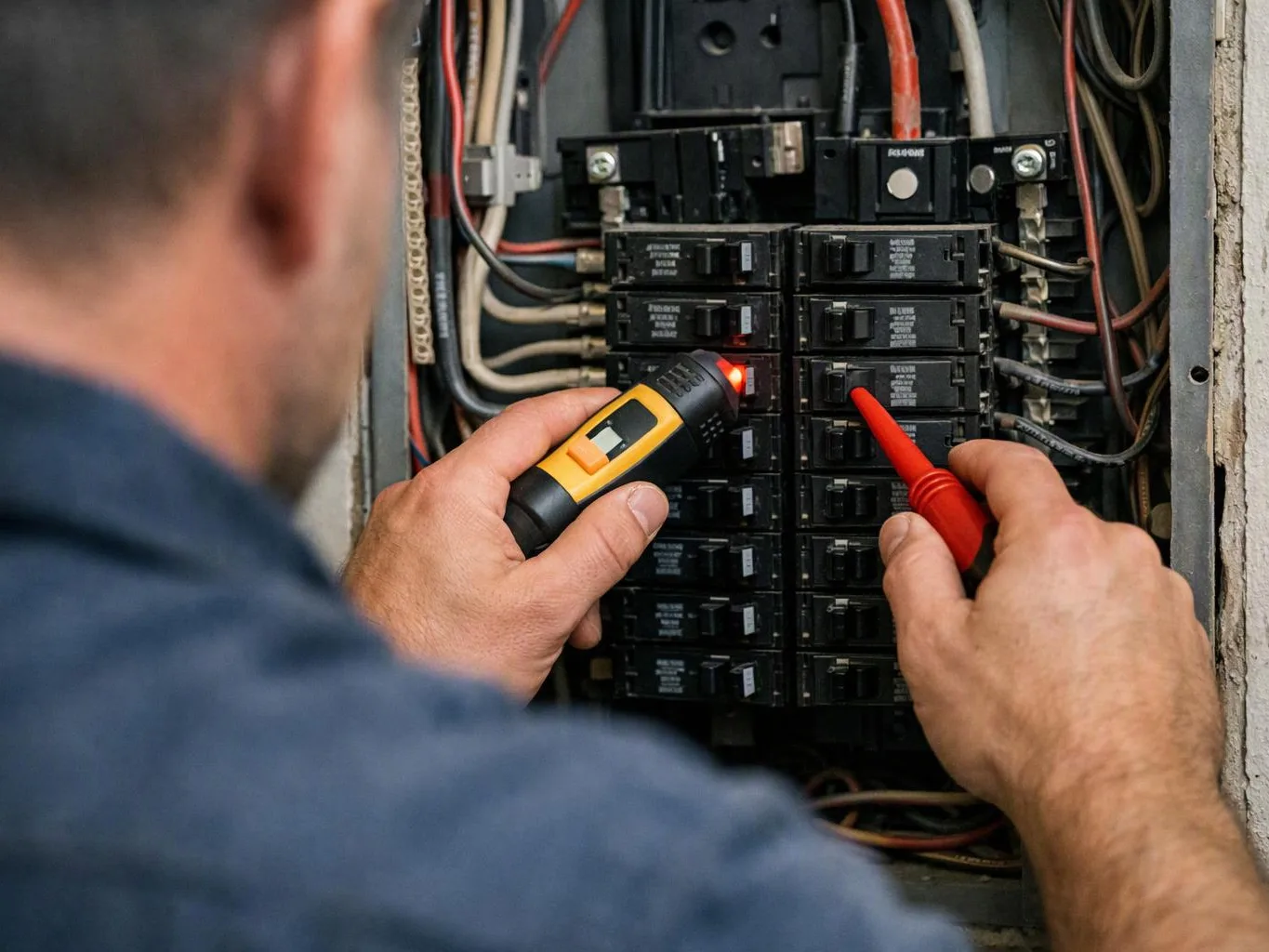
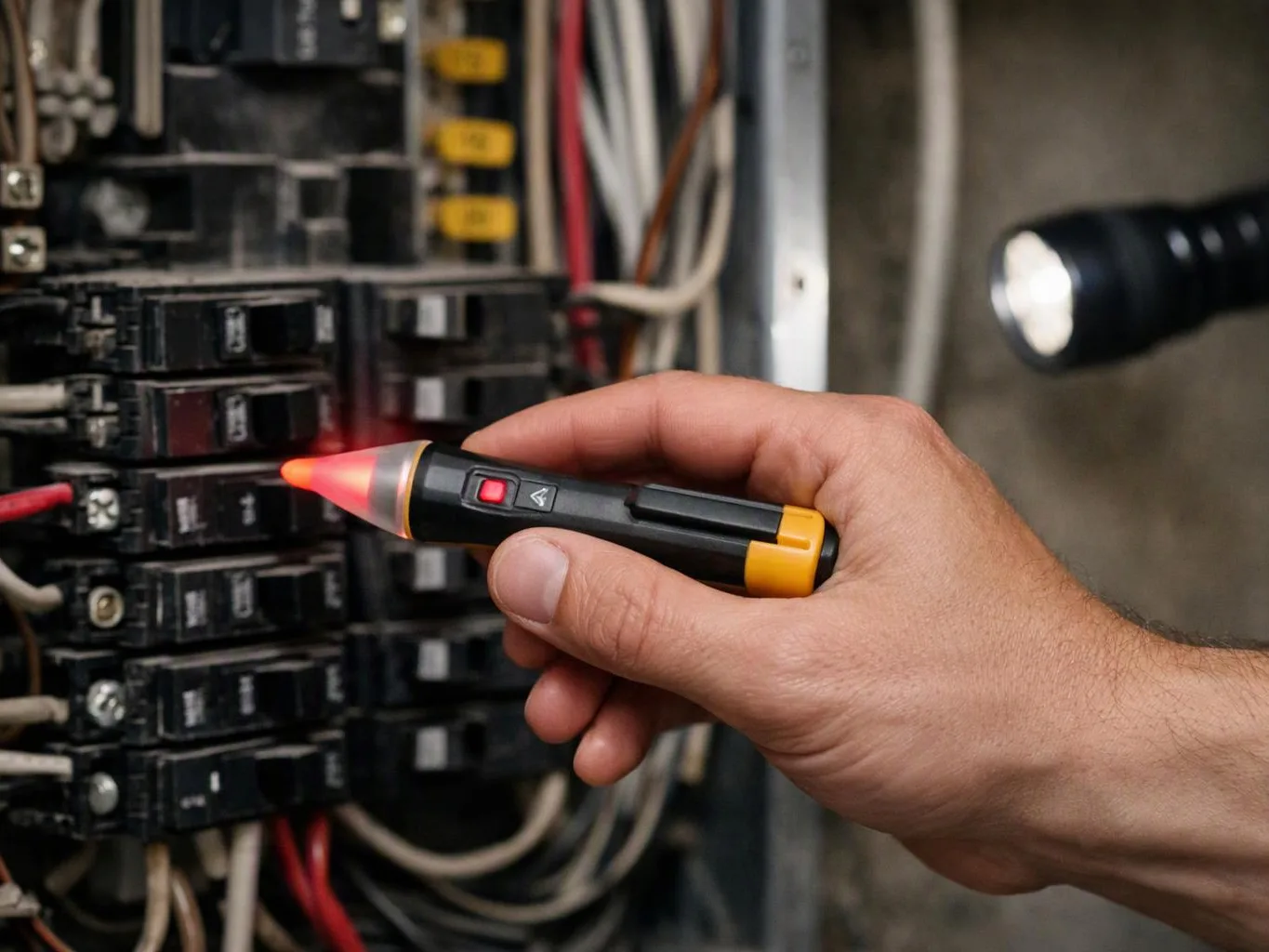
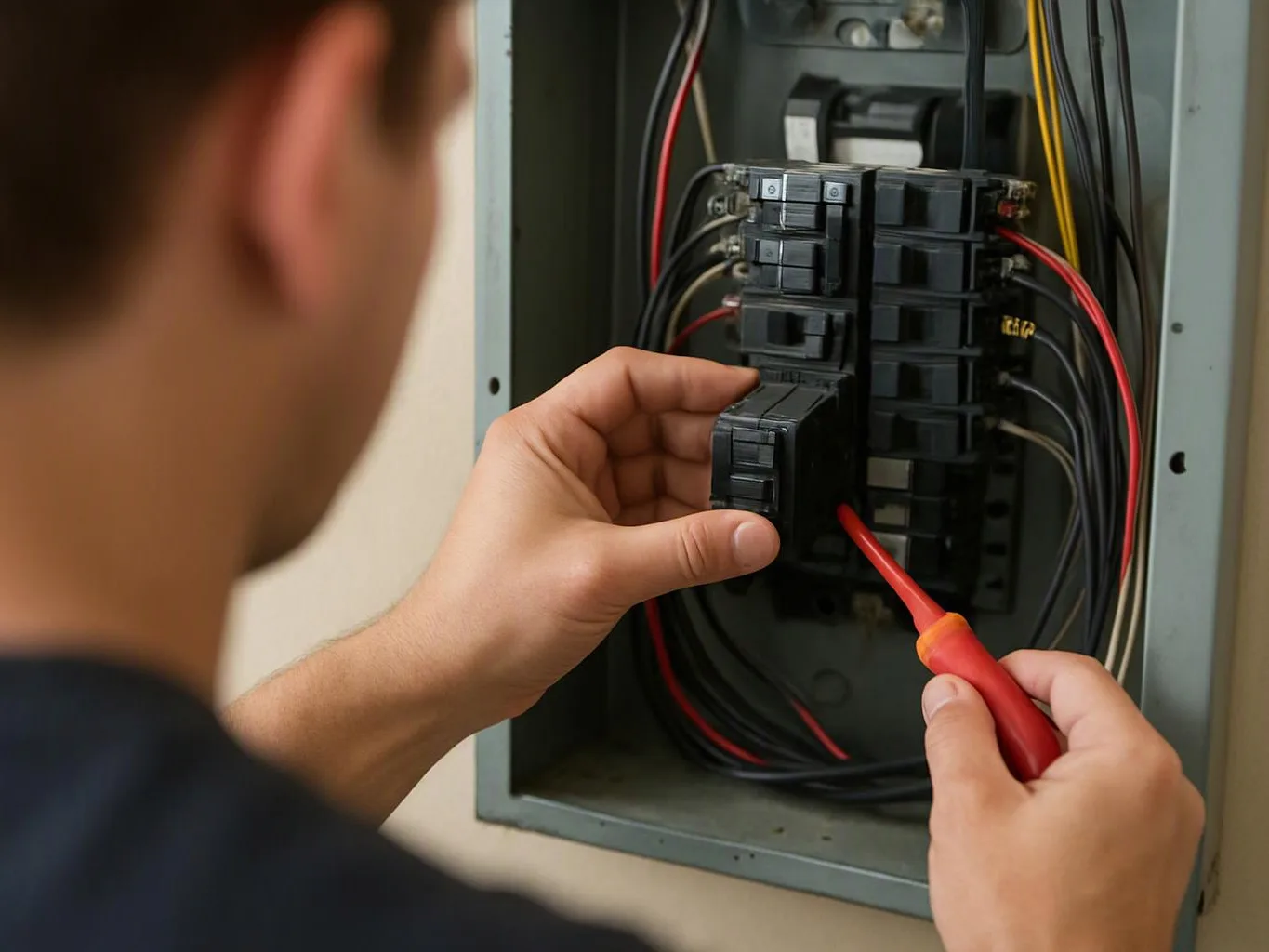
Overload protection limits unsafe power flow, but wiring faults, contact wear, and control failure can still stop proper transfer. A switch may fail to connect backup power, transfer only selected circuits, or remain stuck on one source. We isolate the equipment, inspect the conductors and contacts, and test the control path before setting a repair scope.
How can I tell whether a transfer switch fits my property?
A transfer switch fits when a property needs controlled backup power for selected circuits. The panel layout, generator connection, grounding path, and chosen loads decide the scope. We review those parts before recommending the work. A generator issue involving fuel or engine operation needs a separate service path.
Which part of the property decides the installation scope?
The electrical panel and selected backup circuits decide most of the installation scope. We trace those circuits, inspect the switch location, and check the route between the generator and panel. Access, conductor condition, grounding, and available panel space also affect the planned work.
Which material changes how long the work takes?
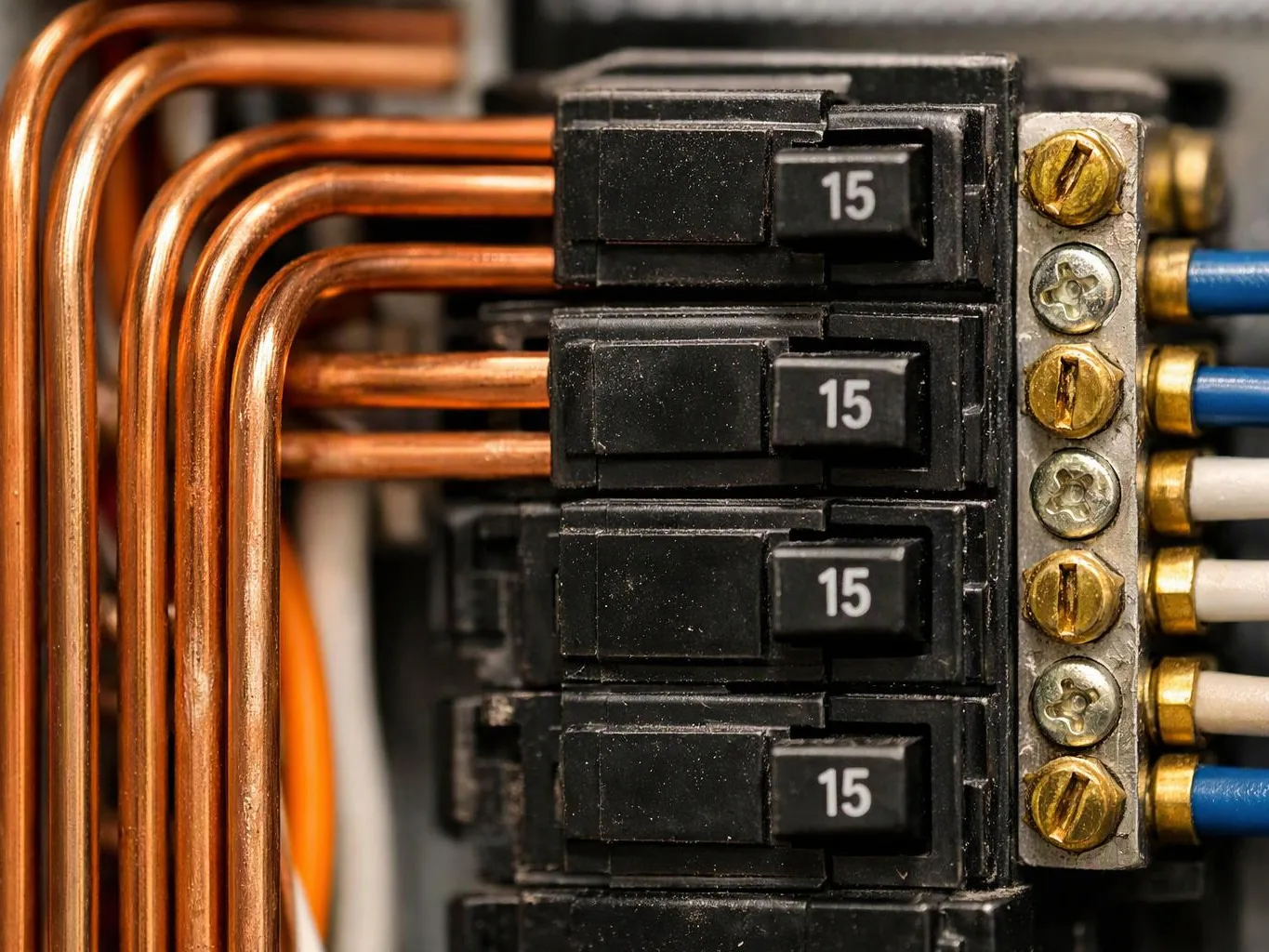
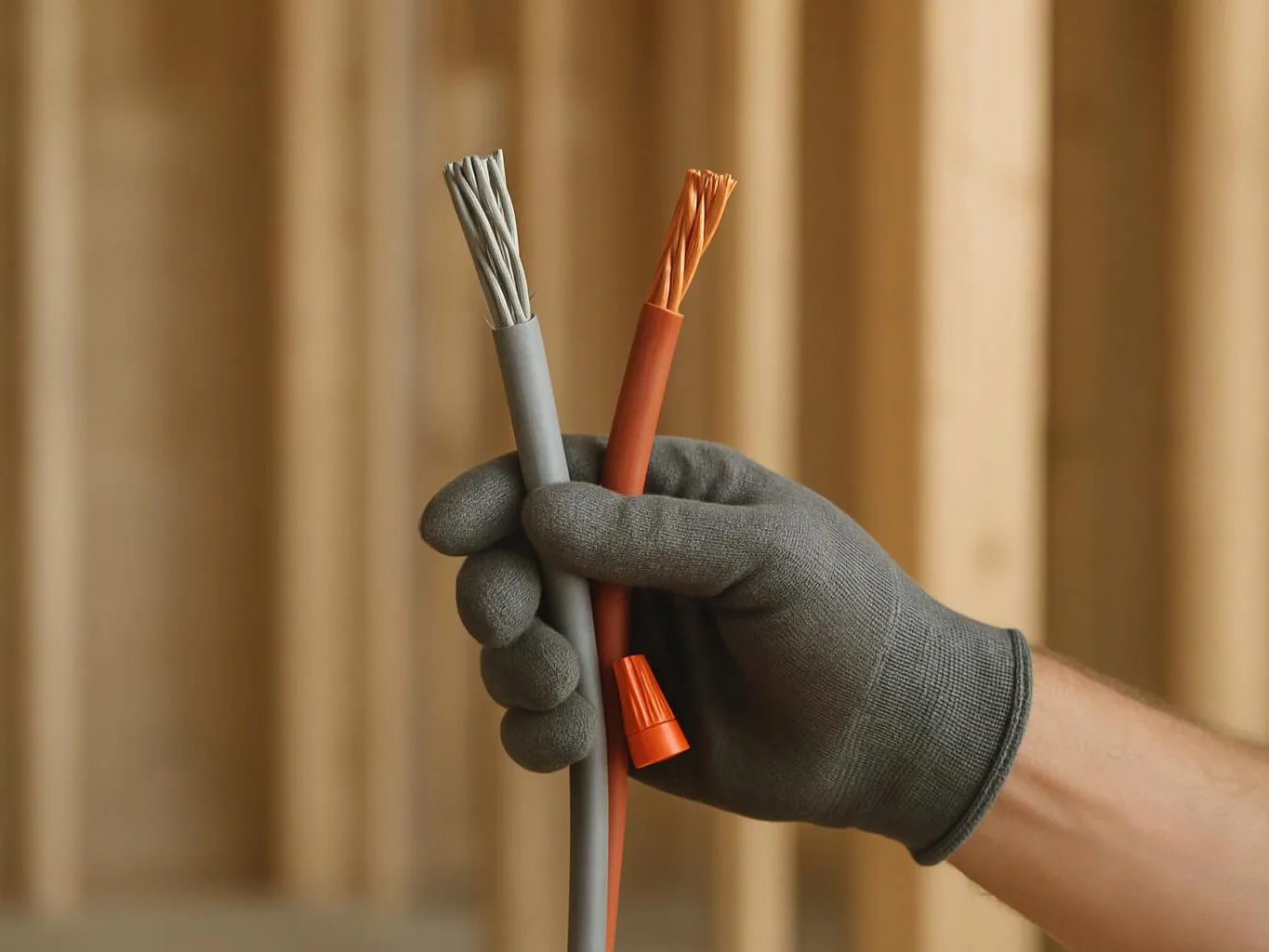
Existing conductor condition can change the work time because damaged or undersized wiring needs correction before testing. Copper or aluminum conductors, terminal condition, wire routing, and panel access all affect the work. We inspect the installed materials first and explain any added electrical repair before proceeding.
When does a transfer switch need repair instead of replacement?
A transfer switch needs repair when testing finds a limited wiring, terminal, or control fault that the equipment can safely support. We inspect contacts, conductors, controls, and enclosure condition before choosing repair or replacement. Severe heat damage, failed switching parts, or unsafe enclosure condition can change that decision.
Why does backup power reach some circuits but not others?
Partial backup power usually points to circuit mapping, contact wear, a loose connection, or a control fault. We identify the circuits that transfer and compare them with the intended load list. That check shows whether the problem sits in the panel, switch, wiring path, or generator connection.
What information should I provide before scheduling this work?
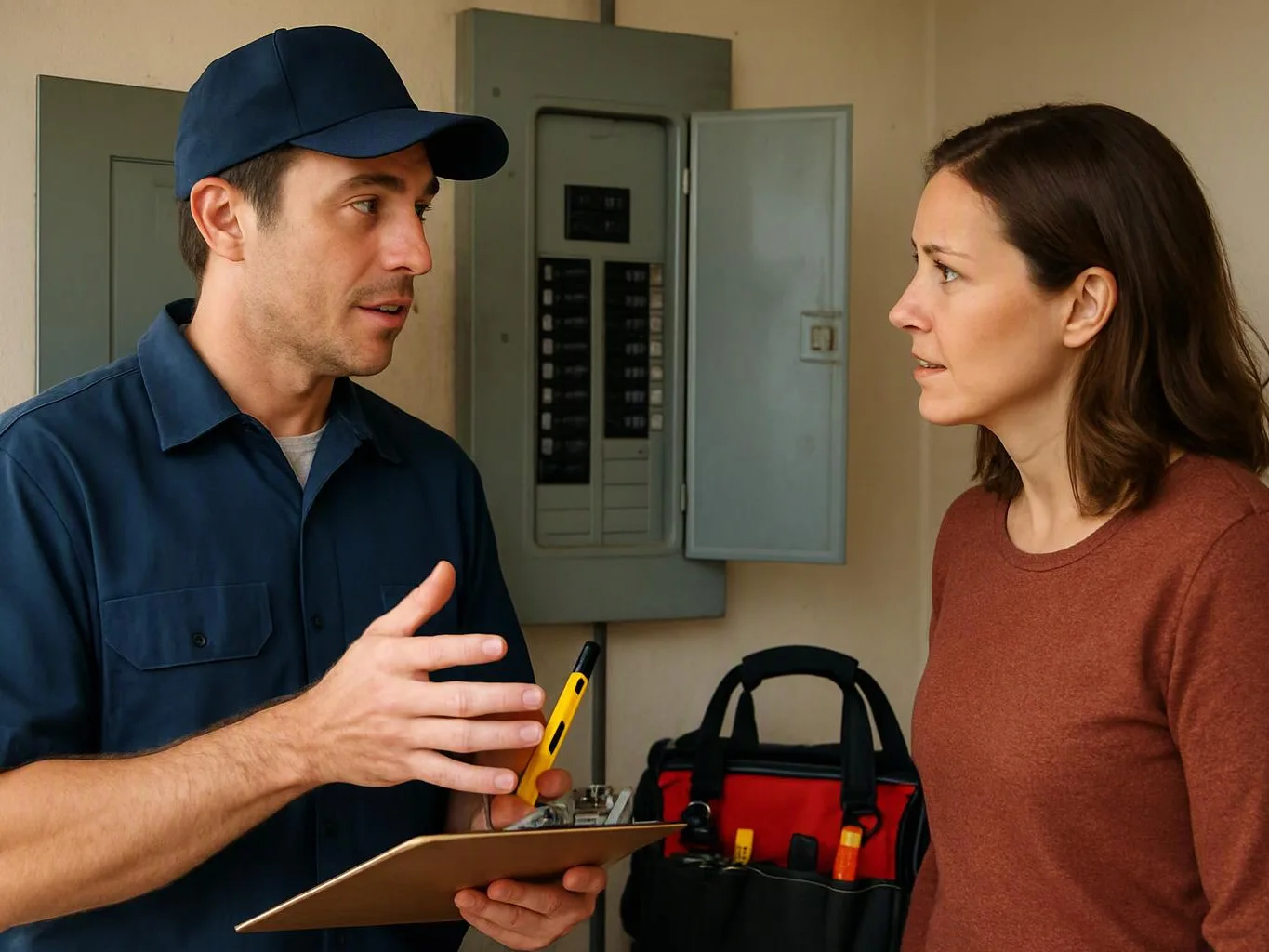
The generator type, transfer switch location, main panel location, affected circuits, and visible warning signs help define the first assessment. Photos of the switch and panel can also help if they show labels clearly. Keep access open to the electrical equipment and report any burning smell, buzzing, or sparking.