Skip to content

Commercial Electrical Emergency and Build-Out Services

A 24-hour commercial electrician helps businesses during electrical emergencies. We restore power, complete build-outs, install temporary construction power, and support fire alarm work. We also help with inspections. Commercial electrical contractors find hazards, shut off failed equipment, and plan repairs. They help protect your business while following safety rules. Please share load details, site access, alarm records, and the problem’s urgency. This helps us plan the right response. At Toledo Electrician, we coordinate urgent repairs and planned commercial electrical work. We work with owners, property managers, contractors, utilities, and inspectors.

Get a Free Estimate

What Does a Commercial Electrician Do in an Emergency?

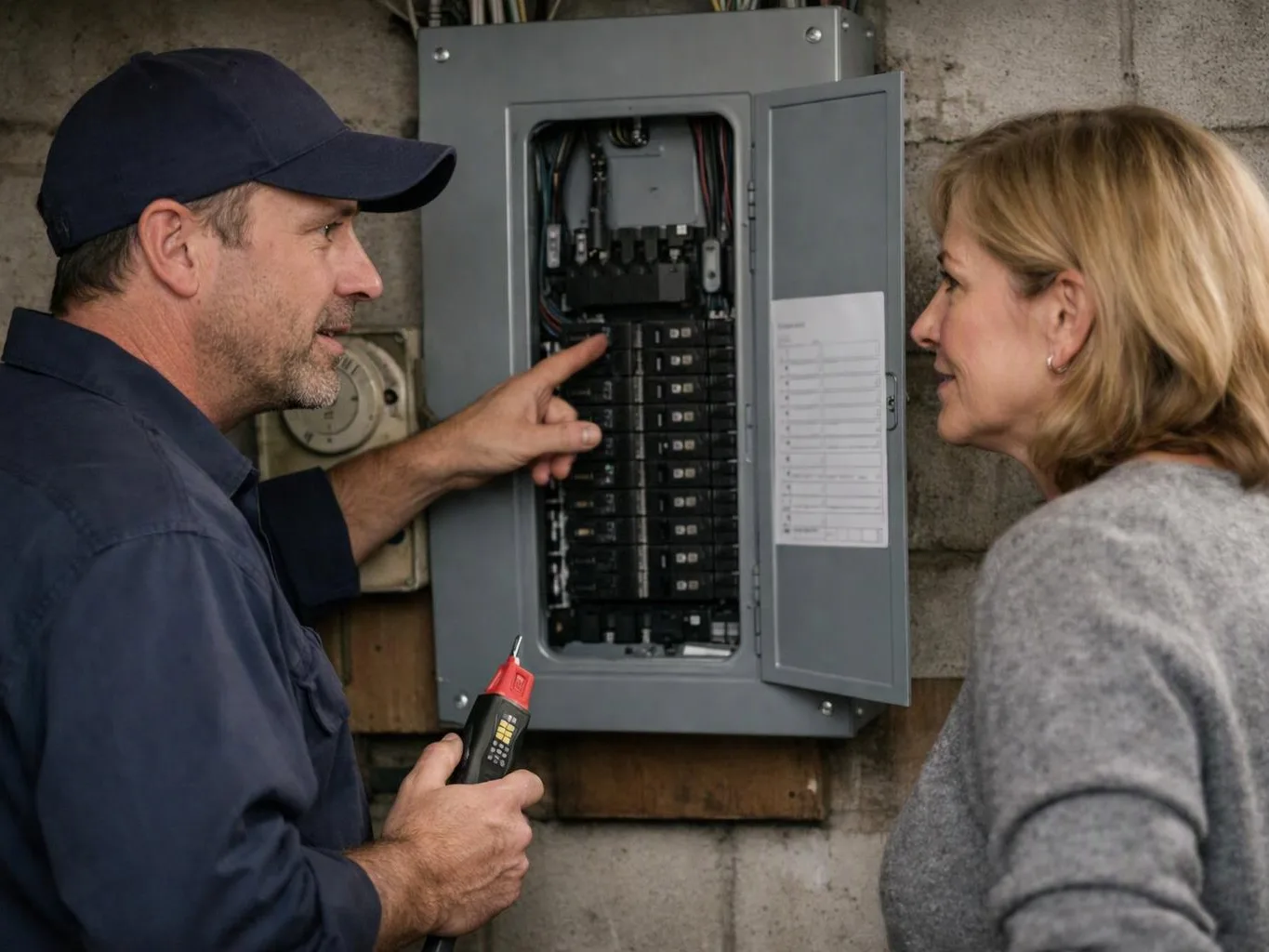
A commercial electrician makes an electrical emergency safe. The electrician finds the failed part and restores key service when possible. Work may include shutting off unsafe circuits, checking panels and wires, and repairing damaged equipment. It may also include temporary power and follow-up work for code needs.

Safety comes first. Our team checks for smoke, heat, burning smells, sparks, water, and damaged wire covers. Employees and customers may need to leave the area. The electrician then marks a safe work zone.

Next, the electrician checks the power path. This path runs from the utility service to the main disconnect, panel, feeders, branch circuits, and equipment. A failed breaker may only show the problem. Repeated trips may point to an overload, short circuit, ground fault, damaged wire, or failing appliance.

Emergency electrical repair may shut off one circuit while other areas stay open. This can protect refrigeration, security, access control, emergency lights, production equipment, and other key loads. A commercial emergency electrician may also arrange emergency power with a generator or temporary setup.

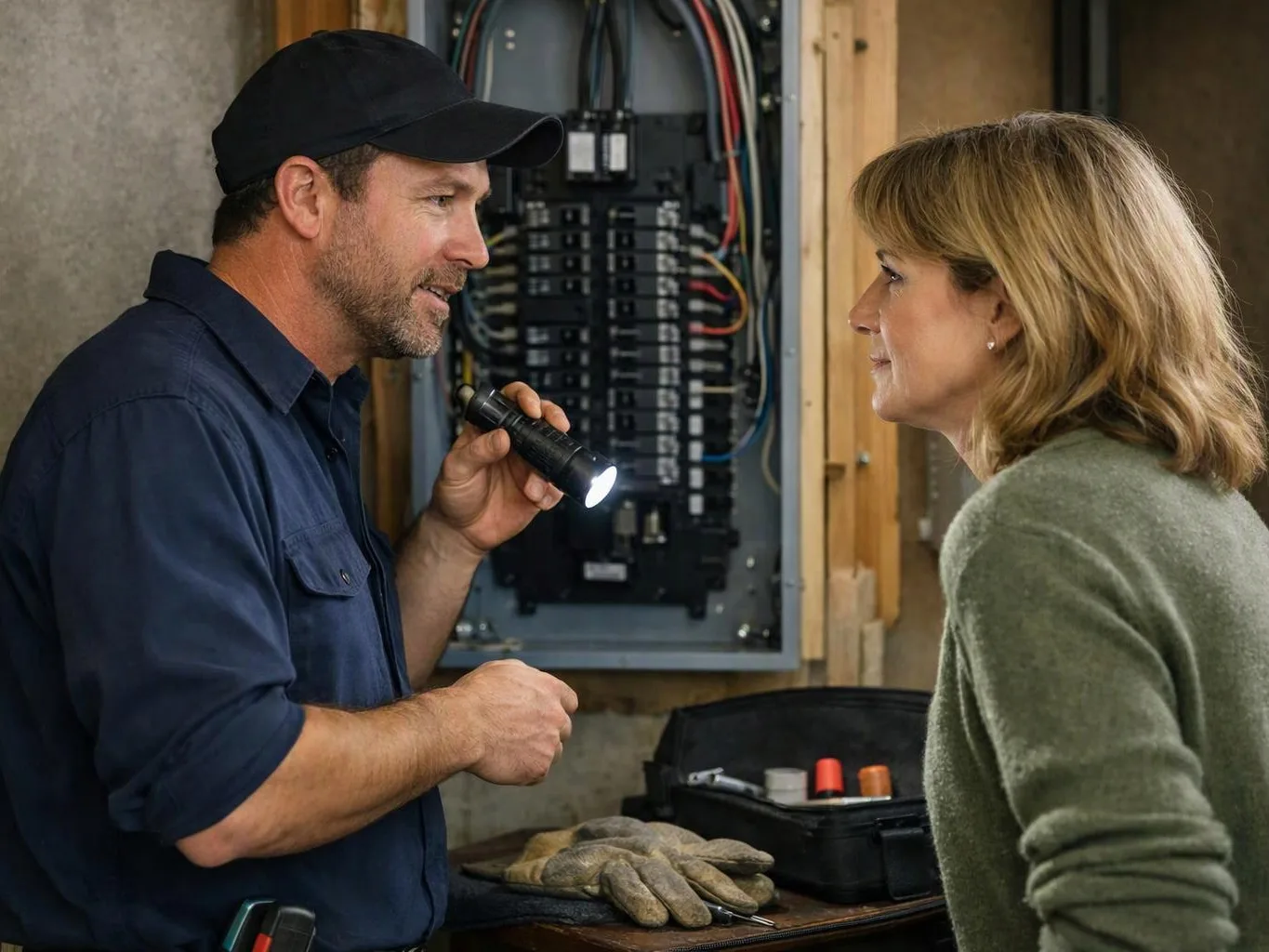
After the site is safe, we explain the repair. We’ll tell you if it’s temporary or permanent. Most first visits take about one to three hours. The time depends on access, testing, damage, and affected circuits. The final report may list test results, damaged parts, safety concerns, and needed upkeep.

Who Repairs a Commercial Power Outage?

A commercial electrical contractor repairs a business power outage when the problem is inside the building. The electrician checks utility status, service equipment, panels, feeders, breakers, and circuits. Then, the electrician finds the fault and restores power when safe. Utility-owned equipment may need the electric utility.

It helps to know who owns the failed equipment. First, check if nearby buildings also lost power. You can also check utility alerts and outside service lines. If power reaches the building, our crews can inspect the main disconnect, panel, feeders, and circuits.

Common causes include a tripped main breaker, failed contactor, loose connection, water damage, or overloaded equipment. A damaged feeder can also cause an outage. Testing must be done with care. Restoring power before finding the fault can cause another outage.

A backup generator can power select loads. It doesn’t fix the cause of an outage. The electrician checks generator size, transfer equipment, fuel or battery power, grounding, and airflow. We also check the loads being served. Load details show if the generator can run refrigeration, pumps, servers, lights, or production equipment.

Access matters, too. Locked electrical rooms, tenant spaces, gates, and work areas can slow the repair. Property managers should name approved contacts. They should also coordinate with staff, tenants, vendors, and the utility. Our team records whether the problem was on the utility side or building side. We explain the next safe step.

What Is Included in a Commercial Electrical Build-Out?

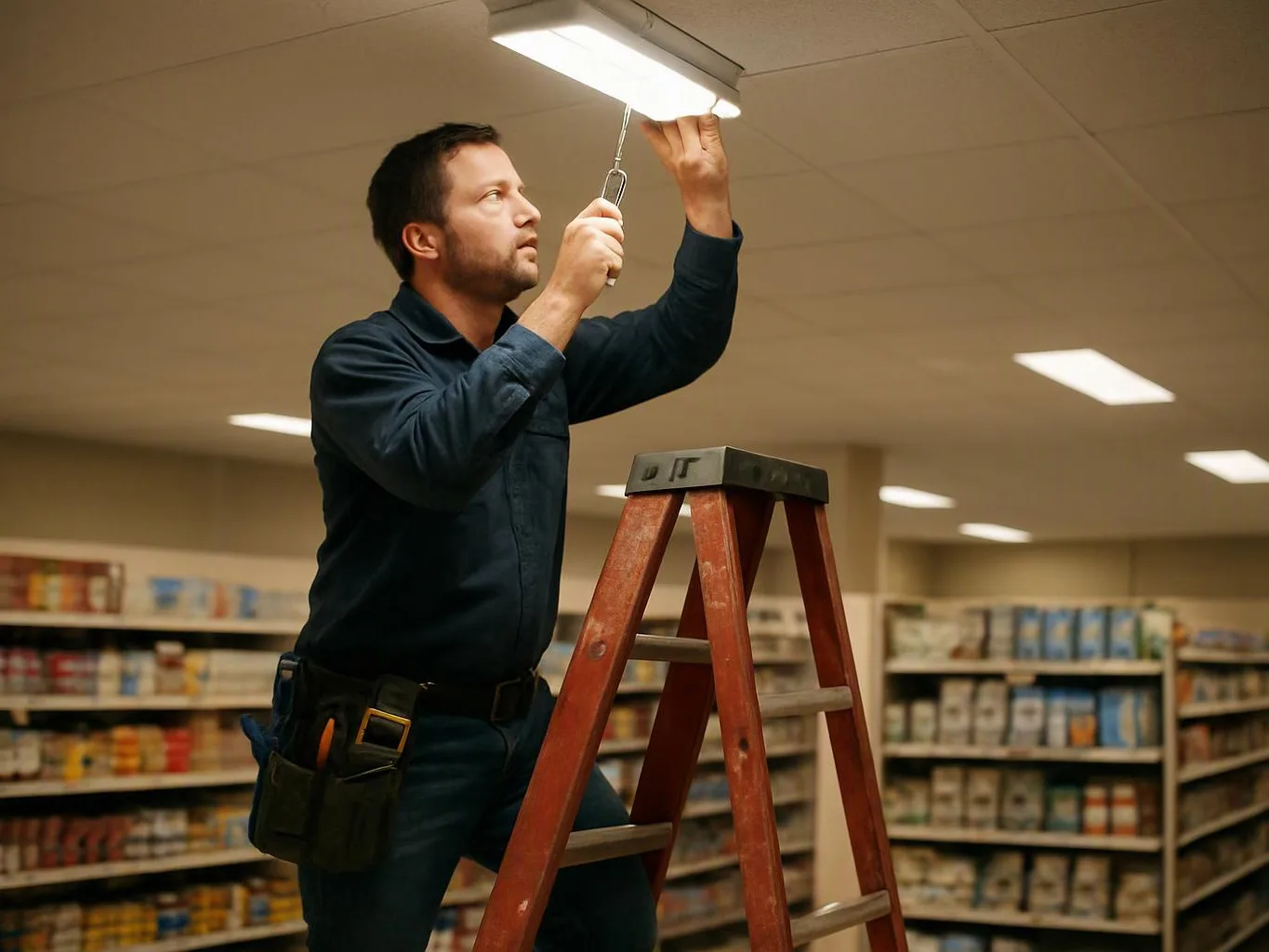
A commercial electrical build-out prepares a new or existing space for business use. It may include electrical plans, service equipment, panels, circuits, lights, outlets, and equipment hookups. It may also include life-safety systems, low-voltage work, testing, and inspection prep.

Commercial Electrical Build-Outs start with the space’s planned use. An office needs different power from a restaurant or warehouse. A clinic, store, or factory also has its own needs. Our team reviews plans, site conditions, load details, equipment sheets, access limits, and expected use.

Build-out area Typical work Planning concern
Electrical design Load checks, layouts, schedules, and equipment planning Future capacity and approved project scope
Distribution Service equipment, feeders, disconnects, and distribution panels Available capacity and safe circuit isolation
Lighting and power Indoor and outdoor lights, controls, outlets, and circuits Work tasks, energy use, equipment spots, and emergency lights
Equipment connections Connections for HVAC, kitchens, machines, pumps, appliances, and special loads Voltage, phase, disconnects, starting current, and maker rules
Low-voltage systems Planning for data, access control, cameras, phones, and alarms Pathways, spacing, power supplies, and trade schedules
Closeout Testing, labels, fixes, records, and electrical inspection prep Needed papers and inspector coordination

A full project also needs good teamwork. General contractors, property managers, fire alarm providers, utilities, vendors, and inspectors may control parts of the schedule. We plan shutdowns around business hours and production. We protect finished areas, label circuits, and record changes. This makes future service easier. Commercial Electrical Build-Outs in Toledo need this same care.

The final electrical inspection checks the finished work. It confirms that the work matches approved plans and safety rules. Inspection prep may include panel access, finished labels, test records, and fire alarm planning. It may also require fixes for visible problems. An inspection doesn’t replace safe design or good work. It is still a key step before project closeout.

When Is Temporary Power Needed on a Construction Site?

Temporary poweris needed when crews need electricity before permanent service starts. It’s also useful during service shutdowns.temporary power pole can run tools, lights, chargers, security systems, and job trailers. The setup must be sized, protected, inspected, and maintained.

Temporary electrical service may support new builds, tenant work, demolition, remodeling, utility delays, or planned shutdowns. The setup may include a power pole, service gear, site distribution, outlets, lights, disconnects, and protected cords or feeders.

Temporary power pole installations can support job trailers, tools, pumps, chargers, and site lighting.
Ground-fault protection helps lower shock risk around tools, cords, and outlets.
Jobsite distribution should separate loads and provide clear disconnects. Crews must be able to shut down equipment safely.
The setup must account for load, weather, starting power, cord length, and work stages.
Inspections can find damaged cords, wet equipment, loose connections, missing covers, and overloaded circuits.

Temporary systems need more than fewer parts. Site conditions change often. Vehicles, dust, rain, and moved equipment can create new risks. Our team works with the general contractor and utility. We check safe access and adjust the setup as work moves forward. Temporary power should be removed or changed when permanent service is ready.

Who Installs Commercial Fire Alarm Systems?

A qualified commercial fire alarm installer designs or installs a building’s fire alarm system. The work must follow project needs and safety standards. It may include the control panel, alarm devices, horns, lights, monitoring links, wiring, testing, and records. The installer also helps with required inspections.

24-Hour Commercial Electrical Service for Businesses

A commercial fire alarm system protects lives. It’s not just another electrical item. The design must fit the building, its use, and its alarm needs. The installer may work with the electrical contractor, fire alarm company, owner, manager, and inspector.

Devices may include smoke detectors, heat detectors, manual stations, water-flow switches, and duct detectors. They may also include other alarm devices. Alarm tools may include horns, strobes, speakers, or combo units. The control panel receives signals and shows system conditions.

Installation also covers wire paths, labels, power supplies, batteries, grounding, and system spacing. Older buildings can create extra challenges. Wiring may be undocumented. Ceiling access may be limited. Existing equipment may not match the new design.

Testing checks each part of the system. Devices must respond and send signals to the panel. Notification tools must work. Backup power and monitoring links must also work. We provide test records, noted problems, repairs, and system changes. Fire alarm work should protect occupants during construction.

Why Do Businesses Need 24-Hour Commercial Electrical Service?

Business continuity depends on safe and steady electrical service. Businesses need after-hours help because failures can stop work, harm equipment, and create danger. They can also affect staff, customers, tenants, and stock. Planned electrical work supports expansions, tenant work, inspections, and key systems.

Our emergency electrical service helps make an occupied business safe. Waiting until the next day may increase risk or lost work. A 24 Hour Electrician can shut off a damaged area and protect key equipment. We’ll explain if you need a repair, replacement, temporary power, or planned shutdown.

Business owners and managers commonly need the following support:

Power failures can stop sales systems, refrigeration, production equipment, access control, and needed lights.
Electrical safety problems can threaten employees, customers, tenants, stock, and the building.
Commercial spaces often need work planned around hours, people, vendors, and building schedules.
Build-outs and remodels need the right circuits, lights, equipment hookups, and life-safety planning.
Fast testing helps a business choose repair, isolation, load moves, or temporary power.

Features that matter to commercial customers include:

24-hour availability with clear updates and realistic access planning.
Commercial load checks and circuit-level troubleshooting.
Coordination with utilities, property managers, contractors, and inspectors.
Temporary power planning for construction or service outages.
Records of repairs, tests, problems, and suggested follow-up work.

Common challenges can affect emergency work and planned projects:

Utility ownership may be unclear near the service equipment.
Locked electrical rooms or tenant spaces may block safe access.
Unlabeled panels, old changes, or overloaded circuits can slow the repair.
Busy areas, production times, and sensitive equipment need careful work controls.
Fast power restoration must still allow for lasting repairs and inspections.

These jobs involve more than changing a breaker. Our crews check load size, circuit isolation, access, equipment needs, and shutdown effects. We work with owners, tenants, contractors, utilities, fire alarm providers, and inspectors. This helps prevent new safety or schedule problems.

How Should a Business Prepare for Emergency Electrical Work?

Emergency electrical repair is safer when people stay clear and the site is ready. Share the symptoms and provide safe access to the equipment. Helpful details include the outage time, alarms, smells, affected areas, recent work, panel locations, utility status, equipment needs, and electrical records.

1
Protect people first. Keep everyone away from smoke, water, sparks, exposed wires, hot equipment, and damaged rooms. Call emergency services for fire, immediate danger, or a medical emergency.
2
Do not reset repeatedly. A breaker that trips again may show a serious fault. Don’t remove covers or touch damaged equipment. Don’t enter a restricted electrical room without approval and training.
3
Record what happened. Note the time, affected areas, sounds, smells, alarms, weather, recent changes, and nearby outages.
4
Provide safe site access. Share the main room, panels, service gear, tenant areas, gates, keys, escorts, and site rules.
5
Gather electrical records. These may include panel schedules, one-line diagrams, inspection reports, service notes, fire alarm records, generator details, and plans.
6
Share load information and priorities. Tell the electrician which equipment must keep running. Examples include refrigeration, servers, pumps, security, medical equipment, and emergency lights.
7
Plan the shutdown and follow-up. Ask which circuits need isolation and which temporary steps are safe. Ask about testing and repair records.

Good preparation helps the electrician choose the right tools and parts. It also helps with access and testing. We can then coordinate with managers, utilities, contractors, fire alarm providers, and inspectors.

Questions About 24 Hour Electrician

How Quickly Can a Commercial Electrician Respond to an Emergency?

Response time depends on crew location, current calls, access, traffic, and danger. Tell us about the outage, hazards, affected equipment, utility status, and access limits. We can then rank the call and plan the response.

Can a Commercial Electrician Repair an Electrical Panel After a Power Surge?

Yes, a commercial electrician can check the panel, breakers, wiring, grounding, and connected equipment. The repair may include new parts, circuit isolation, equipment tests, and checks for the surge’s cause.

How Do Businesses Know if an Outage Is Caused by the Utility or the Building?

Check utility outage reports and nearby buildings, but don’t open live equipment. An electrician can check if utility power reaches the service equipment.

What Should a Business Do Before an Electrician Arrives?

Keep people away from the affected area and avoid repeated breaker resets. Record symptoms and check utility status. Arrange safe access to panels and electrical rooms. Gather panel schedules, repair records, alarm details, equipment needs, and site contact details.

How Often Should Commercial Fire Alarm Systems Be Inspected?

Inspection and testing times depend on the system, building use, local rules, monitoring setup, and inspector. Follow the required schedule and maker instructions. Keep records of tests, problems, repairs, alarms, and system changes.

Need help with an outage, build-out, temporary power plan, fire alarm system, or electrical inspection preparation? Share the site conditions and urgency so our team can recommend a safe next step.

Contact our commercial electrical team

Get a Free Estimate

+1 (419) 574-6561