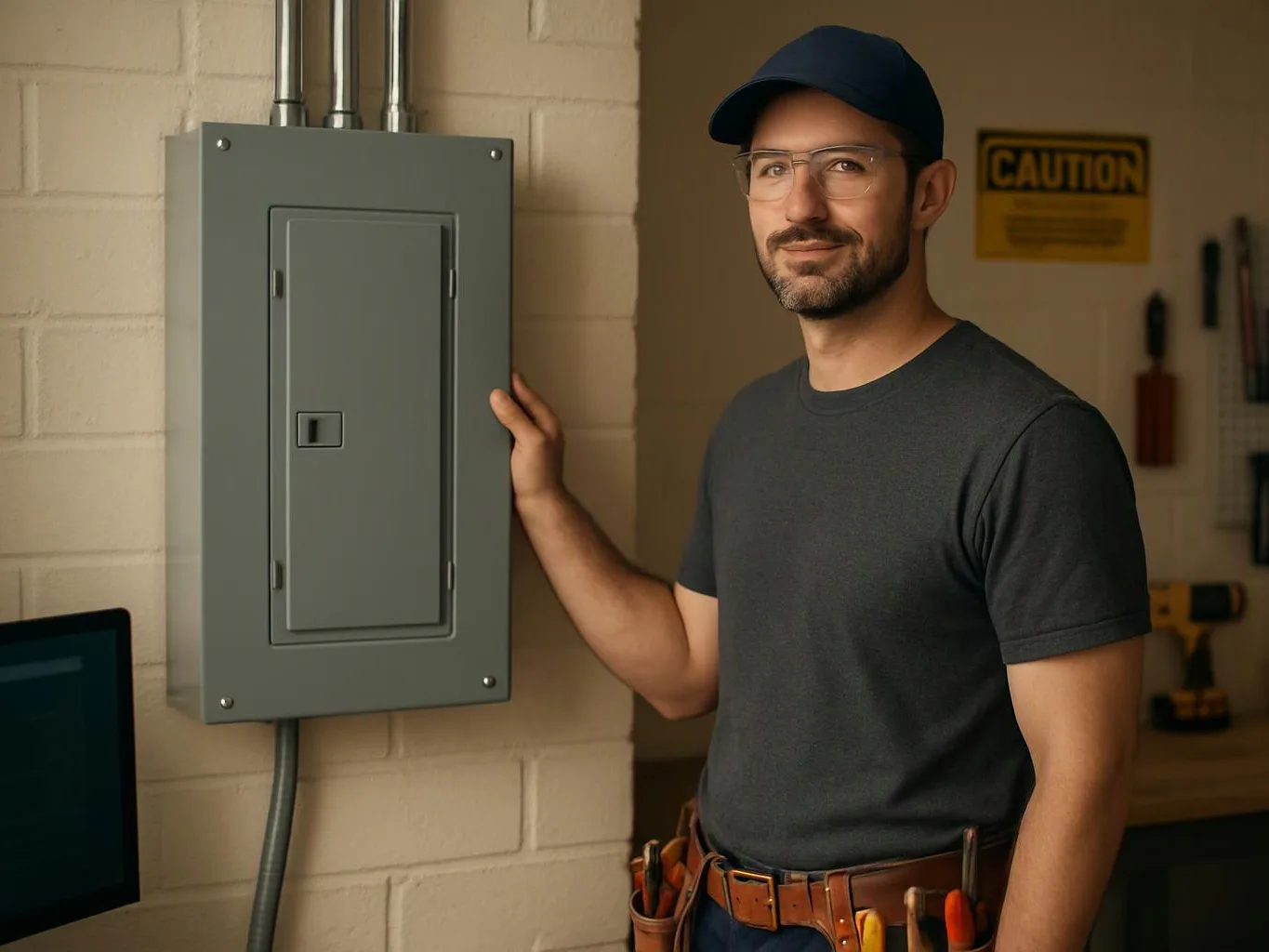
Circuit Breaker Replacement: Warning Signs, Safety, and Aftercare
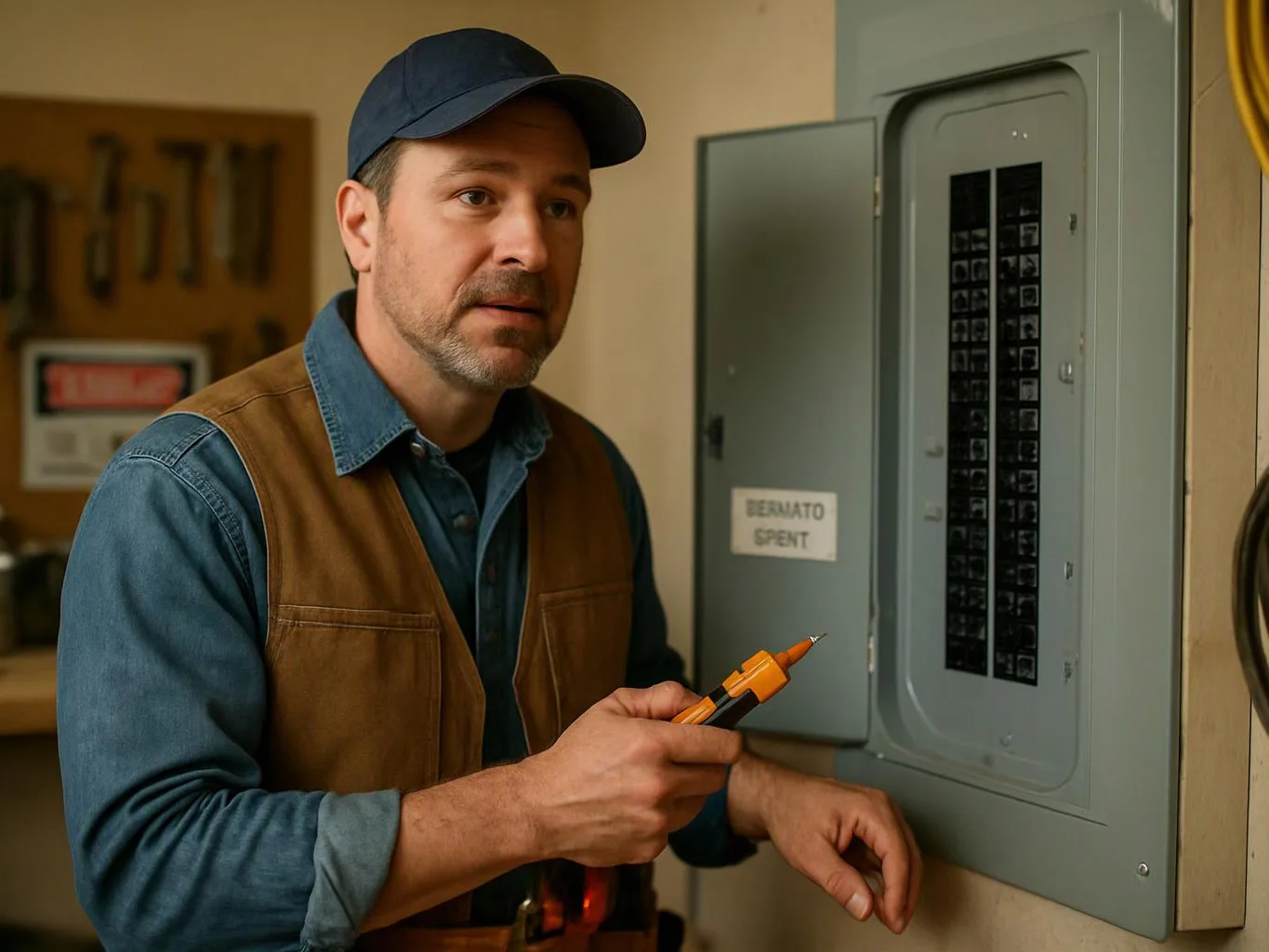
Circuit breaker replacement may be needed when a breaker shows heat damage, burning odor, physical deterioration, persistent tripping, or fails to reset. Toledo Electrician checks the breaker, panel, wiring, and circuit conditions, then replaces the faulty component and verifies safe operation.
Get a Free EstimateWhich Signs Suggest a Circuit Breaker May Need Replacement?
A circuit breaker may need replacement when it shows heat or burn damage, repeatedly trips after the circuit issue is addressed, will not reset, or no longer operates reliably. Our team checks the breaker and the connected circuit before deciding whether replacement is appropriate.
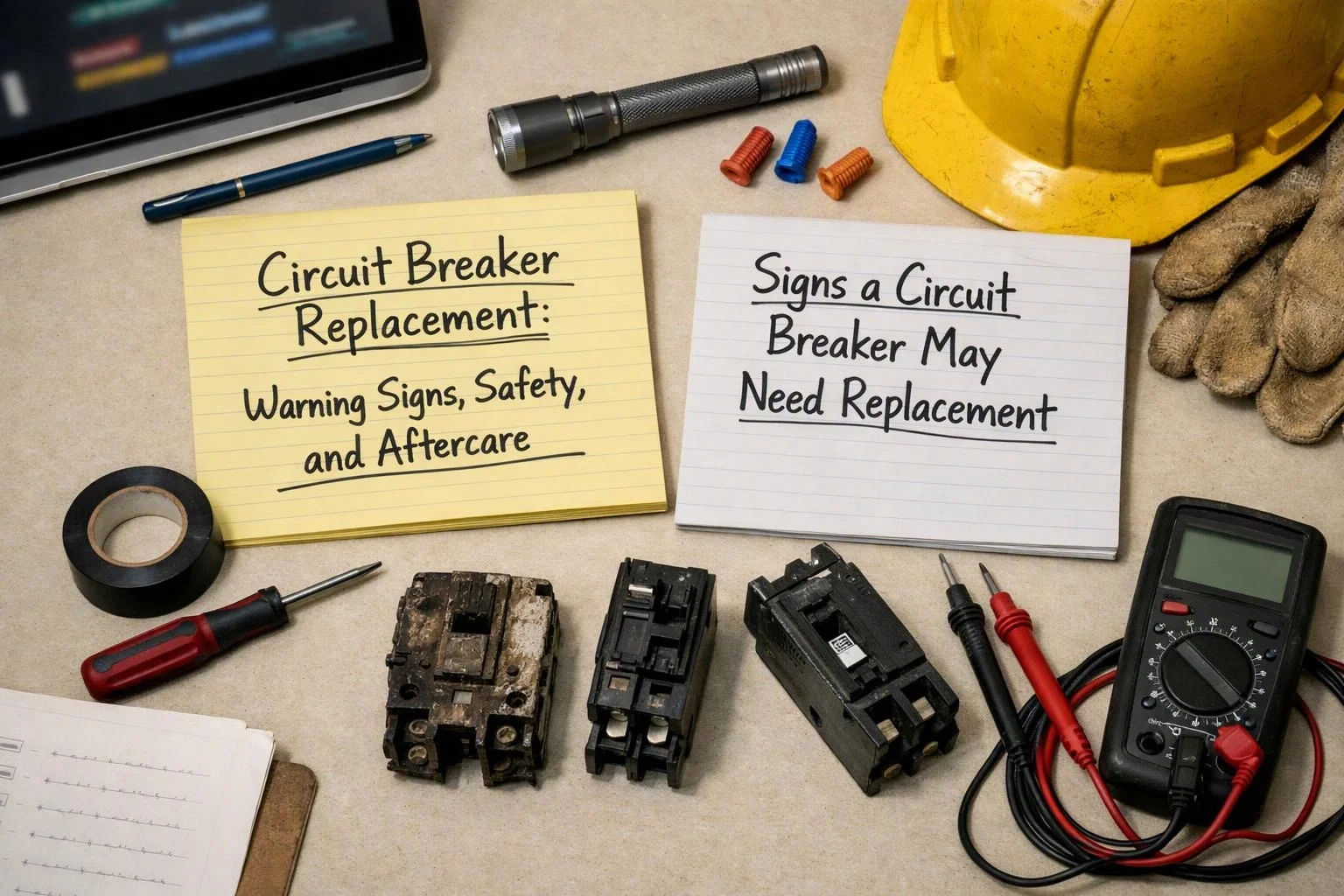
A buzzing noise, unusual warmth, or a burning smell calls for caution. We inspect the panel before attempting breaker replacement.
What Repeated Circuit Breaker Trips May Indicate
Repeated circuit breaker trips indicate that the circuit is experiencing an overload, fault, damaged wiring, or a breaker problem that requires diagnosis before replacement. A tripped breaker protects the circuit by interrupting power when current or fault conditions become unsafe.
An overload can occur when connected equipment demands more power than the circuit can safely carry. A short circuit, ground fault, faulty appliance, loose connection, or damaged circuit wiring can also cause repeated trips. We trace the circuit condition so the underlying electrical fault is not left behind after a breaker is changed.
The guide Why Does My Circuit Breaker Keep Tripping? can help explain recurring trips. Persistent problems require circuit diagnosis and panel inspection by Toledo Electrician.
What Causes Circuit Breaker Problems?
Common circuit breaker problems come from overloaded circuits, wiring faults, loose connections, or breaker deterioration. We identify the cause before installing a replacement breaker.
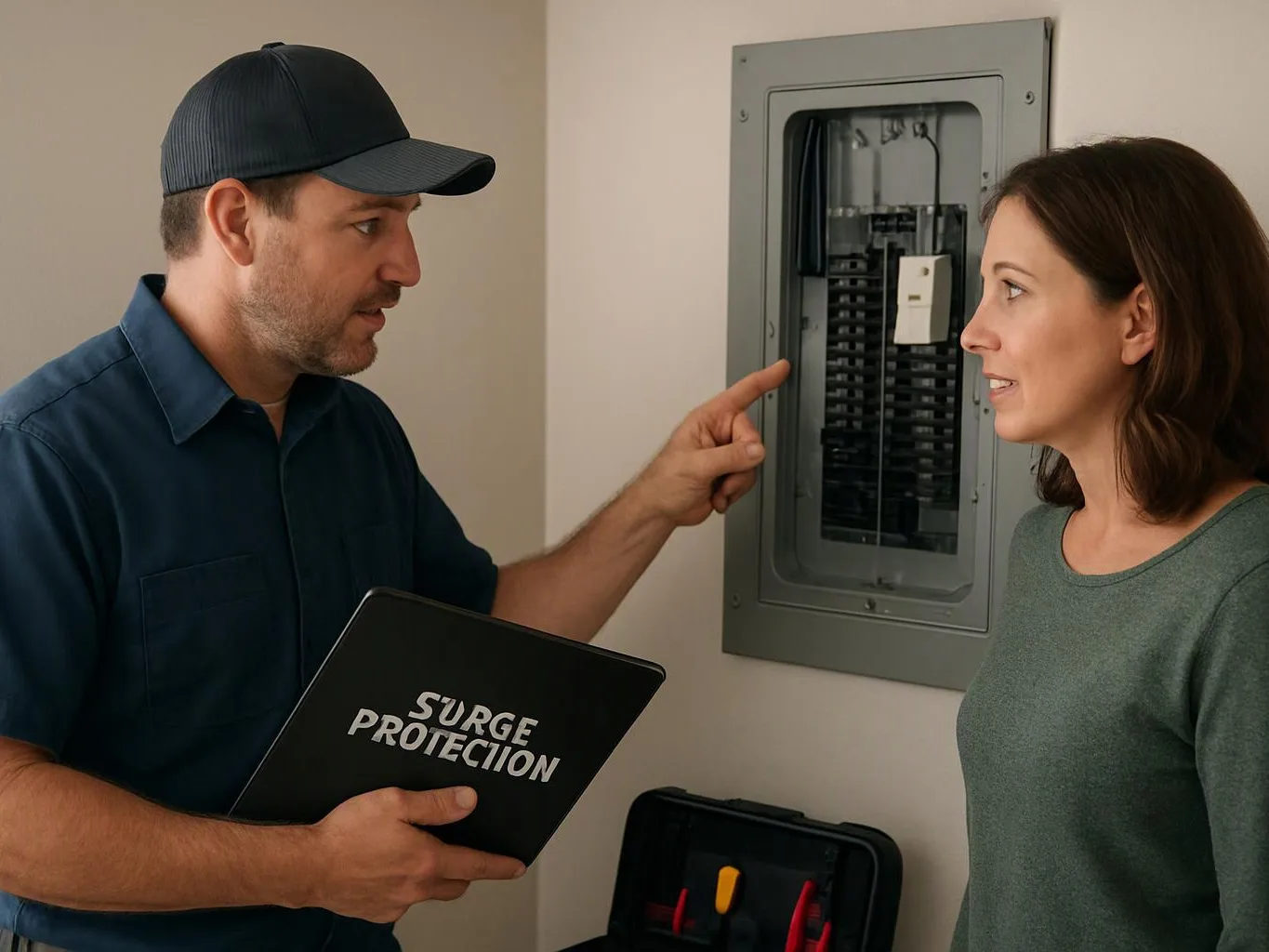
Different conditions can produce similar symptoms. Our crew checks the breaker terminals, bus bar, circuit conductors, and connected equipment to separate a breaker problem from a circuit problem.
What Safety Precautions Apply to Circuit Breaker Replacement?
Circuit breaker replacement requires electrical safety controls because an electrical panel can contain energized parts even when an individual breaker is switched off. Contact with energized equipment can cause electric shock or arc flash.
Our team identifies the correct disconnecting procedure, confirms the panel condition, and uses appropriate personal protective equipment. We also check the main disconnect and surrounding equipment because switching off one breaker does not make every part of the electrical panel safe to touch.
Do not remove the panel cover, loosen breaker terminals, or handle exposed conductors. Electrical safety depends on controlling the entire work area and verifying that the equipment is safe before work begins.
What You Can Safely Check Before Service
You can safely check the breaker position, connected appliance load, visible damage, burning smell, and signs of water exposure without removing the panel cover. These observations help us understand the problem before service.
Move away from the panel if you see smoke, sparks, active water exposure, or severe heat. Do not keep operating a damaged breaker or repeatedly resetting one that trips.
How Toledo Electrician Checks and Replaces a Faulty Breaker
Toledo Electrician identifies the circuit problem, verifies breaker and panel compatibility, replaces the faulty breaker when appropriate, and tests the circuit for safe operation. Our process focuses on both the replacement part and the condition that caused the failure.
Our estimate explains the work needed, the parts involved, and the conditions found during diagnosis. Circuit Breaker Replacement is handled as electrical panel service, not as a simple handle swap.
How Can You Prevent Future Circuit Breaker Problems?
You can reduce future circuit breaker problems by managing circuit loads, addressing damaged appliances, keeping the panel accessible, and arranging inspection when trips recur. We look for patterns that show whether a circuit needs repair, redistribution, or further testing.
Recurring trips should not be treated as a routine reset issue. Our team can inspect the circuit and panel when the same breaker continues to operate unexpectedly.
What to Check After Circuit Breaker Replacement
After circuit breaker replacement, the circuit should be tested for correct operation, secure connections, abnormal heat, recurring trips, and safe panel condition. We complete post-replacement testing before considering the work finished.
A new breaker that trips immediately needs further diagnosis. The replacement may be responding to an active short circuit, ground fault, overloaded circuit, faulty appliance, or wiring problem.
When Should a Circuit Breaker Problem Receive Immediate Attention?
A circuit breaker problem needs immediate attention when the panel emits smoke, sparks, burning odor, unusual heat, or shows signs of water exposure. These conditions can indicate an active electrical fault and a risk of shock, arcing, or fire.
Repeated power loss also needs prompt evaluation when it affects the same circuit or occurs with buzzing, heat, or visible damage. Stop using affected equipment when safe to do so, keep clear of the panel, and contact Toledo Electrician for an inspection.
Do not touch electrical equipment that is wet or near standing water. If there is active smoke or fire, leave the area and contact emergency services before electrical service is attempted.
Our team checks the panel, breaker, circuit wiring, and surrounding conditions to determine the safest next step.
Questions About Circuit Breaker Replacement
Can a circuit breaker be faulty without tripping?
Yes, a circuit breaker can be faulty without tripping when its internal mechanism, terminals, or connection has deteriorated. Toledo Electrician checks breaker operation, panel condition, and circuit performance when power problems occur without a visible trip.
Should I keep resetting a circuit breaker that keeps tripping?
No, you should not keep resetting a circuit breaker that keeps tripping. Repeated tripping can indicate an overload, short circuit, ground fault, faulty appliance, or wiring problem that needs diagnosis.
Can I replace a circuit breaker with a different brand?
No, a different brand should not be used unless the breaker is specifically listed and approved for the electrical panel. Breaker compatibility depends on the panel design, breaker type, and circuit requirements.
What happens if a new circuit breaker trips immediately?
A new circuit breaker that trips immediately usually signals an unresolved overload, short circuit, ground fault, faulty appliance, or circuit wiring issue. Further circuit diagnosis is needed before the breaker is reset again.
Call Toledo Electrician when a breaker shows burn damage, will not reset, trips repeatedly, or operates with heat, odor, or noise. We inspect the condition, explain the needed electrical repair, and verify safe operation after the work.
Free Estimates Available.
Get a Free EstimateRelated Resources
Electrical Panel Upgrade Cost Factors: Amperage, Breakers, Labor, and Scope
Compared ToCircuit Breaker Repair vs. Replacement: Which Do You Need?
When You Need ItHow to Tell If a Circuit Breaker Is Bad
What to AvoidElectrical Panel Upgrade Mistakes: What Not to Do Before Hiring an Electrician