How to Tell If a Circuit Breaker Is Bad
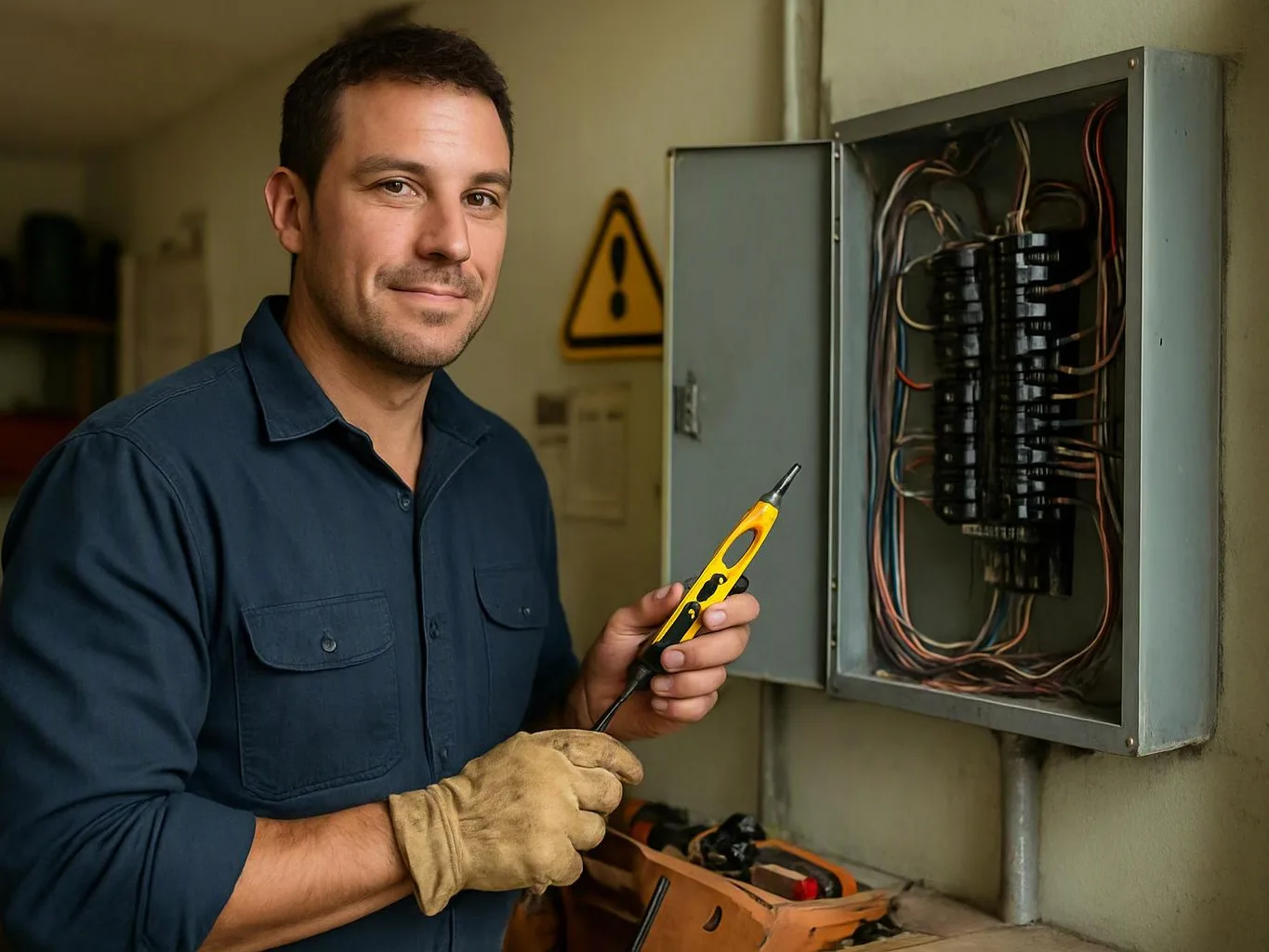
Circuit breaker warning signs include repeated trips, failure to reset, unusual heat, buzzing, visible damage, or a burning smell. Stop using the affected circuit when danger signs appear, and Toledo Electrician can test the breaker, troubleshoot the panel, and complete circuit breaker repair or replacement.
Get a Free Estimate
What Are the Signs of a Bad Circuit Breaker?
A bad circuit breaker may trip repeatedly, fail to reset, feel unusually hot, make noise, show damage, or produce a burning smell. These signs can also point to an overload, wiring fault, or connected appliance problem, so we test the full circuit before deciding that the breaker itself has failed.
Turn off the circuit and stop using it when you notice smoke, a burning smell, strong heat, visible scorch marks, or crackling. We can inspect the electrical panel and determine whether the fault is in the breaker, wiring, or connected equipment.
Why Won’t the Circuit Breaker Reset?
A circuit breaker may refuse to reset because an overload, short circuit, ground fault, or failed breaker is still affecting the circuit. A breaker reset does not remove the condition that caused the trip.
An overloaded circuit can result from too many connected appliances drawing power at once. We assess the load and inspect the wiring before restoring power.
A short circuit or ground fault can create an unsafe path for current. Our electrical troubleshooting traces the fault through the circuit and electrical panel.
A connected appliance can also cause a breaker to trip or prevent a stable reset. Unplugging equipment may help identify the source, but repeated trips require testing by our team.
What Does a Hot or Burning Breaker Mean?
A hot circuit breaker or burning smell signals potentially dangerous overheating, arcing, or a poor electrical connection that needs prompt attention. Heat can damage the breaker housing, terminal, bus connection, and nearby wiring.
Electrical arcing may occur when a loose electrical connection allows current to jump across a gap. We turn off the affected circuit when safe, inspect for damage, and test the panel before recommending a repair.
Overheating creates a fire hazard when it continues inside the electrical panel. Do not touch a visibly damaged breaker or keep using a circuit that smells burned.
For related warning signs, our guide titled “When Is an Electrical Problem an Emergency? Signs You Need a 24-Hour Electrician” explains when electrical danger requires immediate action.
How We Test a Suspected Bad Circuit Breaker
We test the circuit breaker alongside the connected wiring and electrical load so the underlying fault is identified before repair or replacement. Our electrical troubleshooting separates a failed breaker from an overload, short circuit, ground fault, or loose connection.
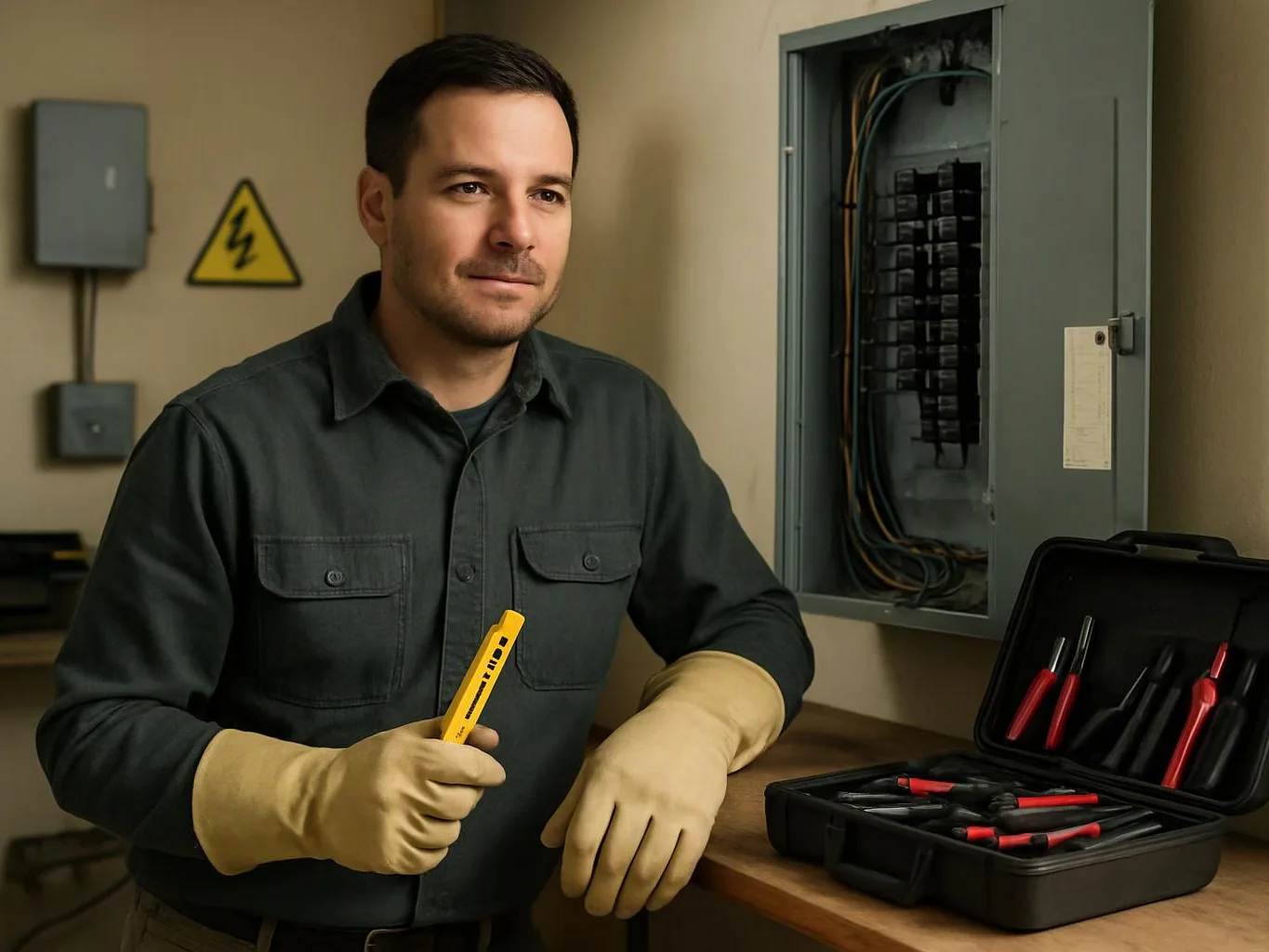
We begin with an electrical panel inspection for heat, discoloration, damaged parts, and poor connections. We then use voltage testing to check whether power reaches the breaker and leaves it correctly.
Our team performs a load assessment to compare the circuit demand with the breaker rating and connected equipment. We also investigate circuit wiring and appliances when the symptoms point beyond the breaker.
Short circuit diagnosis and ground fault testing help prevent a new breaker from being installed on a circuit that still has an unsafe fault.
DIY Checks Compared With Calling Toledo Electrician
You can perform limited visual checks and one careful reset when the panel shows no danger signs, while we handle testing, repair, replacement, and fault diagnosis. Electrical safety comes first because the panel can contain energized parts even when a branch breaker is off.
Do not remove the panel cover, tighten terminals, or handle a hot or damaged breaker. Our crew uses electrical troubleshooting methods that protect the panel and identify the cause of the problem.
| Factor | What you can do yourself | What we do |
|---|---|---|
| Electrical safety | Keep away from smoke, heat, burning odors, exposed parts, and damaged breakers. | We make the circuit safe and inspect the electrical panel for hazards. |
| Breaker reset | Move the handle fully off and back on once when there are no danger signs. | We test why the breaker tripped and confirm whether it can safely operate. |
| Circuit inspection | Unplug appliances and look for visible damage without opening the panel. | We inspect wiring, connections, load, and connected equipment. |
| Circuit breaker repair | Do not open or modify the breaker. | We diagnose the fault and complete the needed repair. |
| Circuit breaker replacement | Do not install a breaker based only on appearance or handle position. | We match the replacement to the breaker rating, panel compatibility, and circuit condition. |
When Should a Circuit Breaker Be Replaced?
A circuit breaker should be replaced when testing confirms that the breaker has failed or when its condition makes continued operation unsafe. A tripping breaker is not automatically defective because overloads, short circuits, ground faults, and connection problems can cause the same symptom.
We check the breaker rating, panel compatibility, breaker housing, terminals, and bus connection before selecting a replacement. The replacement must match the electrical panel and the circuit design.
A failed circuit breaker may show physical damage, fail voltage testing, trip without a circuit fault, or refuse to hold its position. We replace the breaker only after checking the circuit condition and correcting any related fault.
What Happens During Circuit Breaker Repair or Replacement?
Circuit breaker repair or replacement begins with electrical troubleshooting that identifies the reason for the symptom. Our process keeps the repair focused on the actual fault.
How Do You Get an Exact Quote for the Work?
The exact quote depends on the breaker type, panel compatibility, circuit condition, and whether troubleshooting or related repairs are required; we can assess the work and provide an estimate. Labor also depends on the access, testing, and repair steps needed for the specific electrical panel.
We identify whether the job calls for circuit breaker repair, circuit breaker replacement, or correction of an overload, short circuit, ground fault, or loose electrical connection. Our estimate explains the work included so you can understand what the quote covers.
To request an assessment from Toledo Electrician, use Circuit Breaker Repair as the service request.
Questions About Bad Circuit Breakers
Can a circuit breaker go bad without tripping?
Yes, a circuit breaker can fail without tripping if its internal mechanism, terminal, or connection is damaged. Toledo Electrician tests voltage and inspects the breaker and panel to identify the fault.
Is a breaker that keeps tripping always bad?
No, a breaker that keeps tripping may be responding to an overload, short circuit, ground fault, appliance problem, or failed breaker. We test the circuit before recommending repair or replacement.
Can I replace a circuit breaker myself?
No, replacing a circuit breaker involves energized panel hazards, breaker rating, panel compatibility, and circuit testing. We handle the diagnosis, replacement, and electrical panel testing.
Should I turn off the main breaker if I smell burning?
A burning smell from an electrical panel requires immediate caution, and you should avoid touching a hot or damaged panel. If you can safely leave the area, stop using the circuit and contact Toledo Electrician for guidance and inspection.
Can a bad circuit breaker damage appliances?
Yes, a bad circuit breaker or related electrical fault can create unstable power or leave a circuit without proper protection. We test the breaker, wiring, and connected load to reduce the risk of continued equipment damage.
Stop using a circuit with heat, burning odors, crackling, visible damage, or repeated unexplained trips. Toledo Electrician can test the breaker, inspect the electrical panel, and explain whether repair or replacement is the right next step.
Get a Free Estimate