Whole-Home Rewiring: Signs, Planning, and Safety Considerations
Whole-home rewiring may be necessary when a home has outdated or damaged wiring, recurring electrical faults, overheating, or unsafe components. Toledo Electrician checks the electrical system, identifies the cause, explains the rewiring scope, and provides Free Estimates Available before work begins.
Get a Free EstimateWhat Signs Suggest a Home May Need Whole-Home Rewiring?
Whole-home rewiring may be needed when a home shows repeated electrical faults, overheating, visible wire damage, or other signs that the wiring system cannot safely support the property.
One symptom may come from an isolated component, but repeated symptoms can point to a wider problem. We inspect the system to separate a local repair from a broader rewiring need.
Why Do Older Homes Develop Rewiring Problems?
Older homes develop rewiring problems when insulation deteriorates, circuits become overloaded, wiring systems age, or earlier alterations create unsafe connections.
Deteriorated insulation can expose conductors to movement, heat, moisture, or contact with other components. Obsolete wiring systems may also lack the grounding and circuit capacity expected by modern appliances.
Previous electrical alterations can leave hidden junctions, mixed wiring methods, or poorly connected branch circuits. We trace these conditions during an electrical inspection so the cause guides the repair plan.
What Common Causes Can Lead to Whole-Home Rewiring?
Common causes include aging materials, wiring methods that no longer suit the property, circuit overload, and damage caused by water or pests.
Our team checks the visible system and follows circuits to determine whether one area or much of the home needs correction.
How Does Toledo Electrician Assess a Rewiring Project?
Toledo Electrician assesses a rewiring project by examining the service panel, branch circuits, wiring condition, grounding, electrical load, and visible safety hazards before explaining the work needed.
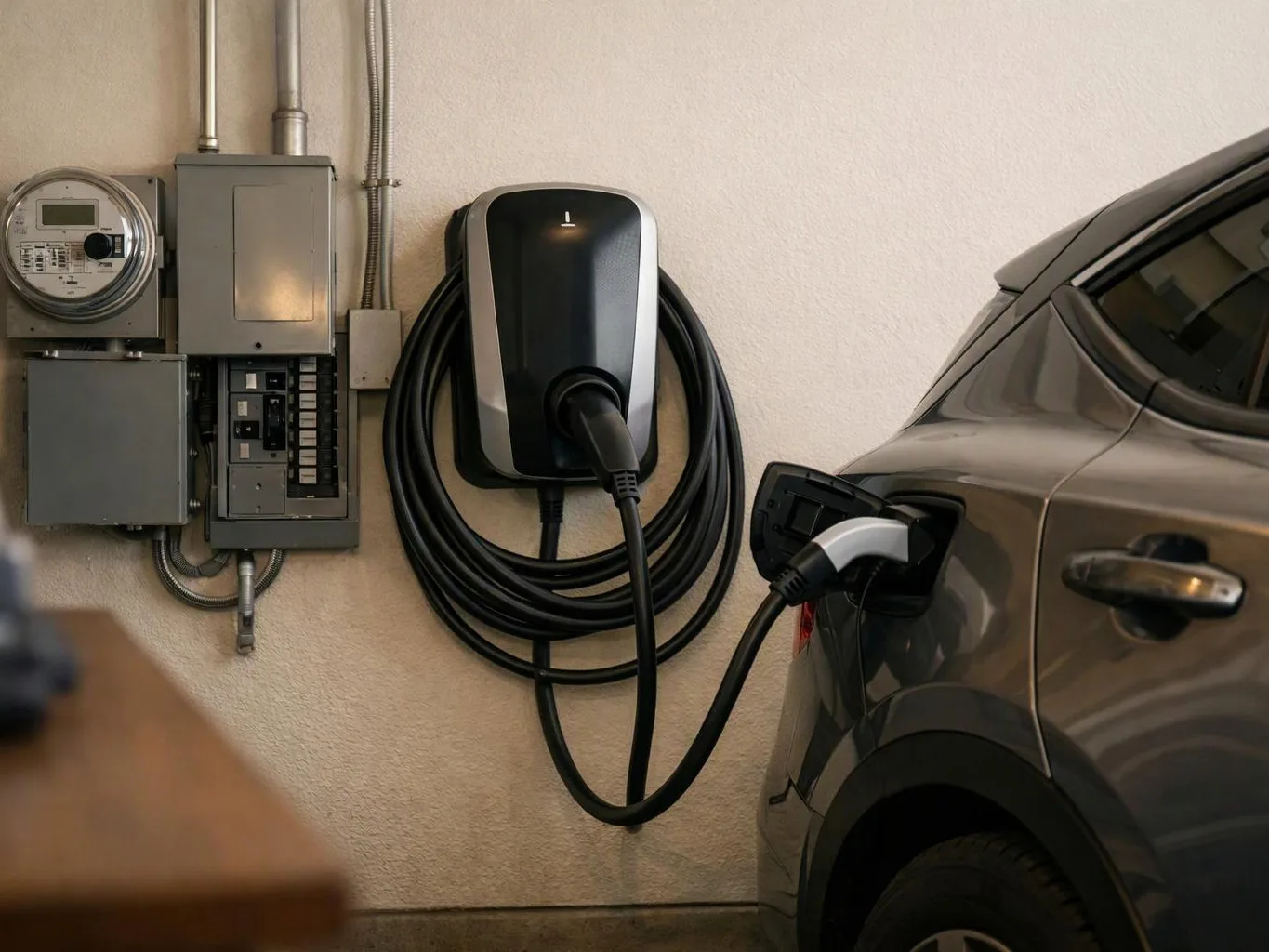
We inspect the service panel and circuit breakers for heat damage, loose connections, mismatched protection, and signs of circuit overload. We then trace branch circuits to outlets, switches, fixtures, and junction boxes.
Our team reviews the grounding system and tests accessible parts of the residential electrical wiring. Circuit mapping helps us identify which areas share power and where damaged wiring or unsafe alterations may be hidden.
The result is a rewiring assessment that separates immediate safety concerns from the full rewiring scope. We explain the findings in plain language and prepare a quote for rewiring that reflects the work identified during the assessment.
What Does a Whole-Home Rewiring Plan Include?
A whole-home rewiring plan includes the electrical assessment, planned circuit work, access needs, device placement, testing, and power restoration steps.
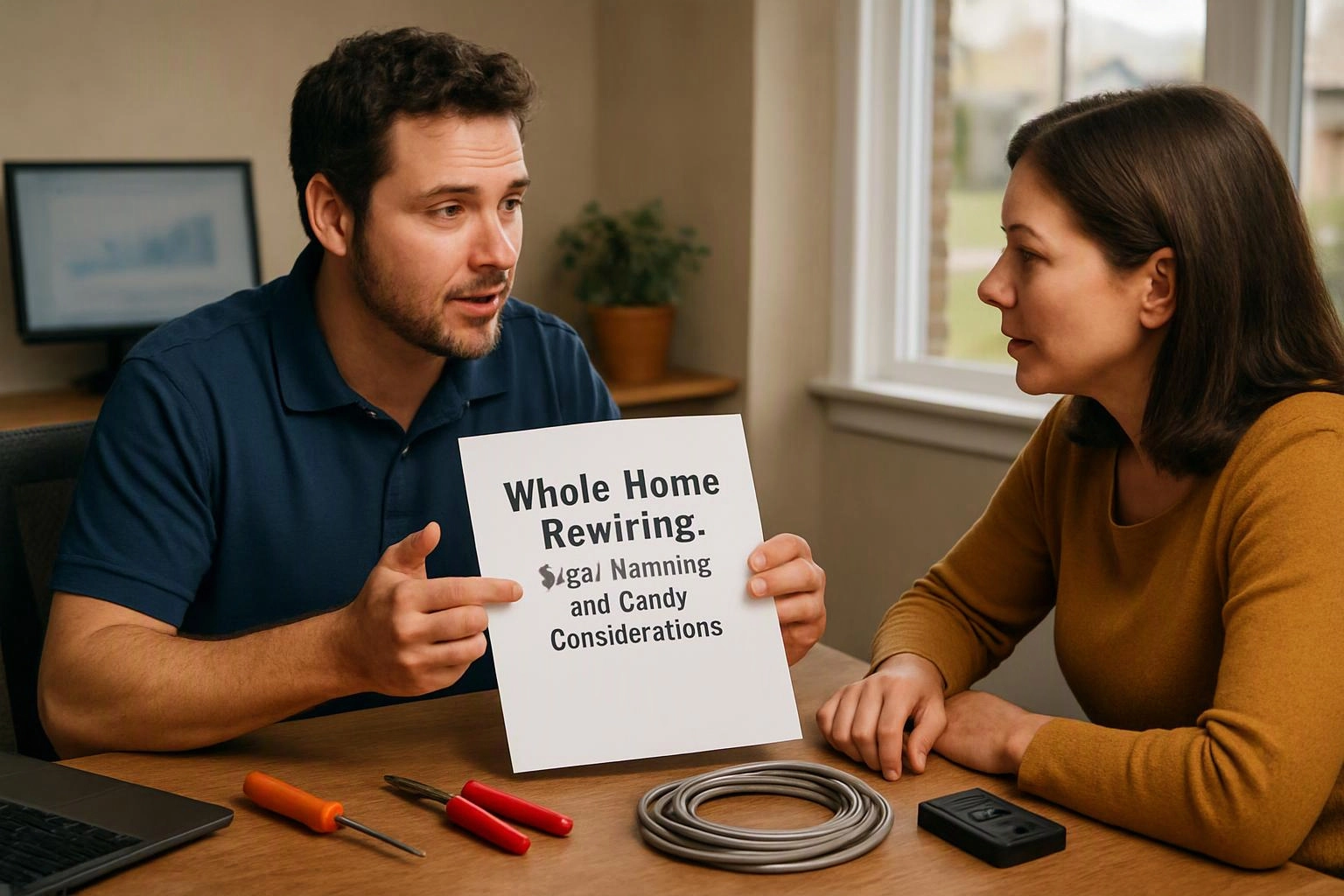
Our crew builds the plan around the home’s layout, existing conditions, and electrical needs. The scope may change when concealed damage or unsafe connections appear during access work.
Which Safety Considerations Matter During Rewiring?
Whole-home rewiring requires de-energized circuits, controlled access to wiring, protection from electrical shock and fire hazards, and careful testing before circuits return to service.
We isolate the circuits being worked on and control access to exposed conductors. This reduces the chance of an arc fault, accidental contact, or fire hazard during the project.
Wall and ceiling access can create dust, open areas, and temporary power interruption. We coordinate access and keep the work area organized while protecting people and property.
Our team completes circuit testing before power restoration. We verify connections, grounding, protective devices, and outlets as part of the electrical inspection.
How Can Homeowners Help Prevent Electrical Wiring Problems?
Homeowners can help prevent wiring problems by managing circuit loading, watching for damage, and reporting unusual heat, odor, sparks, or shocks.
Simple observations can reveal a developing issue, but you should not open electrical panels or disturb old wiring. We can assess concerns that are not safe to test yourself.
When Should a Homeowner Stop Using a Circuit?
A homeowner should stop using a circuit when an outlet, switch, cord, or electrical panel produces smoke, sparks, a burning odor, unusual heat, or an electric shock.
Turn off the circuit breaker only if you can do so safely without touching damaged equipment or standing in water. Keep people away from the affected area and contact Toledo Electrician for an assessment.
Do not reset a circuit breaker repeatedly when it trips. Repeated trips can signal an overloaded circuit, damaged wiring, an arc fault, or a failing electrical device.
Questions About Whole-Home Rewiring
Can a home need rewiring without visible damage?
Yes, a home can need rewiring without visible damage when hidden insulation, connections, grounding, or circuit capacity create a safety concern. Toledo Electrician traces circuits, checks accessible components, and uses testing to identify problems that are not obvious from the outside.
Is partial rewiring enough for an older home?
Yes, partial rewiring may be enough when the electrical inspection shows that the remaining wiring is safe, grounded, and suitable for the home’s electrical load. We explain which circuits need work and why before defining the rewiring scope.
Can homeowners test old electrical wiring themselves?
Homeowners can look for safe-to-observe warning signs, but they should not open electrical boxes, remove panel covers, or handle old wiring. We perform the rewiring assessment and testing needed to evaluate concealed electrical hazards.
What should homeowners remove or protect before rewiring begins?
Homeowners should clear access to outlets, switches, the service panel, and planned wall or ceiling work areas before rewiring begins. Our team explains the access plan so furniture, belongings, and fragile items can be protected.
Whole-home rewiring is a safety-focused electrical system upgrade that requires clear scope, controlled access, and testing before power restoration. Toledo Electrician can review the warning signs, explain the rewiring options, and provide Free Estimates Available before work begins.
Contact Toledo Electrician to discuss your home’s residential electrical wiring and request an assessment.