Whole-Home Rewiring Mistakes to Avoid With Knob-and-Tube or Aluminum Wiring
Whole-home rewiring mistakes include incomplete inspections, mixing incompatible wiring, disturbing hazardous insulation, skipping code corrections, and choosing repairs without a complete plan. Toledo Electrician checks the existing system, explains the correction plan, and provides Free Estimates Available before work begins.
Get a Free EstimateWhy Whole-Home Rewiring Mistakes Matter
Whole-home rewiring corrects unsafe parts of a residential electrical system so power can move through the home safely and reliably. Toledo Electrician reviews the system as a connected whole because one neglected circuit can affect later repairs.
Knob-and-tube wiring and aluminum wiring can create different concerns around insulation, connections, grounding, and heat. We identify those conditions before selecting a correction that supports electrical safety and required electrical code correction.
Incomplete work can leave a shock hazard, fire hazard, or hidden compatibility problem behind finished walls. Our team explains which wiring stays, which wiring is replaced, and how the work will be tested.
The Rewiring Mistakes We Help Homeowners Avoid
A sound rewiring plan begins with the existing electrical system, not just the rooms that look outdated. We trace electrical hazards through the home and connect each correction to the larger scope.
The cost of a poor plan can include repeated service calls, added wall repair, replacement of unsuitable devices, and unfinished code corrections. We reduce that risk by documenting conditions before work begins.
Mistake 1: Starting Without a Complete Electrical Inspection
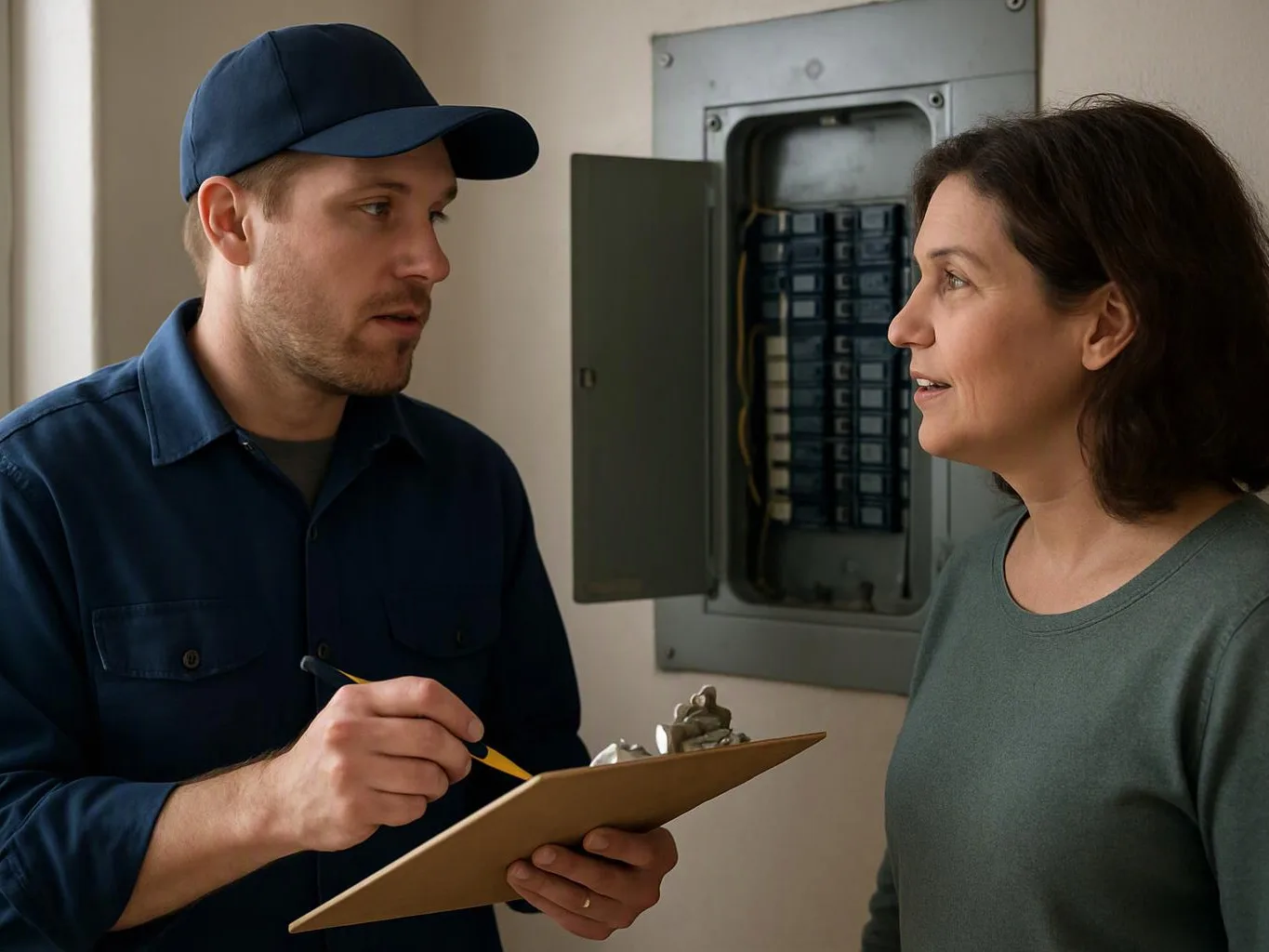
An electrical inspection shows how the service panel, branch circuits, concealed wiring, and visible devices work together. We inspect those areas before defining the rewiring scope.
Skipping this step can hide damaged conductors, overloaded circuits, poor splices, or access problems. Those unknowns can increase correction work after walls or ceilings are opened.
Our fix is a documented assessment that identifies unsafe wiring, circuit paths, panel conditions, and testing needs before replacement begins.
Mistake 2: Treating Knob-and-Tube Wiring as a Small Isolated Repair
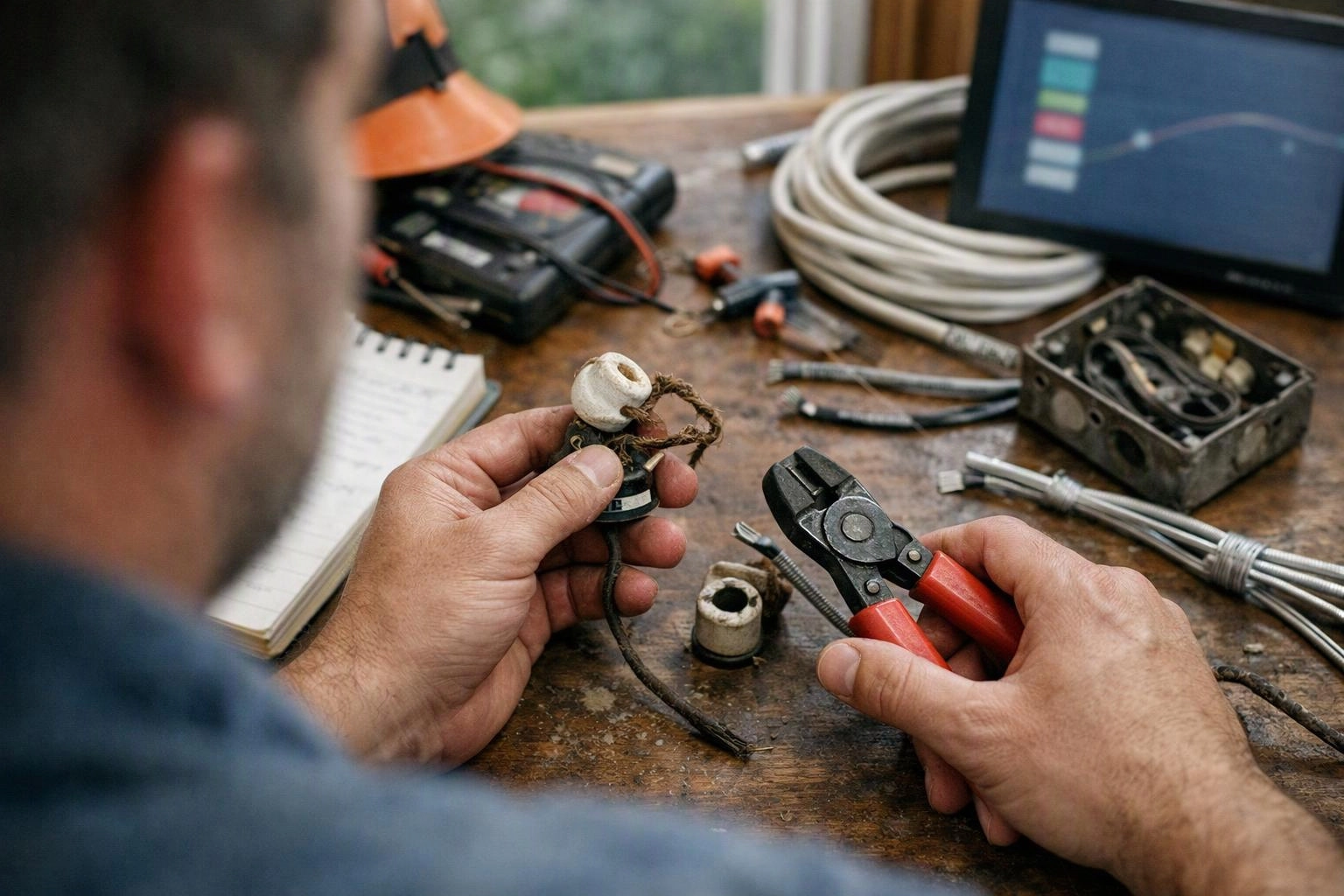
Knob-and-tube wiring is an open wiring method that may continue through attics, wall cavities, and concealed areas. We trace its full path before deciding whether a local correction is suitable.
Small repairs can leave connected sections without proper grounding or with insulation conditions that do not support the wiring. The cost can grow when later access is needed to correct those hidden sections.
We plan knob-and-tube wiring replacement around circuit paths, grounding needs, access openings, and the condition of nearby materials.
Mistake 3: Repairing Aluminum Wiring Without Addressing Its Connections
Aluminum branch-circuit wiring can develop trouble at wire connections and terminals when devices are not suited to the conductor. We inspect oxidation, terminal condition, and device compatibility.
Adding copper wiring to an aluminum circuit without a compatible connection can create heat and failure risks. The cost depends on how many connections, devices, and circuits require correction.
Our team selects a correction plan that addresses aluminum-rated devices, approved connection methods, and the condition of the surrounding circuit.
Mistake 4: Mixing New Wiring With Unsafe Existing Wiring
New electrical wiring must match the circuit, junction boxes, splices, and devices it joins. We check wire compatibility before connecting new work to legacy wiring.
Mixed systems can create unclear circuit paths and leave unsafe sections energized. Extra troubleshooting and later rewiring can increase the total correction scope.
We separate, replace, or properly connect wiring based on circuit compatibility and the condition of every accessible junction box.
Mistake 5: Ignoring Grounding, Bonding, and Circuit Protection
Grounding and bonding provide paths that help manage fault current, while circuit breakers and protective devices help limit unsafe conditions. We review the equipment grounding conductor, grounding electrode system, and bonding connections.
Missing protection can leave receptacles, appliances, or lighting circuits exposed to shock and fire risks. Correcting these items can affect the service panel, circuit layout, and required testing.
Our correction plan addresses circuit breakers, ground-fault protection, arc-fault protection, grounding, and bonding as connected parts of the electrical system.
Mistake 6: Disturbing Insulation or Finishes Without a Hazard Plan
Attic insulation, wall insulation, plaster, and drywall can affect how wiring is accessed and replaced. We assess those materials before planning access openings.
Unplanned disturbance can increase wall repair, expose concealed hazards, or damage finishes that were not included in the original scope. The final cost depends on the access conditions and restoration work required.
We coordinate the electrical work with a hazard assessment and explain where openings, protection, and site restoration are needed.
Mistake 7: Rewiring Only the Visible Rooms
Whole-home wiring can continue through unfinished spaces, basement wiring, garage wiring, and outdoor circuits. We map the interconnected electrical system instead of reviewing only finished rooms.
Leaving remote circuits untouched can preserve unsafe wiring and create mismatched protection. The cost of correction changes with the number of areas, circuit paths, and access conditions involved.
Our team includes relevant unfinished and exterior areas in the inspection so the rewiring scope reflects the complete system.
Mistake 8: Choosing a Plan Without Understanding the Scope
A complete rewiring scope explains access requirements, fixture replacement, service upgrade needs, permit coordination, and quote inclusions. We review those items before work begins.
A vague scope can create unexpected wall repair, fixture decisions, or panel work. The cost depends on what the written plan includes and how the existing system responds to inspection.
We provide a clear correction plan so you can understand the circuits, materials, testing, restoration, and other work included in the estimate.
How We Build a Safer Whole-Home Rewiring Plan
Our process connects the inspection findings to a practical correction plan. Each step helps define the work before installation and testing begin.
What Changes the Cost of Correcting These Mistakes?
The cost of correcting whole-home rewiring mistakes depends on the wiring type, circuit condition, access, panel requirements, and repairs included in the written scope; we review those factors before preparing a quote.
Access and system condition often matter as much as the amount of visible wiring. Our estimate explains the work areas and correction choices that shape the quote scope.
| Cost driver | Why it matters |
|---|---|
| Wiring type | Knob-and-tube wiring and aluminum wiring require different inspection and correction decisions. |
| Circuit condition | Damaged insulation, poor splices, and overheating connections can expand the rewiring scope. |
| Access conditions | Attics, wall cavities, plaster, drywall, and finished spaces affect access planning and wall repair. |
| Electrical panel | Panel capacity, circuit protection, grounding, and bonding can affect service panel correction. |
| Circuit count | More circuit paths and connected areas require broader mapping, replacement, and electrical testing. |
| Quote scope | Fixtures, access openings, permit coordination, testing, and site restoration determine what the estimate includes. |
When Should You Call Toledo Electrician?
Call Toledo Electrician when wiring shows heat or damage, when breakers trip repeatedly, when legacy wiring is being altered, or when a whole-home rewiring plan is beyond safe homeowner work.
You can note symptoms and keep clear of damaged wiring, but rewiring and energized circuit testing require a planned electrical assessment. We review the condition and explain the safest next step.
How to Prepare for a Whole-Home Rewiring Estimate
Preparing home access, electrical symptoms, renovation plans, appliance loads, and panel location helps us build a useful rewiring estimate. We use that information with our inspection rather than treating it as a substitute for checking the system.
Write down flickering, warm devices, tripped breakers, unusual odors, and areas where power is unreliable. Tell our team about planned rooms, major appliances, preferred fixture locations, and your rewiring priorities.
Clear access to the electrical panel and relevant rooms when possible. We then explain which areas need inspection, what access openings may be required, and how the planned work connects to the rest of the home.
What a Complete Rewiring Plan Should Explain
A complete rewiring plan explains the work areas, circuits, wiring replacement, electrical panel decisions, fixtures, testing, and site restoration. We put those items into a scope that connects the correction to the existing system.
The plan should identify which legacy wiring is removed, which junction boxes and wire connections are corrected, and how grounding, bonding, and circuit protection are handled. Our team also explains access requirements and permit coordination when those items apply.
A clear written scope helps you understand what happens before walls open and what condition the home should be in after electrical testing and restoration.
Questions About Whole-Home Rewiring Mistakes
Can knob-and-tube wiring be left in place during a remodel?
Knob-and-tube wiring can remain only when its condition, location, insulation exposure, grounding, and connection to the remodel support safe work. Toledo Electrician inspects the affected circuit and explains whether replacement or another correction fits the project.
What makes aluminum wiring dangerous in a house?
Aluminum wiring can become hazardous when connections, terminals, or devices are not compatible with the conductor. We inspect oxidation, overheating signs, and connection methods before recommending aluminum wiring replacement or another correction.
Does replacing the electrical panel fix old house wiring?
No, replacing the electrical panel does not automatically fix old house wiring. We inspect the panel and branch circuits together so the plan addresses wiring condition, grounding, bonding, and circuit protection.
Can new outlets be added to aluminum or knob-and-tube wiring?
New outlets can be added only when the existing circuit, connections, grounding, devices, and protection support safe installation. We inspect the circuit before deciding whether to extend it or replace the affected wiring.
What should a whole-home rewiring estimate include?
A whole-home rewiring estimate should explain the inspection findings, circuit scope, wiring replacement, panel work, fixtures, access, testing, permit coordination, and site restoration. We provide Free Estimates Available with a written scope that identifies the planned correction work.
Plan Safer Whole-Home Rewiring
Whole-home rewiring requires a complete view of the wiring, protection, access, and restoration work. Toledo Electrician can inspect the system, explain the correction plan, and help you request an estimate for the work.
Contact Toledo Electrician to discuss unsafe wiring, knob-and-tube wiring, aluminum wiring, or a complete home rewiring plan.
Related Resources
Whole-Home Rewiring Cost Factors: Home Size, Access, Wiring Type, and Project Scope
What It SolvesWhole-Home Rewiring: Signs, Planning, and Safety Considerations
What It SolvesAluminum Wiring Replacement: Planning and Safety Considerations
What It SolvesKnob-and-Tube Wiring Replacement: What to Plan For