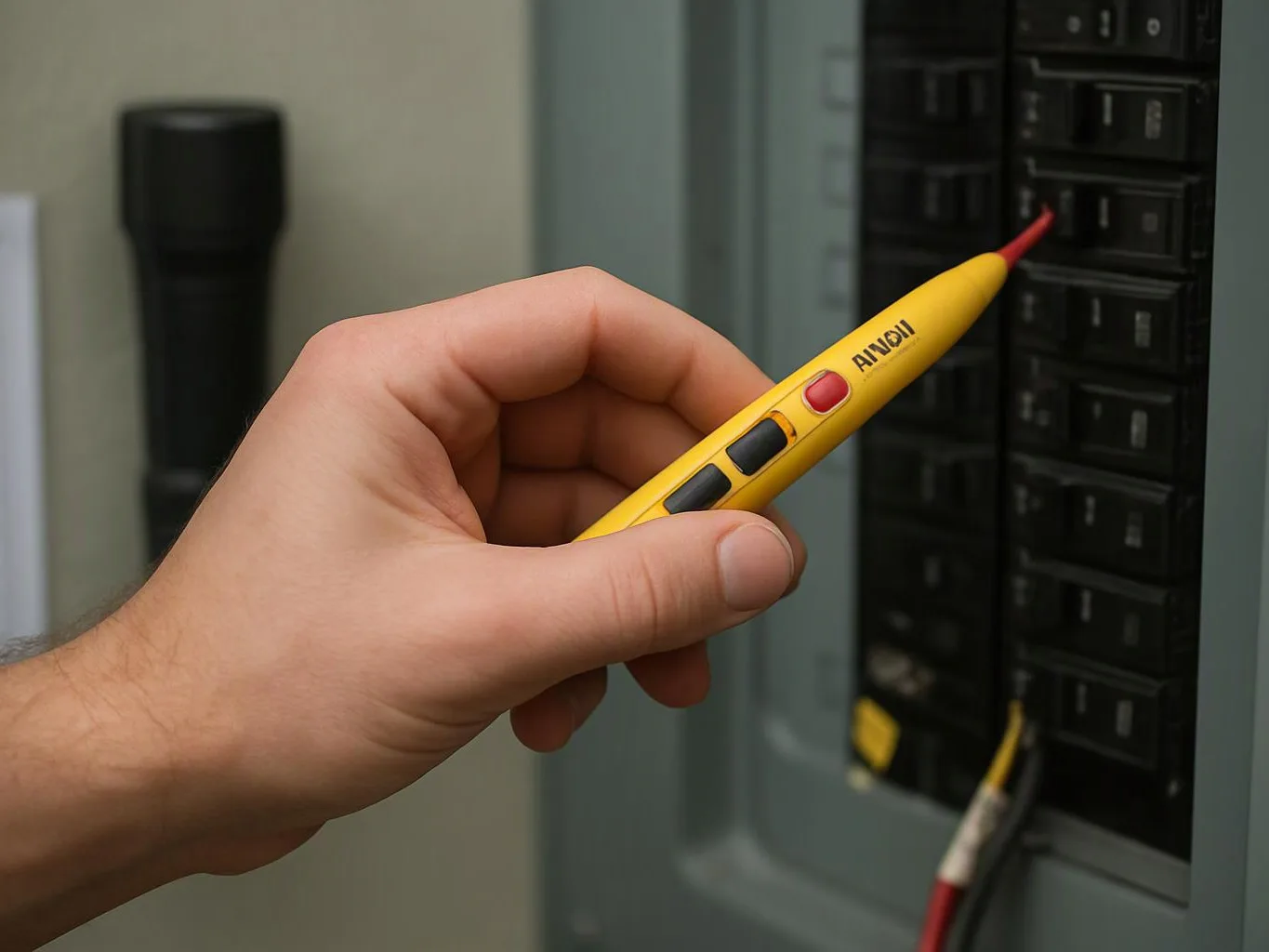
[ai] Smoke Detector Installation Planning Guide
Smoke detector installation planning coordinates detector placement, power, interconnection, testing, and carbon monoxide coverage; Toledo Electrician checks the home and installs the planned system.
Get a Free EstimateWhat Should a Smoke and Carbon Monoxide Detector Plan Include?
A smoke and carbon monoxide detector plan identifies the areas that need coverage, the power method, the alarm relationship, and the checks required after installation.
A smoke detector provides fire warning, while a carbon monoxide detector monitors for a dangerous gas that can come from fuel-burning equipment. We bring both devices into one home safety plan when the property needs coordinated alarm coverage.
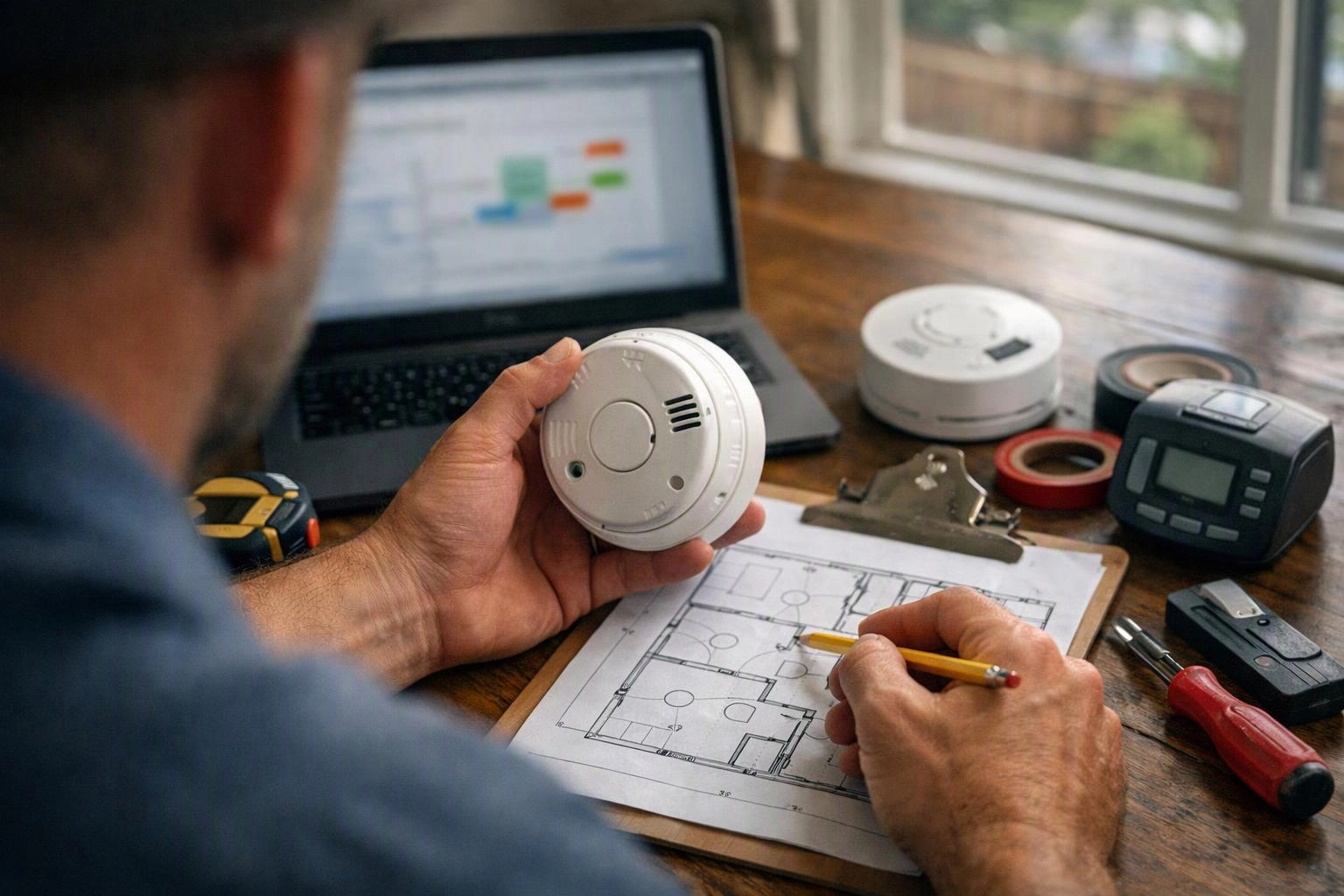
Our team reviews detector placement near sleeping areas and living areas, the available power source, and whether the alarms need to communicate with one another. We also check that each device can be reached for testing and maintenance.
When Do You Need Both Detector Services Together?
Smoke detector installation and carbon monoxide detector installation belong in the same plan when one project must address fire warning and carbon monoxide risks across the same home.
We coordinate both services when the home layout, electrical work, or fuel-burning equipment makes separate planning inefficient. Common situations include:
Our crew reviews the complete project scope so smoke alarms and carbon monoxide alarms support the same home safety plan.
How Do Smoke and Carbon Monoxide Installation Work Together?
The two services work together by coordinating coverage, confirming compatible power and interconnection, and planning the installation as one electrical project when the home requires both systems.
Our installation sequence depends on the home’s existing conditions and the devices selected. We use compatible devices and confirm the project scope before changing wiring or alarm locations.
Bundling the work can simplify access and testing because we assess the related wiring and alarm functions as one project.
How We Check the Home Before Detector Installation
Toledo Electrician checks the existing electrical conditions, proposed detector locations, and system requirements before recommending the installation approach.
We inspect existing wiring, the electrical panel, and the ceiling and wall locations where alarms may be mounted. These checks help us determine whether a hardwired alarm can use the current power connection or needs new electrical work.
Our team also looks for alarms that need replacement because of age, damage, incompatibility, or changes to the home layout. We explain the planned work before installation begins.
When you are ready to arrange the service, Smoke Detector Installation can be planned with related carbon monoxide coverage.
How to Plan Detector Locations and Power
Detector planning starts with room coverage, then confirms mounting surfaces, power, interconnection, access for testing, and compatibility with the intended alarm system.
We use these decisions to create an installation approach that fits the home and supports reliable alarm operation.
What Changes the Cost of a Detector Installation Plan?
Detector installation cost changes with the number and locations of devices, wiring access, power requirements, interconnection needs, and whether existing alarms must be replaced; we use those details to prepare an exact quote.
New wiring can require more work when the planned locations do not have suitable electrical access. Existing wiring may reduce the installation scope when it is accessible, compatible, and in usable condition.
Ceiling height, wall access, the electrical panel, device compatibility, and the need for interconnected alarms also affect the work. We review these factors during the home assessment and explain what the installation quote includes.
Free Estimates Available. To request one, share the home layout, current alarm conditions, desired coverage, and planned electrical work with our team.
How to Prepare for Smoke and Carbon Monoxide Detector Installation
Preparation includes identifying existing alarms, clearing access to planned locations, noting fuel-burning equipment, and keeping the home accessible for installation and testing.
Our team uses this installation checklist to confirm the work area and reduce avoidable changes during the installation.
What We Test After Installing the Detectors
We test detector power, alarm operation, interconnection where installed, and the homeowner test controls before completing the work.
Our crew checks smoke sensing and carbon monoxide sensing according to the device instructions. We also verify the power connection, battery backup, mounting stability, and test button operation.
For interconnected alarms, we perform an interconnection test to confirm that the planned devices respond as intended. We explain basic maintenance, testing, and battery replacement guidance before leaving.
How Do You Request a Detector Installation Quote?
Request a quote by sharing the home layout, existing detector conditions, desired smoke and carbon monoxide coverage, and any planned electrical work so we can assess the installation scope.
Our team can use photos, alarm details, and information about the electrical panel to prepare for the consultation. We then review detector locations, wiring requirements, interconnection, replacement needs, and testing.
Toledo Electrician uses those details to explain the planned work and prepare an installation quote for the home.
Contact our team to discuss your detector placement, power, and alarm coverage needs.
Request an installation consultationQuestions About Smoke and Carbon Monoxide Detector Planning
Can smoke and carbon monoxide detectors be interconnected?
Yes, smoke and carbon monoxide detectors can be interconnected when the selected devices and wiring are compatible; Toledo Electrician checks the system before installation.
Should existing smoke detectors be replaced during a renovation?
Existing smoke detectors should be reviewed during a renovation when the layout, wiring, power source, or alarm compatibility changes. We identify replacement needs as part of the installation assessment.
Where should carbon monoxide detectors be planned in a home?
Carbon monoxide detectors should be planned around sleeping areas and other locations where the home’s layout or fuel-burning equipment creates a coverage need. We review the home to select practical mounting locations and power connections.
Can you install hardwired detectors where battery alarms are already installed?
Yes, we can assess whether hardwired detectors fit locations that currently use battery alarms. The installation depends on access, electrical wiring, power requirements, and device compatibility.
What should homeowners check before detector installation?
Homeowners should check existing alarms, clear access to planned locations, identify fuel-burning equipment, and note any electrical remodeling. Our installation checklist uses those details to prepare for safe installation and post-installation testing.