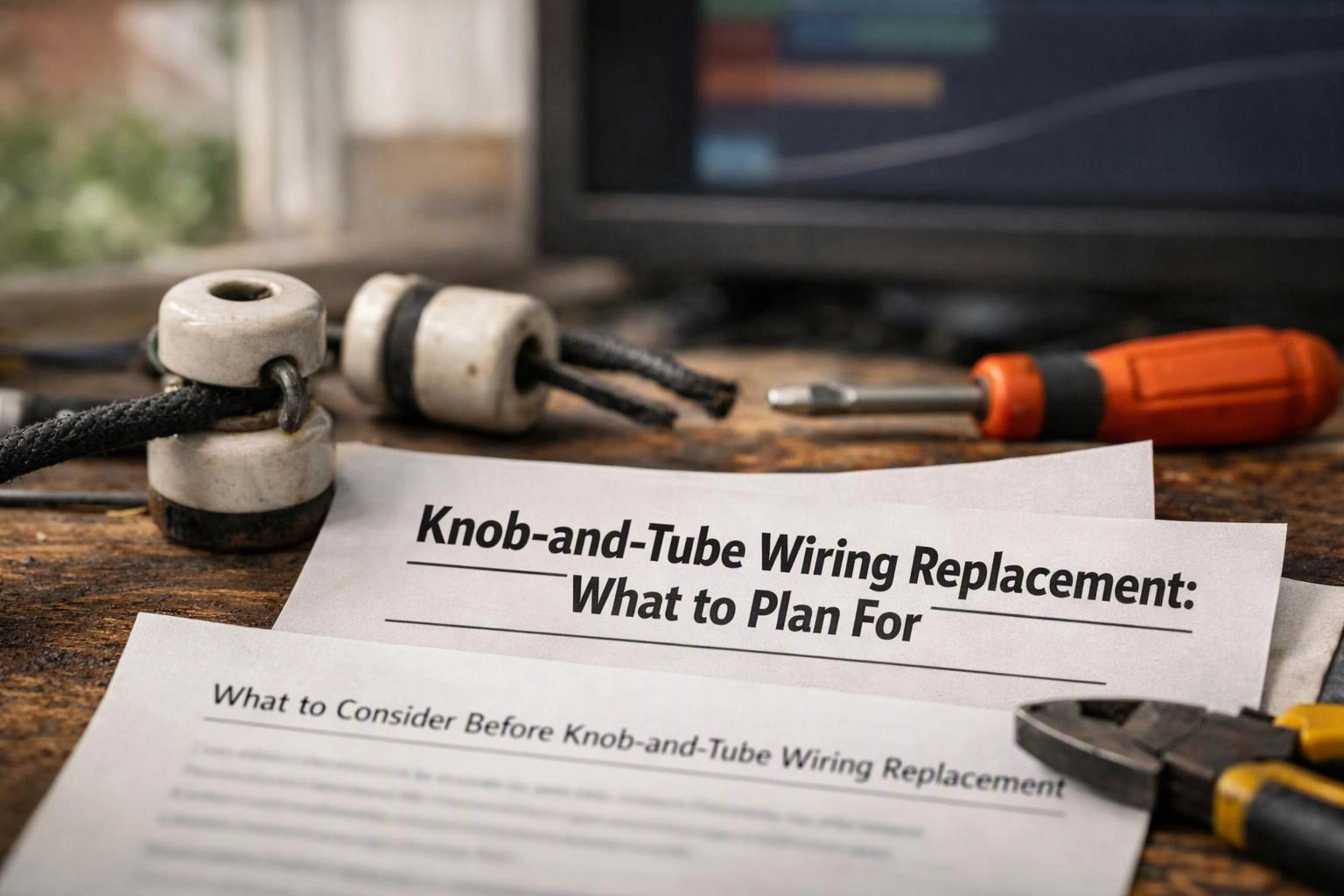
Knob-and-Tube Wiring Replacement: What to Plan For
Knob-and-tube wiring replacement requires planning around electrical safety, insulation, access, circuit capacity, code requirements, and repair scope; Toledo Electrician assesses these conditions and explains the work before replacement begins.
Get a Free EstimateWhy Knob-and-Tube Wiring Replacement Requires Planning
Knob-and-tube wiring replacement requires planning because the wiring system interacts with insulation, accessible spaces, connected circuits, and the building's current electrical needs.
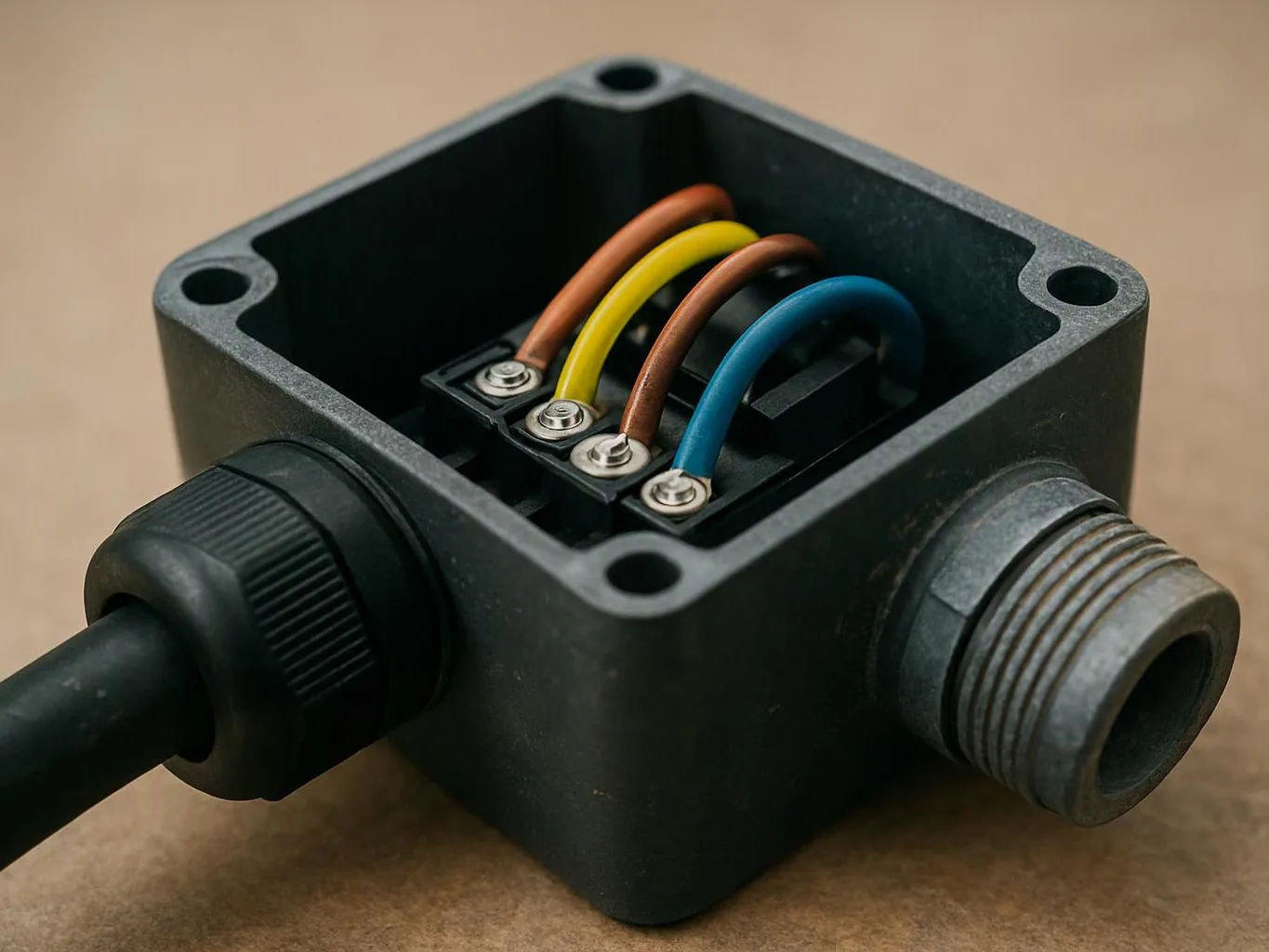
Knob-and-tube wiring uses ceramic knobs, ceramic tubes, electrical conductors, and separate insulation. Older systems may also include cloth-covered wiring and ungrounded branch circuits.
We review the building conditions before creating a rewiring plan. Our team considers where the wiring runs, how circuits are connected, and how the replacement can be completed safely.
Signs Your Knob-and-Tube Wiring May Need Attention
Visible or repeated electrical problems can point to damaged wiring, unsafe modifications, or a circuit that no longer suits the building.
We use these signs to decide what needs closer inspection and which areas may need immediate attention.
What We Check Before Replacing Knob-and-Tube Wiring
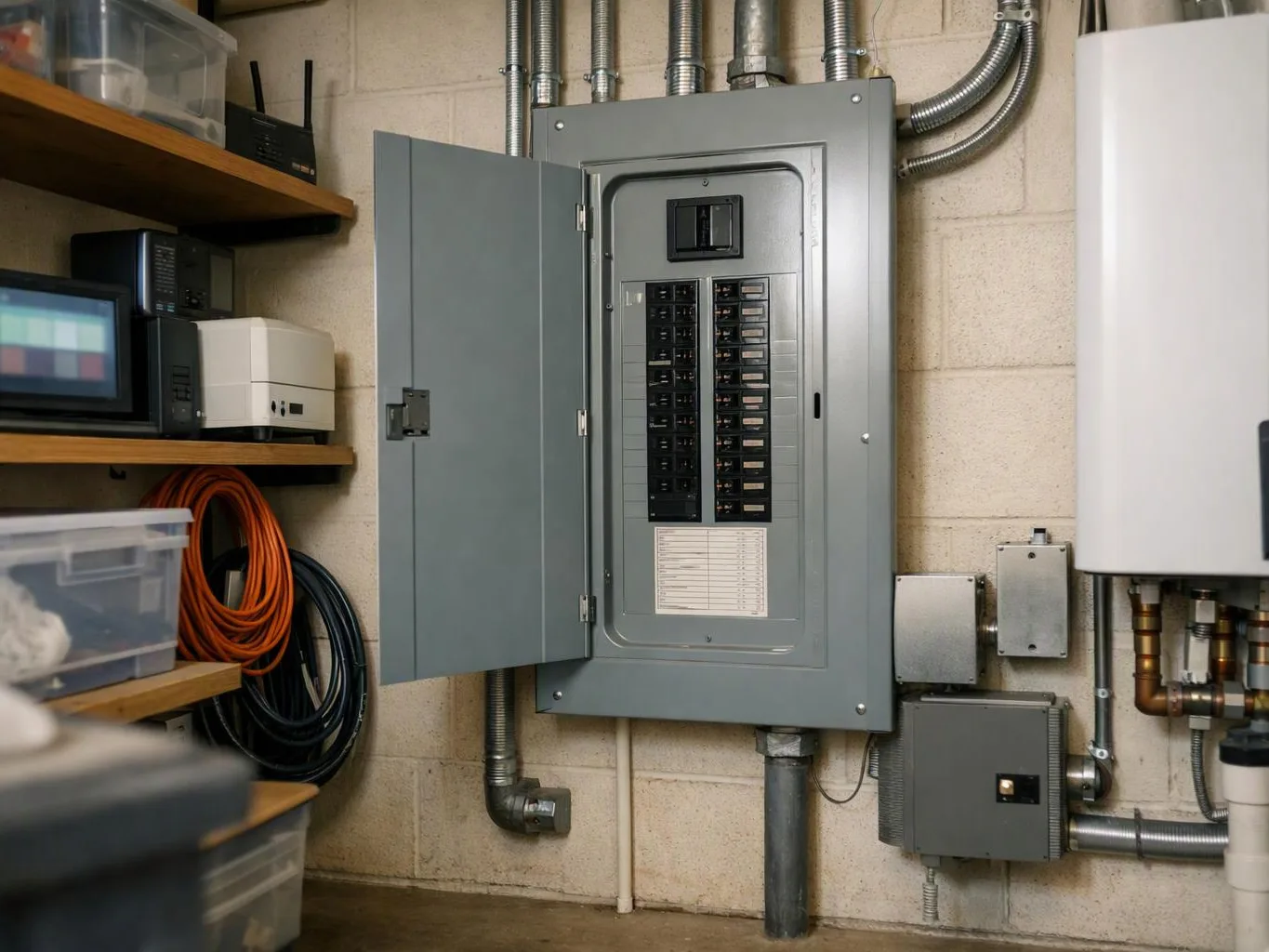
Toledo Electrician checks the wiring condition, accessible routes, electrical panel, grounding, connected loads, and building areas that can affect the replacement plan.
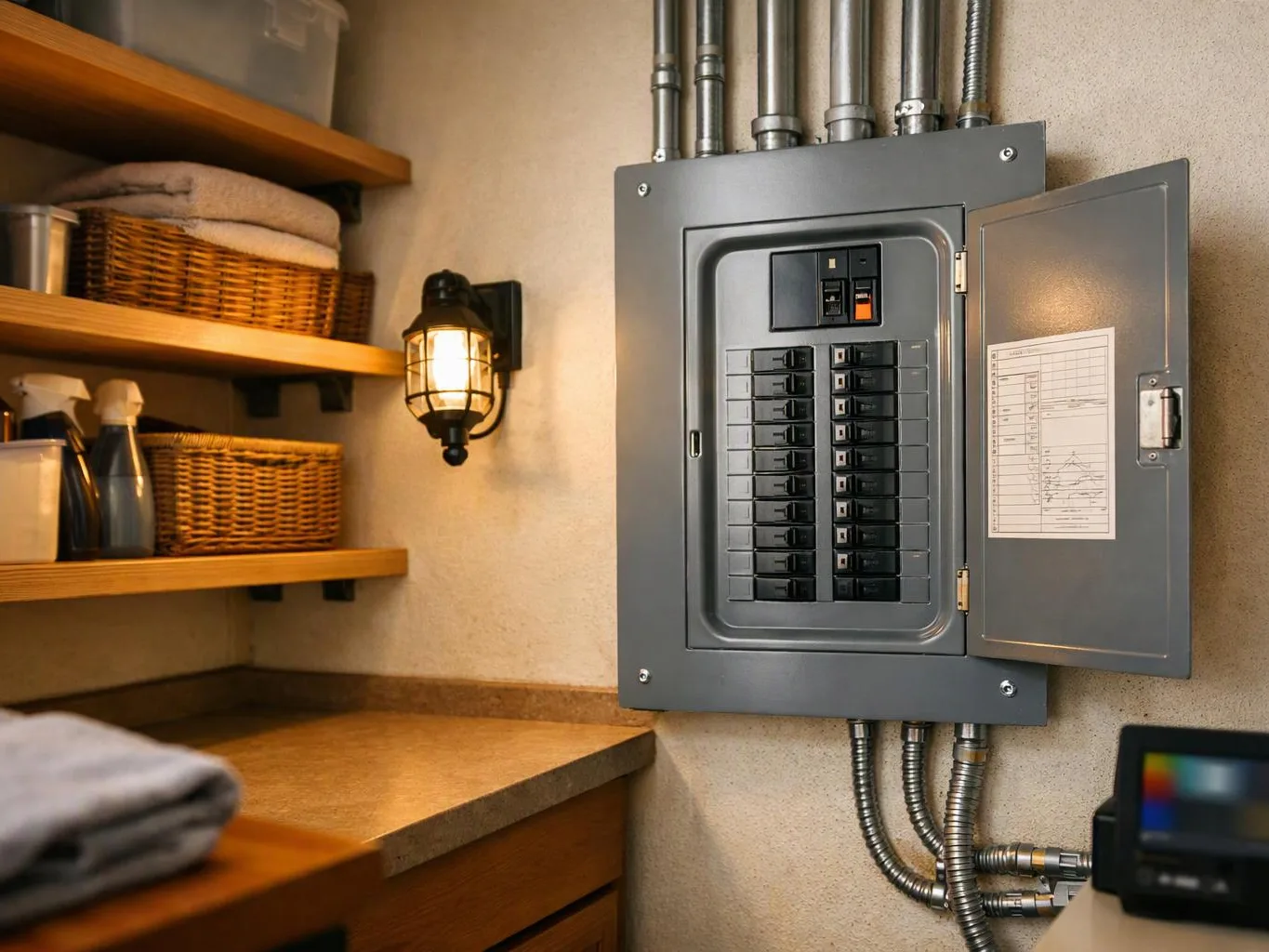
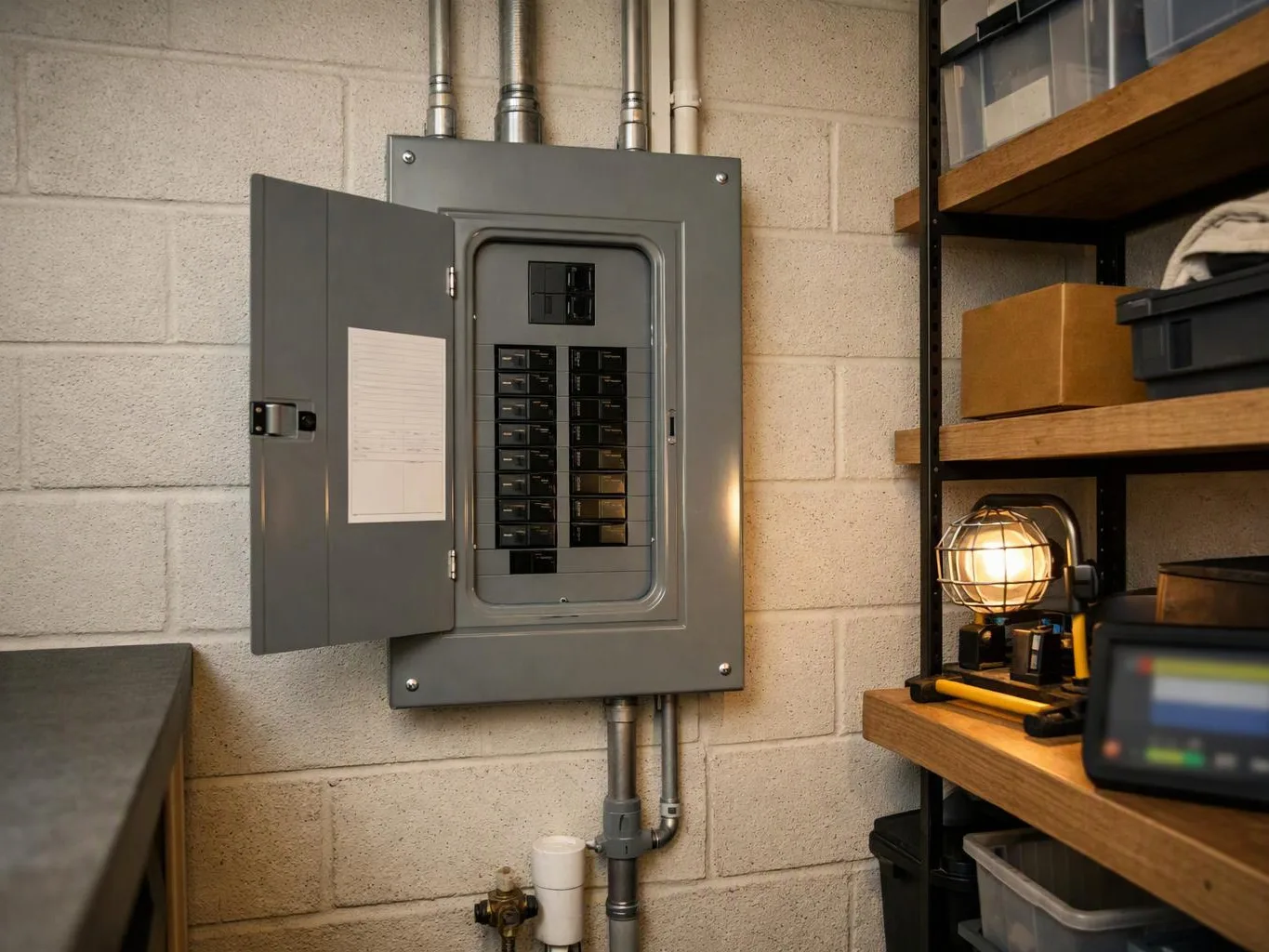
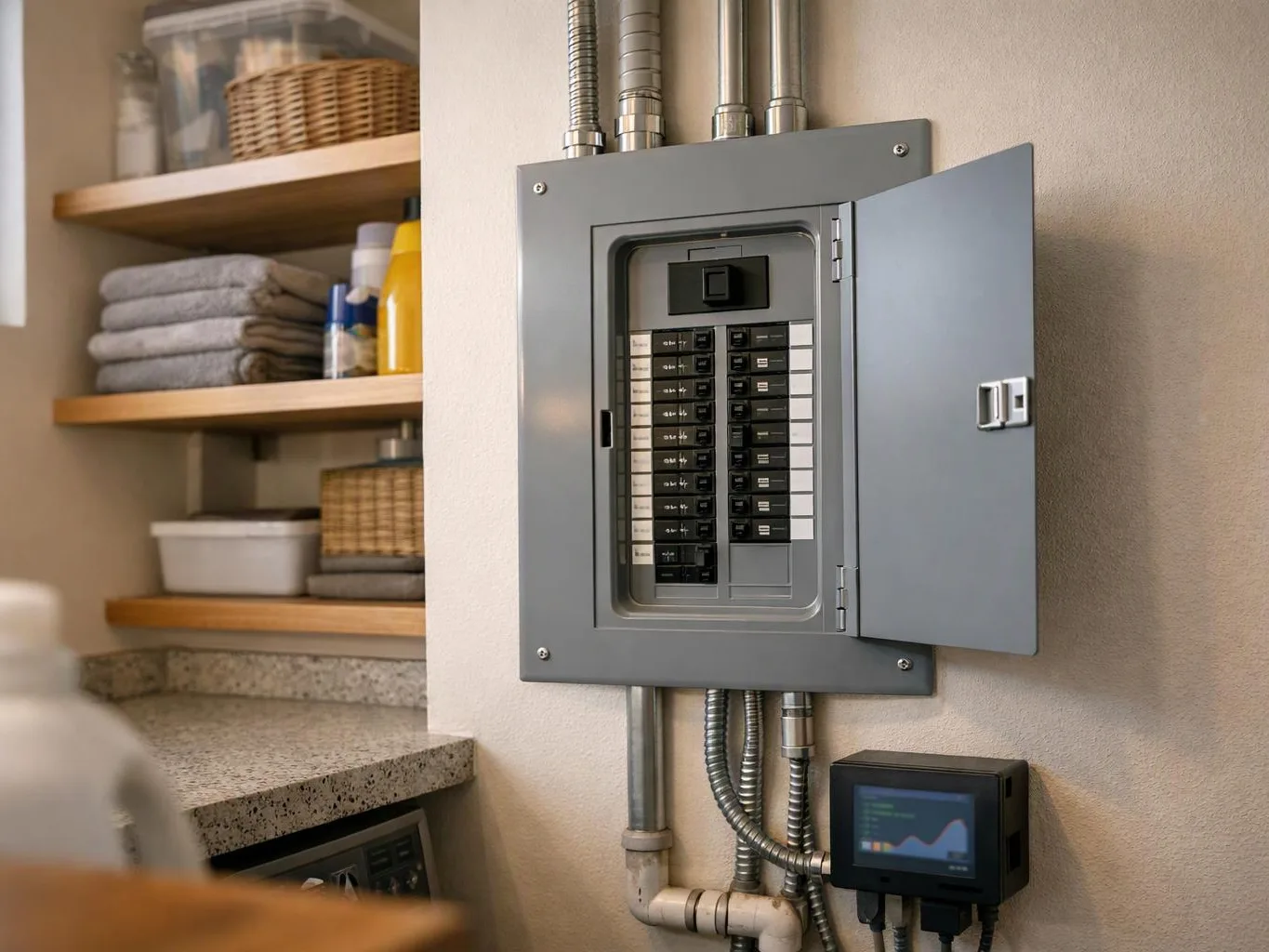
Our electrical inspection starts with visible wiring and accessible junction boxes. We then review the service panel, circuit arrangement, grounding, and signs of heat or damage.
Attic access and wall access affect how our crew routes new wiring. We also review connected loads, including appliances and equipment that may require suitable circuit capacity.
When needed, we complete a load calculation and panel assessment before recommending circuit replacement or related electrical wiring replacement.
Common Causes of Knob-and-Tube Wiring Problems
Knob-and-tube wiring problems often develop as original materials age or as later work changes the electrical system.
We trace the cause before recommending a repair so the rewiring scope addresses the underlying condition.
How to Prevent Problems During a Rewiring Project
A controlled rewiring project begins with clear information about the building and the intended electrical use.
We coordinate the work around the building's access needs, code requirements, and final testing plan.
Which Parts of the Replacement Plan Affect the Work
The replacement plan depends on how much wiring is affected, where the circuits run, whether the electrical service can support the intended loads, and how much access the building allows.
The rewiring scope may cover selected circuits or a broader system replacement. Our team determines the affected areas through inspection rather than assuming that visible wiring shows the full condition.
Circuit layout, service capacity, and grounding influence the electrical work. Wall and ceiling access, insulation conditions, and required access openings influence how the work is completed.
Finish repairs and code requirements also belong in the plan. We explain where electrical work meets existing surfaces so the estimate reflects the full project scope.
Our Knob-and-Tube Wiring Replacement Process
Our process connects the initial inspection to a documented replacement plan and final testing.
Toledo Electrician explains each stage before work begins so you can understand the circuit changes and access needs.
How We Explain the Estimate for Your Replacement Project
Toledo Electrician explains the replacement scope, materials, access requirements, circuit changes, and related electrical work in the estimate; Free Estimates Available.
The estimate connects the labor scope to the actual building conditions. It can account for access openings, panel work, junction box changes, grounding work, and circuit installation.
Our team also explains how finish coordination may affect the work area. The cost depends on the amount of wiring affected, circuit capacity needs, service conditions, access, materials, and required repairs.
To request an exact project estimate, contact us through Knob-And-Tube Wiring Replacement.
What to Do Before the Electrical Assessment
Homeowners can prepare by noting known wiring changes, identifying areas with electrical concerns, and making relevant attic, basement, and panel locations accessible.
Share your home's electrical history and any known work completed by a previous owner. Mention appliances, equipment, flickering lights, odors, tripped breakers, or other safety concerns.
Clear stored items from accessible areas when safe to do so. Do not disturb exposed conductors or damaged insulation while preparing for the inspection.
When Knob-and-Tube Wiring Replacement Is the Safer Plan
Knob-and-tube wiring replacement is the safer plan when the wiring is damaged, modified improperly, unable to support the intended electrical demand, or unsuitable for the building's current conditions.
Damaged insulation and ungrounded circuits can increase shock hazards and complicate future electrical work. Fire risk can also increase when wiring overheats or connections fail.
We compare the existing system with the building's modern electrical demand and applicable electrical code. Our recommendation reflects the wiring condition, service panel, grounding, insulation, access, and planned loads.
Questions About Knob-and-Tube Wiring Replacement
Can insulation be installed over knob-and-tube wiring?
Insulation should not be installed over knob-and-tube wiring without an assessment of the wiring condition and applicable electrical code. Toledo Electrician checks the wiring, insulation conditions, access, and replacement needs before that decision is made.
Does knob-and-tube wiring have a ground?
Traditional knob-and-tube wiring is generally ungrounded because its original branch circuits were not built with a modern equipment grounding conductor. We inspect the wiring and panel to confirm the grounding arrangement in the building.
Can only part of a knob-and-tube wiring system be replaced?
Yes, part of a knob-and-tube wiring system can sometimes be replaced when the remaining wiring is suitable and the planned circuit changes meet safety and code requirements. We assess connected circuits, insulation, junction boxes, grounding, and electrical demand before defining the partial replacement scope.
What should be accessible before a knob-and-tube wiring inspection?
Attic access, basement areas, the service panel, visible junction boxes, and rooms with known electrical concerns should be accessible before the inspection. Clear only what you can move safely and do not handle exposed wiring.
What happens if knob-and-tube wiring was modified by a previous owner?
Previous-owner modifications are inspected for unsafe splices, overloaded circuits, damaged insulation, improper junctions, and code concerns. We document the affected areas and explain whether circuit repair, junction box replacement, grounding work, or broader rewiring is needed.
Knob-and-tube wiring replacement starts with a careful assessment of safety, access, circuit capacity, insulation, grounding, and project scope. Toledo Electrician explains the findings and the electrical estimate before replacement work begins.
Get a Free Estimate