Electrical Inspections and Rewiring for Older Homes
Electrical inspections and rewiring for older homes reveal unsafe wiring, overloaded circuits, outdated panels, and missing protection. Toledo Electrician uses the inspection findings to recommend focused repairs, outlet or panel replacement, or whole-house rewiring based on the home's condition.
Get a Free EstimateWhy Older Homes Need Electrical Inspections and Rewiring
Older homes often contain electrical systems designed for fewer appliances and lower household demand. An electrical inspection shows whether the existing system remains safe and suitable for the way the home is used today.
Toledo Electrician reviews the system condition before recommending work. Our findings help separate an isolated repair from partial rewiring or whole-house rewiring.
What an Electrical Inspection Checks in an Older Home
An electrical inspection checks the service, panel, wiring, connections, grounding, outlets, and protective devices for hazards, damage, overloads, and needed updates.
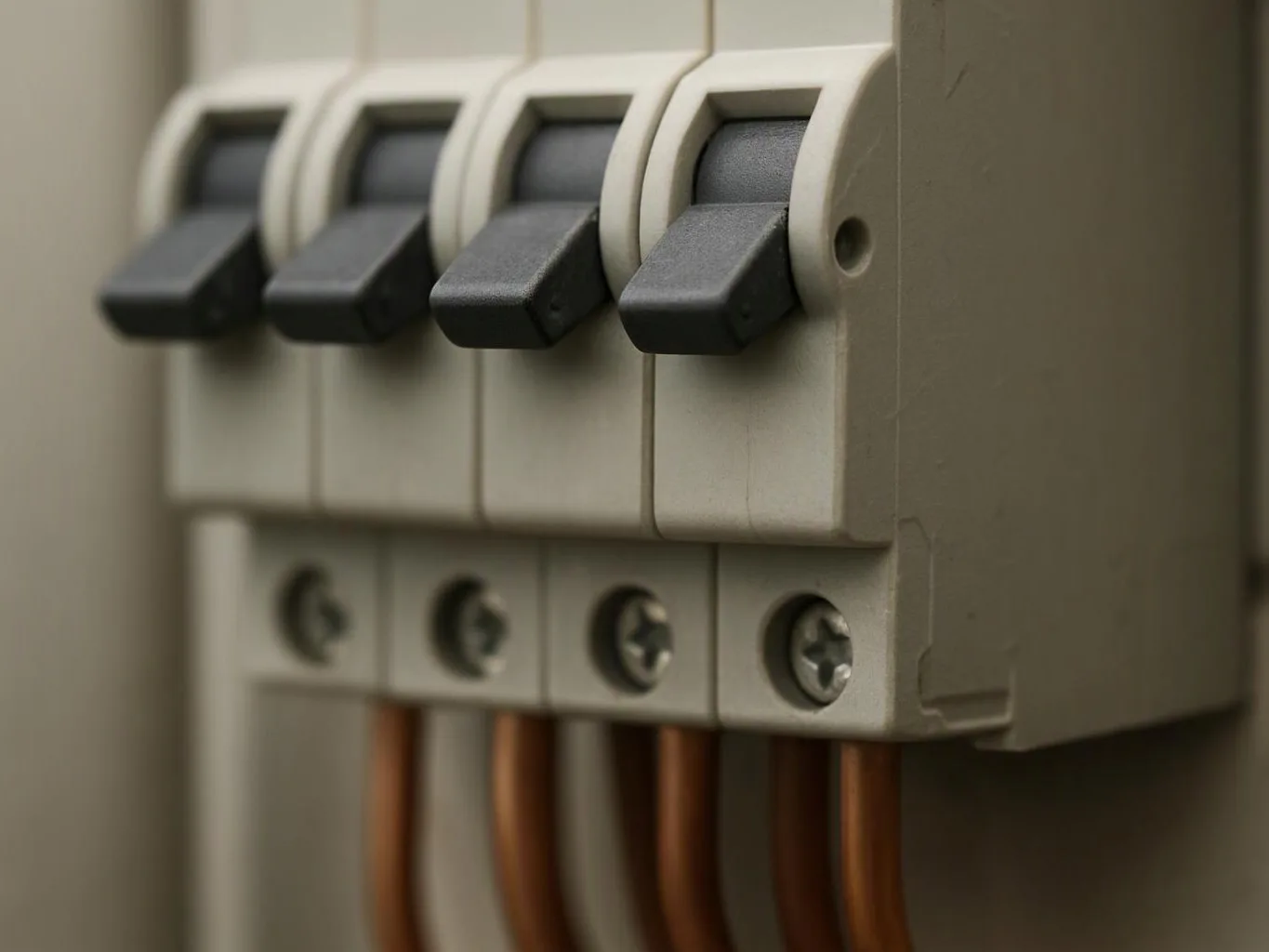
We examine the service entrance and electrical panel for signs of damage, poor connections, limited capacity, and unsafe modifications. Our team also traces branch circuits, reviews wiring insulation, and checks grounding and bonding.
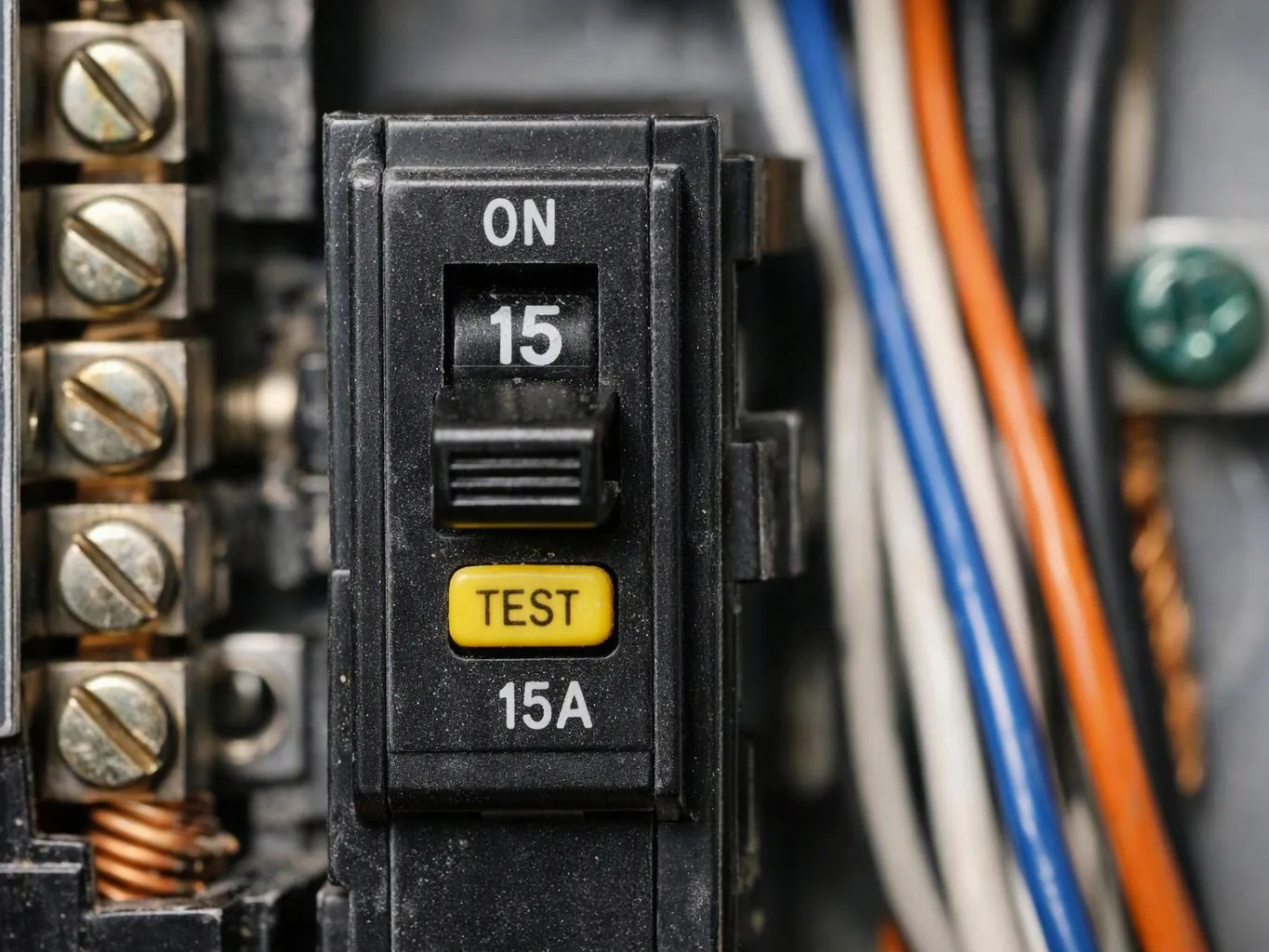
Outlets, switches, and junction boxes receive attention because loose connections, damaged covers, or inaccessible connections can create hazards. We check for GFCI protection and AFCI protection where the location, circuit, or planned upgrade calls for it.

How to Tell When Old Wiring May Be Unsafe
Old wiring may be unsafe when visible insulation is damaged, outlets become warm, lights flicker, breakers trip repeatedly, or the system lacks grounding and modern protection.
Knob-and-tube wiring, aluminum wiring, and cloth-insulated wiring require careful evaluation because age alone does not show the full condition. Frayed insulation, a warm outlet, a burning odor, flickering lights, or a tripping breaker can signal an electrical hazard.
We inspect the affected circuit and look for the cause instead of treating the symptom alone. If you notice an electrical shock, burning odor, smoke, or heat at an outlet, stop using the affected area and contact Toledo Electrician.
Which Older-Home Electrical Problems Need Repair or Rewiring
Electrical repairs address isolated hazards, while whole-house rewiring is considered when outdated or damaged wiring is widespread or cannot safely support the home's electrical demands.
We repair overloaded circuits, open junction boxes, loose connections, and damaged wiring when the surrounding system can safely remain in service. Outlet replacement may be appropriate when an outlet is damaged, poorly connected, ungrounded, or missing required protection.
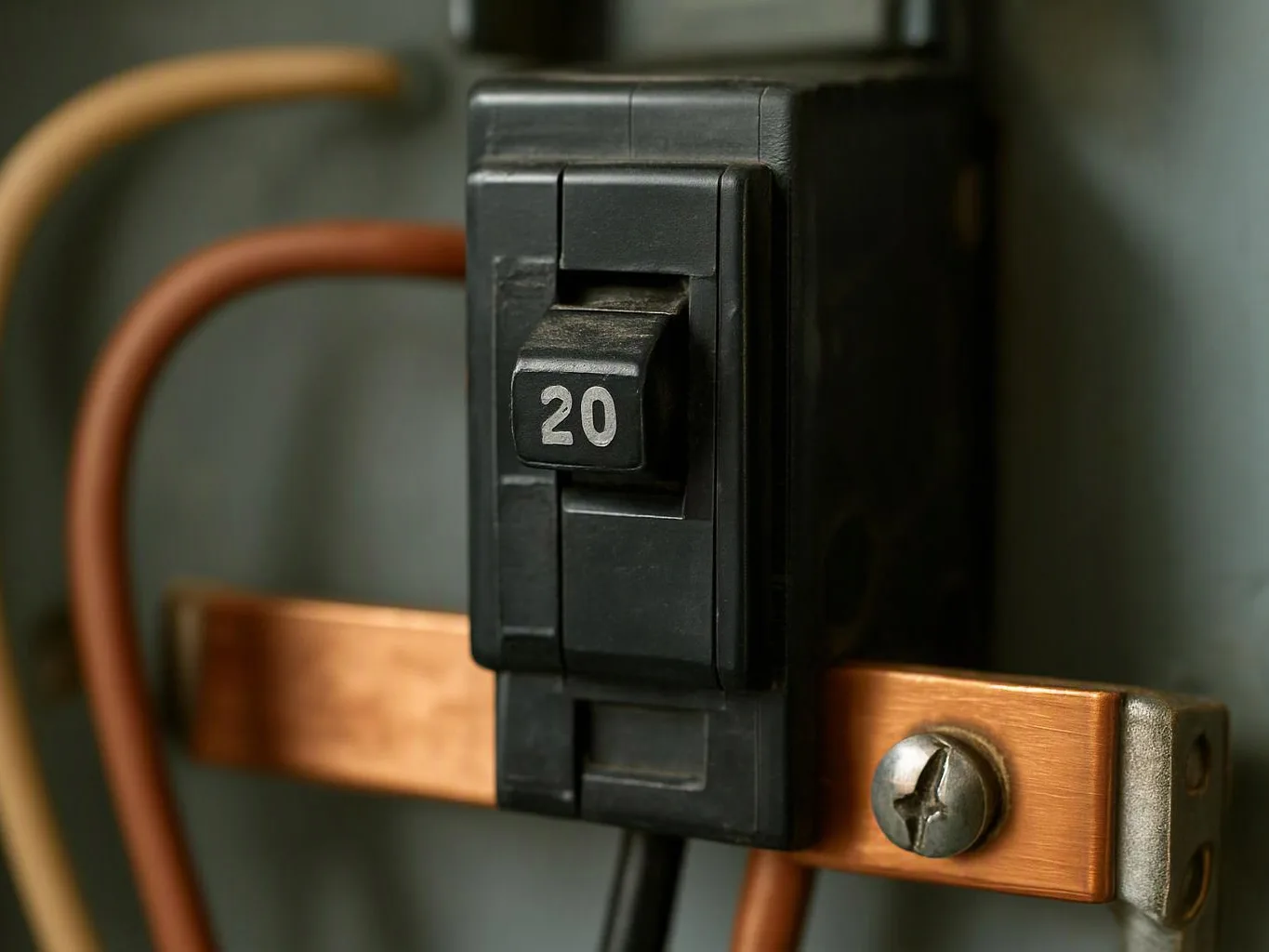
Electrical panel replacement becomes part of the plan when the panel is damaged, lacks usable capacity, or cannot support necessary protective devices. Partial rewiring can address defined areas, while whole-house rewiring addresses an outdated electrical system throughout the home.
Why Older Homeowners Need a Clear Electrical Repair Plan
Older homeowners benefit from a written plan that connects inspection findings to repair priorities. A clear scope supports home safety and makes property maintenance easier to manage.
Our team explains which conditions need prompt attention and which improvements can be planned with other work. We use the electrical inspection report to organize the work around safety, access, and the home's expected use.
How Electrical Needs Differ for Older Homeowners and Other Customers
Electrical needs differ by the customer's goal, the home's condition, and the decisions that must follow the inspection. The same older-home system may need a safety plan for one customer and a renovation plan for another.
We match the inspection, rewiring, and electrical repairs to the reason the work is being requested.
| What is being compared | Older homeowners | Other customers |
|---|---|---|
| Primary concern | Safe daily use and manageable property maintenance | A transaction, rental obligation, renovation, or immediate repair |
| Inspection goal | Understand hazards and set repair priorities | Document condition or guide a specific project |
| Rewiring decision | Balance safety, access, and continued use of the home | Coordinate with a sale, renovation, or rental requirement |
| Common repair focus | Protection, grounding, outlets, and circuit capacity | Defects found during a home inspection or project planning |
| Planning need | Clear phases that limit disruption | A scope aligned with closing, tenancy, or construction work |
What Features Matter Most in an Older-Home Electrical Upgrade
An older-home electrical upgrade should improve protection, capacity, access, and future serviceability. We select the work based on the inspection findings and the home's intended use.
Common Challenges During Older-Home Electrical Work
Older-home electrical work can be difficult when wiring is concealed or previous alterations are not documented. We plan access carefully so the repair scope reflects the actual building conditions.
Do Older Homes Need GFCI or AFCI Protection?
Yes, older homes may need GFCI or AFCI protection when existing circuits lack protection required for their locations, uses, or permitted upgrades.
GFCI protection provides ground-fault protection in locations where contact with moisture or an energized part creates added risk. AFCI protection provides arc-fault protection intended to reduce hazards from arcing in branch circuits.
We review wet locations, branch circuits, existing devices, and the planned electrical upgrade. Our team identifies the electrical code requirements that apply to the work and installs the needed protective devices as part of the repair scope.
How We Plan an Inspection, Repair, or Rewiring Project
Our project plan connects the electrical inspection to a defined repair scope. We explain the findings before starting outlet replacement, panel replacement, or whole-house rewiring.
What Changes the Cost of Older-Home Electrical Work
The cost of older-home electrical work depends on the wiring condition, access, circuit scope, panel requirements, protective-device updates, and related building repairs; we provide an exact quote after assessing the work.
An electrical inspection may identify a focused repair, while a larger rewiring scope can involve more circuits and more wall access. We also review the electrical panel condition, outlet replacement needs, wall repair, and permit requirements before defining the work.
Our estimate explains the repair scope and the work included. Contact Toledo Electrician through our contact page to arrange an assessment and request an exact quote.
When an Electrical Inspection Should Lead to Whole-House Rewiring
An electrical inspection should lead to whole-house rewiring when unsafe or obsolete wiring is widespread, repeatedly fails, or cannot support necessary electrical upgrades safely.
We consider whole-house rewiring when outdated wiring and widespread insulation damage affect multiple areas. Ungrounded circuits, an overloaded electrical system, recurring electrical faults, or inadequate electrical panel capacity can also support that recommendation.
Our team compares the inspection findings with the home's electrical demands and the access needed for safe work. The resulting plan may call for focused electrical repairs, partial rewiring, panel replacement, or whole-house rewiring.
Toledo Electrician explains the safest practical path and the scope needed for the home's condition.
Questions About Older-Home Electrical Inspections and Rewiring
Can knob-and-tube wiring be left in place?
Knob-and-tube wiring can sometimes remain when an inspection finds it safe, accessible, and suitable for the home's use, but Toledo Electrician evaluates its condition before making that recommendation. Damaged insulation, alterations, missing grounding, or added circuit demand may support repair or rewiring.
Should I rewire an old house before renovating it?
Rewiring an old house before renovating it can make sense when the inspection finds outdated wiring, limited circuit capacity, or unsafe connections in areas that will soon be opened. We coordinate the electrical inspection with the renovation scope so needed wiring work can be planned before finished surfaces are restored.
What electrical repairs are commonly found after a home inspection?
Common electrical repairs after a home inspection include damaged wiring, loose connections, open junction boxes, outlet replacement, grounding repairs, protective-device updates, and electrical panel replacement. We review each finding and define whether it needs an isolated repair, partial rewiring, or broader work.
Can old wiring cause breakers to trip repeatedly?
Yes, old wiring can contribute to repeatedly tripping breakers when damaged insulation, overloaded circuits, loose connections, or faulty devices are present. We inspect the circuit and identify the cause before recommending electrical repairs or rewiring.
Electrical inspections and rewiring give older-home owners a clear path from unsafe wiring to focused electrical safety improvements. Contact Toledo Electrician for an assessment and an exact quote based on the home's condition.