Skip to content

Pool and Hot-Tub Electrical Installation in Toledo, OH

Pool and hot-tub electrical installation in Toledo, OH depends on several job details. These include the equipment load, wiring distance, trenching, panel space, grounding, permits, and inspections. An electrician checks the service panel and plans a dedicated circuit. They also install GFCI protection, bonding, and the proper disconnect. Small jobs may take part of a day. Larger jobs may need more time for trenching or panel work. Ask for a site-specific estimate before work starts. Property layout, old wiring, weather, and local rules can change the total cost.

Get a Free Estimate
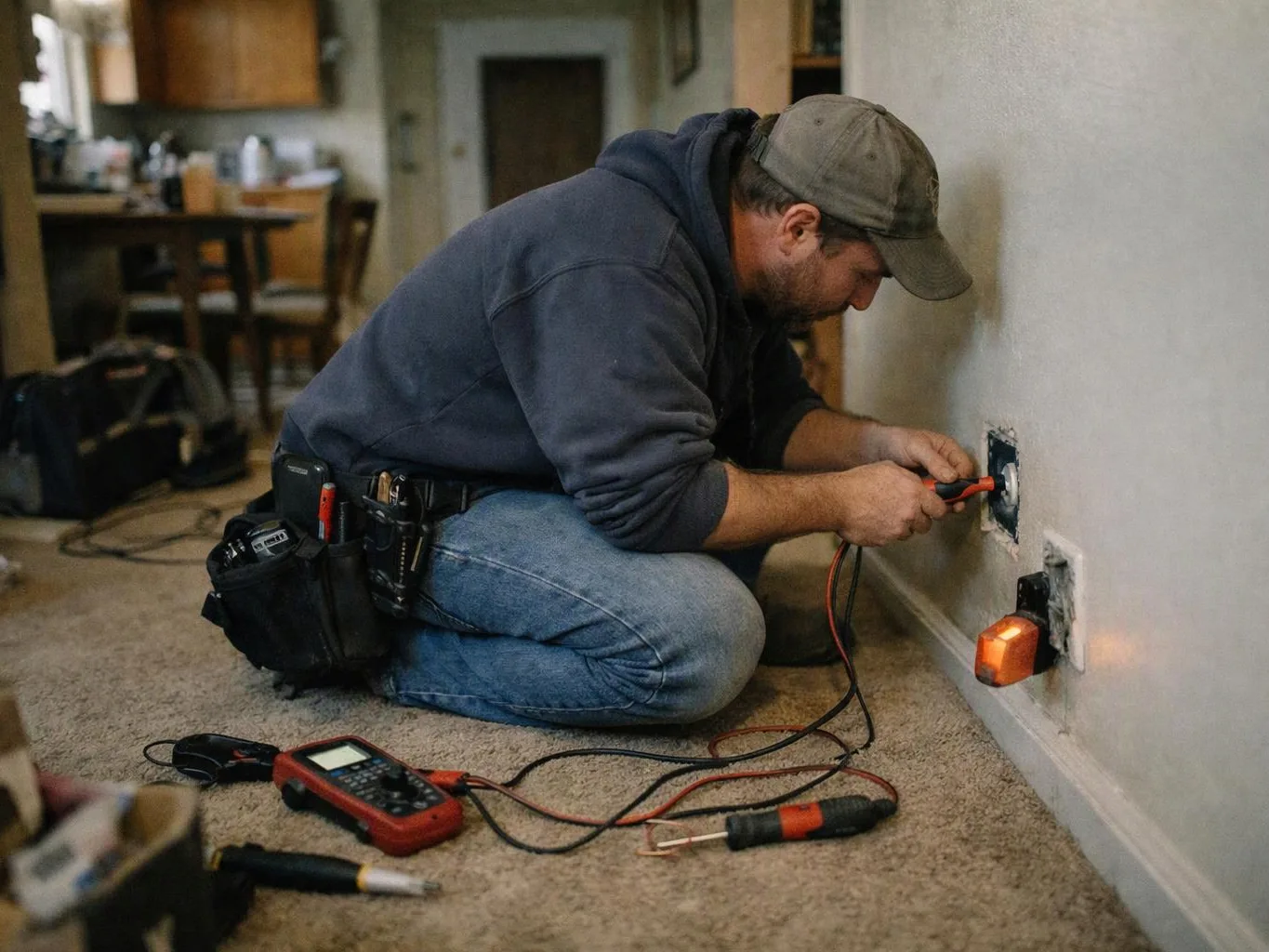
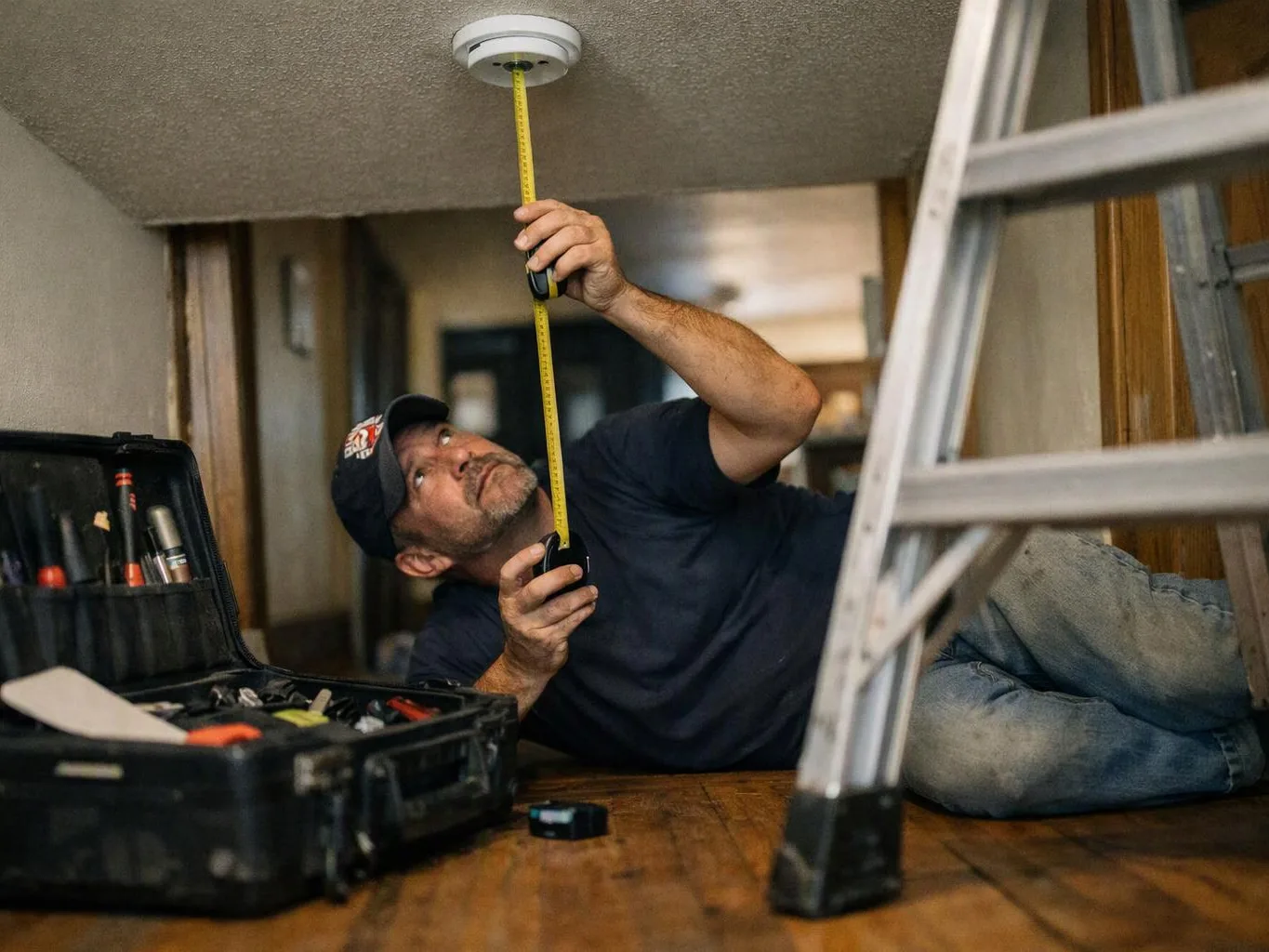
Electrician installing wiring for an outdoor hot tub and pool equipment

What Does Hot-Tub Electrical Installation Involve?

Hot-tub electrical installation starts with a service panel check. The electrician sizes a dedicated circuit and routes the wires. They install GFCI protection and a disconnect. They also bond metal parts and connect the spa equipment. Before power starts, they check clearances, conduit, weather exposure, and the maker’s instructions.

At Toledo Electrician, we review the hot tub nameplate and manual first. We also review the planned location. These details show the needed voltage, amps, breaker, wire size, and disconnect spot. A portable spa may need a different setup than a hard-wired unit. The equipment should be ready before the estimate is final.

The work usually includes a dedicated circuit. This circuit serves the spa alone. It doesn’t share power with other home loads. We check the service panel for space and enough capacity. Older Toledo homes may have old wiring or weak grounding. A subpanel or service upgrade may then be needed.

GFCI protection helps lower the shock risk near water. A GFCI breaker or listed disconnect may provide this protection. The disconnect must be easy to reach. Its location must follow local rules and the maker’s instructions.

Grounding and bonding are related, but they aren’t the same. Grounding gives fault current a safer path. Bonding connects metal parts at a similar electrical level. The electrician may bond spa equipment, metal pipes, and nearby metal parts. The work must follow the required bonding plan.

Outdoor wiring must handle rain, sun, and physical damage. We use approved conduit and fittings for the location. We keep the right clearances and protect the wires. Then we test the circuit before use. A 24 Hour Electrician can help with urgent issues. Planned spa wiring still needs careful design, permits, and inspection.

How Much Does Pool Electrical Wiring Cost in Toledo, OH?

Pool electrical wiring cost depends on the job size and site layout. Labor, wiring distance, trenching, conduit, and panel capacity all matter. Equipment type, grounding, bonding, permits, and inspections matter too. A simple hookup costs less than a job with underground wiring or a panel upgrade.

There isn’t one fair price for every pool wiring job. The electrician must check the load and service panel. They must also inspect the wire route and pool equipment. A short conduit run may be simple. A detached pool area may need digging, underground conduit, and more labor.

Project condition Typical cost effect Why it matters
Short route to suitable panel Lower complexity Fewer wires, parts, and labor hours may be needed.
Long exterior or underground route Higher complexity Trenching, conduit, protection, and repairs add work.
Limited service panel capacity Potential major increase A subpanel or service upgrade may be needed.
Several pool loads Higher design needs Pumps, heaters, lights, and controls may need separate circuits.
Permit and inspection coordination Added project administration The work must follow current local steps.

A home pool wiring job often needs one or more dedicated circuits. It may also need outdoor boxes, a GFCI breaker, and a disconnect. Grounding, bonding, and equipment connections are also common. Ask for costs by labor, parts, trenching, panel work, permits, and inspections.

Freeze and thaw cycles affect underground conduit in Northwest Ohio. Frozen or wet soil can make digging harder. Soil movement also makes proper burial and protection important. Pool work often gets busier during warmer months.

Which Pool and Spa Features Increase the Electrical Price?

Extra equipment adds load to the electrical system. It may need more circuits, larger wires, or more panel space. The design should follow each item’s nameplate and maker’s instructions.

Pool pump: A large or variable-speed pump may need its own circuit. It also needs the right breaker.
Pool heater: Electric heaters can use a lot of power. They may need a load check, larger feeder, or service upgrade.
Underwater lighting: Lights may need a low-voltage transformer and listed boxes. They also need GFCI protection and bonding.
Automation system: Controls may need extra connections and data wires. They also need weather-safe boxes.
Outdoor receptacle: A nearby outlet may need GFCI protection. It also needs weather-safe parts and proper placement.

Pool equipment bonding matters when metal parts sit near water. We review the full equipment layout. We don’t treat each item as a separate job.

How an Electrician Installs a Pool or Hot-Tub Circuit?

A pool or hot-tub electrician starts with a site check and load calculation. They check panel capacity and install the right circuit. They add conduit, GFCI protection, and a disconnect. They complete grounding and bonding. Then they connect the equipment, test the work, and arrange inspection.

The order can change when trenching or panel work is needed. It can also change when equipment delivery is delayed. We check current Toledo electrical rules before work begins.

1
Site assessment: We check the service panel, work area, and equipment location. We also check clearances, weather exposure, access, and the wire route.
2
Load calculation: We read the equipment nameplates. Then we calculate the expected load. This sets the circuit, breaker, wire size, and service needs.
3
Dedicated circuit installation: We install a circuit for the listed equipment. The wire and breaker must match the load and maker’s instructions.
4
Conduit installation: We use approved conduit for exposed or buried wires. It protects wires from water, impact, sun, and soil changes.
5
GFCI breaker and disconnect: We install the required GFCI device. We place the disconnect where it’s safe and easy to reach.
6
Grounding and bonding: We connect the grounding wires. We also bond the required metal parts and equipment.
7
Equipment connection: We connect the pump, spa, heater, lights, or controls. We check every connection against the maker’s instructions.
8
Electrical inspection: We test the circuit and check operation. We label the equipment and arrange inspection. The homeowner should wait for approval before use.

Access can change the amount of work. A fence, patio, yard, or narrow side path may slow routing. A detached equipment pad may also need more care. Frozen or wet ground can delay trench work in Northwest Ohio.

We explain scope changes before work continues. An old panel may not support the new load. In that case, we discuss a subpanel or service upgrade.

Homeowners looking for Pool And Hot Tub Electrical Installation in Toledo should plan early. An electrical check should happen before the pool or spa arrives. This can prevent blocked access and misplaced disconnects.

How Long Does Hot-Tub Electrical Installation Take?

Hot-tub electrical installation may take part of a day. This applies when the panel works and the route is short. Long conduit runs, trenching, and hard access take longer. A subpanel or panel upgrade also adds time. Inspection scheduling can add more time.

The timeline starts with the site visit and equipment review. It doesn’t start only when wire work begins. Permits, parts, weather, and the inspector’s schedule can affect the date. Pool and spa work may take longer during busy seasons.

Project size Typical duration Common conditions
Small Part of a day to one day Good panel, short route, easy access, and no major changes.
Average One to two working days Some conduit work, outdoor connections, and normal testing.
Large Several working days or more Trenching, many loads, a subpanel, service work, or hard access.

These ranges help with planning. They aren’t promises for every home. Frozen soil, wet ground, and winter weather can cause delays. Inspection may happen after the physical work ends. Include approval time in the schedule.

What Changes the Final Installation Estimate?

The final installation estimate depends on the load, wire size, and wire length. Panel space, service size, trenching, conduit, access, and weather also matter. Permits and inspections can affect cost and time. A qualified electrician should inspect the home before giving a price.

Electrical load is one of the first cost factors. A small pump needs less power than an electric heater. Several devices may need separate circuits. A load check shows if the service panel can handle the new demand.

Wire size and distance work together. Long runs may need larger wires. This helps control voltage drop. Hard routes may need more conduit, fittings, and supports. Buried conduit may require digging near patios, roots, drains, or utilities.

Older Toledo homes need extra care. They may have limited panel space or old wiring. Damaged parts and weak grounding can add work. A service upgrade isn’t always needed. It may be needed if the load is too high.

Labor also changes the estimate. An open route is easier than a finished yard. Locked gates and tight paths can add time. Equipment far from the house may need a longer route. Freeze and thaw cycles may affect trench work in Northwest Ohio.

Permits and inspections can change the plan. We explain these needs before work starts. Our written estimate lists the included work and parts. This helps homeowners compare bids fairly.

Electrical Safety, Permits, and Inspection for Toledo Pools and Hot Tubs

Electrical inspection checks pool and spa safety features. It reviews GFCI protection, grounding, bonding, and disconnect access. It also checks outdoor parts and equipment clearances. Toledo permit and inspection rules may apply. The electrician should test the circuit and fix issues before use.

The National Electrical Code gives the main safety rules. Local rules and steps also matter. Toledo requirements may affect permits, inspections, and approved methods. Check current local rules before work starts. Requirements can change the time and scope.

GFCI protection helps reduce shock risk. It shuts off power when it senses a leak. It doesn’t replace grounding, bonding, or safe work. The disconnect should stay clear and easy to reach. It should also have a clear label.

Equipotential bonding helps reduce voltage differences between metal parts. These parts may include rails, ladders, pipes, and equipment. The electrician should test the finished bonding work. They should also record the work when needed.

Outdoor parts must handle Toledo weather. Boxes, fittings, conduit, and outlets must suit the location. Frozen soil can make trenching hard. Winter weather can also limit access. Early planning may help prevent delays.

Don’t turn on a new circuit before the work is done. Don’t use the hot tub while inspection is pending. Fix any issue found by the inspector. Then test the work again before use. Permits and inspections help confirm safe work.

How to Choose a Toledo Electrician for Pool or Hot-Tub Wiring?

A Toledo homeowner should choose a licensed electrician for this work. The electrician should explain the load check and circuit plan. They should also explain GFCI protection, bonding, permits, and inspection. Ask for a written scope before approving the job. It should list labor, parts, trenching, panel work, permits, and inspection help.

Ask the electrician to inspect the service panel first. The proposal should list the voltage, breaker, wire size, and conduit route. It should also show the disconnect location and bonding work. Ask what happens if the panel needs an upgrade.

Confirm that the installer follows the equipment maker’s instructions. This includes pumps, spa packs, heaters, lights, and controls. Ask who handles the permit and inspection. Also ask how testing gets recorded.

When searching for an electrician to wire a hot tub near me, look for clear answers. Choose a site-specific estimate over a basic advertised price. Our team can review the panel and route. We can also explain access and weather concerns.

Dedicated Circuit Installation should happen before equipment arrives when possible. Early planning gives time to check the panel and order parts. It also helps plan trenching and the disconnect location. The disconnect should stay clear after landscaping or fencing.

Questions About 24 Hour Electrician

How Much Does Pool Electrical Wiring Cost with an Electrician?

Pool electrical wiring cost depends on the load, labor, and wiring distance. Conduit, trenching, panel space, grounding, bonding, permits, and inspection also affect cost. A short connection may cost less than a job with several loads or a panel upgrade.

How Much Does Hot Tub Electrical Installation Cost?

Hot tub electrical installation cost depends on voltage, amps, and panel capacity. Wiring distance, conduit, the disconnect, GFCI protection, grounding, bonding, permits, and inspection also affect price. Unsafe old wiring may add work. A site visit is needed for an accurate estimate.

How Long Does Hot Tub Electrical Installation Take?

Many small installations take part of a day to one day. This assumes a good panel and short wire route. Trenching, long runs, hard access, or panel work can take several days. Permits and inspections may add more time.

How Do I Find an Electrician to Wire a Hot Tub near Me?

Look for a licensed electrician with outdoor wiring experience. They should explain the load check, circuit, GFCI, disconnect, grounding, and bonding. Ask for a written scope after an on-site check. Confirm that the installer follows the hot tub maker’s instructions.

What Does Hot Tub Electrical Installation Involve?

It involves checking the panel and calculating the load. It also includes a dedicated circuit, conduit, GFCI protection, and a disconnect. The electrician completes grounding and bonding. They connect and test the spa equipment. They also arrange the required electrical inspection.

Share the equipment, route, panel, and inspection details. Our team can prepare a clear next-step plan.

Request an electrical estimate

+1 (419) 574-6561