What to Do When Water Reaches Electrical Wiring or a Panel
Water near electrical wiring can cause shock, fire, and equipment damage. Don’t touch wet outlets, wiring, appliances, or an electrical panel. Don’t restore power yourself. If you can safely reach the main disconnect from a dry spot, shut off power. Otherwise, leave the area and call emergency services or a licensed electrician. Stop the leak if you can do so safely. Keep everyone away from the area. Arrange an electrical check before restoring power. A flooded basement is an electrical emergency when water may touch live equipment, outlets, boxes, or wiring. Toledo Electrician helps homeowners arrange safe electrical checks after leaks and floods.
Get a Free EstimateWhat Should You Do First When Water Reaches Electrical Wiring?
Water near electrical wiring needs fast action. Stop using affected equipment. Keep people and pets away. Don’t touch water or wet electrical parts. Shut off the main disconnect only from a dry, safe spot. Otherwise, leave the property. Then contact emergency services and an electrician.
A plumbing leak, appliance failure, or storm can affect live wires. Water may move through walls, ceilings, pipes, and framing. You may not see the danger right away. Even shallow water can cause an electrical shock. Never walk through standing water to reach a panel or disconnect.
Our team can work with a plumber or water cleanup crew. Each trade has a different job. The leak must stop, and the water must be removed. An electrician must isolate, test, and fix the electrical system.24 Hour Electrician may be needed when an active hazard threatens people or the building.
What Should You Do if Water Reaches Your Electrical Panel?
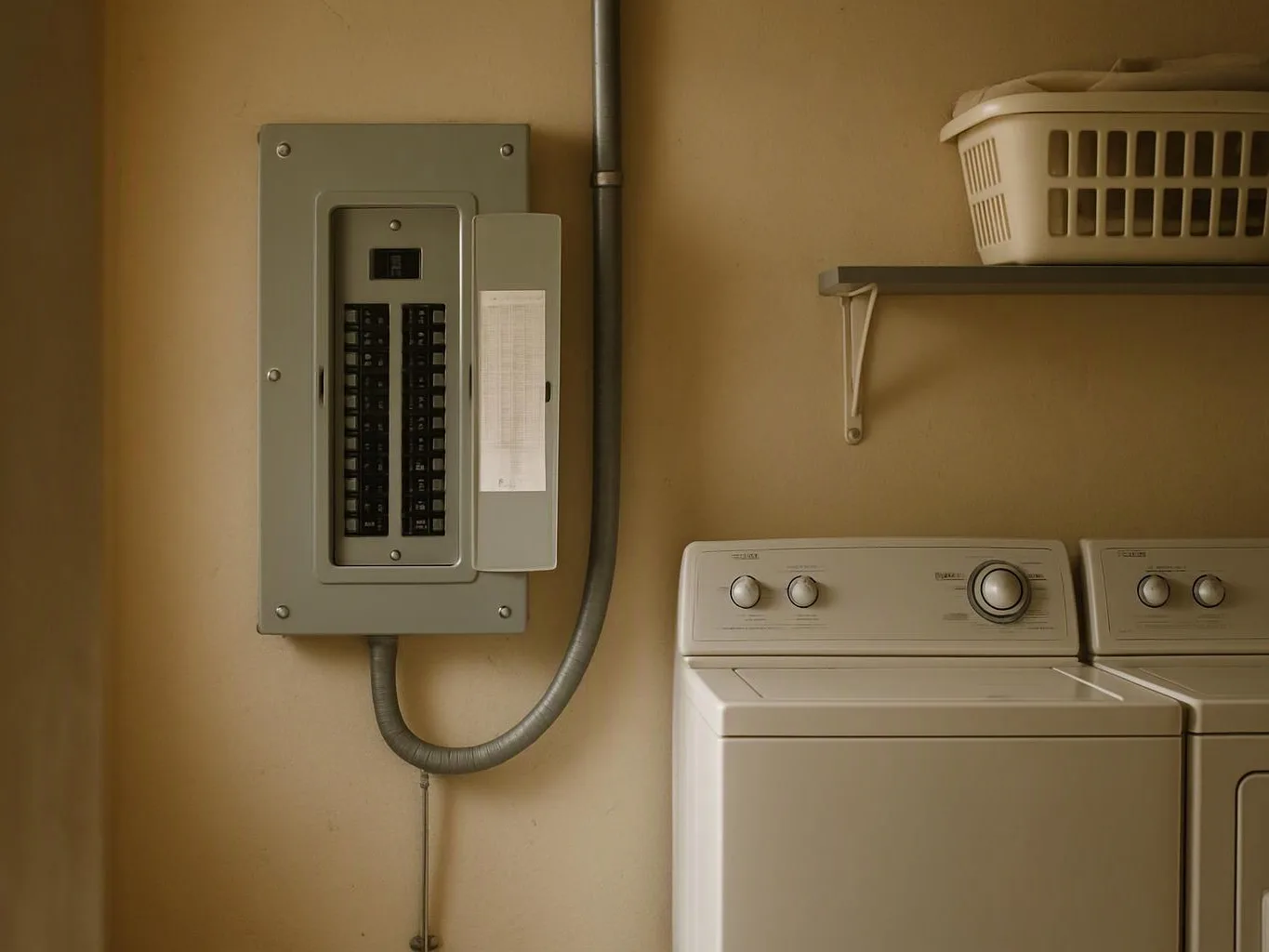
An electrical panel exposed to water must stay untouched and off. An electrician must check it first. Don’t open the panel or reset breakers. Don’t remove fuses or dry parts with home tools. Don’t spray cleaner inside. Water can damage insulation and connections after visible moisture dries.
A flooded electrical panel may have water behind its cover. Water may also reach a breaker or the panel box. Moisture can cause a short circuit or ground fault (an unsafe path for electricity). It can also cause rust or electrical arcing. A fuse may look fine but still have damaged parts.
Don’t remove the panel cover to look for damage. Don’t place fans, heaters, or hair dryers near it. These tools can spread moisture or expose live parts. They can also cause a fire. If the panel is wet or surrounded by water, leave the area. Do the same if it makes noise or feels hot. Move to a dry place and request professional help.
Electrical Panel Repair may require new breakers, fuses, bus connections, or box parts. The whole panel may need replacement. The right choice depends on the water exposure and circuit damage. An electrician must inspect the system first.
Can You Turn the Power Back on After Water Damage?
Don’t turn power back on after water damage. A qualified electrician must check the panel, wiring, outlets, and affected circuits first. The parts must be dry, safe, and free from damage. Dry surfaces don’t prove electrical safety. Testing may find hidden moisture, rust, or damaged insulation.
Power restoration must follow a safe process. It isn’t a test for homeowners. An electrician may check insulation, wiring paths, grounding, and safety devices. They’ll also check each damaged circuit. Hidden cables may hold water inside their insulation or fittings.
Power should return only after unsafe parts are fixed or removed. The water source must also be under control. A damaged circuit may trip at once or work for a short time. It may then overheat later. Repeatedly resetting a breaker can raise the fire risk.
Most home water damage checks take one to several hours. The time depends on access and the number of damaged circuits. Replacement parts may also affect the time. This estimate isn’t a promise. Water cleanup, drying, and electrical approval may happen at different times.
What Should You Do About Wet Outlets or Wiring?
A wet outlet and exposed wiring are unsafe. Treat them as live until power is off and an electrician checks them. Don’t touch, unplug, remove, or cover wet electrical devices. Keep people away. Stop the water source if safe. Have an electrician test cables, outlets, boxes, and safety devices.
Water can enter an outlet through a wall, cover, flood, or leak above. It may also follow a cable into a junction box. A GFCI outlet can lower some shock risks. It doesn’t dry or fix wet equipment. Don’t assume GFCI protection makes the area safe.
Never pull a plug from a wet outlet. Don’t stand on a wet floor while using a switch. Don’t cover a damaged outlet with tape. Avoid nearby metal pipes, appliances, and fixtures. Water may make them live. An electrician can check the outlet, box, cable, connections, and GFCI device.
Our team works with the water cleanup crew. The source gets controlled, and affected areas get recorded. Power stays off during the work. Electrical parts get tested before safe use is approved.
What Signs Show That Water Has Damaged an Electrical System?
Electrical water damage can show clear warning signs. These signs include burning smells, buzzing, flickering lights, and breaker trips. Warm outlets, rust, sparks, and shocks also signal danger. Move away from the area. Get professional help instead of testing live parts.

Any of these signs can mean damaged insulation or a loose connection. It can also mean a ground fault or another danger. Don’t restore power to see if the sign stops. Move away and keep others out. Then call for an electrical check.
How Does Water Reach Electrical Wiring in a Home?
Water often reaches wiring through plumbing leaks, roof leaks, and floods. Appliance failures, damp air, and storms can also cause problems. Water can move along walls, pipes, cables, and framing. It may reach outlets or a panel. Stop the source, but still arrange an electrical check.
| Source | How water travels | Possible electrical impact |
|---|---|---|
| Plumbing leak | Through ceilings, walls, and framing | Wet cables, boxes, outlets, or circuits |
| Roof leak | Along rafters and wall cavities | Moisture around fixtures and hidden wiring |
| Flooded basement | Across floors and foundation areas | Contact with appliances, outlets, and circuits |
| Condensation | Inside damp boxes or pipes | Rust and insulation problems |
| Storm damage | Through broken openings or outdoor devices | Wet outdoor wiring and possible faults |
Pipes can carry water farther than you expect. A small leak may affect more than one device. Stop the source, but don’t cut walls or handle wiring. An inspection should cover visible and hidden areas. Water may have entered either space.
How Can You Prevent Water Damage near Electrical Wiring?
You can lower the risk by fixing leaks quickly. Keep panels and outlets away from known moisture. Use weather-resistant devices in outdoor areas. Maintain drains and test GFCI protection. Wet equipment still needs power isolation and an electrical check.
GFCI protection adds safety, but it doesn’t make wet equipment safe. Don’t use a wet outlet or appliance. Keep boxes away from panels. Avoid extension cords in damp areas. If a device gets wet, isolate it and arrange an inspection. Don’t rely on a reset.
When Should You Call an Electrician After a Leak?
Call an electrician right away when water reaches a panel, outlet, wire, appliance, or hidden electrical space. Call sooner if breakers trip, smoke appears, or water remains. An electrician can isolate danger, inspect circuits, and fix damaged parts. They can also decide if you need local repairs.whole-house rewiring.
Emergency Electrical Repairs may be needed for standing water, exposed wires, smoke, sparks, or arcing. They may also be needed for a damaged panel or unsafe power. A flooded basement is an electrical emergency when water may touch live circuits, appliances, boxes, or outlets. Leave the area and call emergency services if life or fire risks exist.
Ask for an electrical check before using a room with hidden damage. The electrician may inspect the panel, breakers, outlets, boxes, and cable insulation. They’ll also check grounding and GFCI devices. Dry surfaces don’t prove that hidden wiring is safe.
We can help arrange water cleanup, leak repair, electrical testing, and safe power restoration. Each job stays with the right trade. Power should remain off until the electrician approves its return. The fix may include a wet outlet replacement or circuit repair. It may also include Electrical Panel Repair or wider rewiring.
Whole-house rewiring may be considered after damage affects many circuits or hidden wires. It isn’t always needed. The inspection should show the true size of the damage. It should also show which parts can be repaired. Emergency Electrical Repairs in Toledo can help when an electrical hazard can’t wait.
Contact our team through the service request page when you need help choosing the next safe step. Don’t enter standing water or touch a damaged panel. Don’t restore power while waiting for help.
Questions About 24 Hour Electrician
What Should I Do if Water Reaches My Electrical Panel?
Don’t touch, open, reset, or dry a wet electrical panel. Leave the area and keep people away. Shut off the main disconnect only from a completely dry spot. Otherwise, call emergency services and a licensed electrician. The panel must be inspected before power returns.
Is a Flooded Basement an Electrical Emergency?
Yes, a flooded basement is an electrical emergency when water may touch live outlets, appliances, wiring, boxes, or a panel. Don’t walk through the water or touch nearby equipment. Leave the basement and request emergency help. Do this if power can’t be safely isolated from a dry spot.
Can I Turn Power Back on After Water Damage?
No. Wait until a qualified electrician checks the system. They must confirm that the panel, wiring, outlets, and circuits are safe. Dry surfaces don’t prove that hidden parts are undamaged. Power should return only after testing and needed repairs.
What Should I Do About Wet Outlets or Wiring?
Treat wet outlets and wiring as live hazards. Don’t touch, unplug, remove, or cover them. Keep the area clear and stop the water source if safe. Isolate power from a dry spot. Have an electrician inspect outlets, cables, boxes, and GFCI protection.
When Should I Call an Electrician After a Leak?
Call right away if water reaches a panel, outlet, appliance, wire, or hidden electrical space. Request urgent help for standing water, exposed wires, smoke, sparks, buzzing, repeated breaker trips, or a damaged panel. An electrician can isolate the danger and find safe repairs.
Related Resources
How Much Does a 24-Hour Electrician Cost in Toledo?
24 hour electrician cost Toledo OH
How It WorksWhat Happens During an Emergency Electrical Troubleshooting Visit?
emergency electrical troubleshooting process Toledo
How It WorksPower Outage Repair: When to Call an Electrician
power outage repair electrician Toledo
How It WorksPool and Hot-Tub Electrical Installation: Process and Cost Factors
pool and hot tub electrical installation cost Toledo