Skip to content

Why Your Generator May Not Work During a Power Outage

A generator may fail because it has no fuel, a weak battery, or a fault. It may also overload or fail to transfer power. A unit that won't start needs basic fuel, battery, and control checks. A unit that starts but powers no circuits may have a switch or wiring issue. Turn it off if you smell fuel, see damage, or hear odd sounds. Call an electrician for unsafe faults, partial power, or switch problems. At Toledo Electrician, we help homeowners know which checks are safe.

Get a Free Estimate
Standby generator supporting household circuits during a power outage

Why Won’t My Generator Start During a Power Outage?

Generator startup failure often comes from old fuel, a weak battery, or a fault. The control panel may also use the wrong mode. Check fuel, battery condition, service switches, and fault codes. Don't open electrical covers or bypass safety controls.

A standby generator checks the utility power. When that power drops, its control starts the engine. The system then waits for steady output. A portable generator works in a different way. Someone must move it outdoors, add fuel, start it, and connect approved loads.

Start with items you can see from outside. Make sure the fuel type matches the manual. Gasoline can go stale. Propane and natural gas systems can have valve or supply problems. Check the oil level if the unit has an oil sensor. Low oil may stop the engine.

Next, check the battery and charger light. A standby unit may not crank after sitting unused. The battery could be weak, dirty, or old. Don't place tools across the battery terminals. Also, don't work inside the control cabinet. A fault code may show low voltage or overheating.

Release the emergency stop switch. Set the controller to automatic when needed. A service switch may stay off after maintenance. If the engine cranks but won't run, stop trying. A blocked filter or deeper engine issue may need testing.

Common Causes of a Generator That Will Not Start

These causes affect both portable and standby generators. Check only outside controls that you can reach. Follow the owner's manual.

  • Low fuel: The tank may be empty. The fuel may also be old. A gas valve may be closed.
  • Dead battery: A weak battery or bad charger can stop an automatic start.
  • Engine oil sensor: Low oil or a bad sensor may shut the unit down.
  • Clogged fuel filter: Poor fuel flow can stop the engine or make it run badly.
  • Emergency stop switch: A pressed switch can block the start command.
  • Active fault code: The controller may lock the unit until the cause is fixed.

Never bypass an oil sensor or defeat a shutdown. Don't spray fuel into an engine. Don't use a damaged unit. If fuel leaks or smoke appears, shut it down from a safe place. Get help at once.

What Should You Check Before Calling for Generator Repair?

Basic generator checks include the mode, fuel, oil, emergency stop, battery lights, and fault display. These checks may find a simple issue. Homeowners shouldn't remove covers or test live wires. Don't reset repeat faults without help.

Look at the service records first. They may show when the oil, filters, and battery were checked. The records may also show if the unit ran its test cycle. Missing service doesn't prove the cause. It still gives a technician useful details.

For a standby generator, check automatic mode. Make sure the fuel valve is open. Look at the battery charger's status light. A green light doesn't prove the battery can start the engine. A technician may need to test it.

Check the space around the generator. Clear leaves, snow, boxes, and other items. Look for damage, loose covers, leaks, or blocked exhaust. A portable unit must stay outdoors in a dry place. Never run it in a garage, basement, shed, or near a window.

A backup system needs enough power for its loads. Refrigerators, sump pumps, lights, and heat controls may be key loads. Ranges, water heaters, and large motors may need to stay off. If the unit trips as loads start, it may have too much demand.

Most basic service visits take one to three hours. This range fits simple checks or control issues. Time can change with access, parts, fuel type, and wiring. A qualified professional should handle live wires and electrical cabinets.

Why Does My Generator Start but Not Transfer Power?

An automatic transfer switch problem may stop power from reaching your home. A transfer switch moves the home from utility power to generator power. A control fault or bad setup may keep it disconnected. The engine can run while the house stays dark.

The system first checks whether utility power failed. It may wait briefly before starting. This helps avoid starts during short power dips. After the engine reaches steady output, the switch should move. It may also wait before moving back to utility power.

If output looks normal but transfer fails, wiring may be at fault. The switch motor, contacts, or sensors may also fail. A lockout setting can cause the same issue. The load center may be connected incorrectly.

What you observe Possible area Safe next step
The engine does not crank Fuel, battery, controller, or engine safety circuit Check visible controls and the displayed status
The engine runs, but the home is dark Transfer switch, sensing, output, or connection Do not open the switch; call an electrician
Only some circuits work Circuit priority, breaker, split-phase output, or overload Reduce optional loads and stop if power is unstable
The unit trips when equipment starts Generator capacity, motor starting current, or fault Disconnect nonessential loads and arrange diagnosis

The transfer switch must match the generator and home service. It must also match the phase setup and protected panel. Split-phase power matters in many homes. Some circuits use different sides of the supply. A qualified technician can test output and safe circuit power.

What Are Signs of a Bad Generator Transfer Switch?

A bad switch can cause an outage while the engine sounds normal. Don't touch the switch, panel, or exposed wires. A technician should confirm the fault.

  • Transfer switch contacts: The contacts may not move or connect generator power.
  • Electrical arcing: Snapping, flashes, or a sharp smell may show wire damage.
  • Burn marks: Dark plastic, melted insulation, or heat damage needs prompt service.
  • Chattering relay: Repeated clicking may show weak control power or a sensor fault.
  • Manual transfer operation: Stop if the handle won't move smoothly or safely.
  • Delayed or failed switching: A long delay may show a control or match problem.

Never force the handle or remove the cover. More than one power source may energize the switch. Our team can test the system safely. We can then suggest repair or replacement.

Why Does My Generator Provide Partial Power?

Partial generator power can have several causes. Only selected circuits may connect. A breaker or one side of the system may also fail. Too much load can trip the unit. Uneven power can point to a switch, wire, or output fault.

Many standby systems power only key circuits. These may include refrigerators, heat controls, medical devices, and lights. Large appliances may stay off by design. This setup helps the generator handle the selected loads.

A breaker may trip when an appliance draws too much power. A fault can also trip it. Don't keep resetting the breaker. Disconnect optional equipment if it trips again. Then arrange service.

Split-phase power can cause another issue. If one side fails, some circuits may work. Others may stay dead. Low or uneven voltage can harm appliances. Flickering lights, buzzing outlets, and weak motors need attention.

A portable generator has connection limits. Its rated and starting power must fit the connected equipment. Add appliances one at a time. Never power a home through a normal wall outlet. Use an approved connection that prevents backfeed.

How Can You Prevent Generator Problems During an Outage?

Preventive generator maintenance can lower the risk of failure. Keep fuel fresh and run the unit on schedule. Test the battery and change filters and oil as needed. Have a qualified technician test output and transfer action before severe weather.

Use the manual for fuel, oil, filters, and test settings. Store portable units and fuel with care. Fuel stabilizer can help protect stored gasoline. It can't fix bad fuel or a blocked system. Gas systems also need good pressure and clear valves.

1
Schedule service: Follow the service times listed for your model.
2
Run the exercise cycle: Let an automatic unit run on its set schedule.
3
Test the battery: Check the charger light and test starting power.
4
Protect the fuel: Use the right fuel and replace old or dirty fuel.
5
Inspect transfer operation: Have a technician test the switch, output, panel, and circuits.

Maintenance includes more than changing oil. It may include filters, coolant, belts, exhaust, and battery wires. It may also include alarms, grounding, and load tests. Before a storm, clear vents and keep the area open. Keep portable units away from rain, floods, and carbon monoxide risks.

When Does a Generator Problem Require an Electrician?

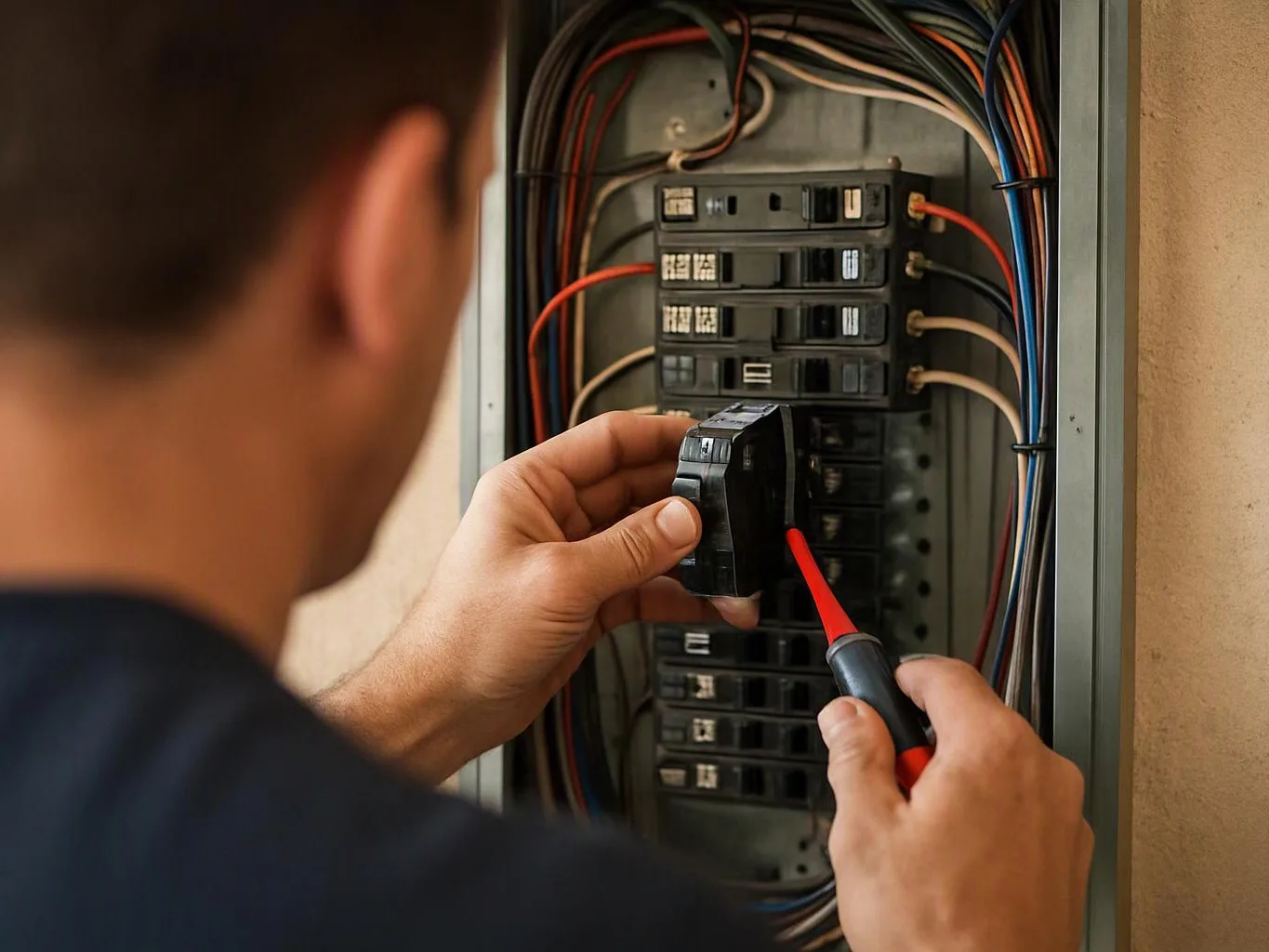
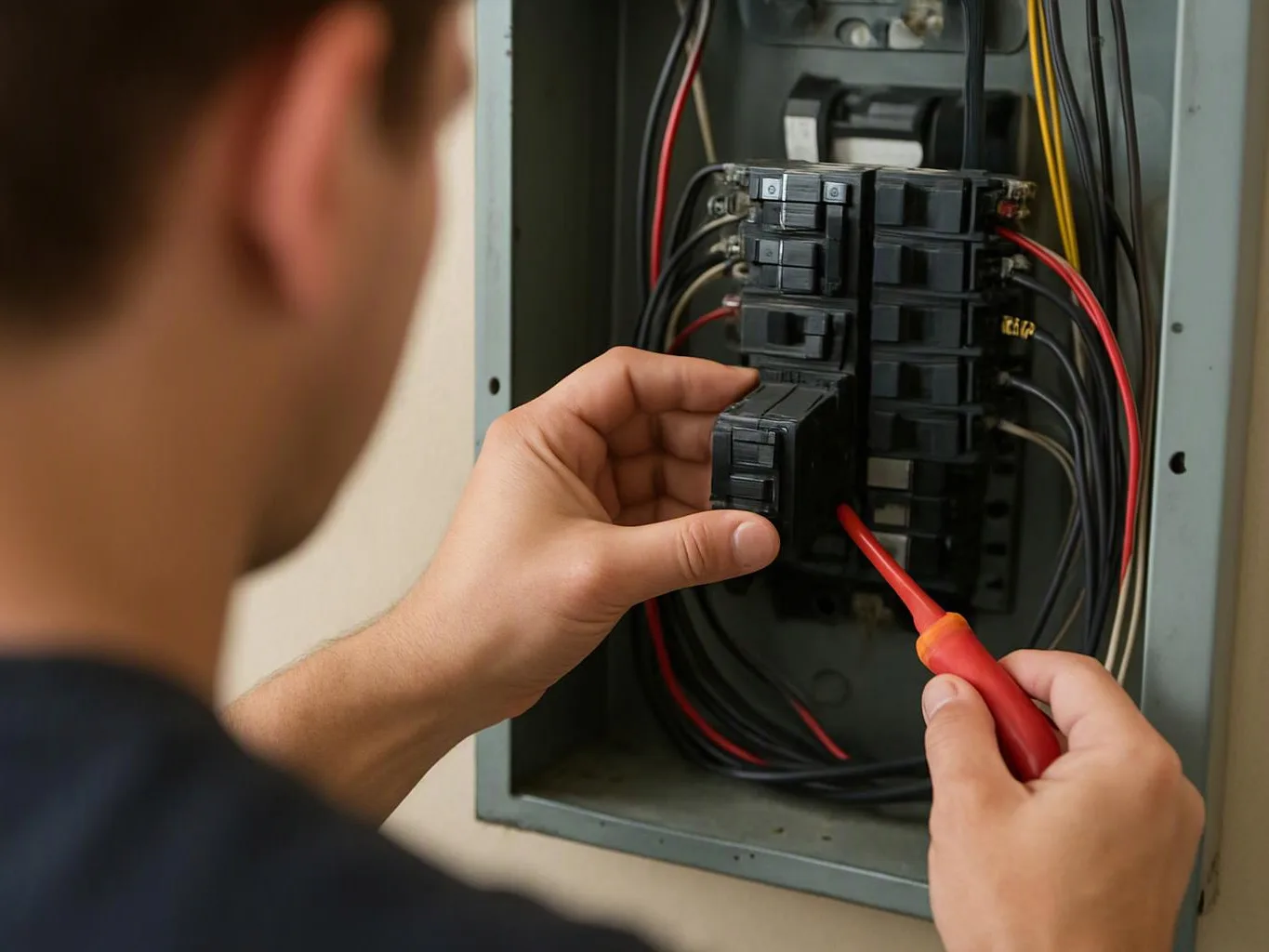
A generator problem requires an electrician when the unit runs without powering the home. It also needs service for partial power, unstable power, or repeat breaker trips. Burning, arcing, switch, panel, wiring, and backfeed issues need professional help. Installation work also requires an electrician.

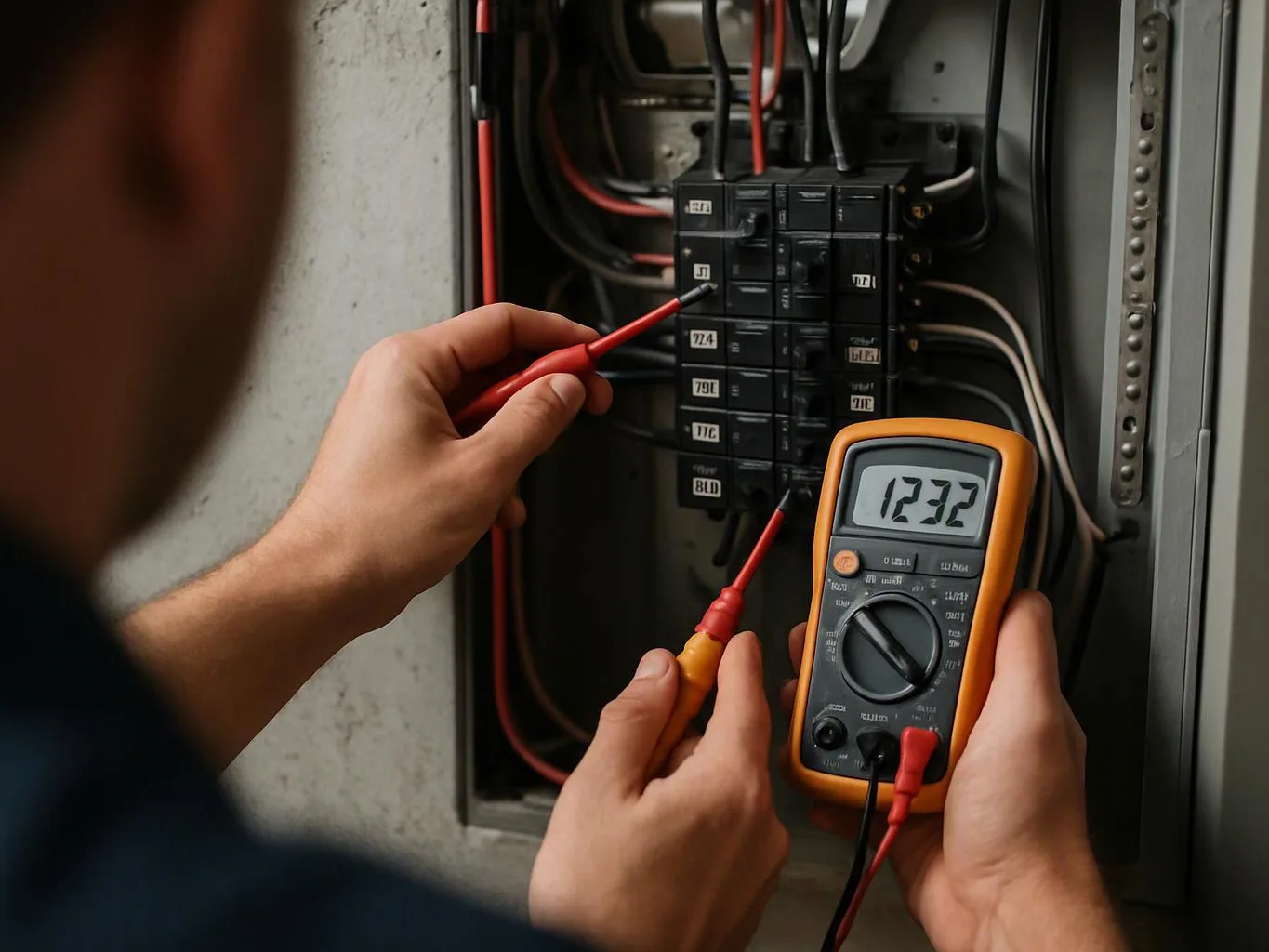
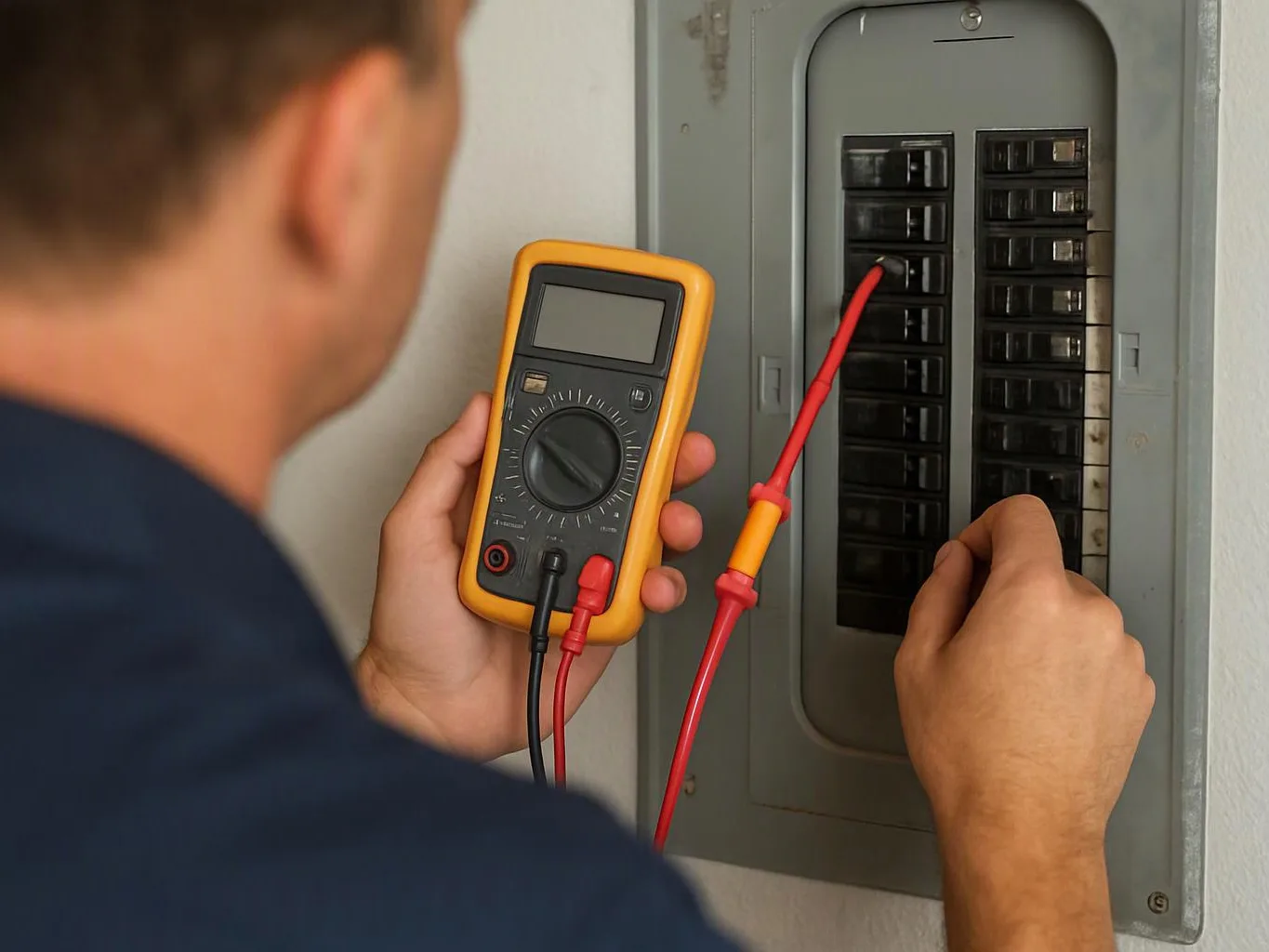
Call a residential electrician for unsafe voltage or exposed wires. Also call for a damaged panel, melted insulation, or burning smells. Electrical testing needs proper meters and safe steps. One breaker may not remove every danger.

Backfeed is a serious risk from a bad generator connection. It can send power into utility lines. This can harm workers and damage home equipment. Never connect a portable generator to a wall outlet. An approved transfer device must separate both power sources.

Our team can check the generator, transfer switch, panel, and branch circuits. We also help.Generator Repair in Toledo. A 24 Hour Electrician may help with urgent electrical danger.

Generator installation involves more than placing a unit near your home. It includes sizing, fuel, wiring, grounding, and clearances. It also includes ventilation, disconnects, and transfer-switch fit. Plan medical devices, heat, and refrigeration before an outage.

Generator Outage Troubleshooting Questions

Generator outage troubleshooting starts by finding the type of problem. A unit that won't run needs fuel, battery, control, and service checks. A running unit with no home power needs switch and wiring checks. Stop if fuel, heat, voltage, or damage creates danger.

Portable and standby users should list essential circuits. Write down the fuel type, model, capacity, and fault messages. Note which appliances have no power. This helps the technician work faster.

Why will not my generator start during a power outage? Check fuel, the stop switch, automatic mode, oil, battery, and fault display. Repeat failure may involve the engine or controller.
Why does a generator start but not transfer power? The automatic transfer switch may not sense the outage or connect the panel. This needs electrical testing.
Why is my generator running but no electricity? The output, breaker, switch, or wiring may be open. Don't test live equipment yourself.
Why does my generator provide partial power? Selected circuits may be planned. A breaker, overload, switch, or wiring fault may also cause it.
Can a generator run without a transfer switch? A portable unit can run approved appliances outdoors. It must not feed home wiring without a safe connection.
How long should a generator run before it powers the house? A standby system often starts after a short check and warm-up. The exact delay depends on the model. A long delay may show a fault.
How do I reset my generator after a power outage? Follow the manual and return the system to normal mode. Clear a fault only after finding its cause. A repeat fault needs service.
Is it safe to troubleshoot a generator myself? Basic outside checks are usually safe. Live wires, panels, switches, leaks, arcing, and backfeed risks need professional help.

Don't use equipment that is wet, damaged, hot, or giving off fumes. If you aren't sure if the issue is fuel or electricity, shut it down safely. Then contact a residential electrician.

Get Safe Help with Generator Problems

We can check your backup system and find the cause. The issue may involve operation, maintenance, Generator Repair, or the transfer switch. Safe service protects your home, equipment, and utility workers.

Contact our team for generator service when the unit won't start, won't transfer, or gives unsafe power.

Get a Free Estimate

Questions About 24 Hour Electrician

How Do I Reset My Generator After a Power Outage?

Follow the manual for stopping and resetting the unit. Return the controller to automatic mode. Check the fault display first. If the fault returns, stop resetting it. Arrange qualified service.

How Long Should a Generator Run Before It Powers the House?

A standby system checks utility power first. It then starts, builds steady voltage, and transfers power. The exact time depends on the equipment. A long or repeated delay may show a switch problem.

Can a Generator Run Without a Transfer Switch?

A portable generator can run approved appliances outdoors with proper cords. It must not connect to home wiring through an outlet. Household connections need an approved method that prevents backfeed.

Why Is My Generator Running but No Electricity?

The generator may not produce power. The breaker, wiring, transfer switch, or panel may also block it. Don't open live equipment. Have an electrician test the system.

Is It Safe to Troubleshoot a Generator Myself?

Safe checks include visible fuel, oil, switches, lights, and clear vents. Never test live wires or remove switch covers. Don't bypass safety controls or handle arcing equipment. Get help with those problems.

+1 (419) 574-6561