Skip to content

Carbon Monoxide Detector Installation in Ottawa Hills, Ohio

Interconnect wiring prevents one detector alarm from going unheard in Ottawa Hills. We install hardwired detectors with backup batteries for homes and businesses.

Licensed & InsuredFree EstimatesWarranty AvailableSame-Day Service

Quick Summary: carbon monoxide detector installation in Ottawa Hills, Ohio

Carbon Monoxide Detector Installation in Ottawa Hills is provided by Toledo Electrician for linked detectors, hardwired connections, backup batteries, and electrical box work. We serve residential and commercial properties throughout Toledo and surrounding Lucas County communities.

  • What we do: Toledo Electrician provides carbon monoxide detector installation for Ottawa Hills, Ohio homes and commercial properties, including detector connections and alarm testing.
  • What is included: Interconnect wiring, hardwired connections, backup battery placement, electrical box checks, and detector testing.
  • What you get: The finished system gives the property linked carbon monoxide alarms with working power and battery backup.

Should carbon monoxide detectors be hardwired in Ottawa Hills, Ohio?

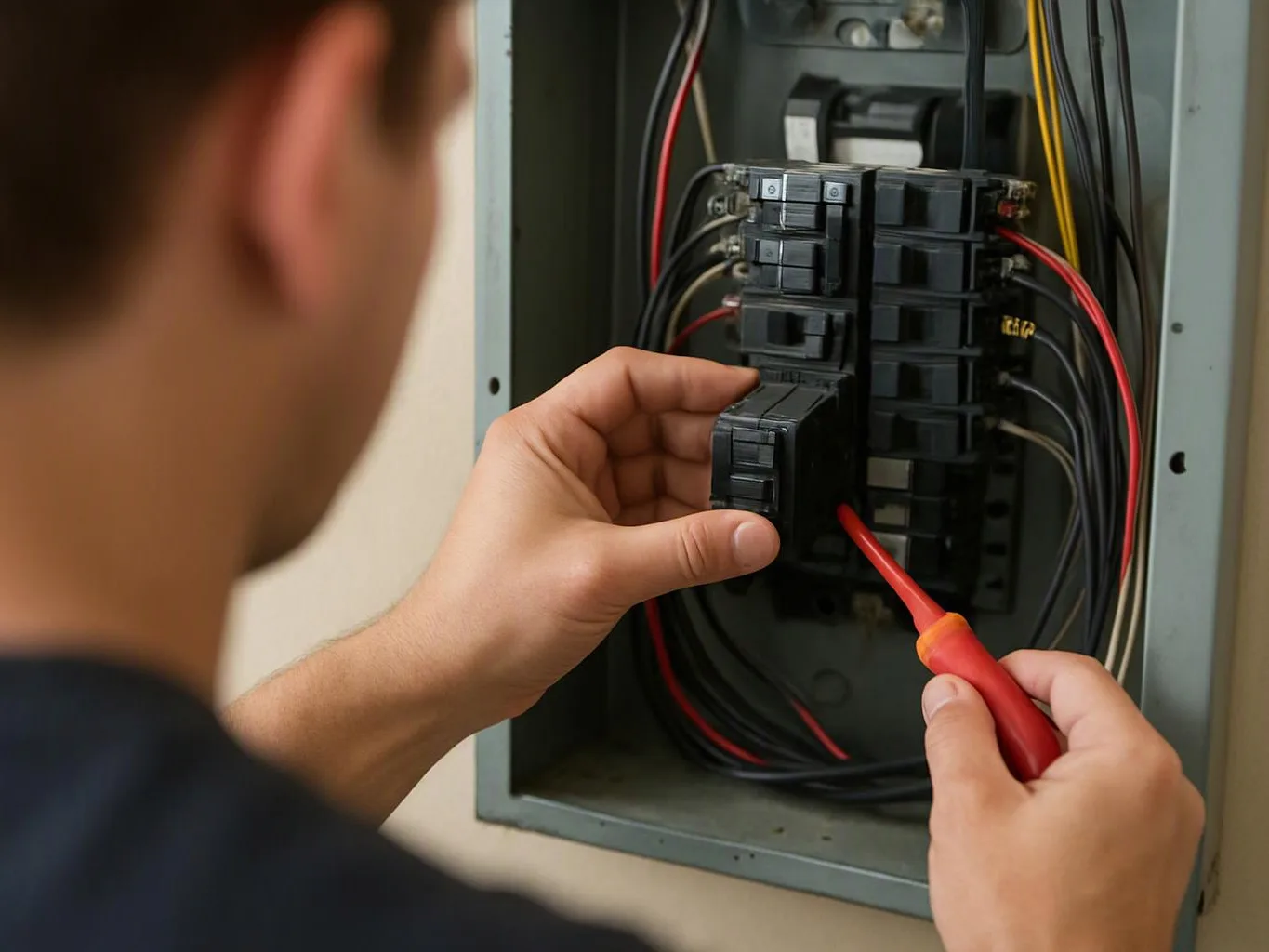
Hardwired detectors are a strong choice when linked alarms are needed throughout a property. Interconnect wiring lets one alarm signal reach the others. Backup batteries keep the detectors powered during an outage. Toledo Electrician checks the electrical box and the detector connection before testing the system.
Carbon monoxide detector installation for Ottawa Hills properties

Carbon monoxide detector installation focuses on how detectors receive power and share an alarm signal. The work fits homeowners, landlords, property managers, and commercial owners who want connected protection across several rooms.

The buyer's main choice is whether the property suits a hardwired connection, a battery-only unit, or another approved setup. We inspect the planned detector locations, check the electrical box, and review access before we set the work scope. A detector replacement alone won't solve a wiring issue or a wider electrical fault.

The page serves buyers who need a focused installation decision, not a general electrical repair visit. If the property has a burning smell, a buzzing panel, or another active electrical hazard, we address that safety concern as electrical service rather than treating it as a detector-only job.

  • Choose between linked hardwired detectors and battery-only units.
  • Check whether each detector location has suitable electrical box access.
  • Confirm that backup batteries are included in the planned setup.
  • Test the alarm signal after the connections are complete.
  • Request a separate electrical assessment when another hazard is present.
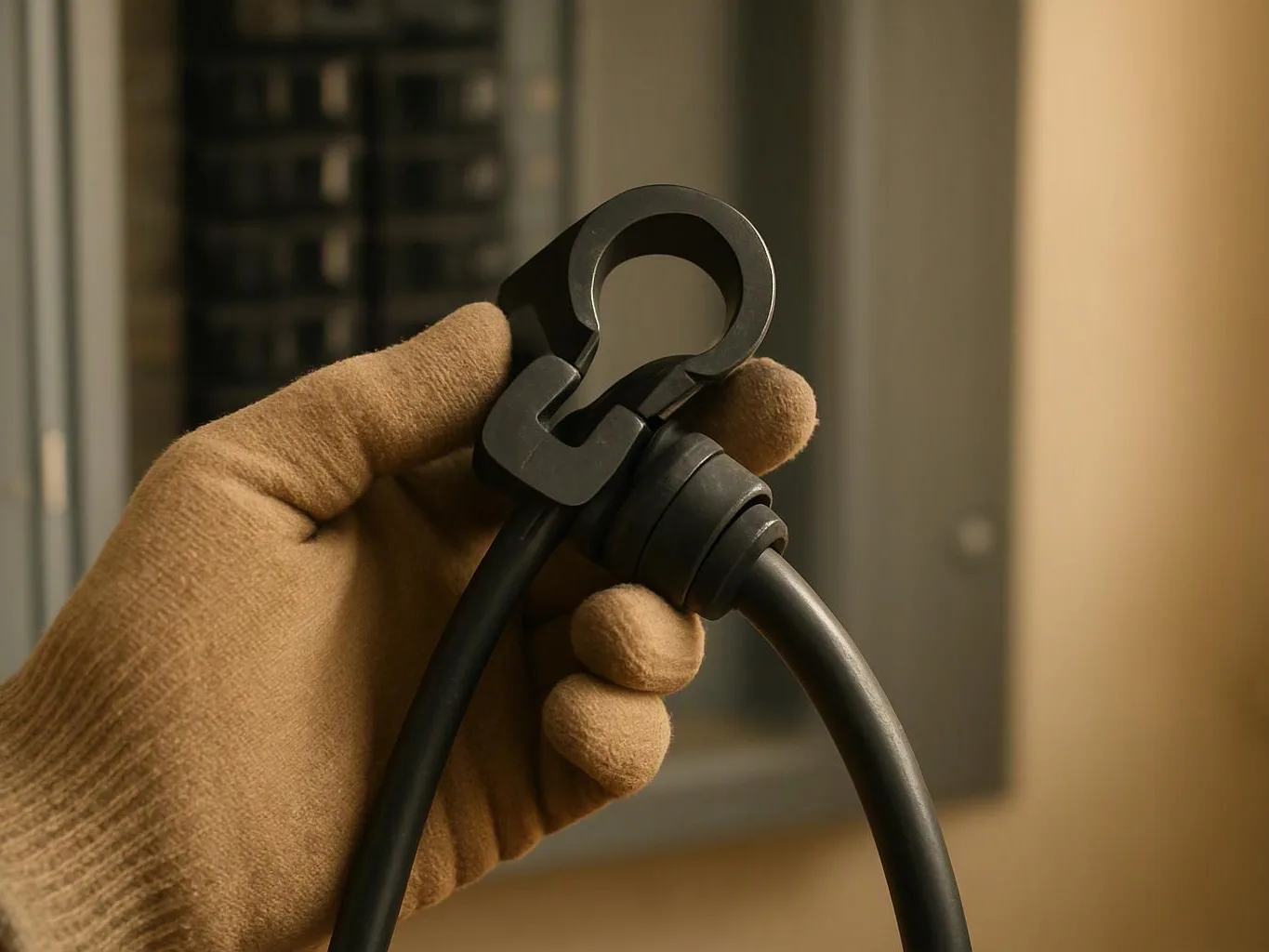
A gloved hand holds a black cable connector in front of a blurred wall panel

Service Overview

Carbon monoxide detector installation is electrical work that mounts detectors, supplies power, and links alarms across a property.

  • Hardwired detectors connect to the building power system, while plug-in or battery-only units do not require an electrical box connection.
  • Toledo Electrician provides this work for homes and businesses in Ottawa Hills.

What carbon monoxide detector installation includes

Toledo Electrician provides comprehensive Carbon Monoxide Detector Installation in Ottawa Hills. Here's what you get:

  • We review the property and identify the detector locations that need coverage.
  • We check the electrical box before making a hardwired connection.
  • We install detectors with backup batteries when that setup fits the property.
  • We connect compatible detectors so an alarm can signal across the system.
  • We test the detector power and alarm communication after installation.
  • We explain the installed setup and any follow-up electrical work the property needs.

A situation this service fits

A typical property decision involves a home or business that wants linked alarms but has uncertain electrical box access. We inspect the existing connection, confirm whether the selected detectors support interconnect wiring, and explain the work before installation. If another electrical hazard appears during the check, we separate that repair from the detector scope.

What to check before choosing detector installation

Match the wiring to the property

The existing electrical layout affects whether a hardwired connection is practical. We inspect the box and access points before recommending the work.

Link detectors where coverage calls for it

Interconnect wiring suits properties where occupants need alarms to sound together. The detector models must support the planned connection.

Separate alarms from electrical hazards

Detector installation is the wrong job when the main issue is a sparking outlet, burning smell, or buzzing panel. We handle the electrical hazard as its own service need.

Process

How we install linked carbon monoxide detectors

1

Review detector locations

We discuss the property layout, the existing detectors, and the rooms that need linked alarm coverage.

2

Check the electrical boxes

We inspect each planned connection point and look for access or wiring conditions that affect the installation.

3

Connect hardwired detectors

We install the detectors, make the hardwired connections, and fit backup batteries where the selected units require them.

4

Test linked alarm signals

We test power and alarm communication so the connected detectors respond as planned.

5

Explain the finished setup

We review the installed system and identify any separate electrical issue that needs its own scope.

What linked carbon monoxide detectors change

Linked detectors help an alarm reach occupants in other parts of the property.

A hardwired connection reduces reliance on replaceable batteries for normal power.

Backup batteries keep the detectors active when building power is interrupted.

A tested electrical box connection gives the installation a clear power path.

The installation gives property owners a defined choice between linked and standalone detectors.

Hardwired and battery-only detector choices

This table compares the main connection choices for a detector installation decision.

Connection choiceWhat it providesWhat we check
Hardwired detectorNormal power through an electrical boxBox access, wiring, battery backup, and detector compatibility
Battery-only detectorPower from replaceable batteries without a hardwired box connectionMounting location, battery access, and alarm testing
Hardwired linked detectorsNormal power with an alarm signal shared across compatible unitsInterconnect wiring, box access, backup batteries, and system testing

The Toledo Electrician Standard

  • Around-The-Clock Assistance
  • Electrical Repairs
  • Safety Focus
  • Urgent Problems

Questions about linked carbon monoxide detectors

Should carbon monoxide detectors be hardwired?

Interconnect wiring makes hardwired detectors a strong choice when several alarms need to sound together. A hardwired connection supplies normal power through an electrical box. Backup batteries support the detectors during an outage. Toledo Electrician checks detector compatibility and tests the linked alarm signal after installation.

How is detector installation matched to the property before work starts?

Property layout and existing electrical access determine the installation approach. We review detector locations, inspect electrical boxes, and check the current wiring. The planned setup also depends on whether the selected units support interconnect wiring. That review helps separate detector work from unrelated electrical repairs.

What should be ready before detector installation starts?

Access to the planned detector locations and electrical boxes should be ready before work begins. Existing detectors should remain available for inspection, and the owner should identify any known alarm or power issue. Our team then checks the wiring and confirms the planned hardwired and backup battery setup.

Which part of the job changes the installation price?

Electrical box access and the amount of interconnect wiring usually shape the project scope. The number of detector locations also matters, especially when new connections are needed. We review those conditions before providing a free estimate. The quote reflects the work needed at the property.

When is detector installation the wrong electrical service?

Detector installation is the wrong service when the main problem is an active electrical hazard. A burning smell, sparking outlet, or buzzing panel needs electrical assessment first. We can address emergency electrical concerns, then define separate detector work when the property is safe to proceed.

What should a customer ask before agreeing to detector installation?

Customers should ask whether the detectors will be linked, how the electrical boxes will be checked, and what backup power the units use. They should also ask which work the estimate includes. Toledo Electrician explains the connection plan, testing step, and any separate repair before work begins.

Can battery backup remain part of a hardwired detector setup?

Backup batteries can remain part of a hardwired detector setup when the selected units support them. The hardwired connection supplies normal power, while the battery supports operation during an outage. We check the detector specifications and test both power sources after the installation.
Contact

Request a Carbon Monoxide Detector Installation Estimate in Ottawa Hills

Ask Toledo Electrician about the detector setup for your property, and urgent requests get priority scheduling.

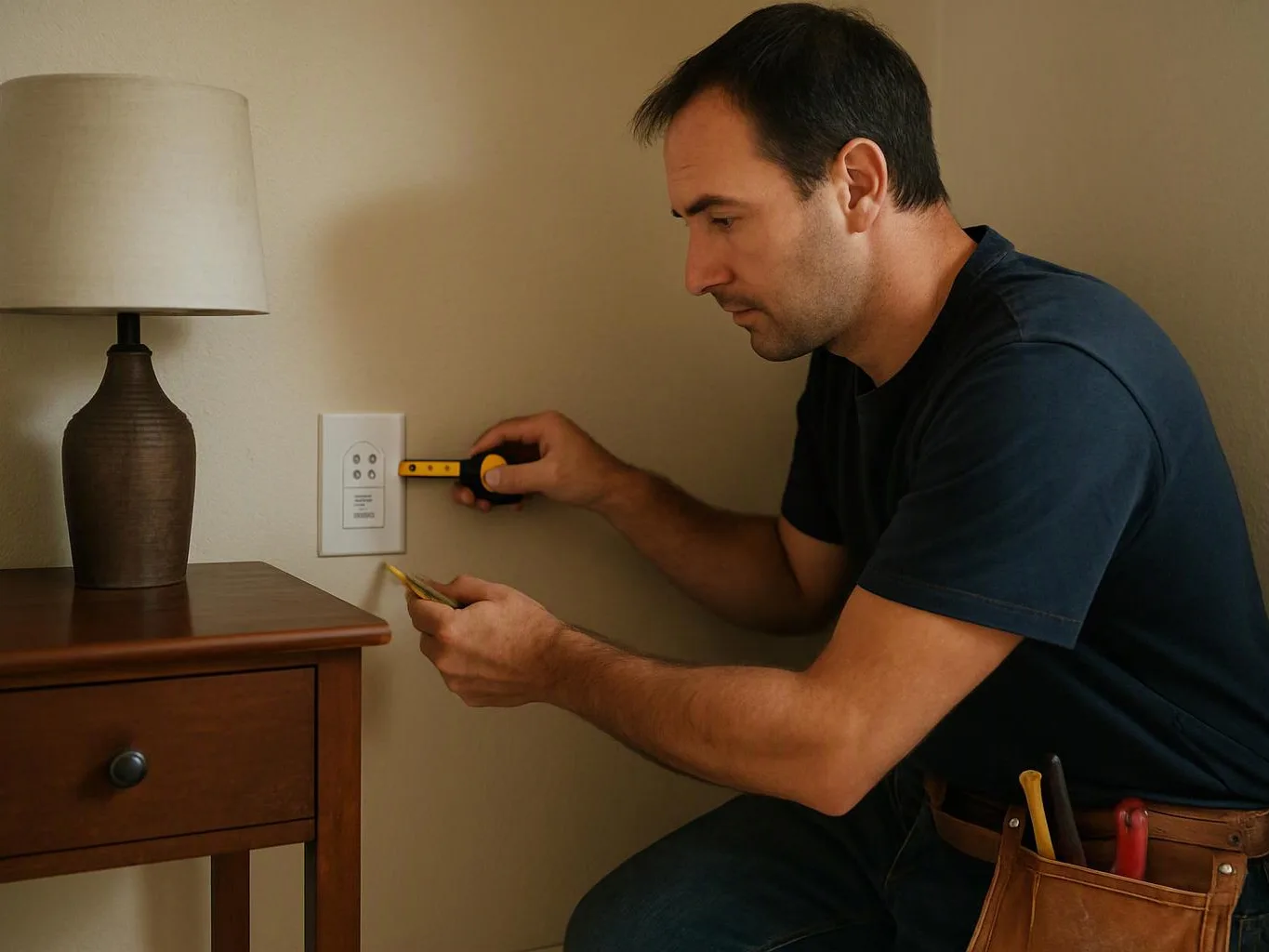
A man kneels beside a wall outlet, measuring it with a tape while holding a small tool in a room with a lamp and table

Carbon Monoxide Detector Installation in Other Areas

(419) 574-6561