What causes lights to flicker or dim?
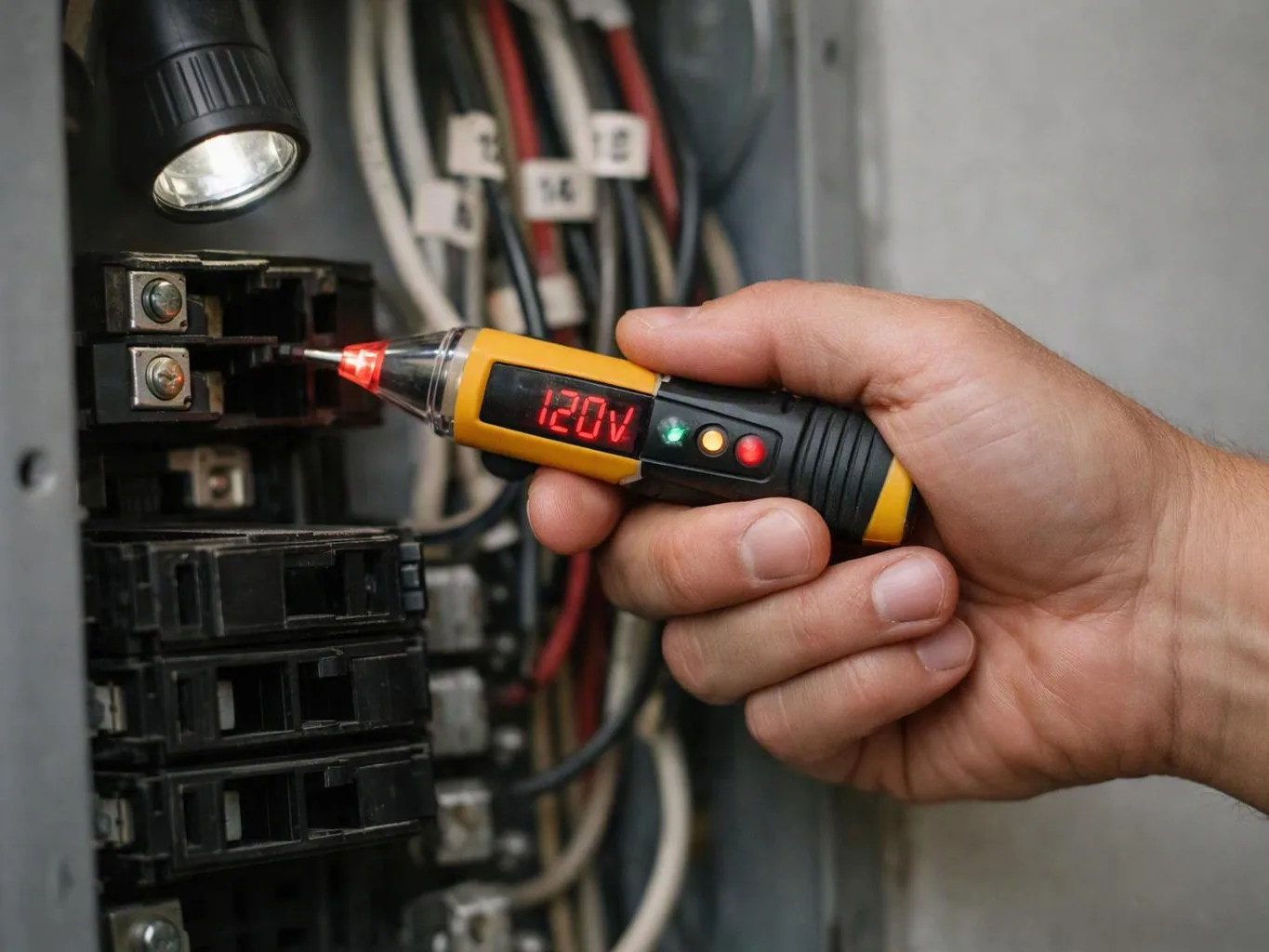
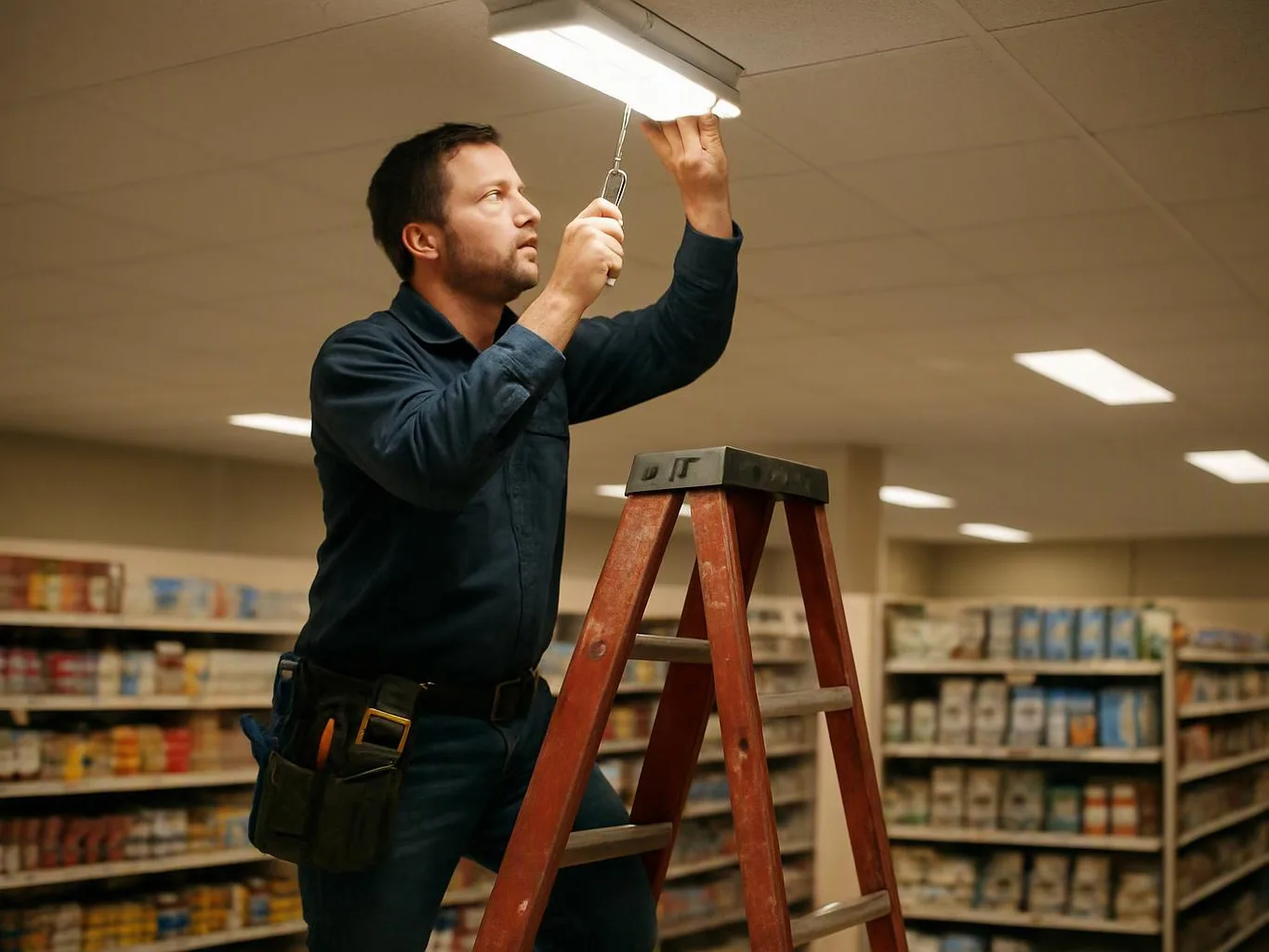
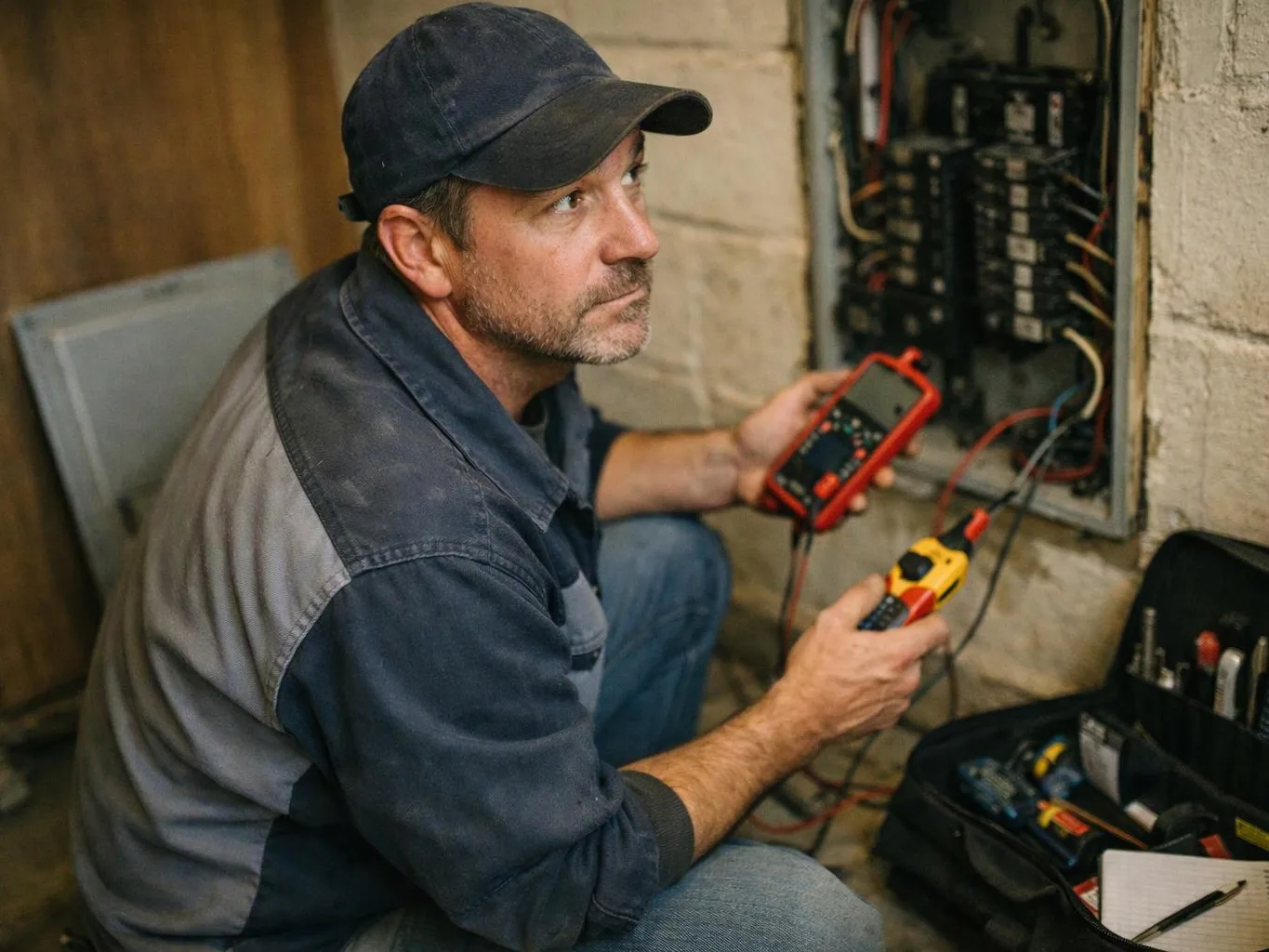
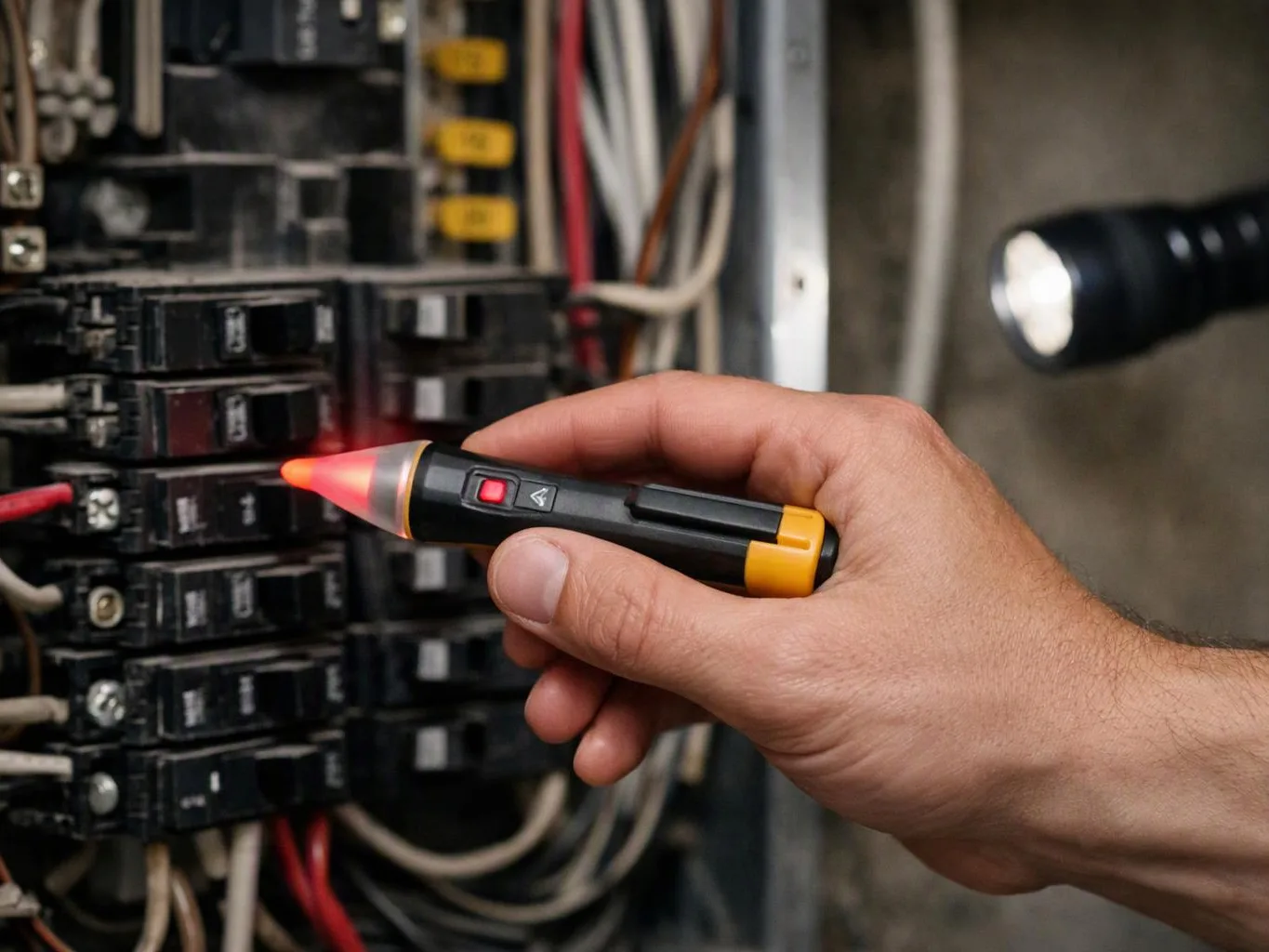
Utility fluctuations can cause flickering or dimming, but loose wiring, overloaded circuits, and faulty switches can also create the symptom. Toledo Electrician checks the panel, breaker, circuit path, switch, outlet, and visible connections. A burning smell, buzzing panel, warm plate, or sparking outlet calls for urgent attention.
How can I tell whether electrical troubleshooting fits my property?
Electrical troubleshooting fits a property when the cause of a power problem is unclear or a known circuit behaves unsafely. It covers flickering lights, dimming, dead outlets, repeated trips, buzzing panels, and faulty switches. A planned lighting installation or panel upgrade needs a defined installation scope after the fault is understood.
Which part of the property decides the scope of electrical troubleshooting?
The affected circuit decides much of the troubleshooting scope. The panel, breaker, branch wiring, switches, outlets, fixtures, and connected equipment show where testing must focus. Access also matters because concealed wiring or a shared circuit may require a broader review before we set the repair scope.
Why does one light dim when another appliance starts?
An overloaded circuit or weak connection can cause one light to dim when another appliance starts. We check the circuit load, breaker, panel connection, outlet, switch, and appliance connection. The result helps separate a capacity issue from a damaged part that needs repair.
Which material changes how long electrical troubleshooting takes?
The wiring material and its condition can change the testing and repair work. Aluminum wiring, older cloth-covered wiring, damaged conductors, and concealed cable each require different checks. We identify the wiring type and condition before recommending remediation, replacement, or a larger rewiring project.
What should I do before reporting a burning smell or sparking outlet?
Turn off the affected circuit if you can do so safely and keep people away from the outlet. Do not touch a hot switch plate, sparking receptacle, or damaged wiring. Tell us what happened, which breaker serves the area, and whether smoke or a burning smell remains so we can treat the request as an urgent electrical concern.
Can a breaker replacement solve repeated electrical trips?
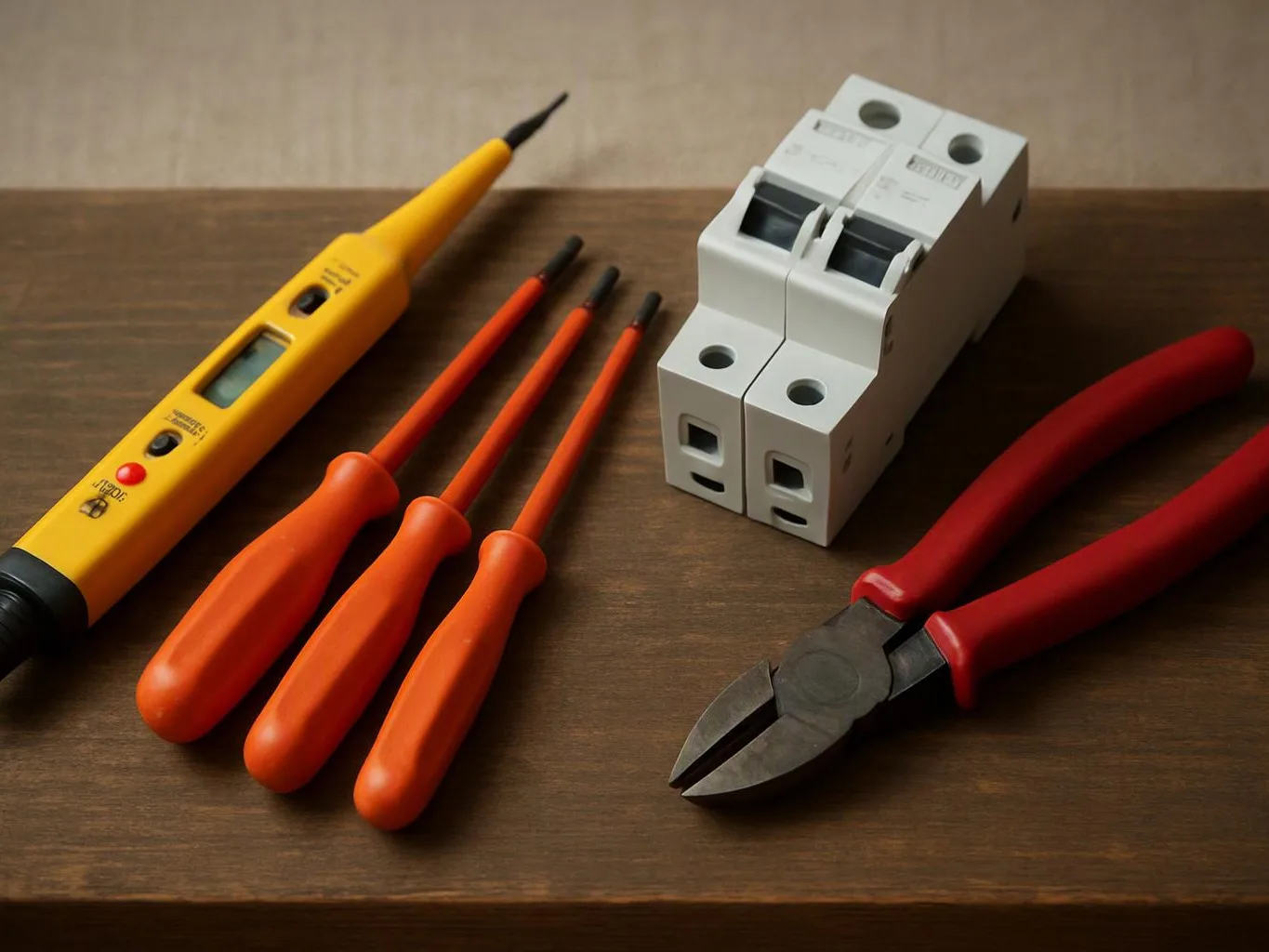
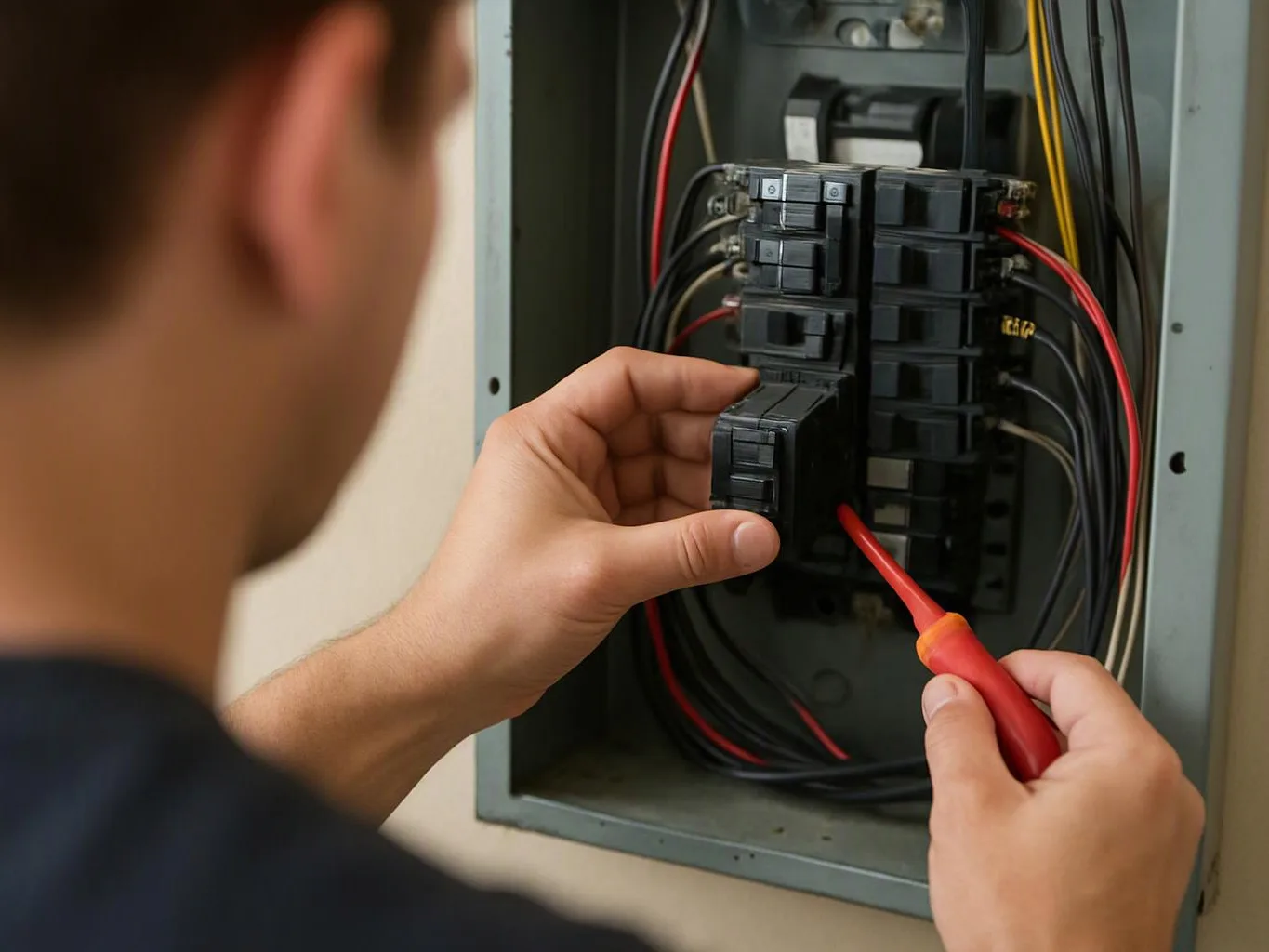
A breaker replacement solves repeated trips only when testing shows the breaker has failed. Overloaded circuits, short circuits, damaged wiring, and faulty equipment can also trip a breaker. We test the circuit and connected loads first, then explain whether replacement, repair, or a larger correction fits the finding.