What electrical problems commonly require code correction?
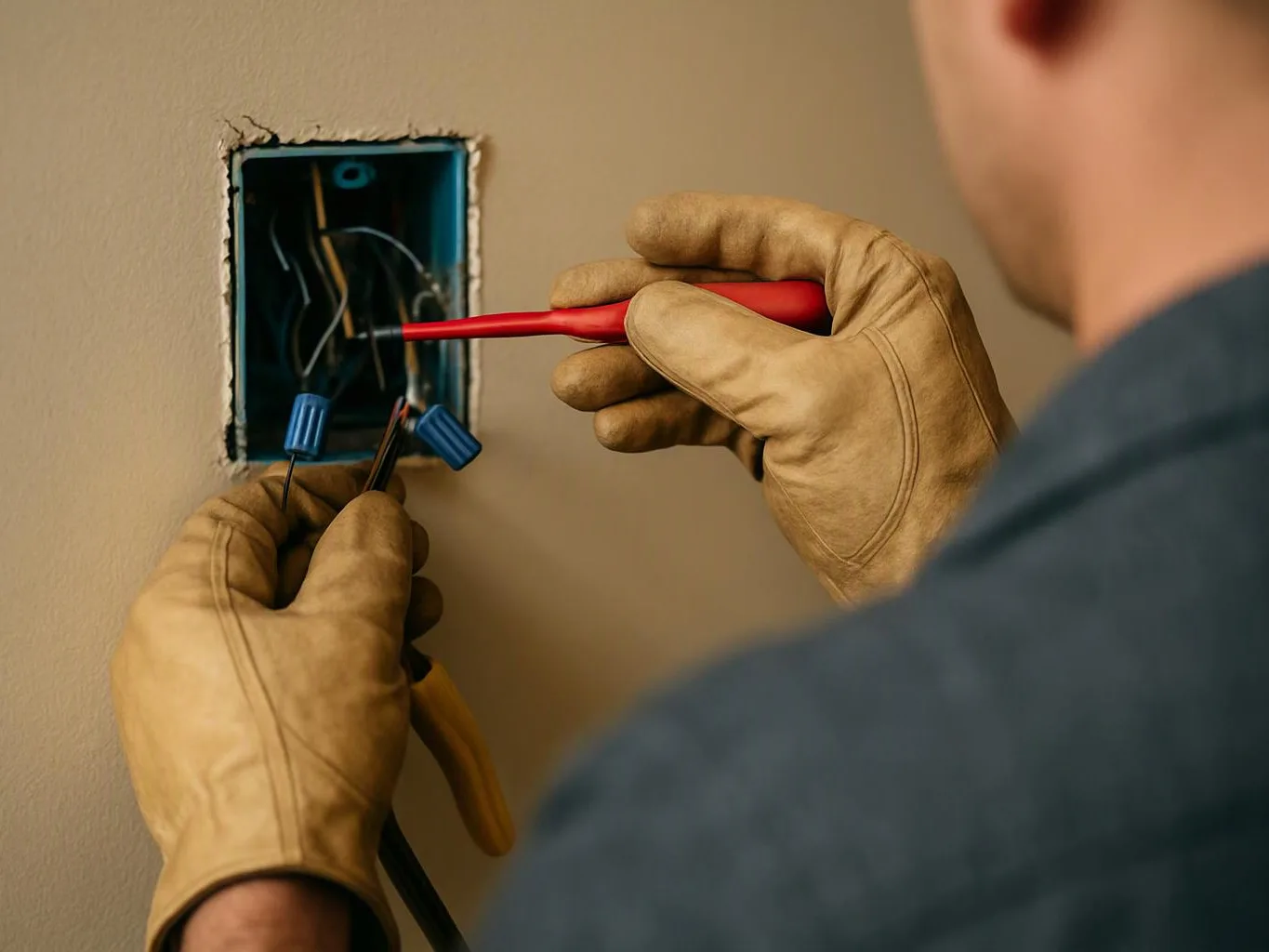
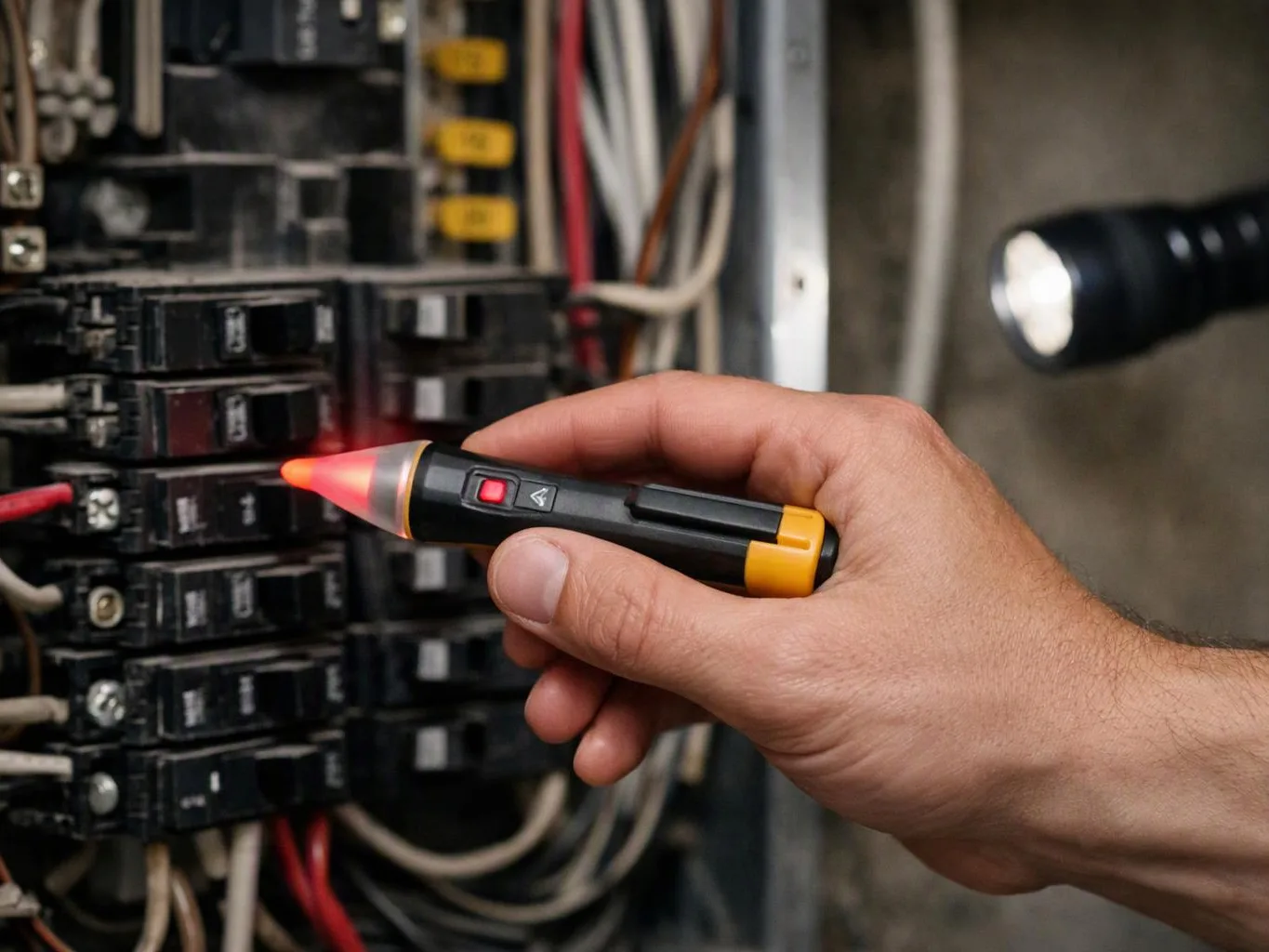
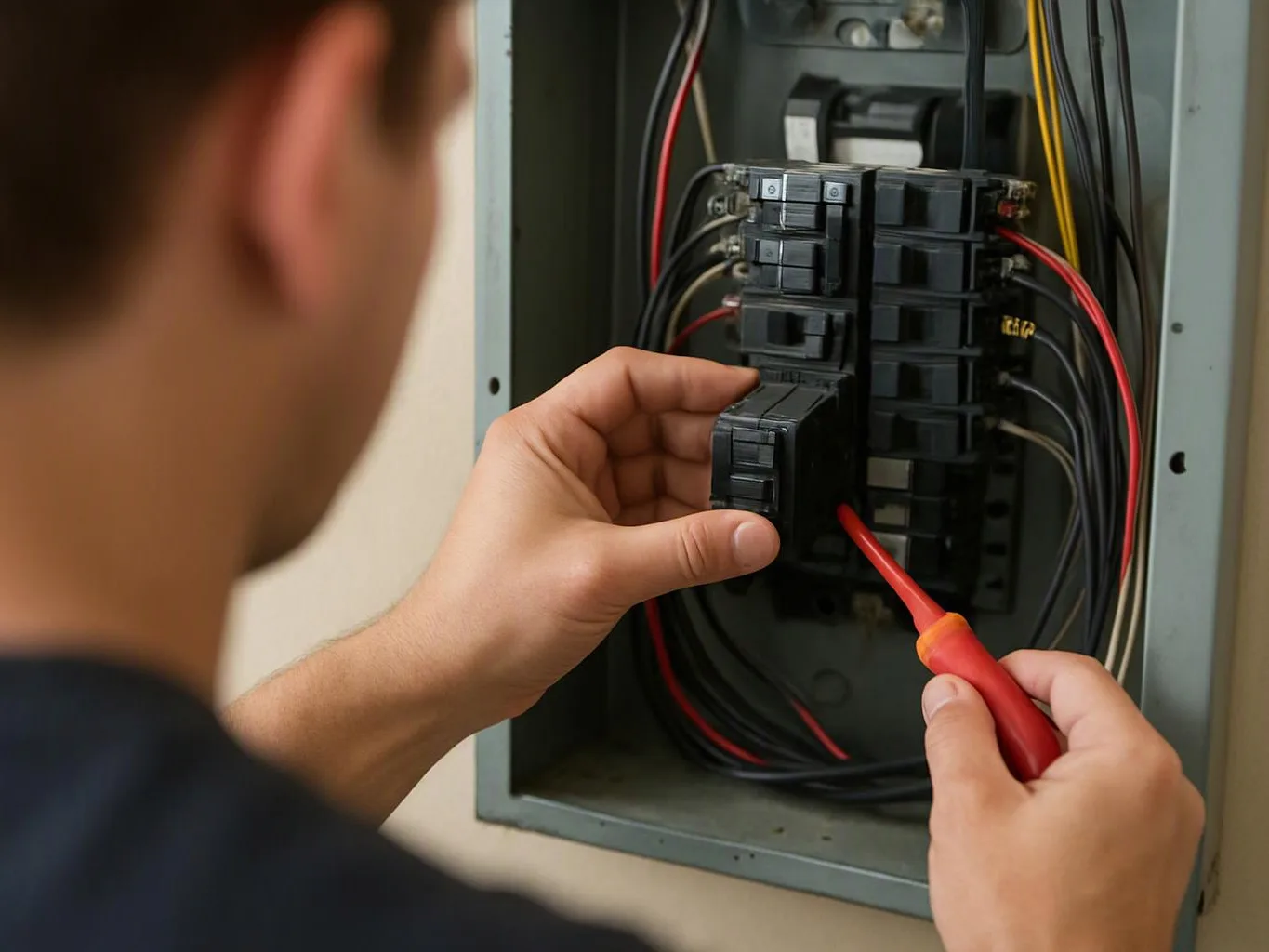
Open junctions commonly require code correction when connections lack proper protection or enclosure. Missing grounds, improper splices, overloaded panels, and exposed conductors can also require focused electrical work. We inspect the affected circuit first, then check connected parts before defining the correction scope.
Which part of the property decides the scope of code correction?
The affected circuit, junction, panel, or conductor usually decides the correction scope. Access, connected devices, wire condition, and grounding also shape the work. We trace the circuit and inspect nearby terminations before separating a focused correction from a larger rewiring or panel project.
Which material changes how long code correction takes?
The wiring material and its condition can change the work involved. Aluminum wiring, damaged insulation, crowded junction boxes, and older splice methods need closer review before correction. We identify the material during inspection, then explain whether the issue needs a local fix or wider circuit work.
How does a code correction visit move from the first call to the last step?
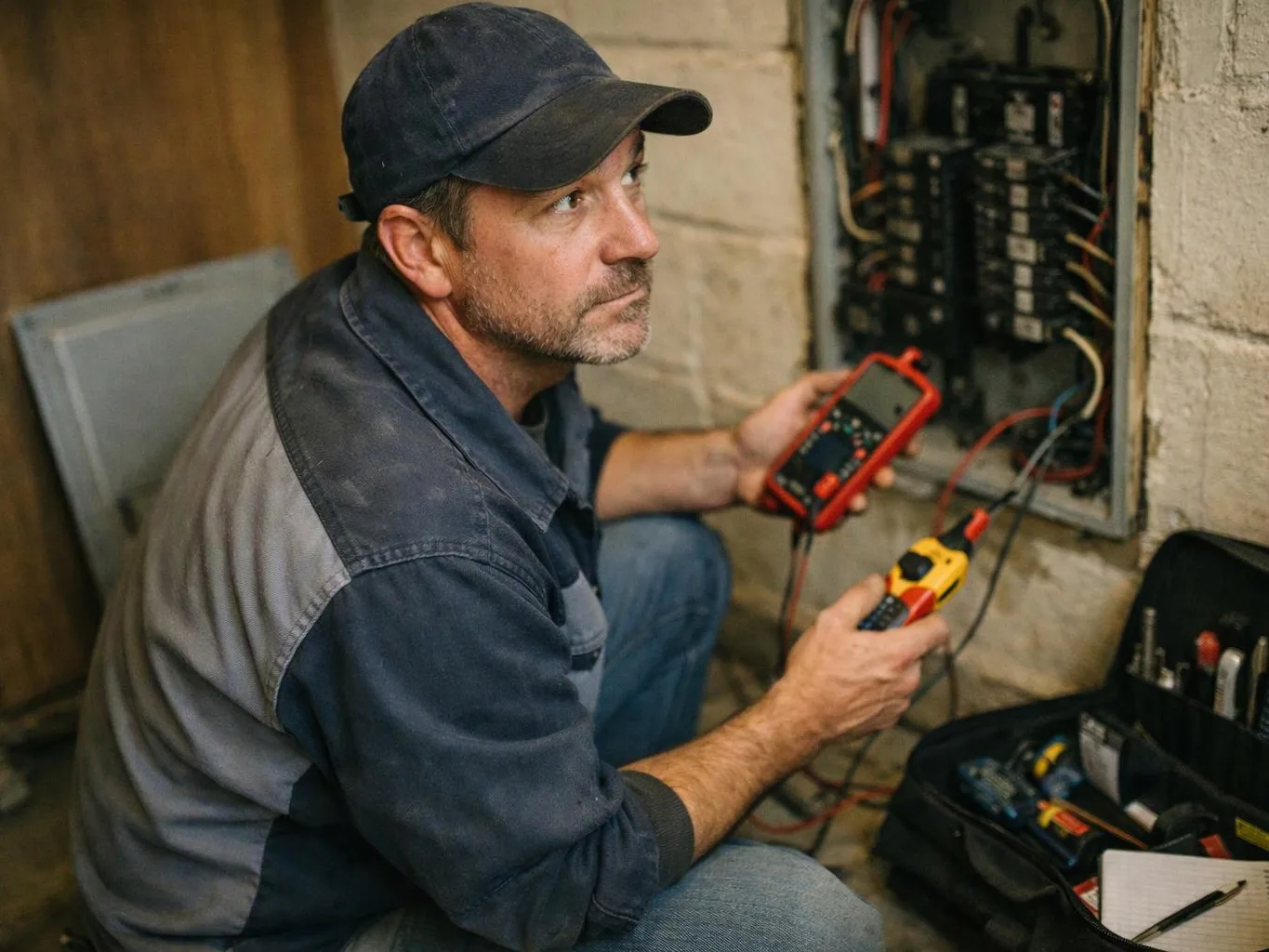
The visit moves from problem review to circuit tracing, condition checks, scope setting, correction, and testing. We start with the reported symptom and affected area. After the work, we test the circuit and explain what was corrected, what remains, and whether another electrical service is needed.
When should a property owner request an electrical assessment?
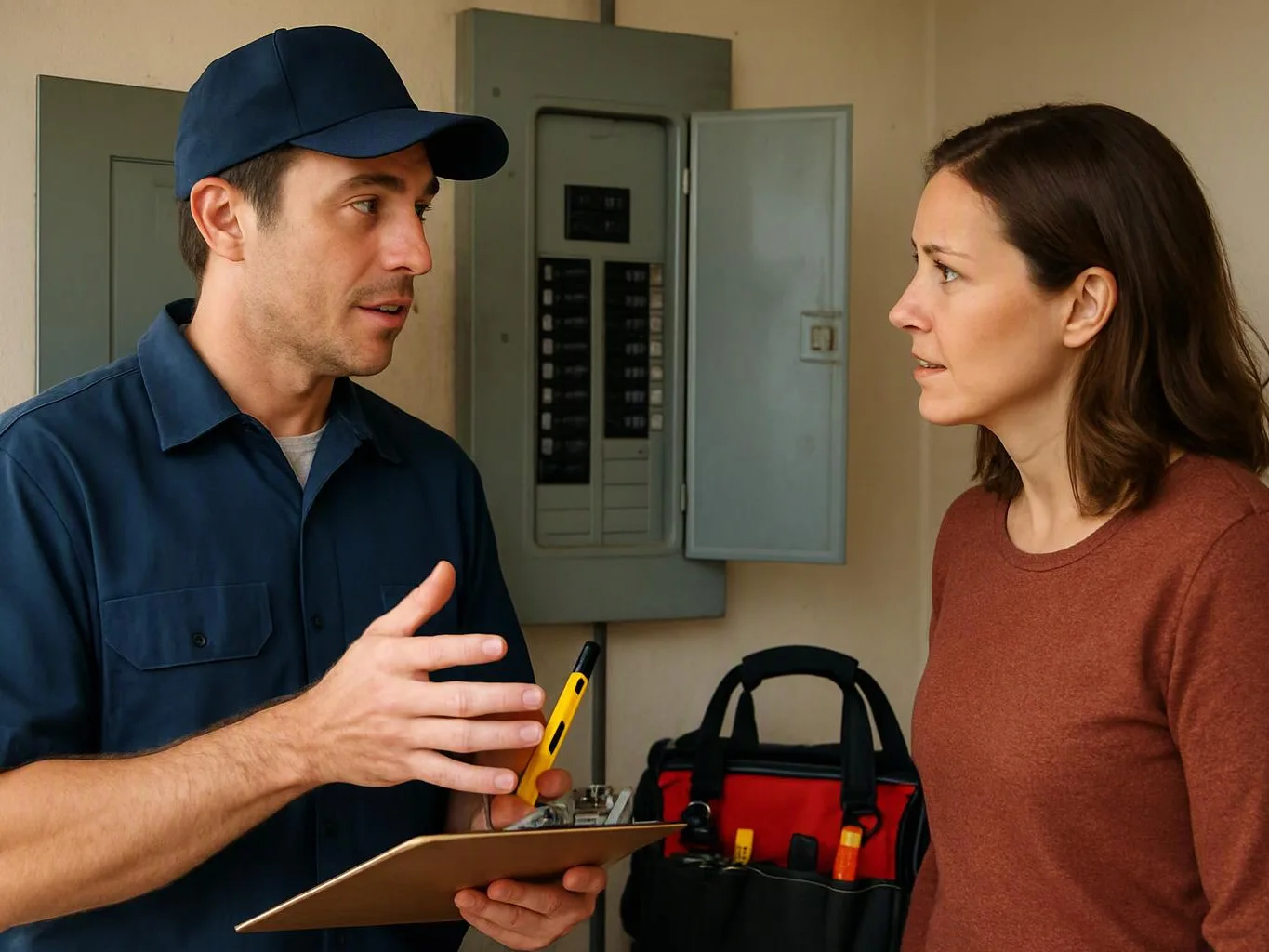
A property owner should request an assessment after finding exposed wiring, an open junction, repeated breaker trips, or an ungrounded connection. These signs can involve more than one part of a circuit. We inspect the condition and explain whether code correction, panel work, or rewiring fits the problem.
Why can a breaker keep tripping after a wiring repair?
A breaker can keep tripping when the repair did not address the full circuit fault or the panel carries too much load. The cause may involve a damaged conductor, improper splice, or connected equipment. We trace the circuit, test the related parts, and define the next correction.
What should I provide before requesting a correction estimate?
Photos, inspection notes, the affected room, and the breaker label help us review a correction request. Do not remove covers or handle exposed conductors. We use the available details to plan the assessment, then confirm the actual scope after inspecting the electrical system.