What electrical problems commonly require code correction?
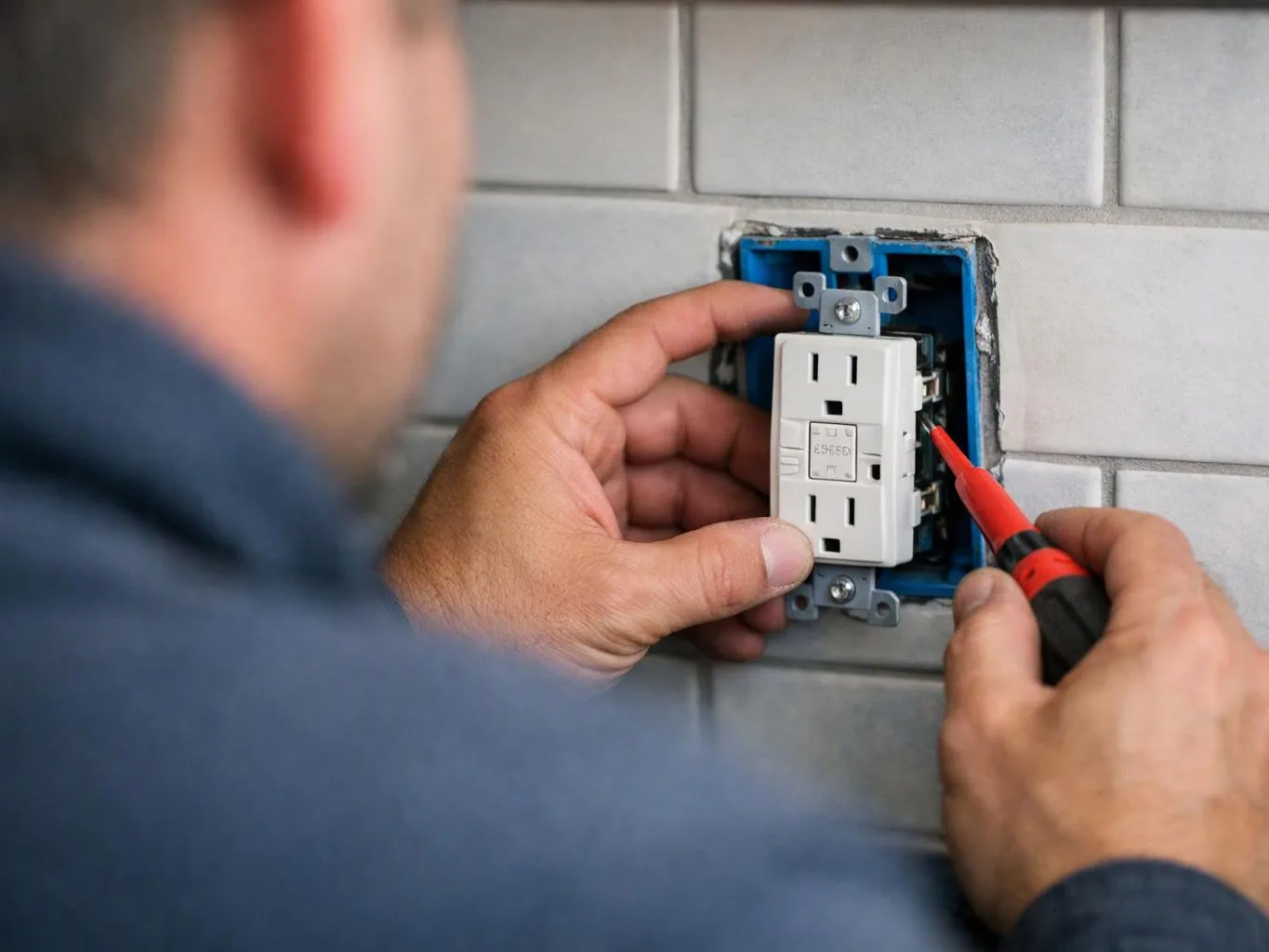
Open junctions commonly require code correction because exposed connections lack proper protection. Toledo Electrician also checks missing grounds, improper splices, overloaded panels, and exposed conductors. We trace the affected circuit and inspect connected parts before defining the repair scope. A visible wiring issue can point to a wider circuit problem, so the first inspection covers nearby electrical components.
How does a code correction visit move from the first call to the last step?
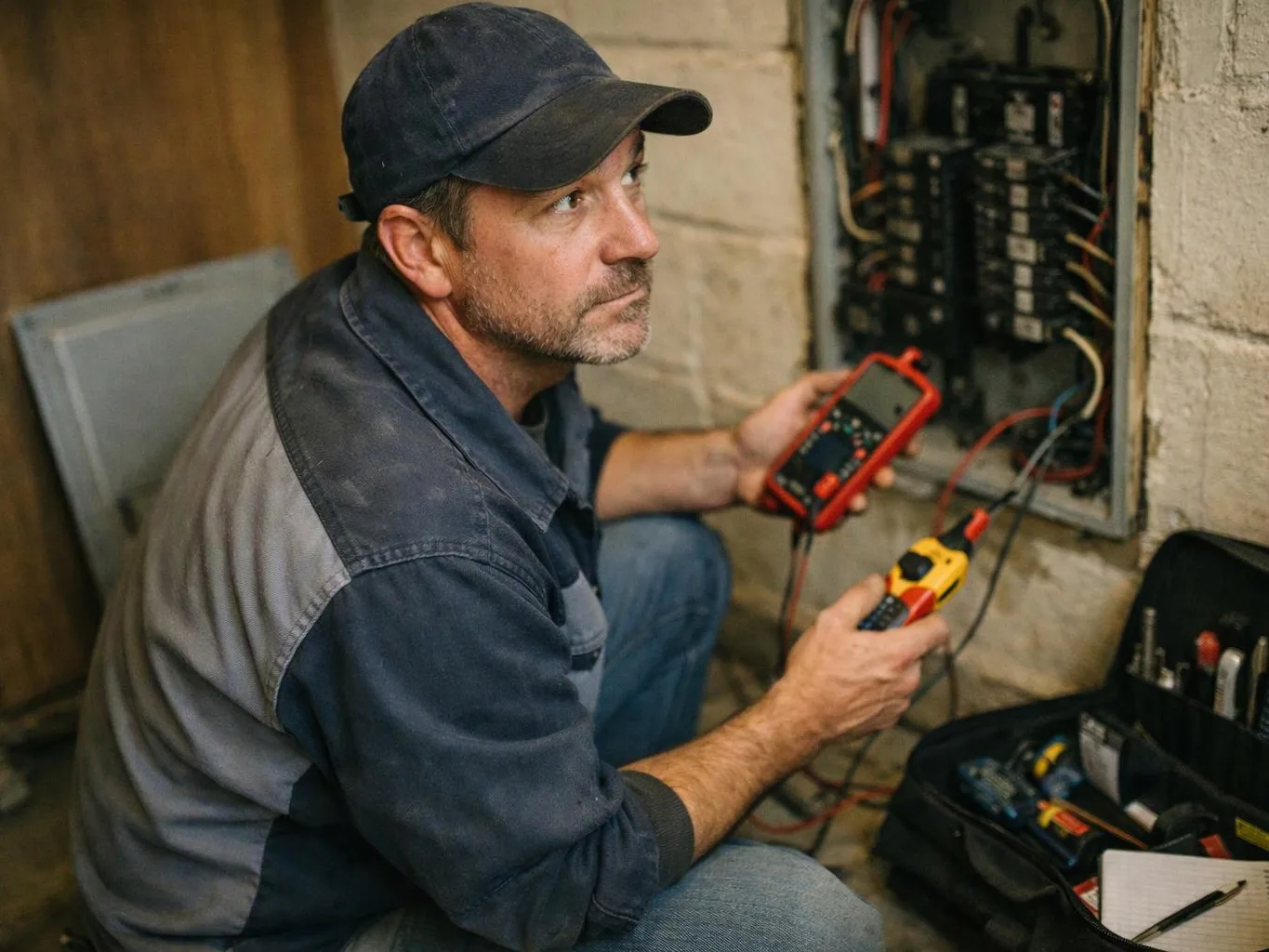
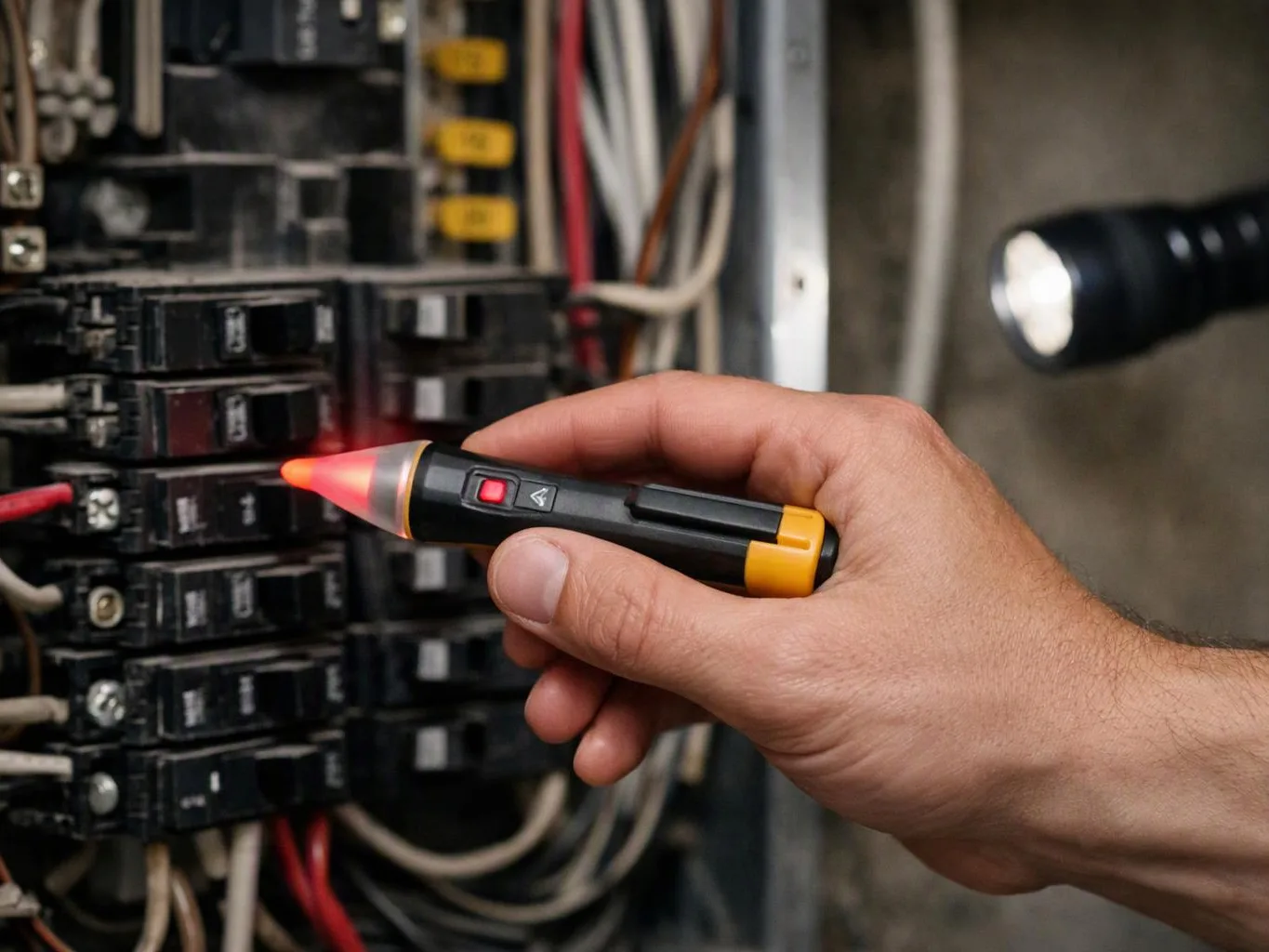
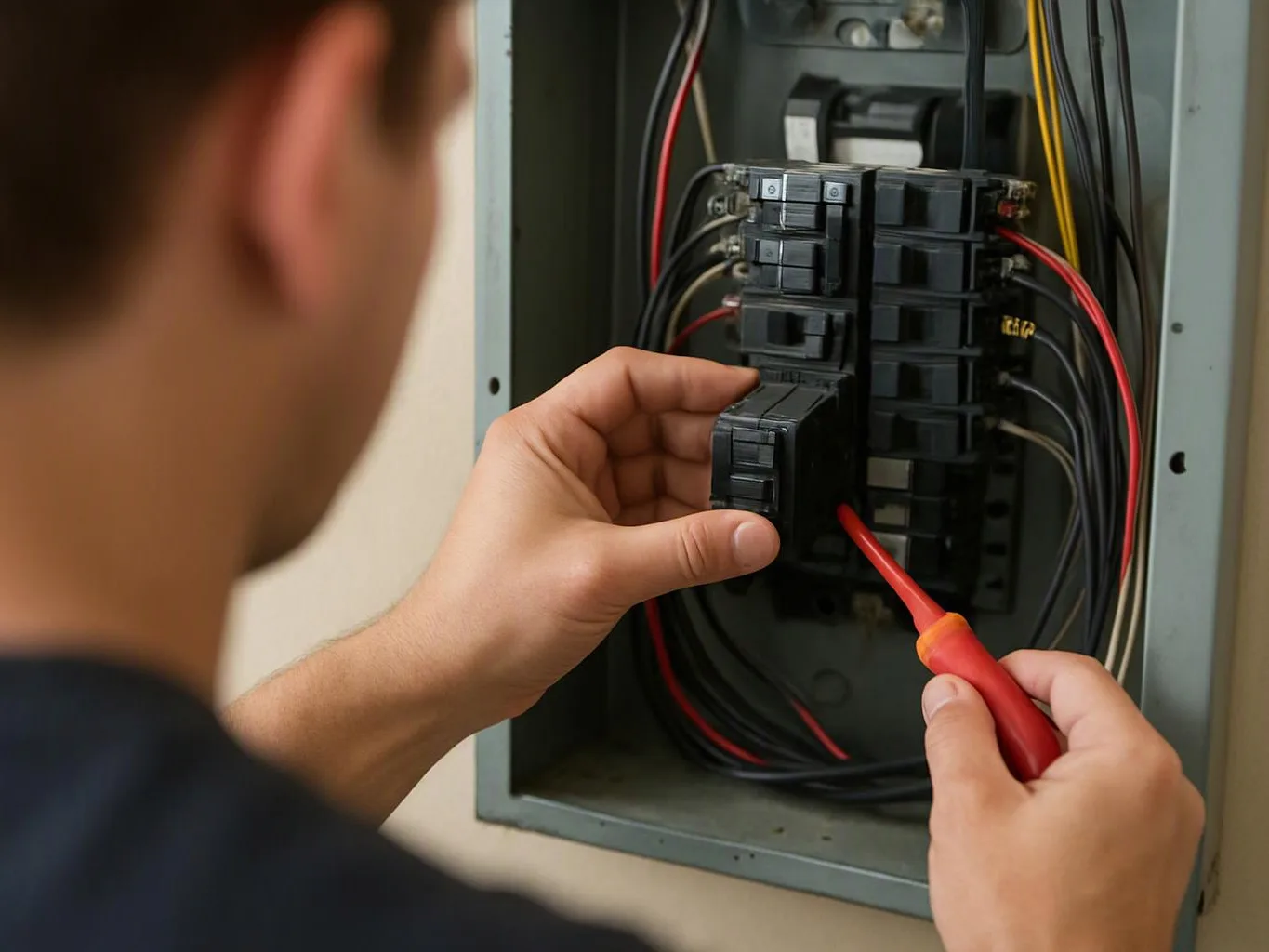
The visit moves from inspection to circuit tracing, scope review, correction, and testing. We first examine the reported condition and isolate the affected circuit. Then we explain the work, repair the agreed items, and test the corrected wiring. The final discussion covers any separate panel, rewiring, or grounding work that falls outside the initial scope.
How can a customer tell whether code correction fits the property?
Code correction fits a property when an inspection or visible condition identifies unsafe or noncompliant wiring. Signs include open boxes, exposed conductors, missing grounds, improper splices, and repeated breaker trips. We assess the actual circuit and explain whether focused correction is enough. A full rewiring project may fit better when problems affect many circuits.
Which part of the property decides the scope of code correction?
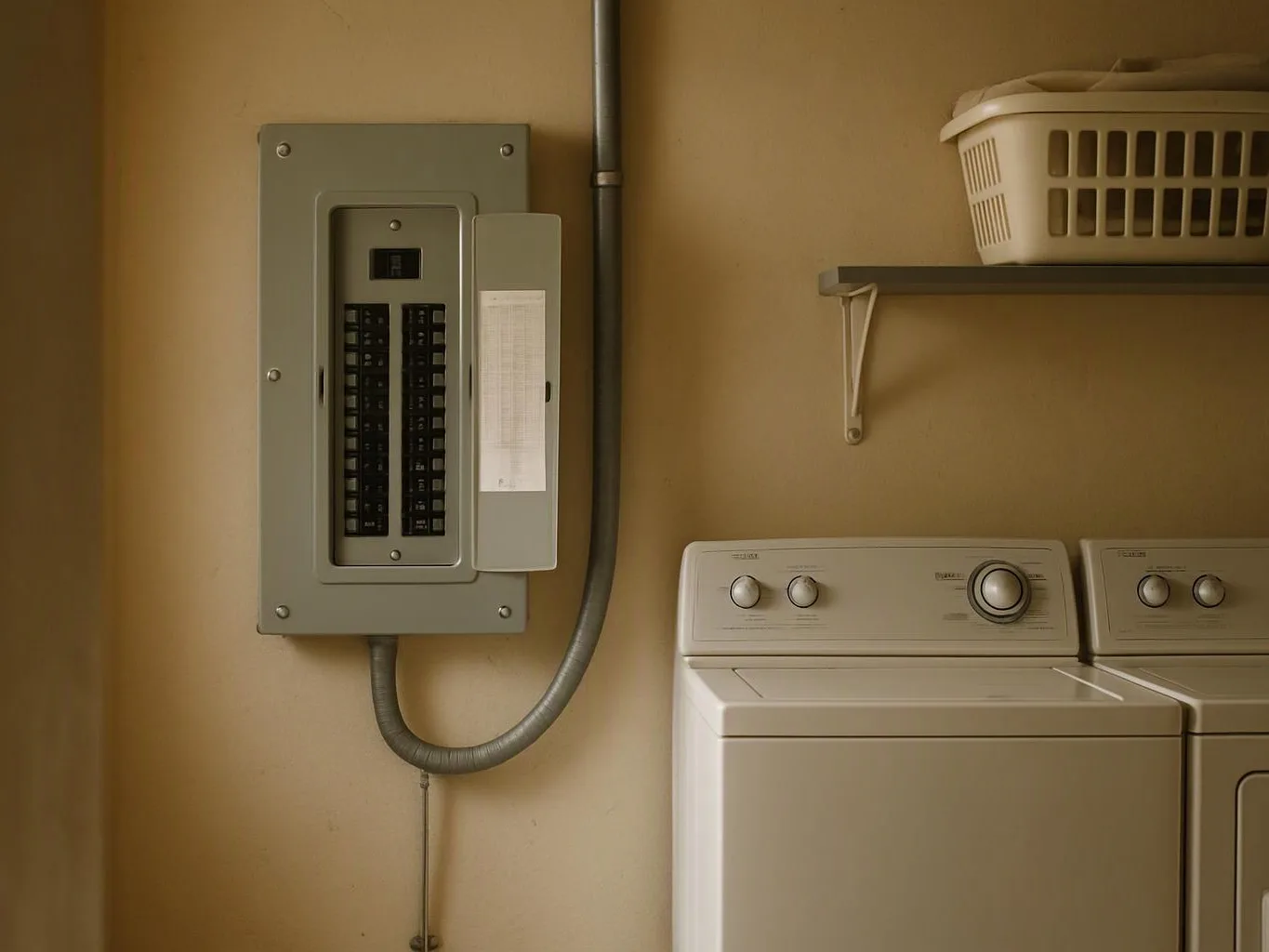
The affected circuit and its connected parts decide the scope of code correction. We check the panel, breaker, junction boxes, outlets, switches, grounding path, and connected loads. Access also matters because concealed wiring may require different work than an exposed junction. The inspection shows whether the issue is local or tied to a larger electrical system concern.
Why does a breaker keep tripping after an electrical repair?
A breaker may keep tripping when the circuit remains overloaded, damaged, or connected to a fault. We inspect the breaker, trace the circuit, and test the connected outlets and equipment. A replacement breaker alone may not solve the cause. We explain whether the next step is circuit correction, load changes, or a panel upgrade.
What should I do before electrical correction work begins?
Keep people away from exposed wiring and do not open electrical boxes yourself. Turn off a breaker only when you can do so safely and the affected circuit is clear. Burning smells, buzzing panels, or sparking outlets need urgent attention. We can inspect the condition, identify the affected circuit, and explain the safe repair scope.
Which electrical work may need a separate estimate?
Panel upgrades, whole-home rewiring, service entrance work, and hidden wiring repairs may need a separate estimate. These projects can extend beyond one code correction issue. We identify that boundary during circuit tracing and scope review. The quote discussion covers the work needed for the larger project, without treating it as part of a focused repair.