When should a home receive an electrical safety inspection after renovation?
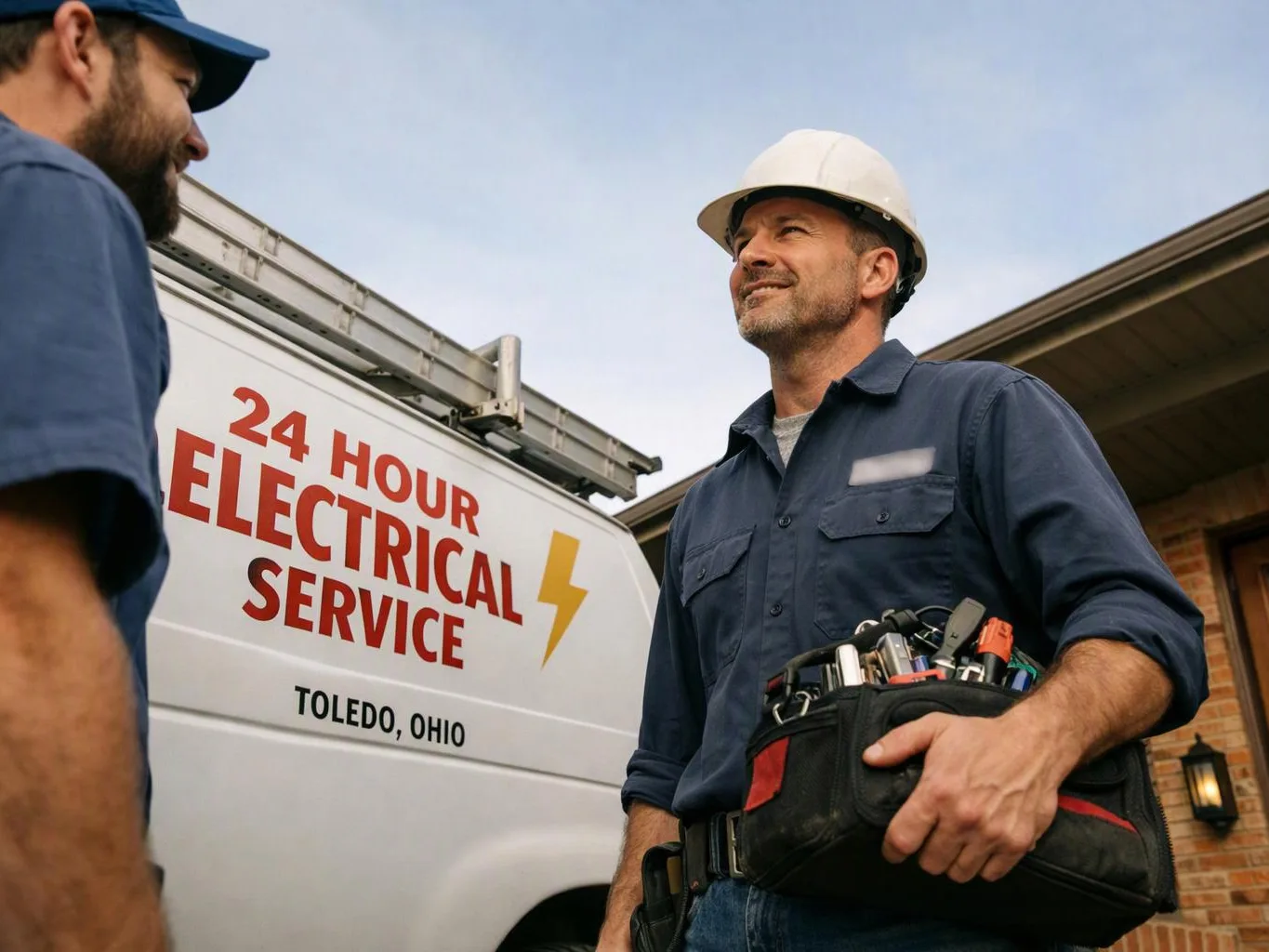
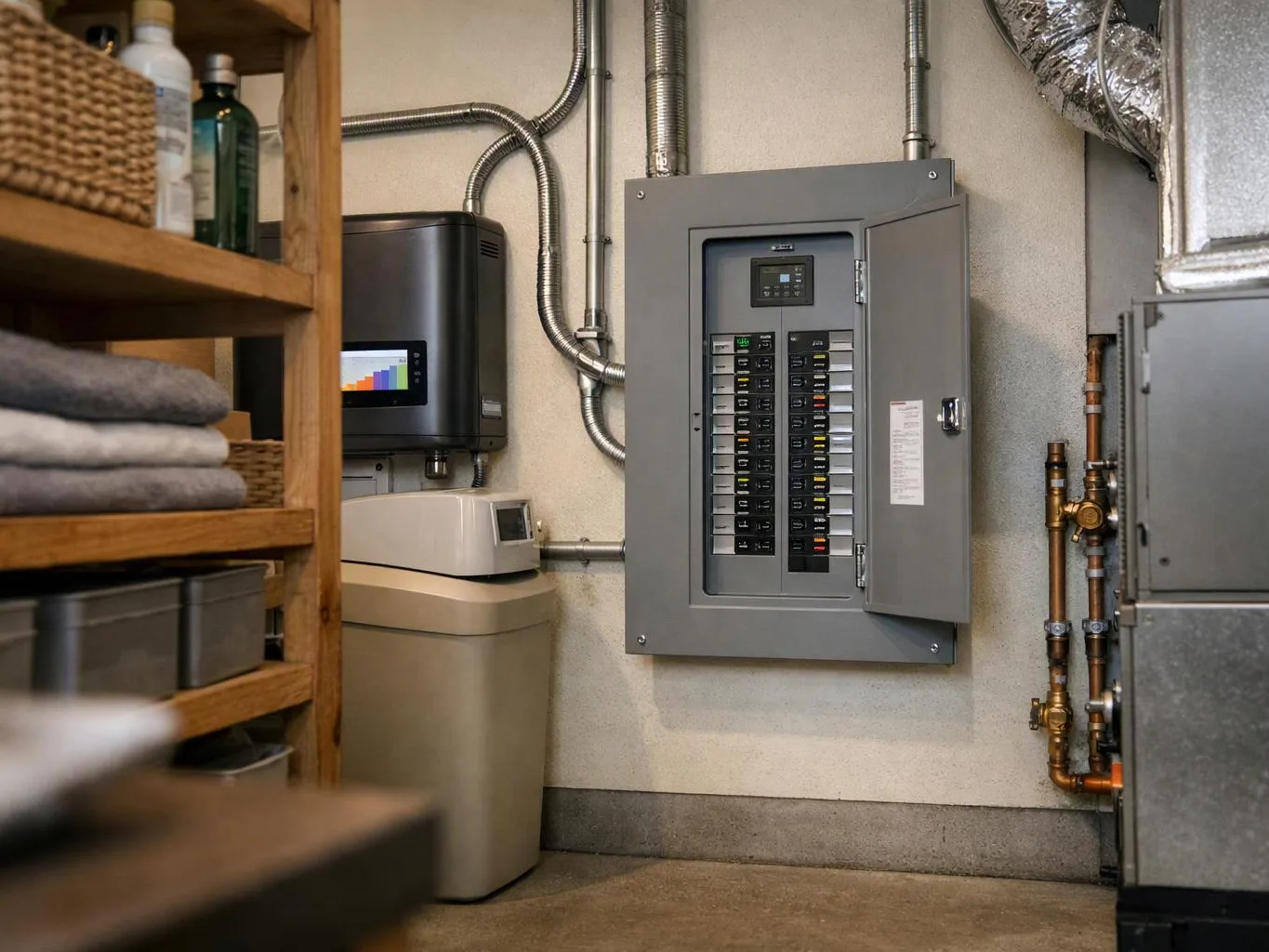
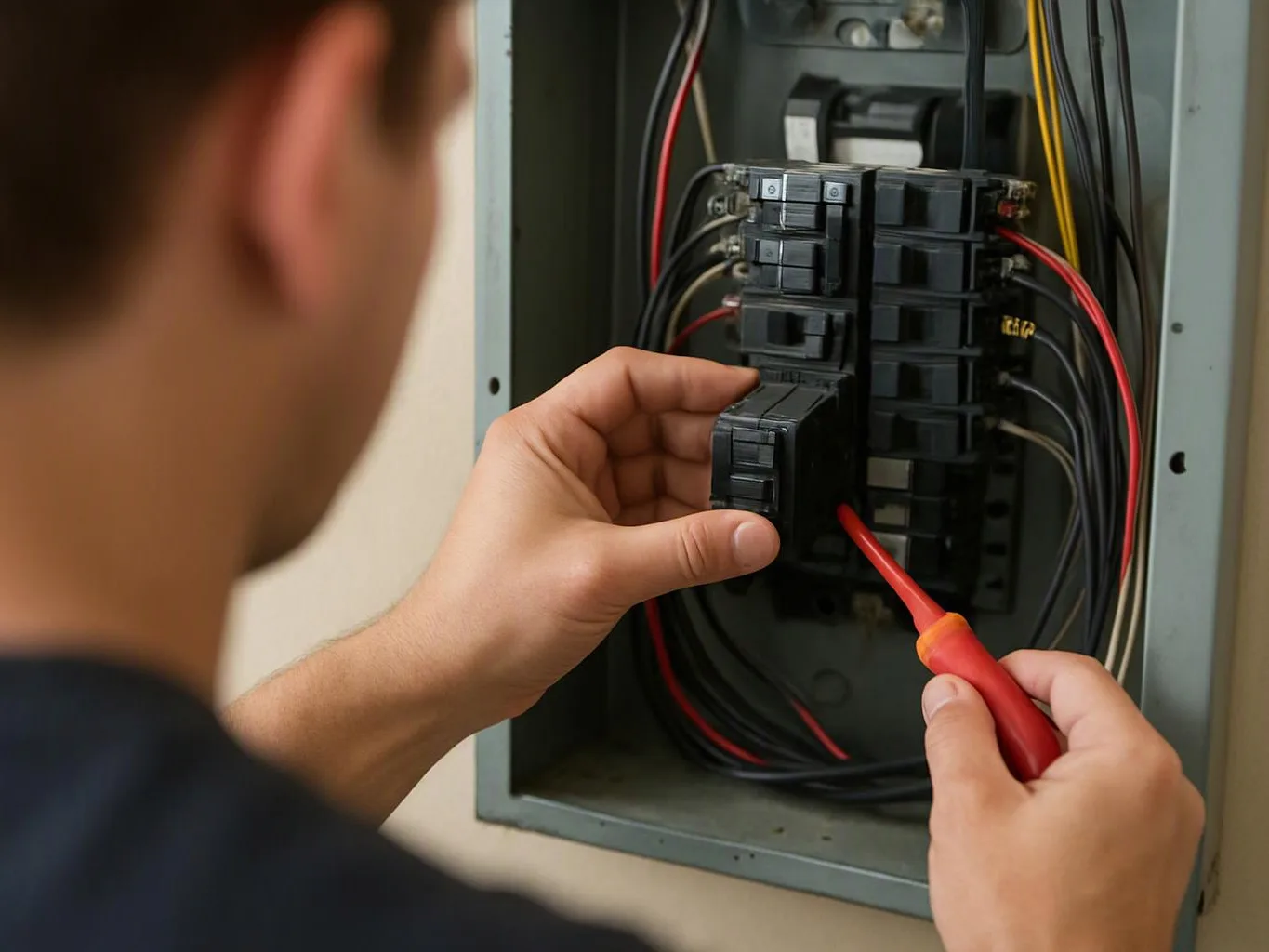
After renovation, a home should receive an electrical safety inspection before regular use of changed rooms. Toledo Electrician checks new outlets, lighting, wiring, breakers, grounding, and panel connections. The review is especially useful when circuits were extended, panel work was performed, labels changed, or unexplained trips began after construction.
Which part of the property decides the inspection scope?
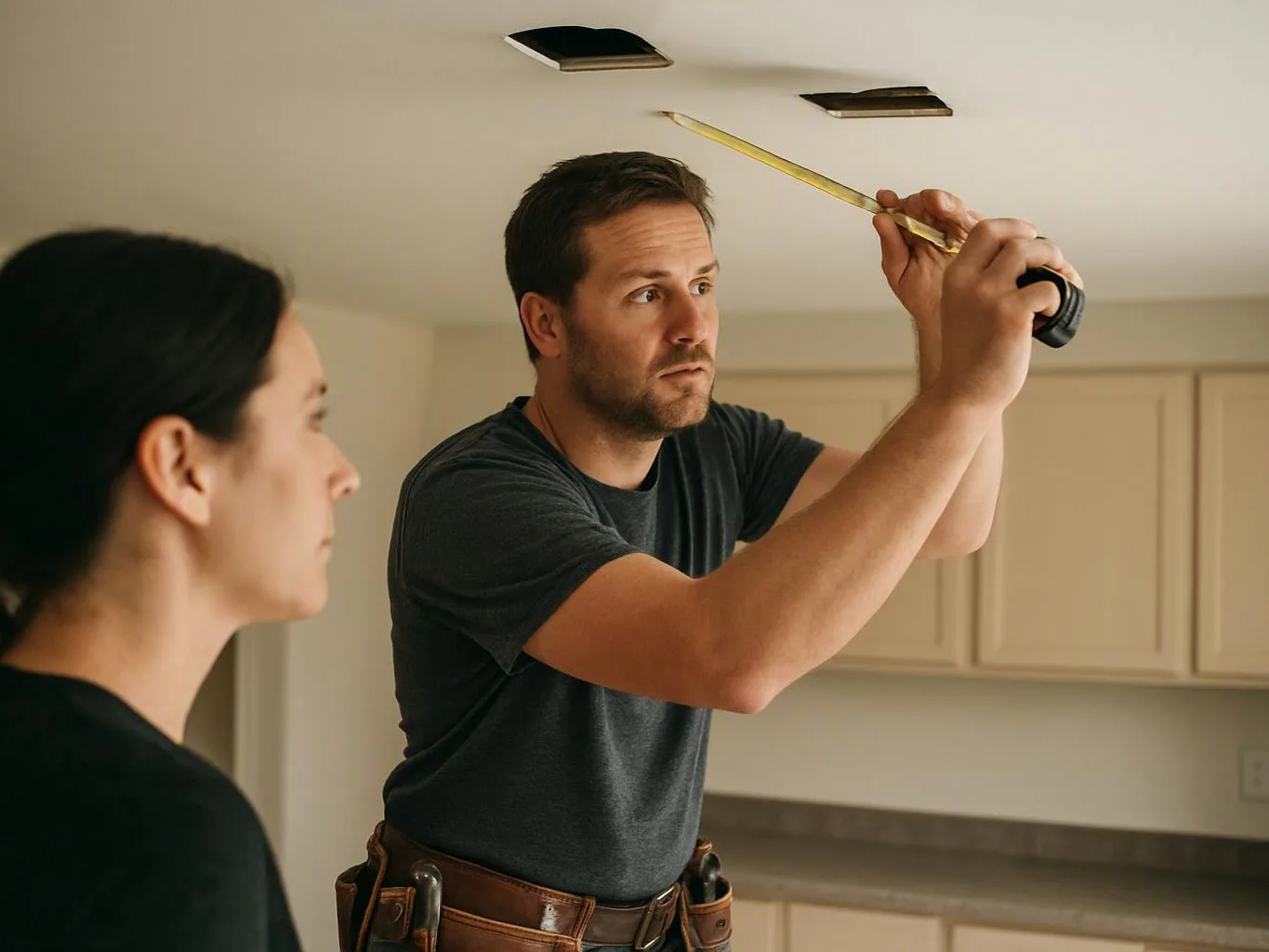
The renovated electrical area decides the inspection scope, along with its panel, circuits, outlets, fixtures, and accessible junction points. A kitchen, basement, addition, or commercial room may need different checks because each uses different devices and loads. We explain the scope after reviewing what changed and what symptoms appeared.
What material changes how long the inspection takes?
Older wiring materials can change the inspection effort because they affect circuit tracing, access, and repair decisions. Aluminum wiring, knob-and-tube wiring, and two-prong ungrounded outlets need careful review. We identify the material first, then explain whether the property needs inspection only, remediation, or a larger wiring project.
How does an inspection visit move from the first call to the last step?
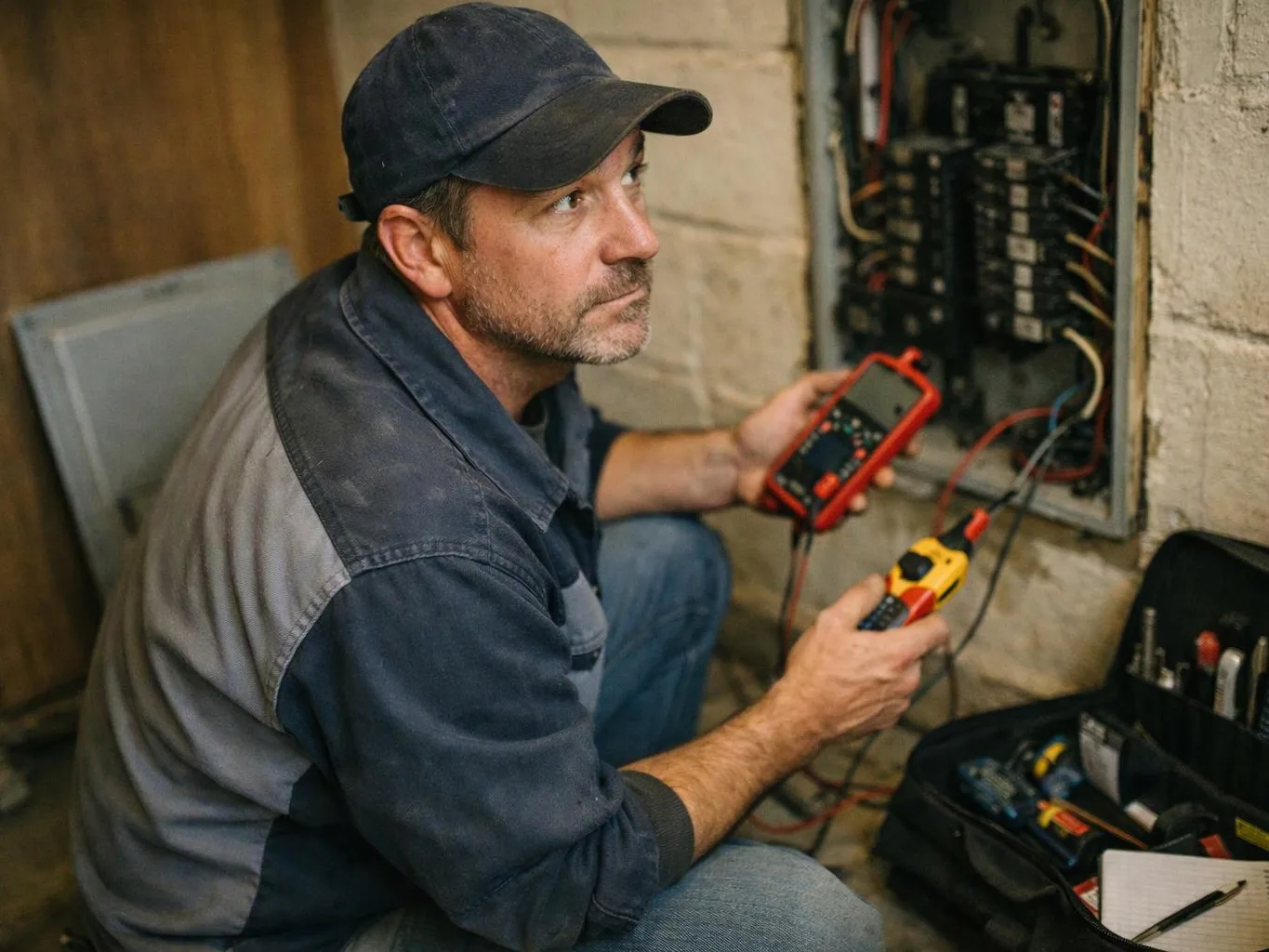
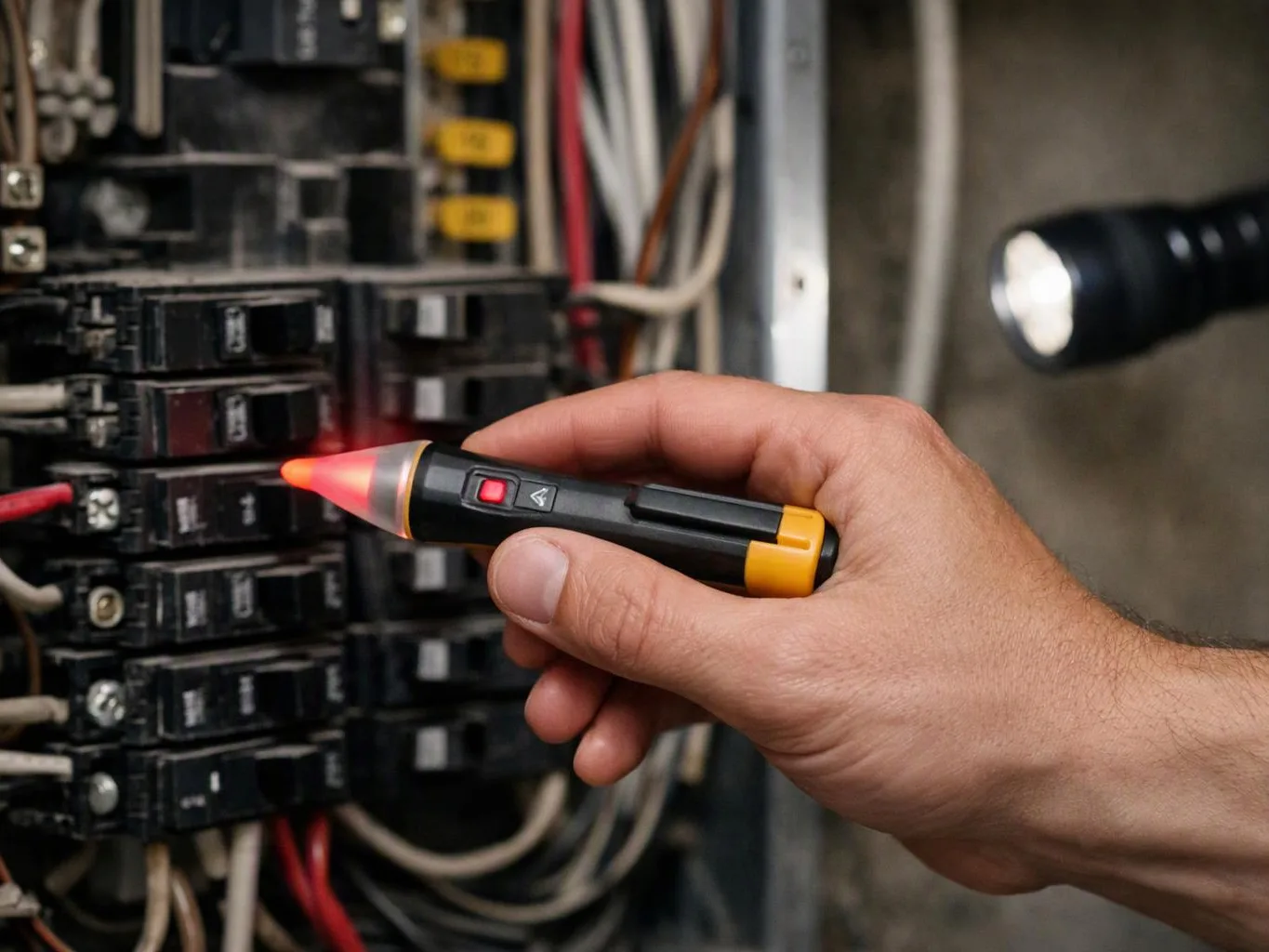
The visit moves from renovation review to access checks, circuit tracing, testing, findings, and repair recommendations. We start with the changed rooms and reported symptoms. Next, we inspect the panel and devices, verify accessible circuits, document concerns, and explain the next work decision in plain language.
Why do new outlets trip the breaker after renovation?
New outlets can trip a breaker when a circuit carries too much load, has a loose connection, or contains a wiring fault. We check the outlet, breaker, connected devices, circuit path, and panel connection. Stop using the affected outlet if it sparks, smells hot, or feels warm until the issue is inspected.
Which warning signs call for urgent electrical service?
A burning smell, buzzing panel, sparking outlet, or repeated breaker trips calls for urgent electrical service. Turn off the affected circuit if it is safe to reach the breaker, and keep away from damaged parts. We inspect the source, isolate the hazard when needed, and explain the repair required.
What information should I share before scheduling the inspection?
Renovation details, affected rooms, breaker labels, visible symptoms, and panel access help define the inspection. Photos of outlets, switches, the panel, or damaged wiring can add useful context. Do not remove covers or touch exposed wiring to gather information. We can review the details and discuss the inspection scope.