When should a home receive an electrical safety inspection after renovation?
After renovation, a home should receive an electrical safety inspection before regular use of altered rooms and circuits. New outlets, lighting, panels, or wiring can affect existing electrical paths. The check helps identify unsafe connections, grounding concerns, breaker issues, and work that needs correction before the space carries normal loads.
What does the crew look at first during an electrical safety inspection?
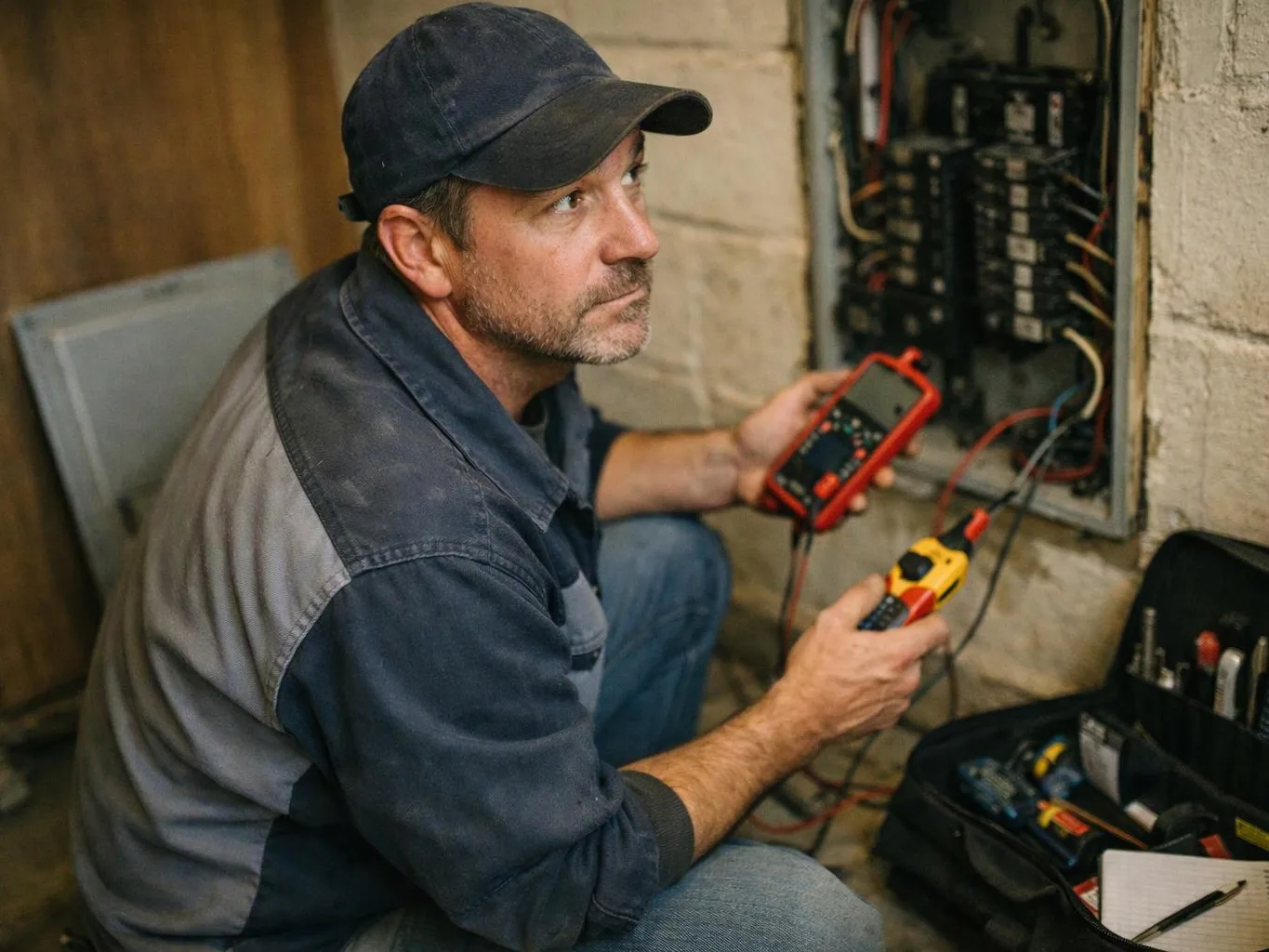
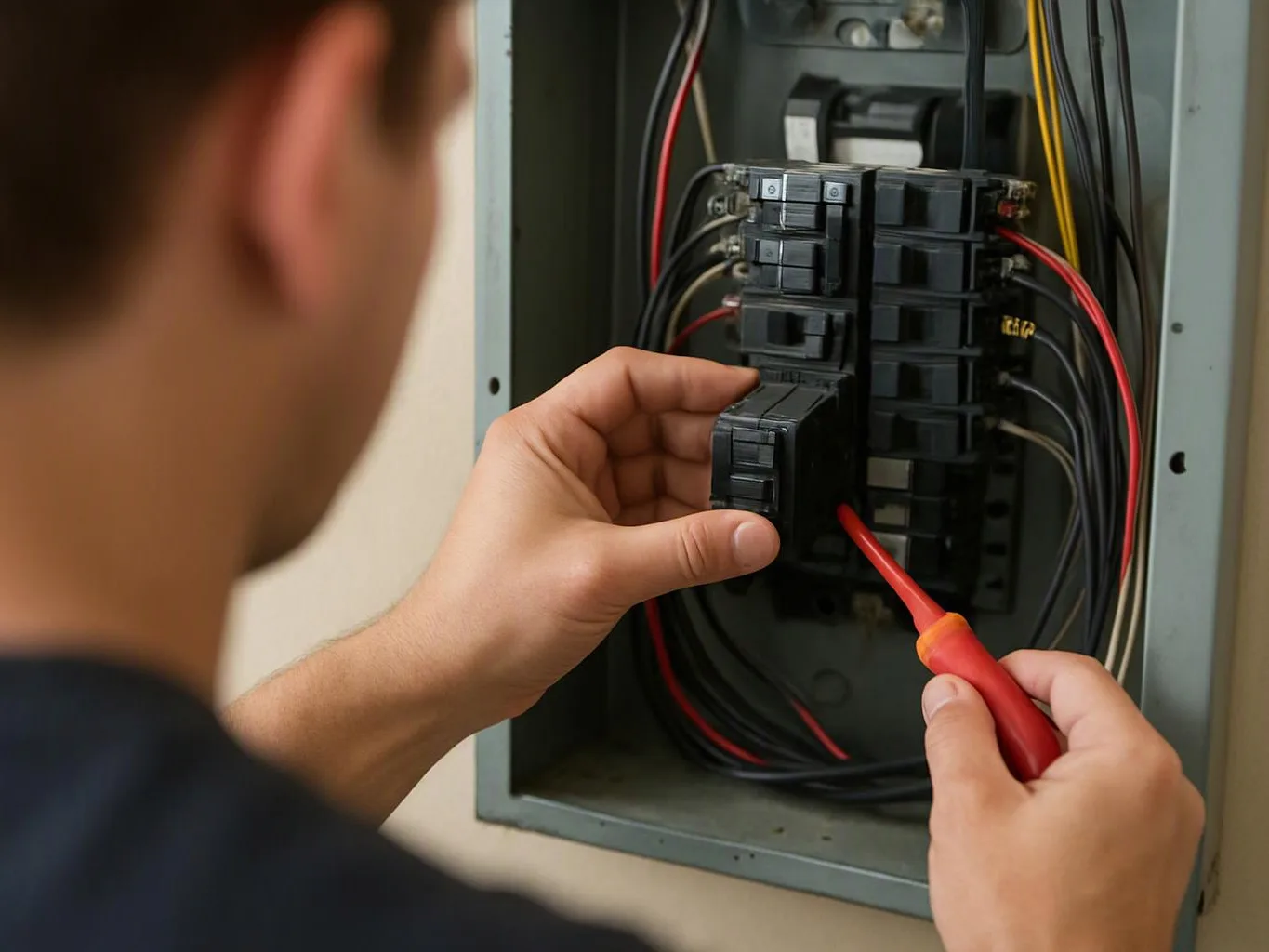
The main panel and the renovated area receive the first review. We look for damaged wiring, loose connections, overheated parts, incorrect breakers, outlet problems, and grounding concerns. Reported symptoms then guide circuit tracing and testing, so the inspection follows the actual electrical path.
What should be checked before an electrical safety inspection is scheduled?
Access to the main panel and renovated rooms should be checked before scheduling. Gather renovation details, note tripped breakers or dead outlets, and identify fixtures or circuits that changed. Photos and inspection records can help us understand the scope, but they do not replace an on-site electrical assessment.
Who is a good fit for an electrical safety inspection, and who needs a different service?
Homeowners, landlords, buyers, sellers, and businesses with changed or uncertain electrical systems are good fits. A known failed breaker, damaged panel, or active wiring fault may need a repair service first. Toledo Electrician can assess the condition and explain which service matches the finding.
Why does a breaker keep tripping after remodeling work?
A breaker can keep tripping after remodeling because of overload, a wiring fault, a damaged fixture, or an incorrect connection. We trace the affected circuit and test related outlets, switches, and equipment. Stop resetting the breaker when it trips repeatedly, especially if you notice heat, buzzing, sparks, or a burning smell.
Which renovation changes need a closer electrical inspection?
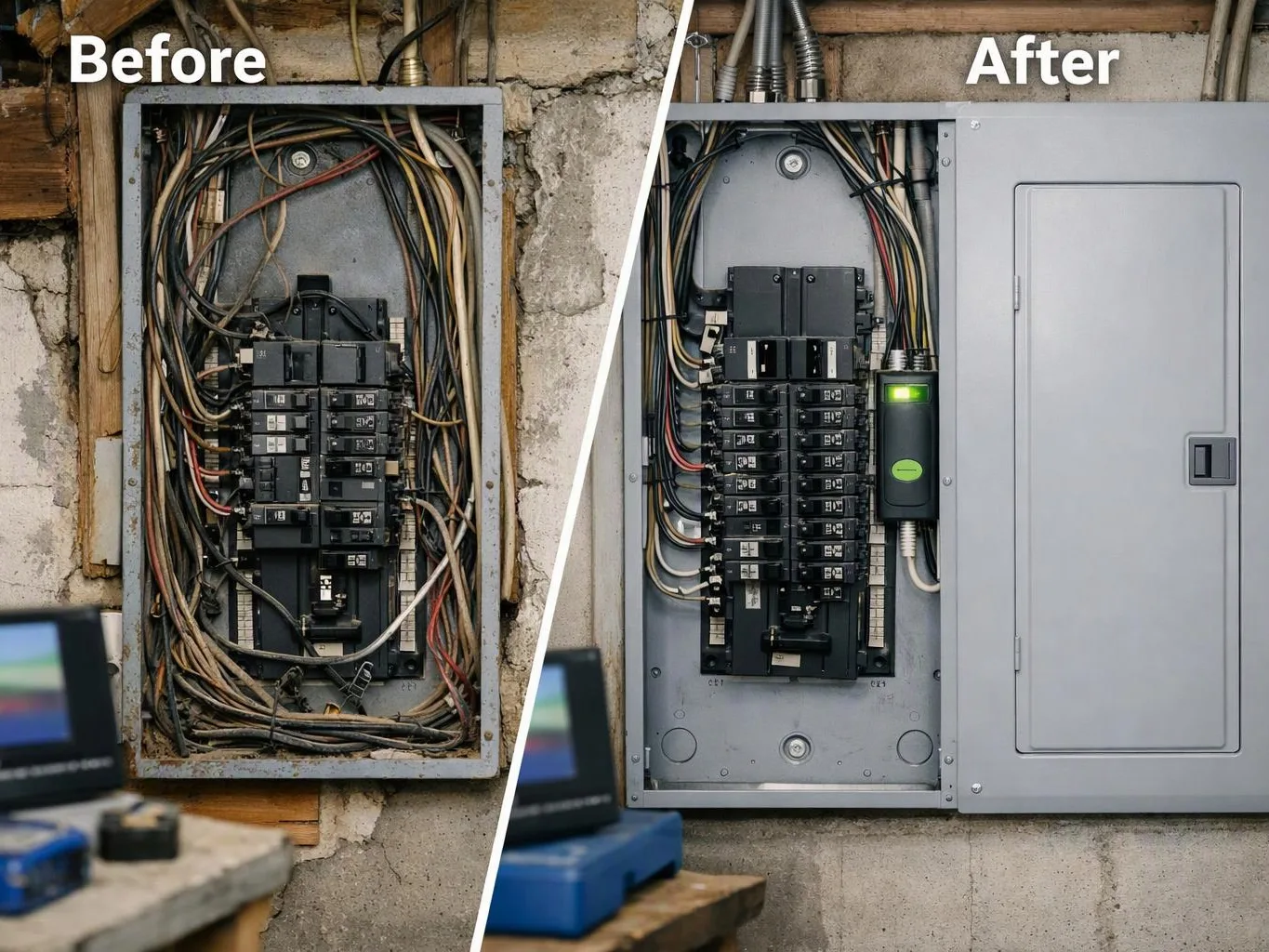
Panel changes, new circuits, added outlets, altered lighting, and moved wiring need close inspection. The review checks how the new work connects to existing circuits and grounding. A larger project may call for a panel upgrade, subpanel installation, or whole-home rewiring after the condition check.
How does an inspection differ from a panel upgrade?
An inspection evaluates electrical condition, while a panel upgrade replaces or improves the service equipment. The inspection can show whether the panel, breakers, and connected circuits need that larger project. We define the upgrade scope from the findings instead of treating every inspection as a panel replacement.