How can an electrician restore power safely during an emergency?
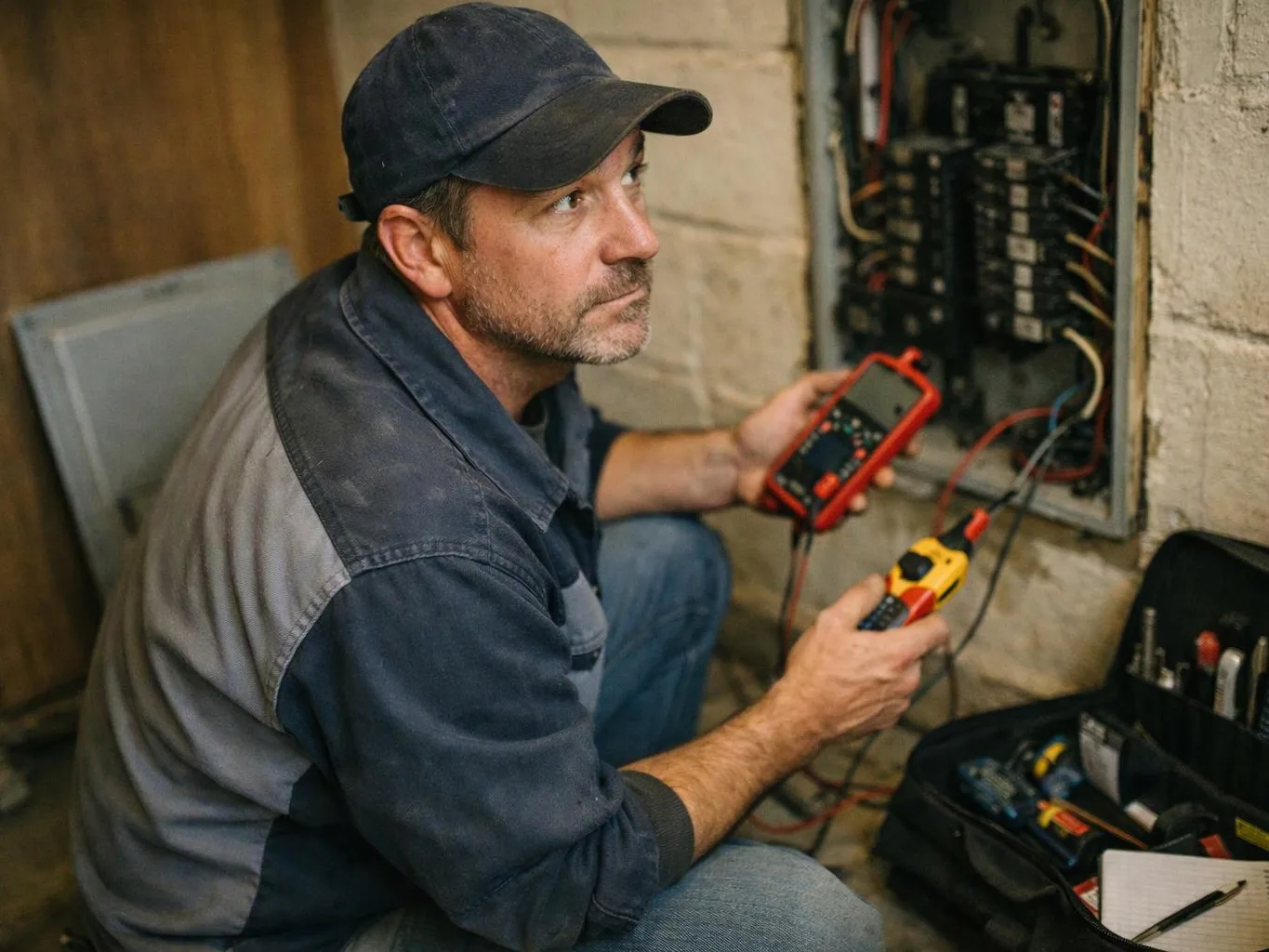
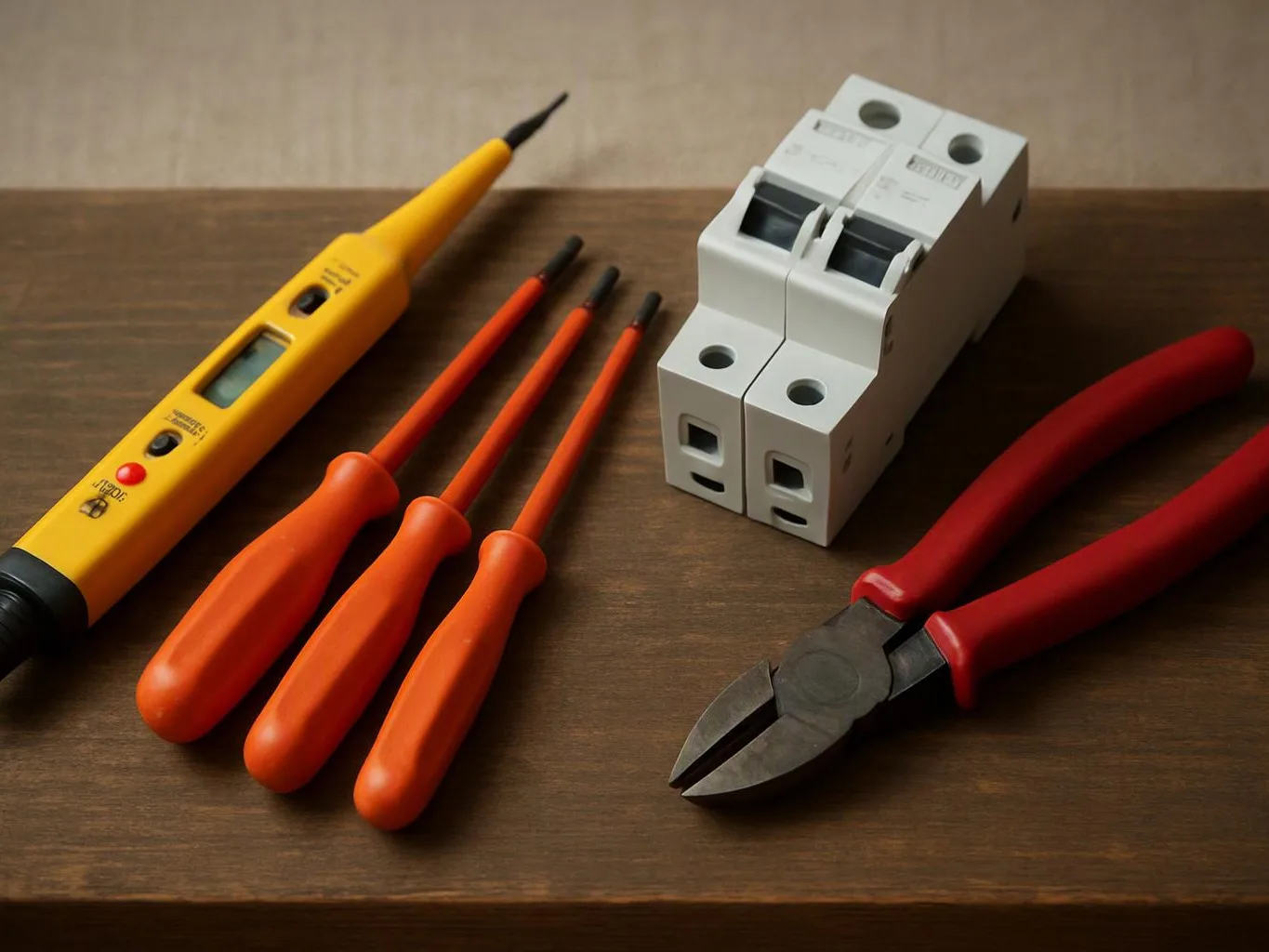
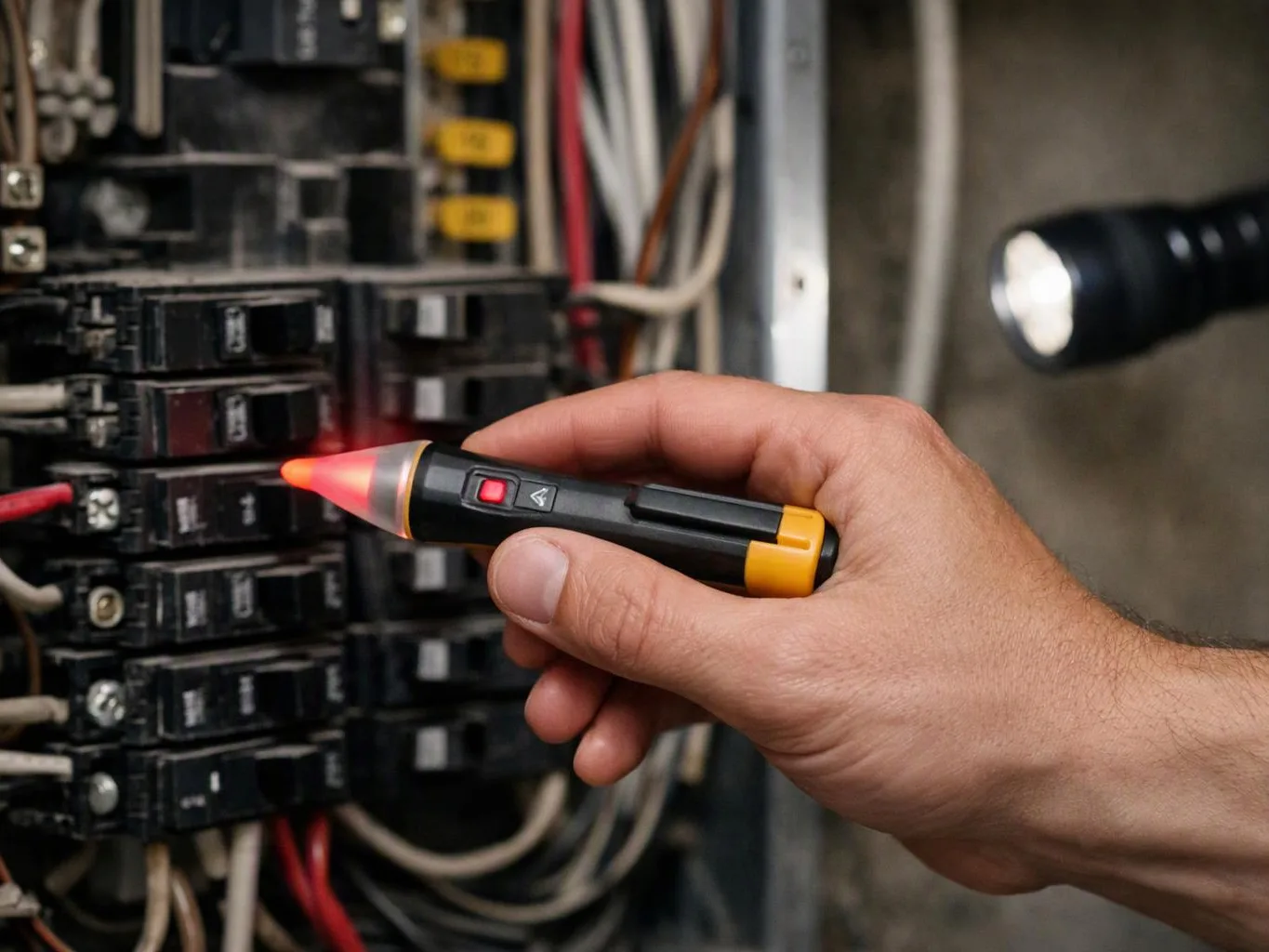
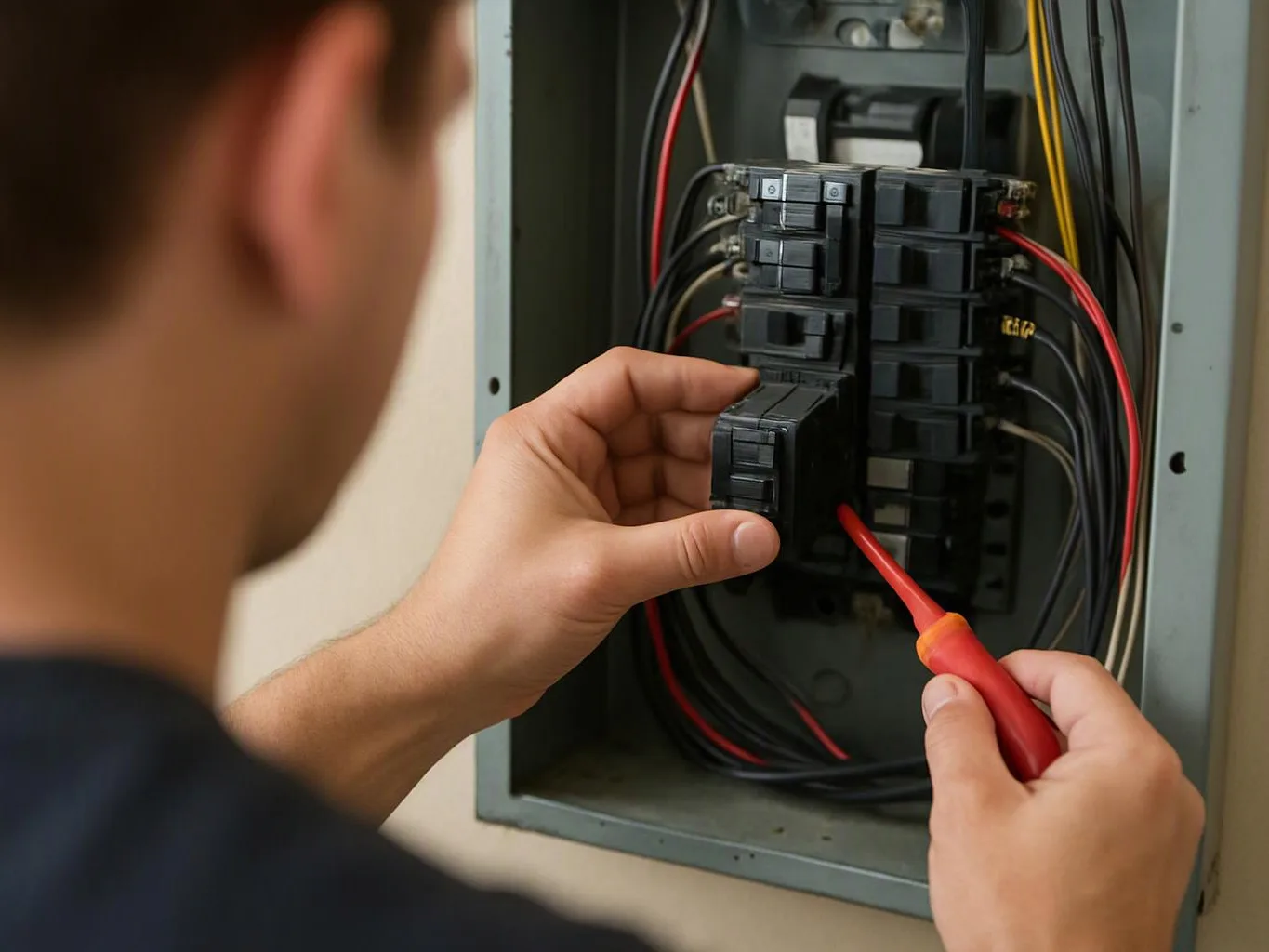
Toledo Electrician restores power safely by isolating the affected circuit, testing voltage, and repairing the fault before re-energizing it. The inspection checks the panel, breaker, wiring, outlet, and connected load. A temporary repair may fit when the damaged section needs follow-up work. We explain the repair status and any remaining safety concern before power returns.
Which part of the property decides the repair scope?
The affected panel, circuit, outlet, wiring, or connected equipment decides the repair scope. A panel fault may call for breaker work, while a damaged outlet may need a local repair. A wider wiring or load issue can require planned follow-up work. Access to the panel and affected area helps us test the system safely.
What should happen when a breaker keeps tripping?
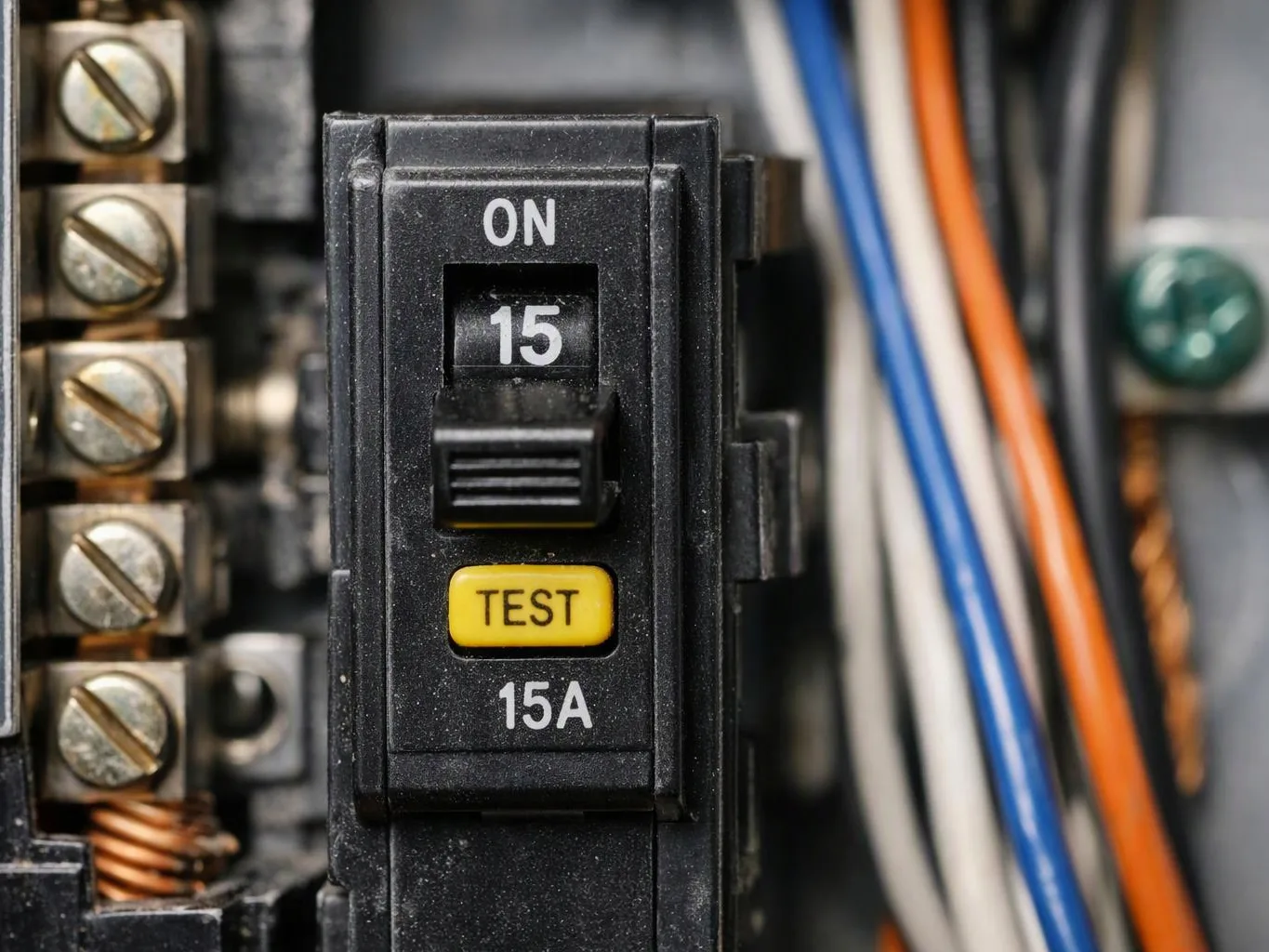
A repeatedly tripping breaker should stay off until the circuit is checked. The fault may involve a short, damaged wiring, an overloaded circuit, or a failing breaker. Our team tests the circuit and connected equipment before resetting power. Stop using the circuit if you notice heat, a burning smell, buzzing, or sparks.
Which material changes how long emergency repair takes?
Damaged wiring material can change the repair work when access, connections, or replacement methods differ. Aluminum wiring, older insulation, and two-prong ungrounded outlets need careful review before a repair is set. Our team checks the accessible wiring and explains whether the emergency fix stands alone or needs a scheduled upgrade.
When does an emergency repair need a panel upgrade?
A panel upgrade becomes a consideration when the panel cannot safely support the property’s load or the fault involves its service equipment. The load assessment checks demand, breaker condition, available capacity, and wiring connections. A single failed breaker may need a smaller repair, while repeated faults can point to broader panel work.
Why should I avoid resetting a sparking outlet or buzzing panel?
A sparking outlet or buzzing panel can signal a damaged connection, short, or electrical fire risk. Repeated resets can keep power flowing through the fault. Turn off the affected circuit if it is safe to do so, keep clear of the damaged part, and arrange an inspection before using it again.
How does an emergency visit move from the first call to the last step?
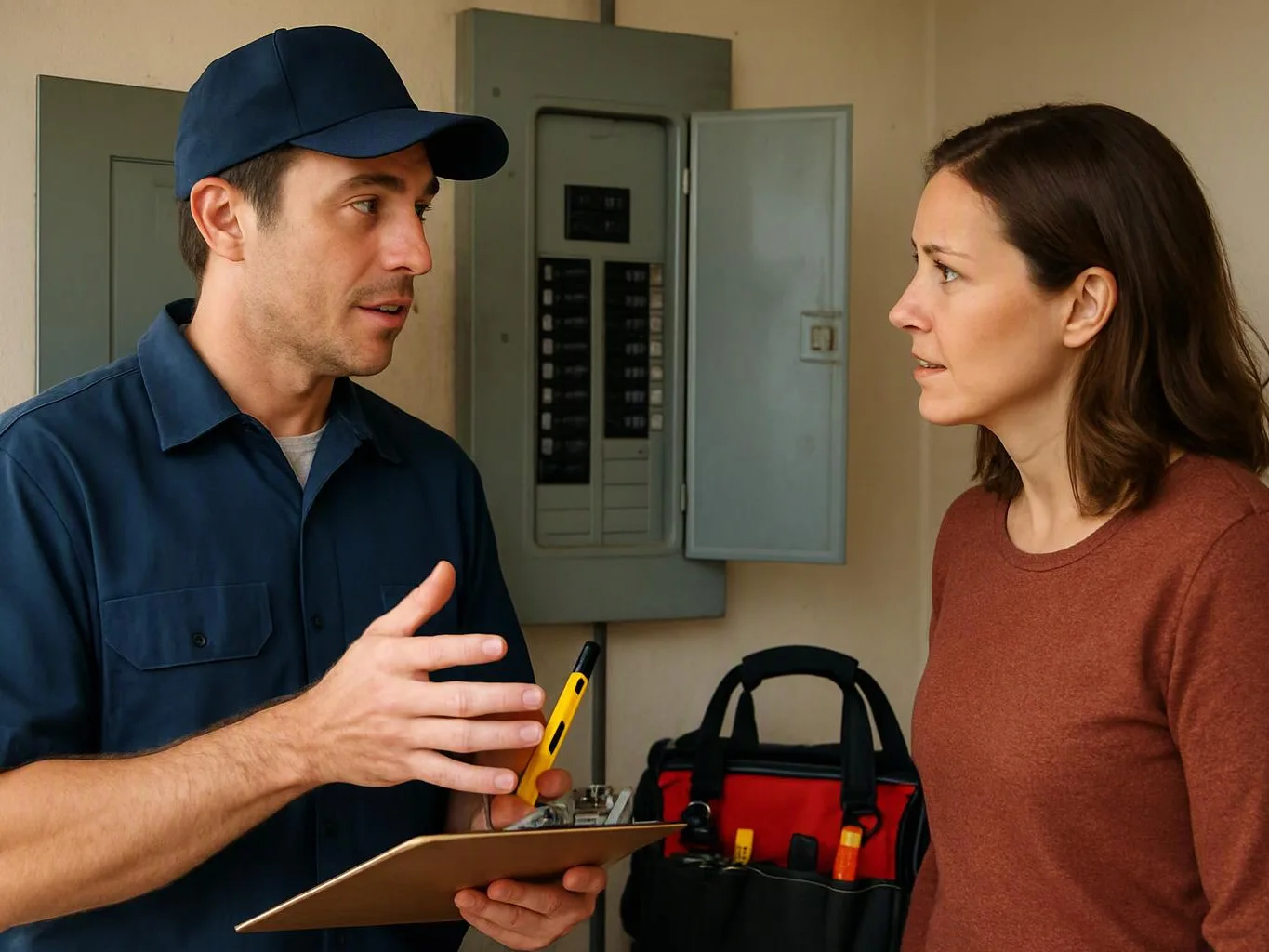
An emergency visit moves from symptom review to inspection, voltage testing, circuit isolation, repair, and final testing. We use the reported sound, smell, power loss, or breaker activity to guide the first check. The final discussion covers the completed repair, safe use, and any planned work that remains.