How are recurring electrical problems diagnosed?
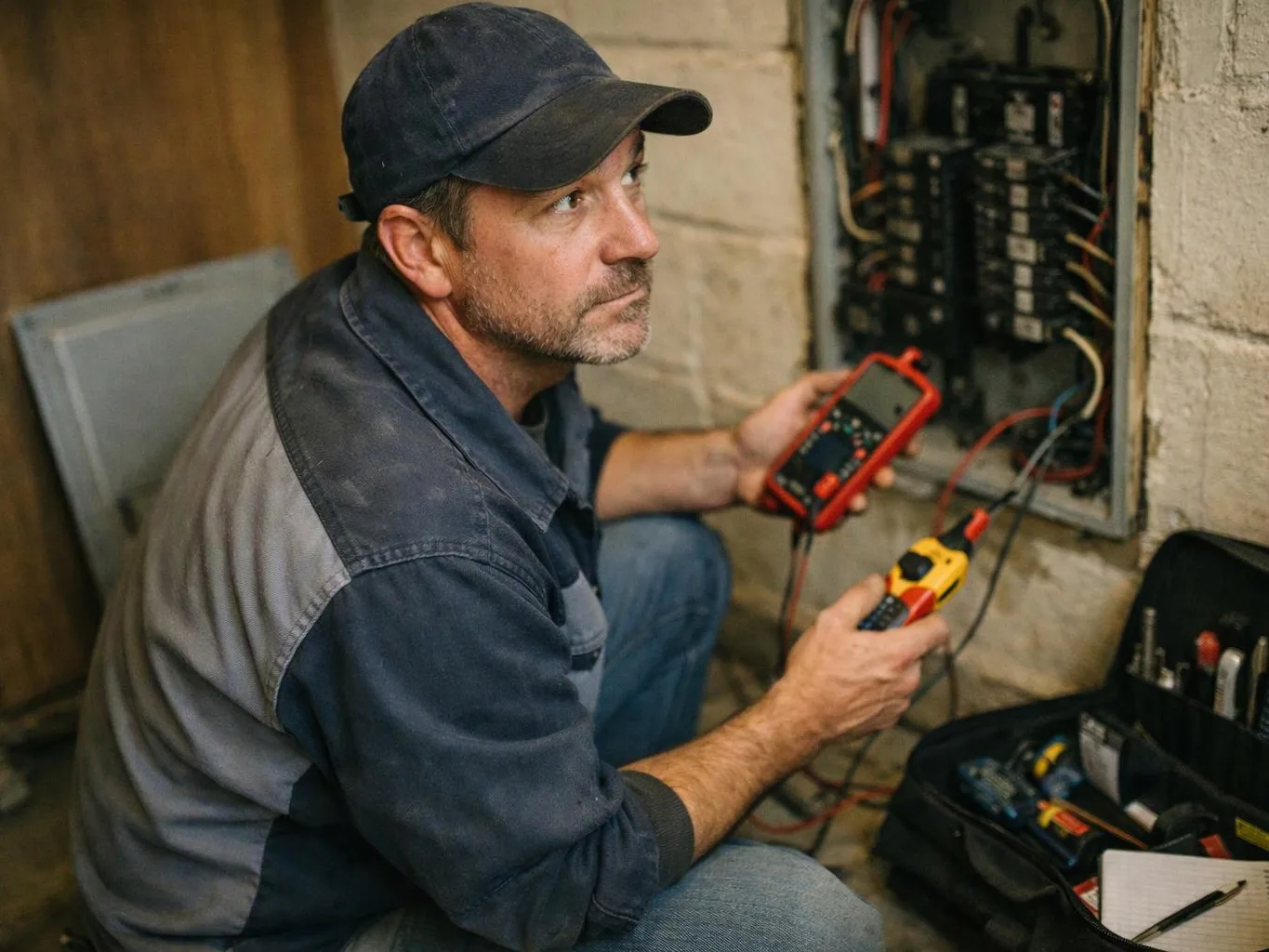
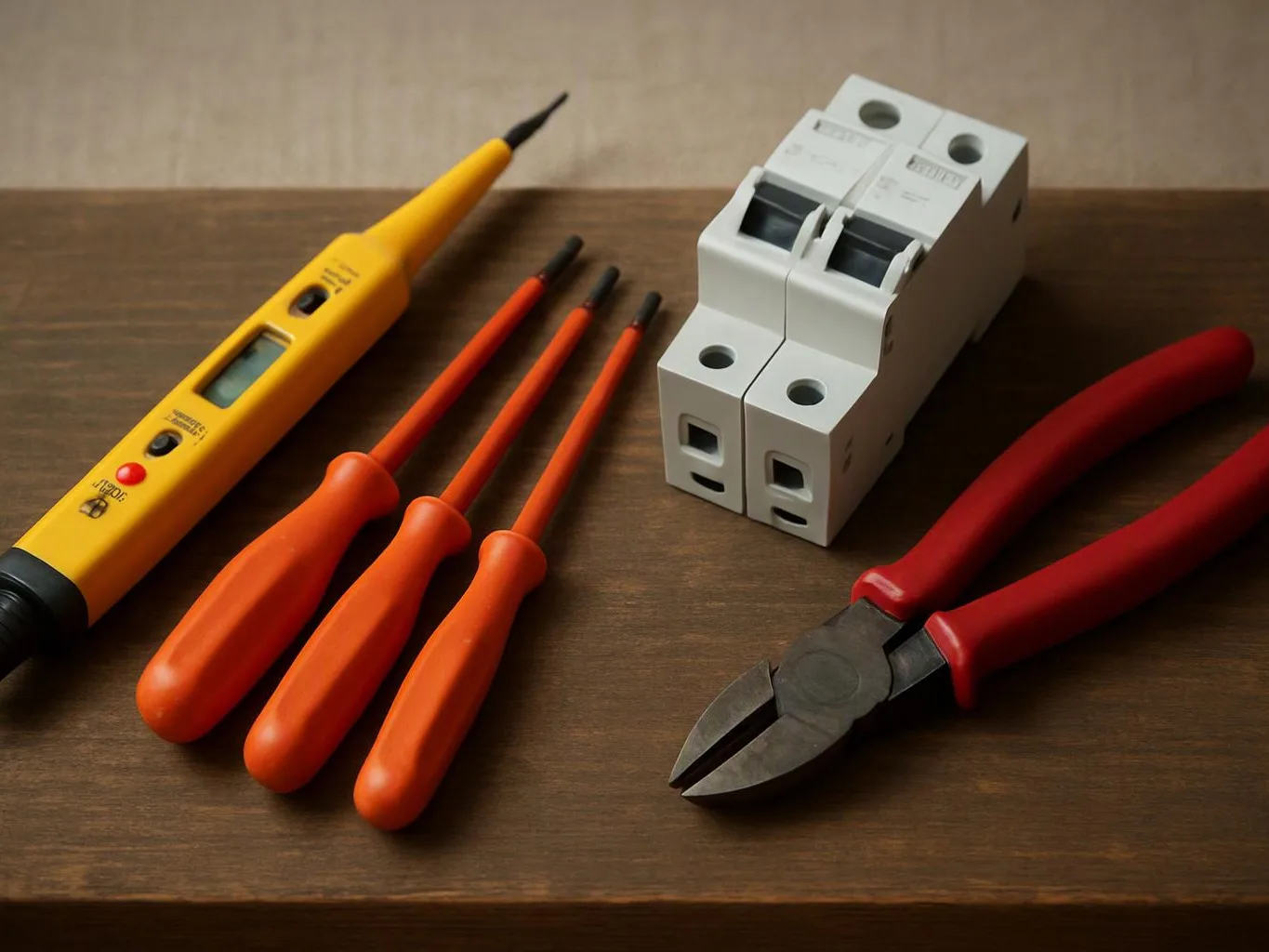
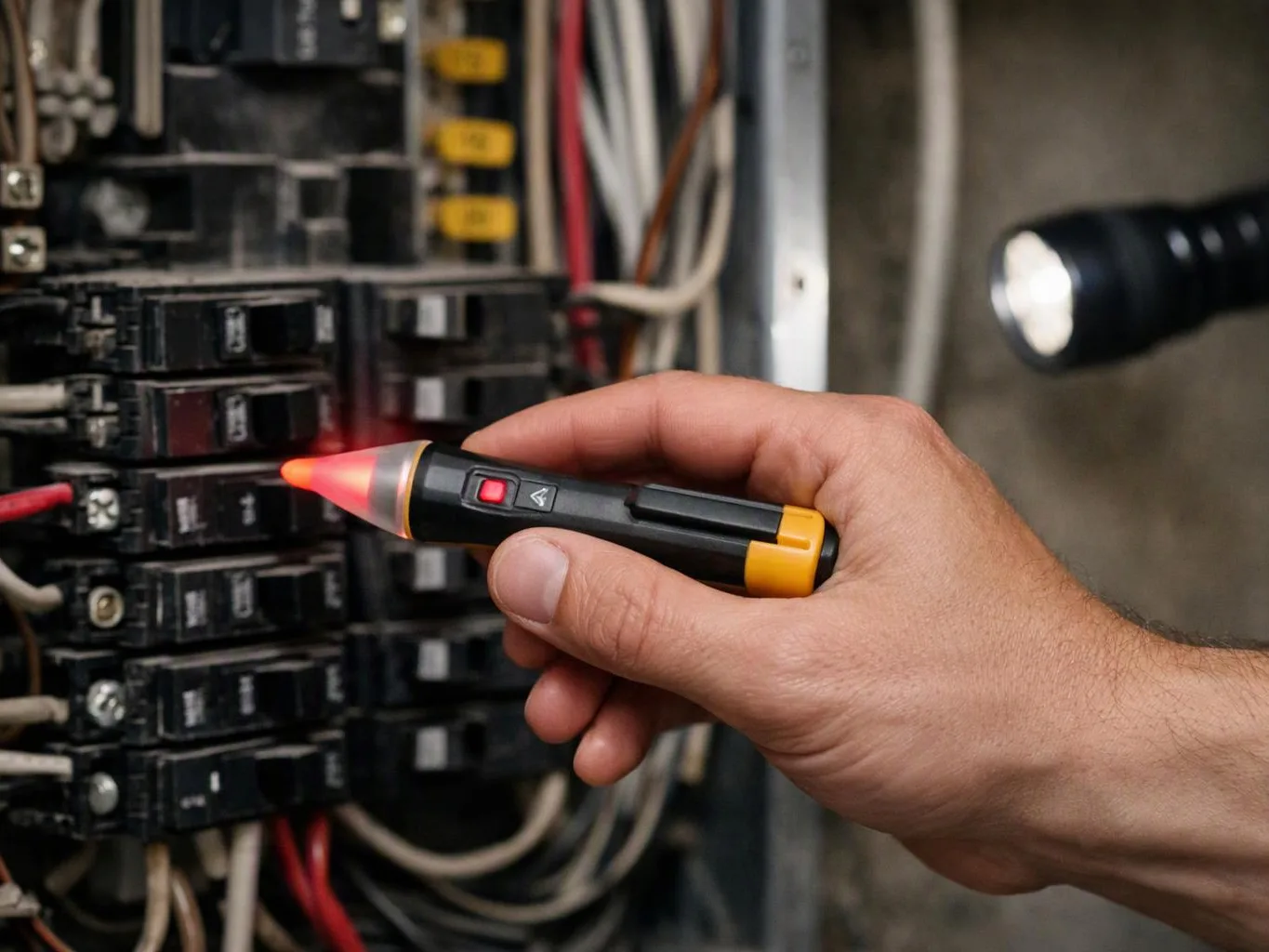
Circuit mapping identifies the outlets, switches, loads, and panel connections that share a path. Toledo Electrician then checks voltage, continuity, visible connections, and signs of heat. The diagnosis separates a device fault from a wider wiring or breaker problem. Customers receive an explanation of the finding before repair work is discussed.
What should be ready before electrical troubleshooting starts?
Access to the electrical panel and affected rooms helps the inspection begin safely. Customers should note which devices fail, what the breaker does, and whether heat, sparks, or odor appeared. Photos can help when taken from a safe distance. Do not remove covers or handle damaged wiring before service.
Which condition on the property changes the time needed for diagnosis?
Limited access, hidden wiring, multiple affected circuits, and intermittent faults usually require more testing. Older panels, crowded junction boxes, and unclear circuit labels can also add inspection work. We explain the scope after checking the property and do not promise a fixed duration before the fault is understood.
What should a customer ask before agreeing to electrical troubleshooting?
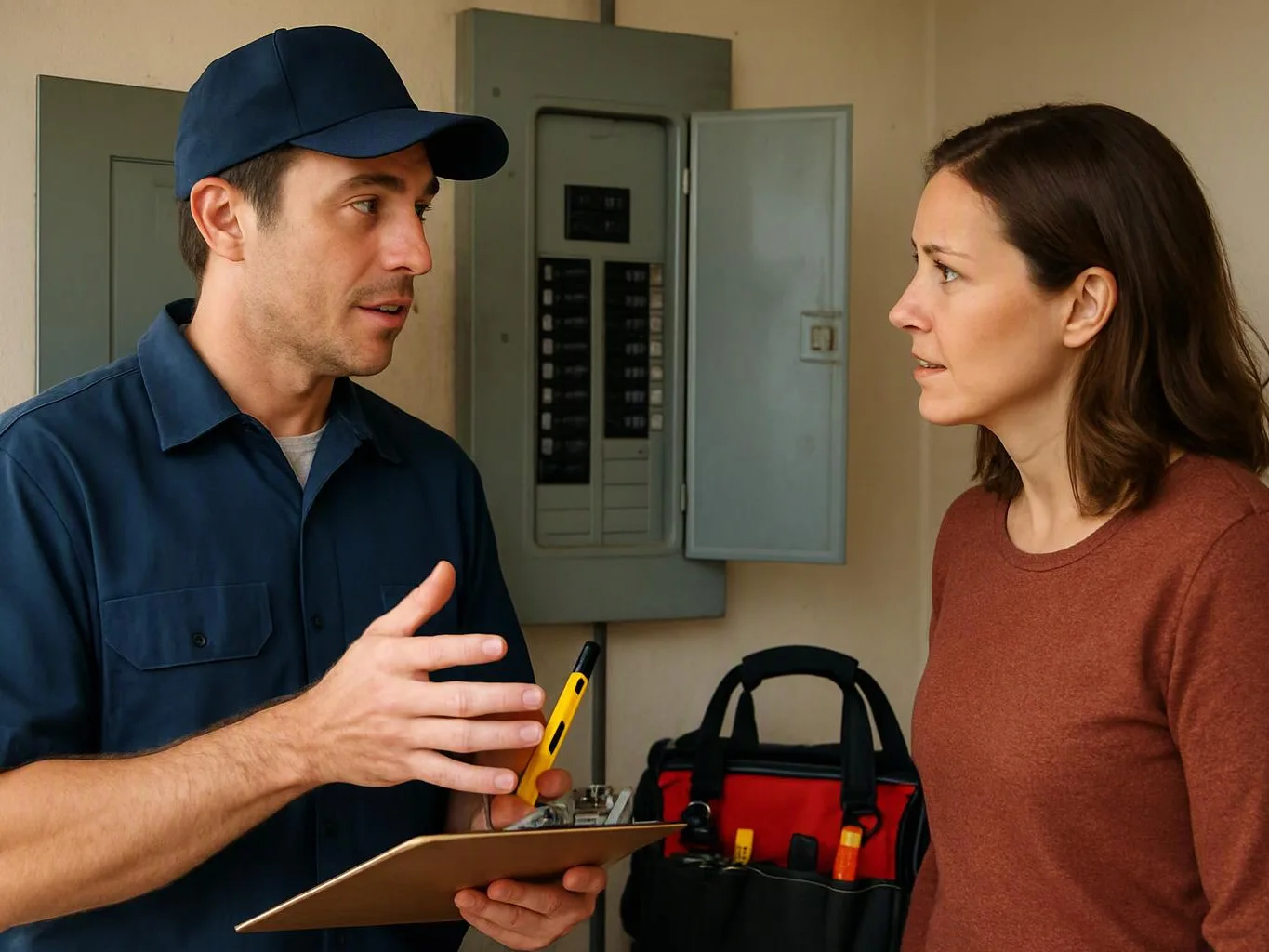
The customer should ask which areas will be tested, what the suspected fault is, and whether repair work is included in the proposed scope. We explain the tests, findings, and next step in plain language. A written estimate helps separate diagnostic work from a later panel, wiring, or outlet repair.
When does a tripped breaker need urgent attention?
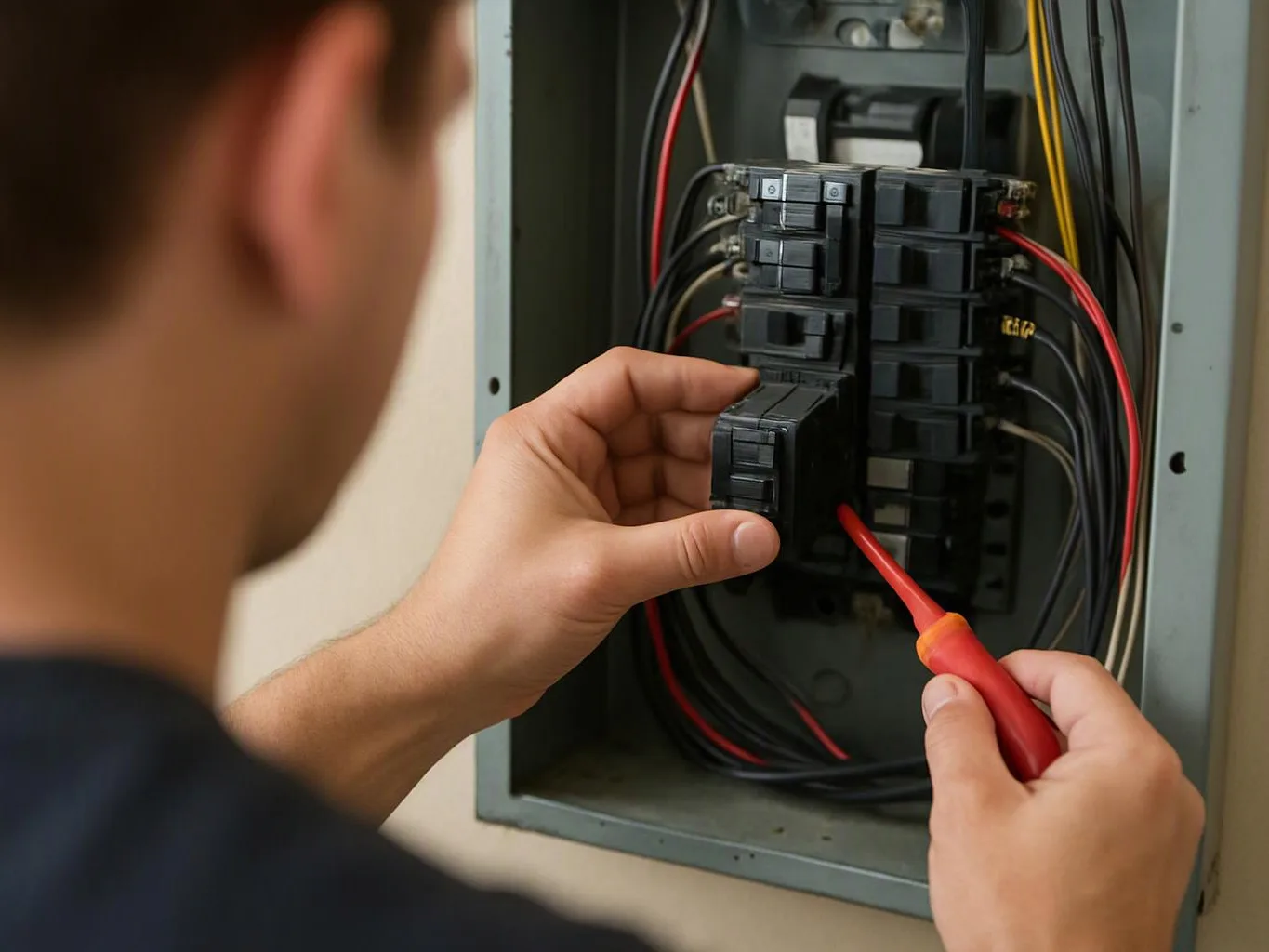
A breaker needs urgent attention when it trips repeatedly, feels hot, buzzes, or connects to a burning smell or sparking device. Stop using the affected circuit and keep clear of damaged parts. We inspect the panel and circuit to find the cause instead of treating each trip as an isolated reset.
Can troubleshooting identify a panel problem?
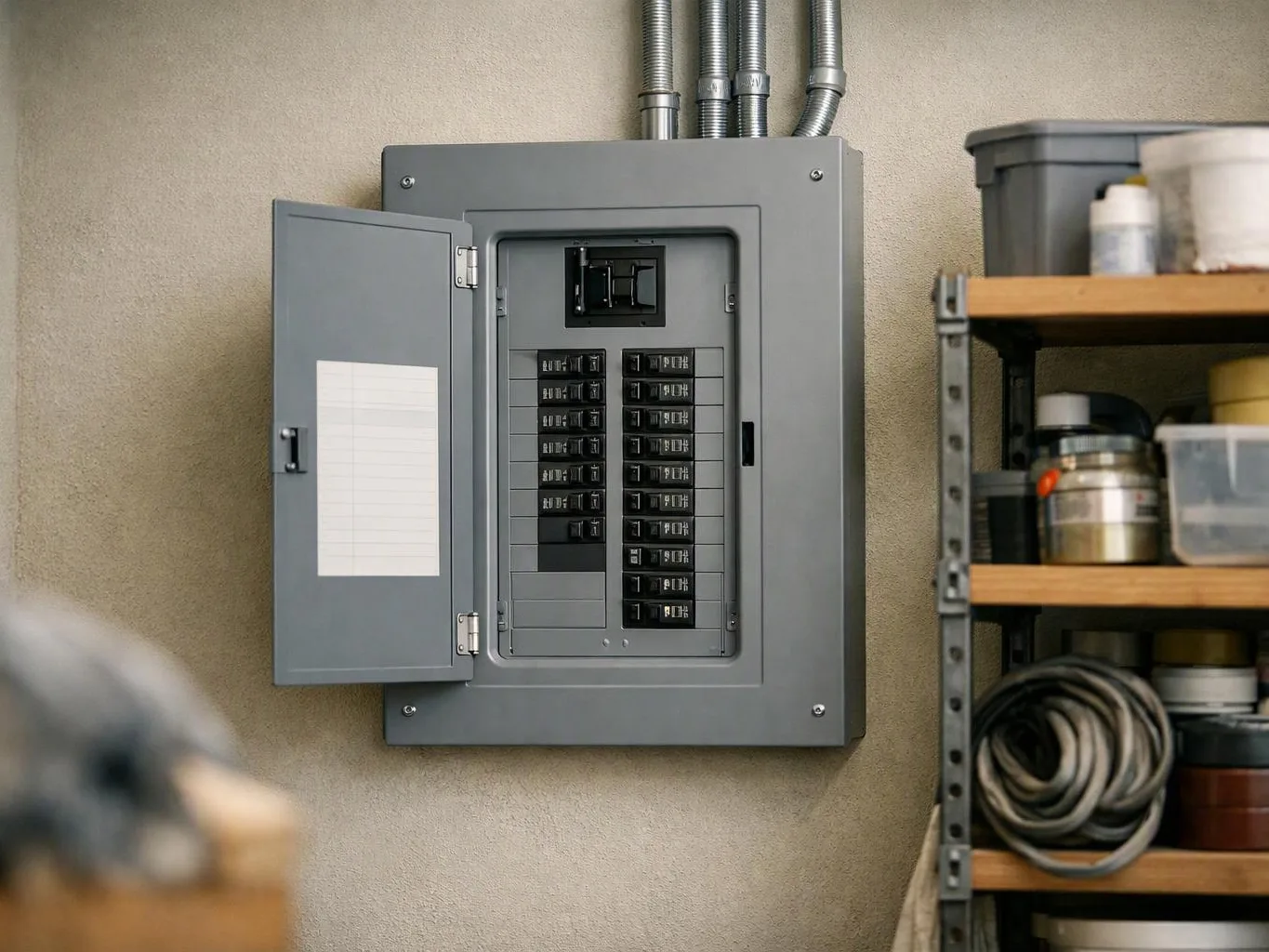
Panel testing can identify a weak breaker, loose connection, heat pattern, overload, or fault that reaches the panel. We compare panel behavior with the connected circuit and devices. A panel issue may lead to breaker repair, grounding work, or a panel upgrade, depending on the confirmed condition.
Why might one outlet fail while nearby outlets still work?
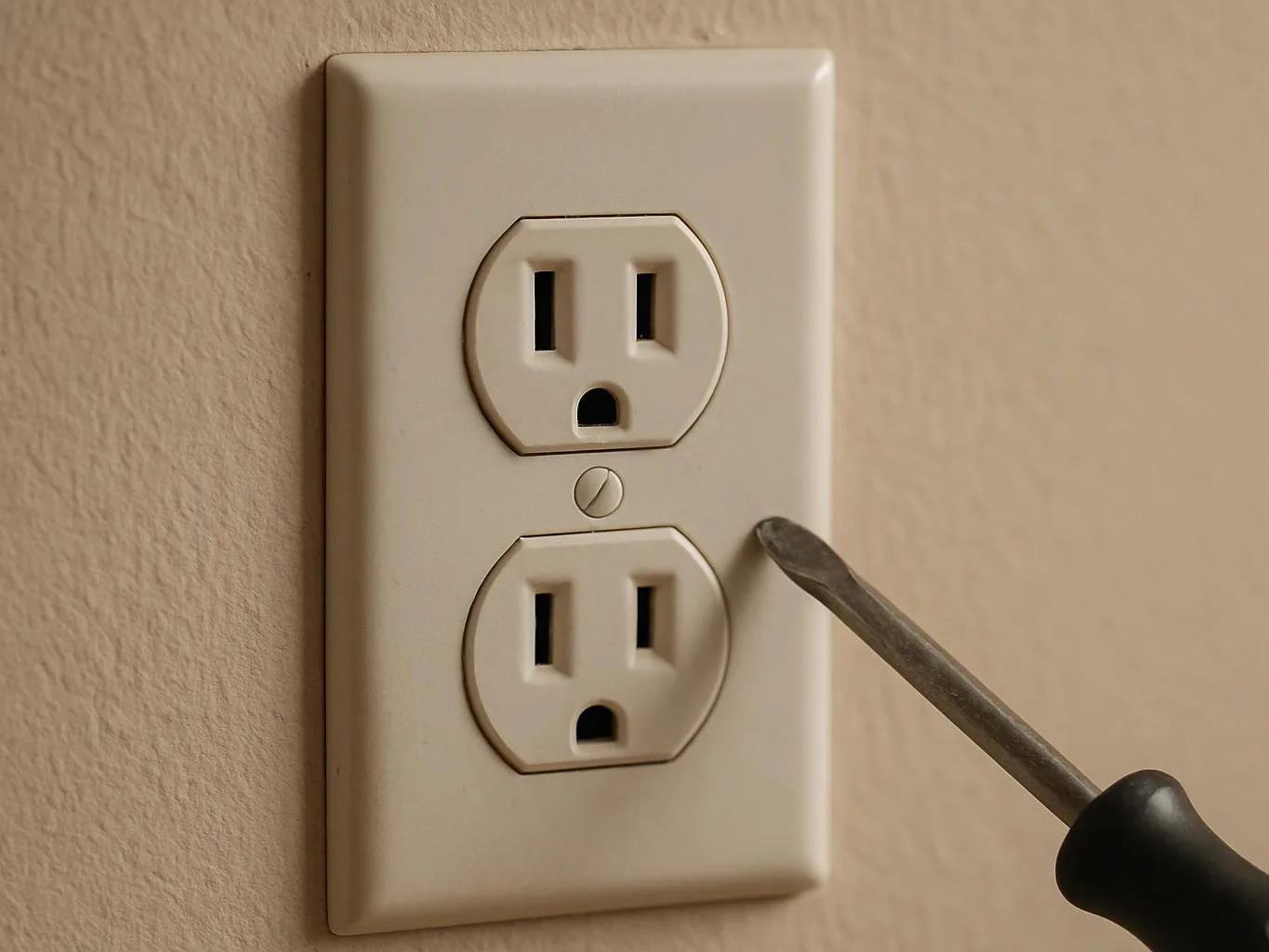
A single dead outlet can have a failed receptacle, loose connection, open conductor, or upstream device issue. We test the outlet and trace its circuit path to find where power stops. Customers should avoid using the outlet until the cause is checked, especially if it feels warm or shows damage.