Record the reported symptom
We ask what failed, when it started, and which outlets, lights, appliances, or breakers are affected.
We trace electrical faults, test affected circuits, and identify safe repair options for homes and businesses in Toledo. Our electricians work around the clock.
You learn whether the problem starts at an outlet, breaker, wire, appliance, or panel.
Circuit tracing helps prevent repeated replacement of parts that are not causing the fault.
A documented diagnosis helps you decide between a focused repair and a larger upgrade.
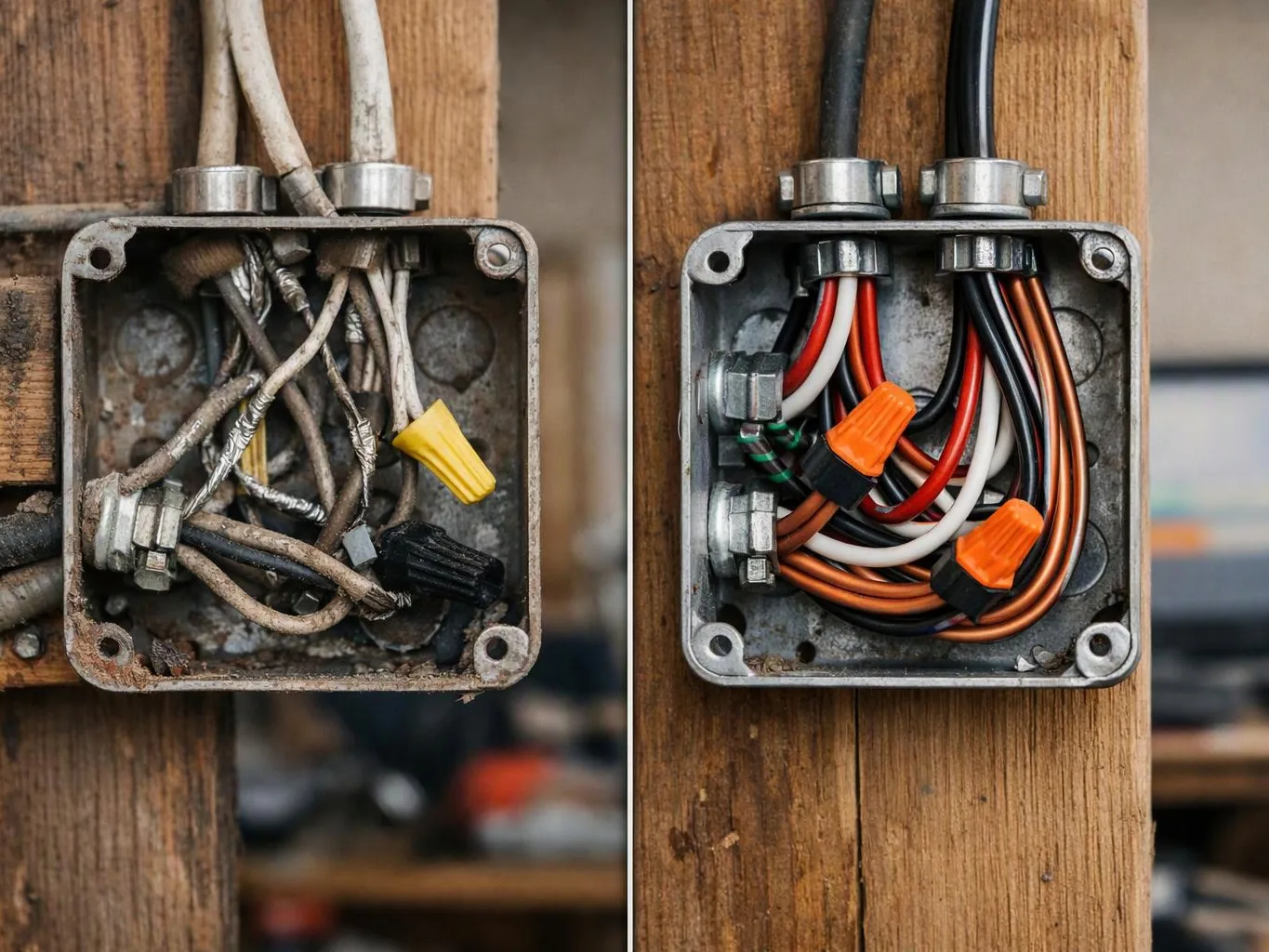
Safety checks identify heat, arcing, loose connections, and other conditions that need attention.
Electrical Troubleshooting is a diagnostic service that identifies faults in circuits, wiring, outlets, panels, and related equipment.
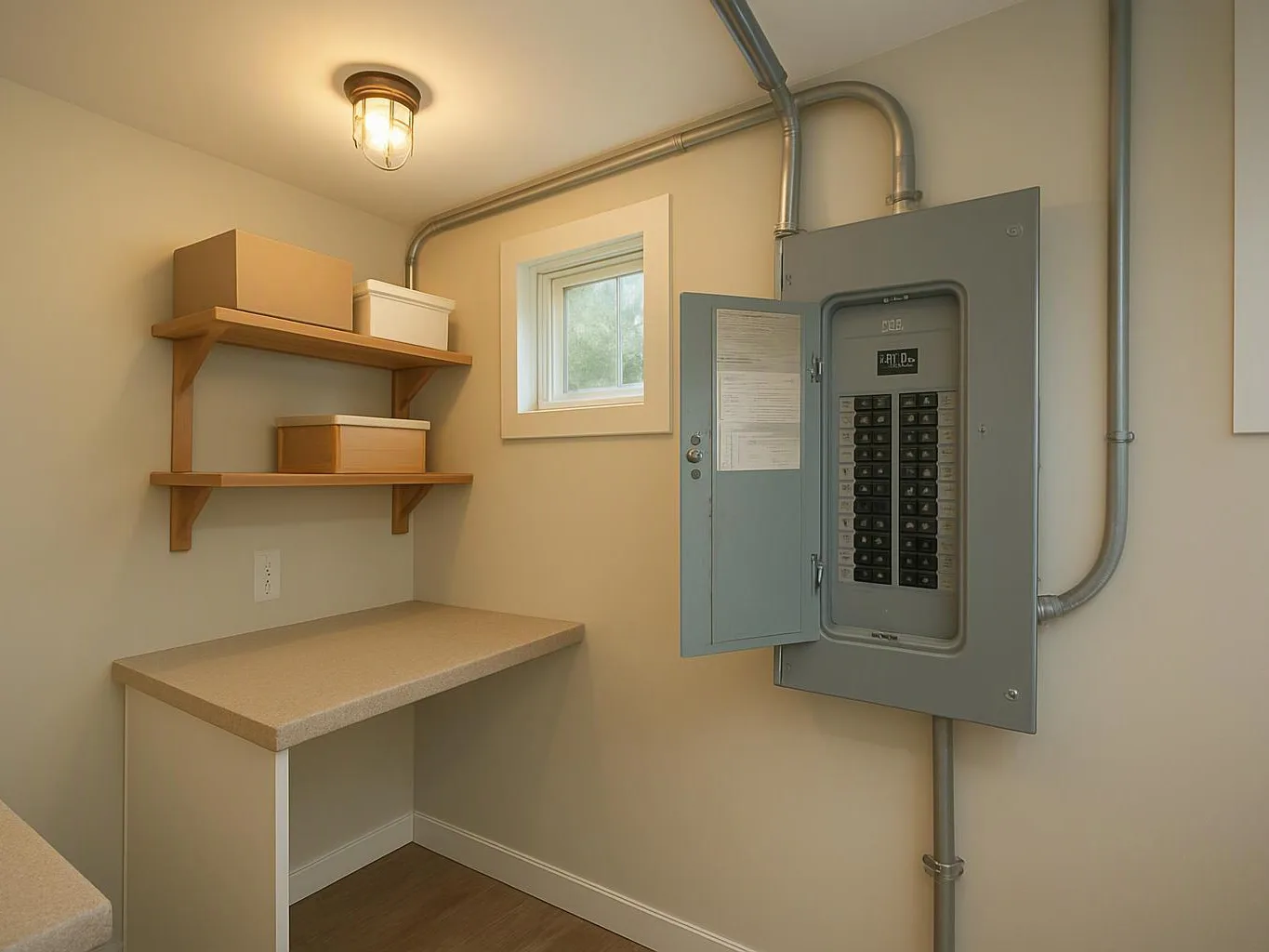
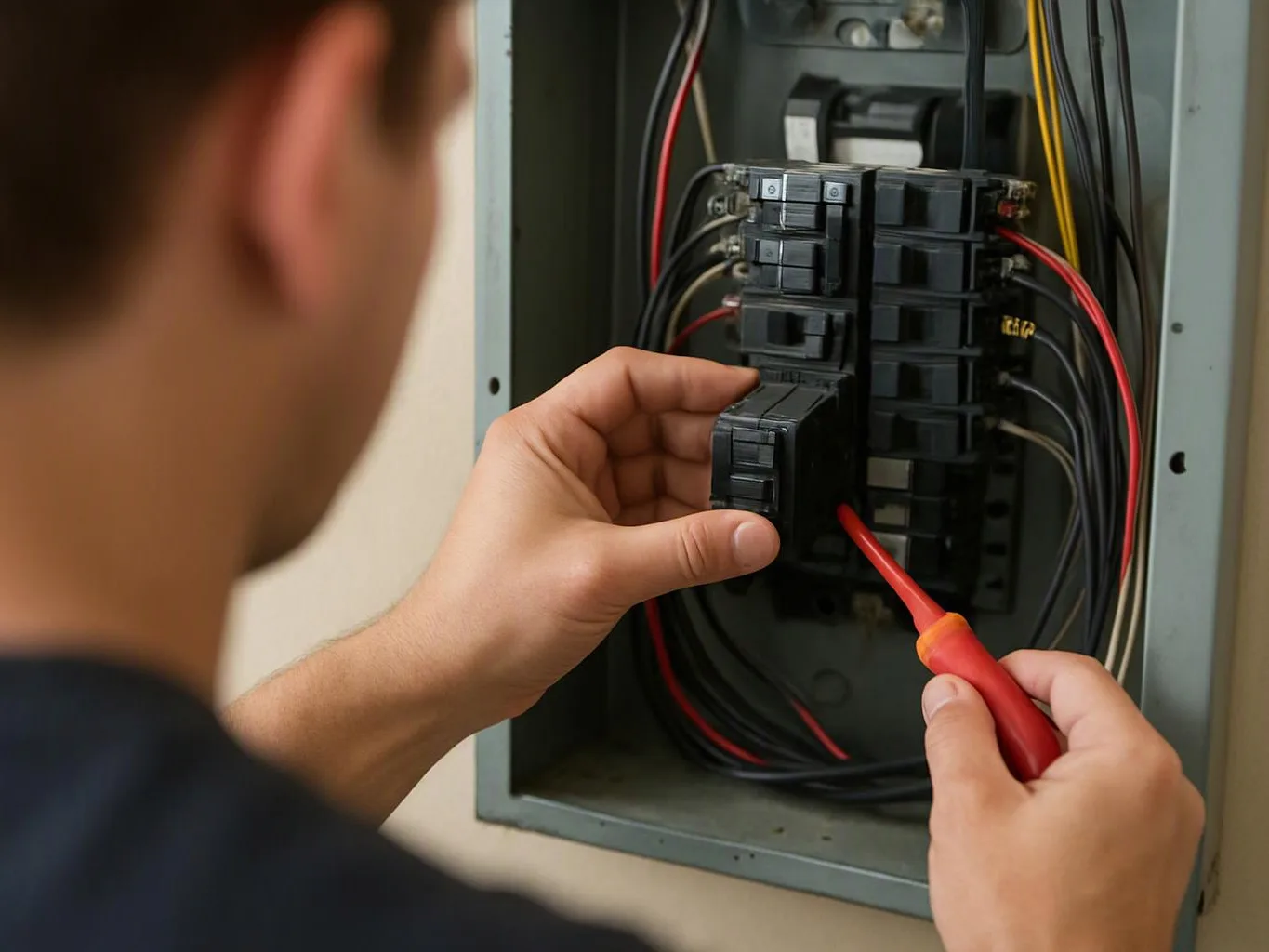
Electrical troubleshooting starts with the symptom, but the symptom may not show where the fault sits. A dead outlet can connect to an upstream receptacle, while a tripping breaker can involve a load farther along the circuit. We inspect the panel, identify the affected circuit, and trace connections through the system. Testing and verification help separate a bad device from a wiring fault or load problem. Our electricians then explain the repair path. Some issues need a part replacement, while others call for wiring work, a panel change, surge protection, or a larger electrical upgrade. Most small firms don't need a panel upgrade for every nuisance trip. We first identify the fault, then match the repair to the evidence.
We ask what failed, when it started, and which outlets, lights, appliances, or breakers are affected.
We inspect the panel and identify the circuit linked to the problem, while keeping safety at the center of the work.
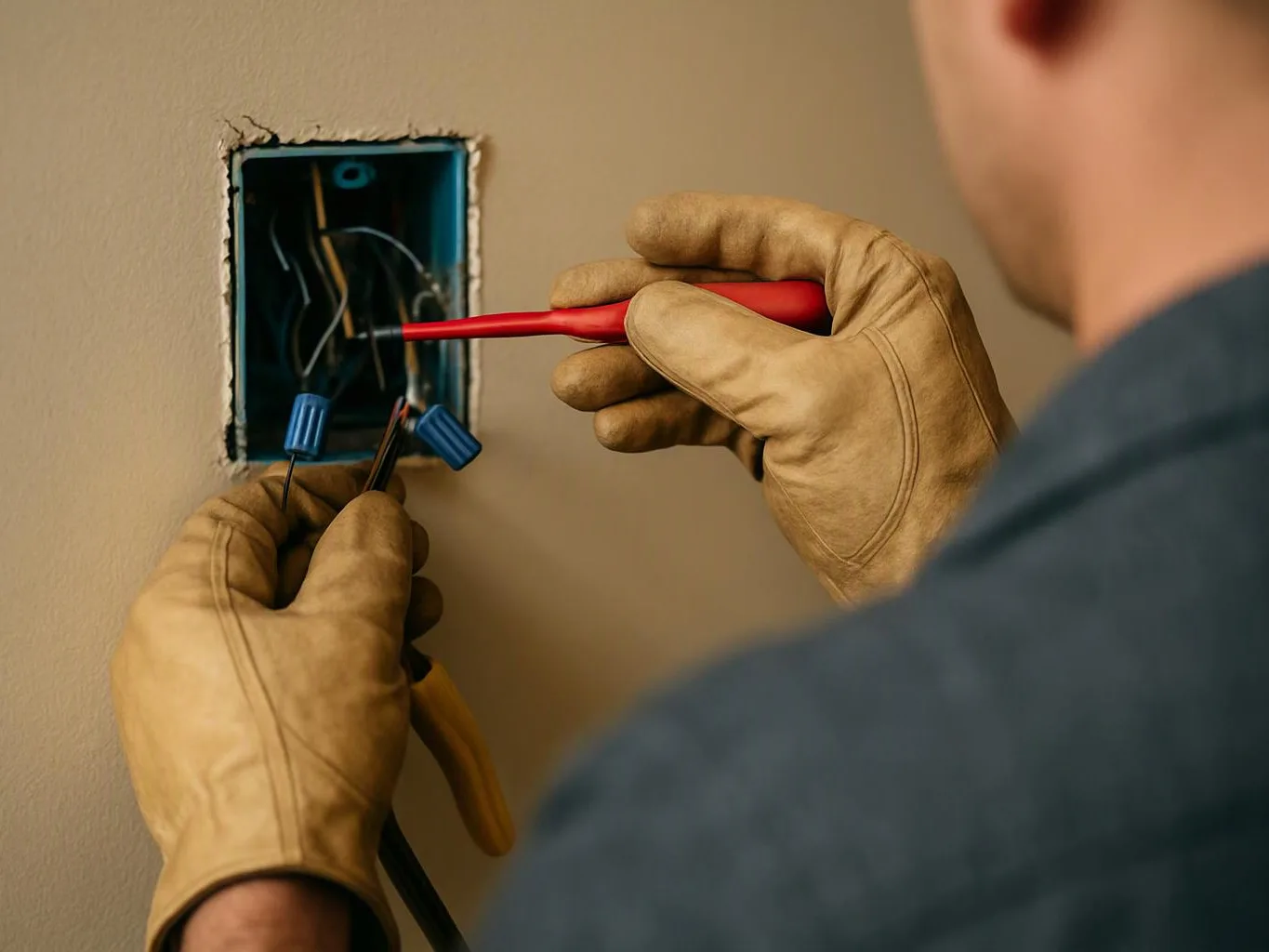
We follow the circuit through outlets, switches, fixtures, wiring, and connected equipment to locate the fault.
We use electrical testing and visual checks to confirm whether the issue involves a loose connection, overload, short, or damaged part.
We recommend the repair or upgrade supported by the diagnosis, then provide a free estimate when the work needs a defined scope.
We test the affected system after the repair and check that the reported symptom has a clear resolution.
A few details can help us trace the right circuit and work safely.
We trace affected circuits and test suspected components before recommending repairs for electrical faults.
We isolate unsafe conditions, inspect exposed parts, and keep people away from energized hazards during troubleshooting.
We assess panels, breakers, fuses, and wiring when diagnosis shows that an upgrade or replacement is needed.
Tell us what your electrical system is doing, and urgent requests get priority scheduling.
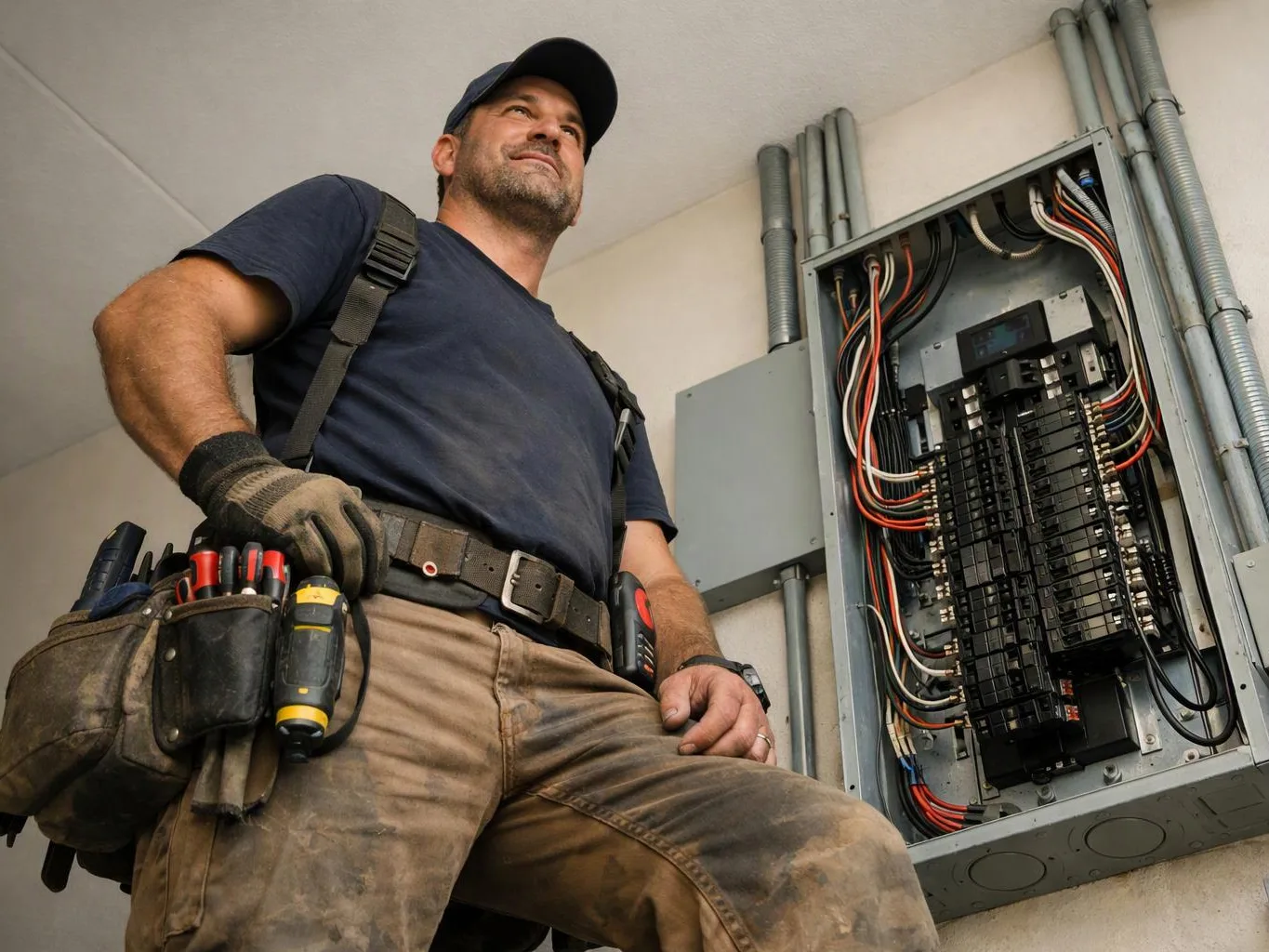
A breaker that trips again after reset can point to an overload, short circuit, damaged wire, or faulty appliance. The key detail is what runs on that circuit and whether heat, buzzing, or a burning smell appears. Stop resetting the breaker and tell us which devices were active so we can trace the fault safely.
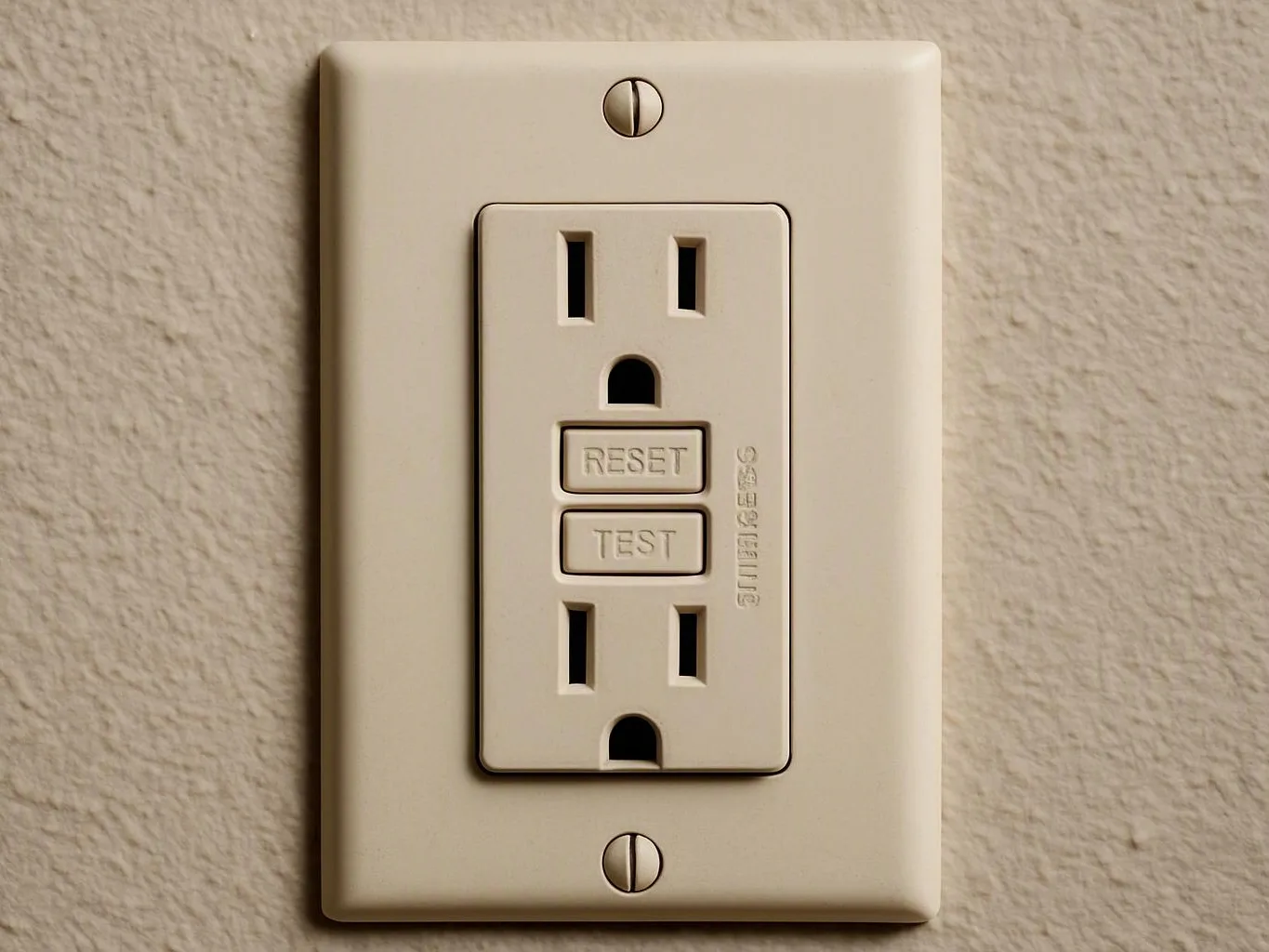
One dead outlet does not always mean the receptacle itself failed. An upstream outlet, loose connection, tripped GFCI, or open wire can interrupt power farther along the circuit. Note which nearby outlets still work, keep the covers closed, and request a circuit check so we can locate the break.
Lights that flicker when an appliance starts can point to a loose connection, overloaded circuit, or supply issue. The appliance, light location, and timing matter during diagnosis. Record what was running when the flicker occurred, then request electrical troubleshooting before the condition spreads to other fixtures.