How are recurring electrical problems diagnosed?
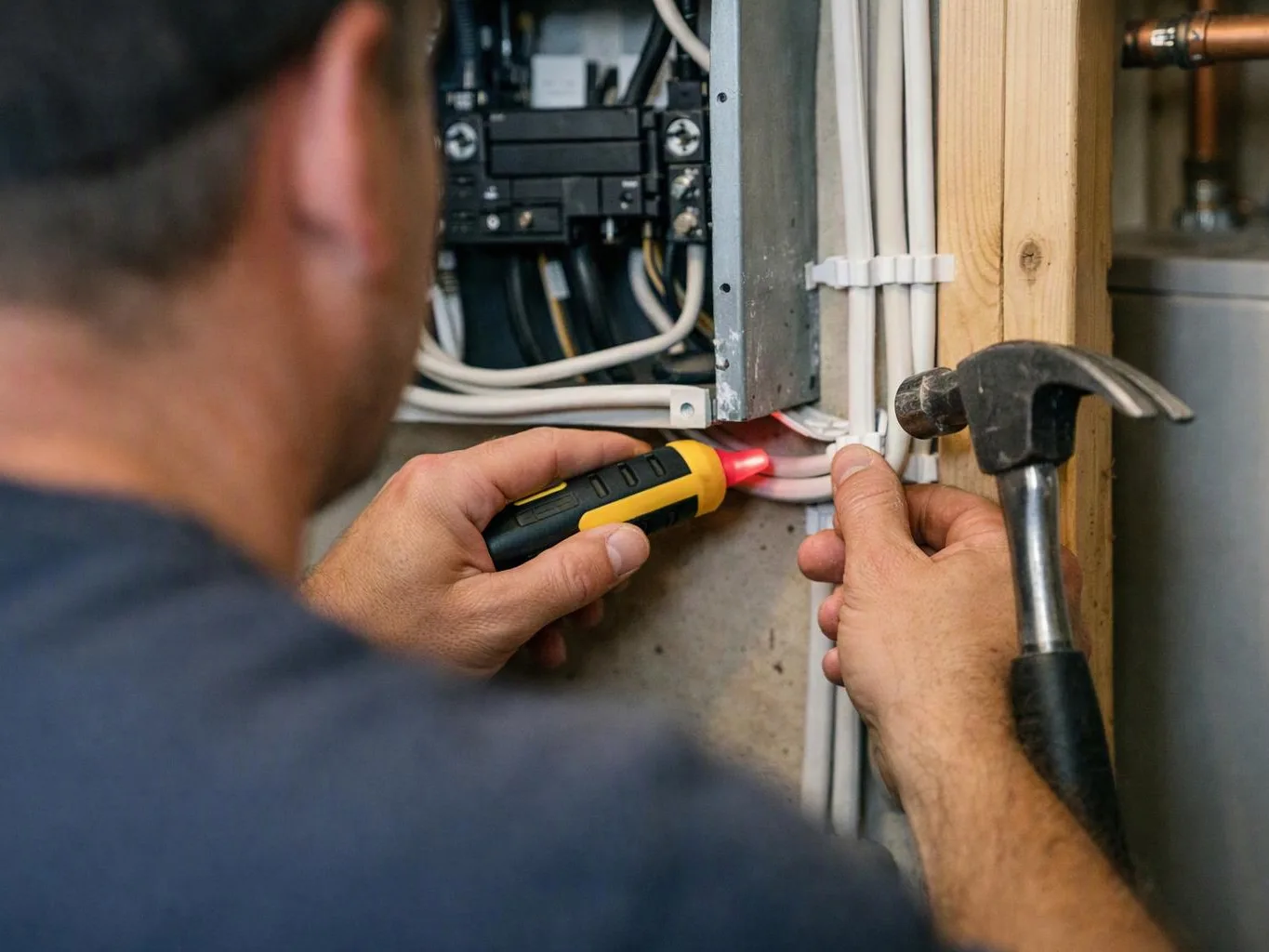
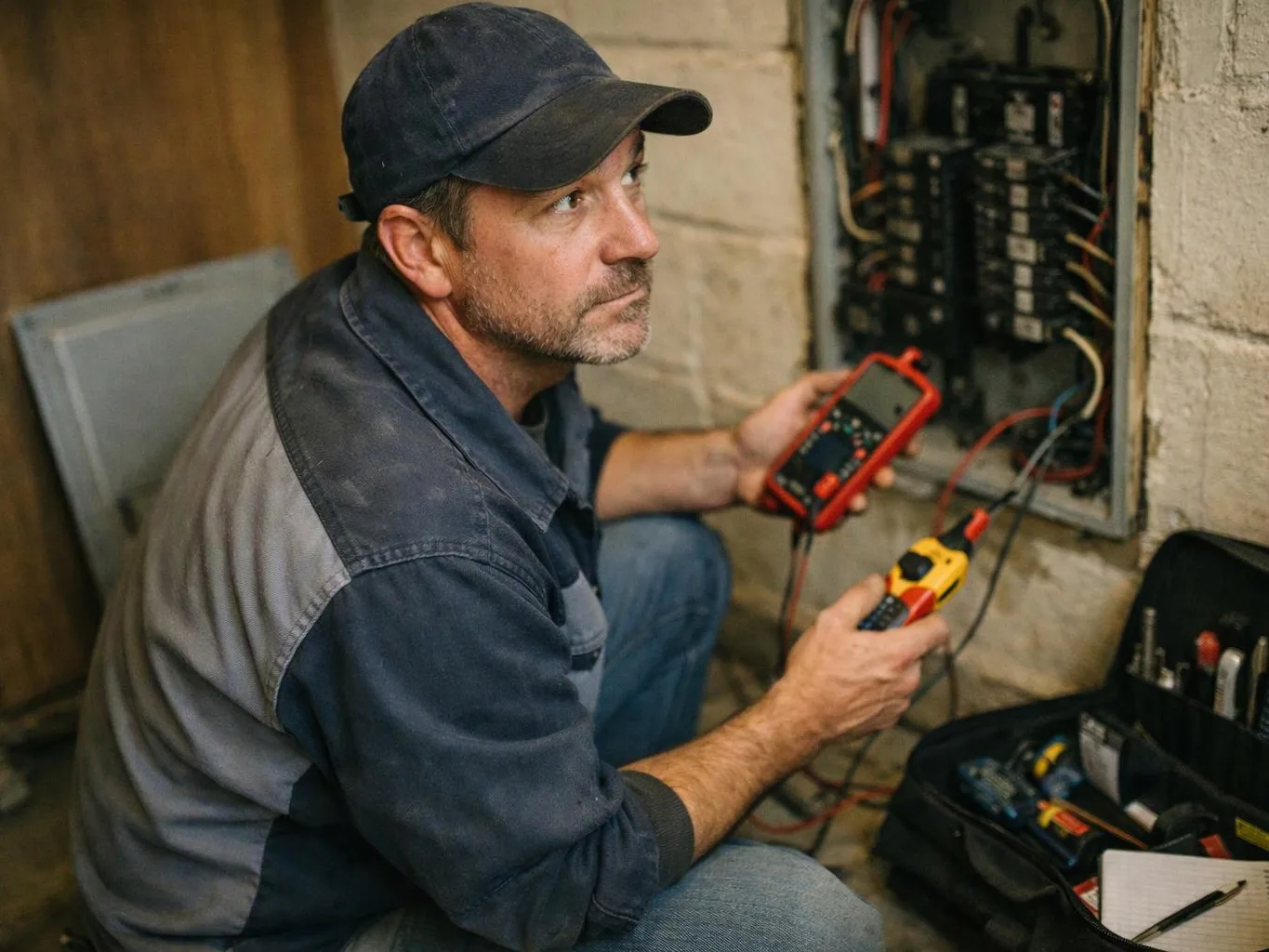
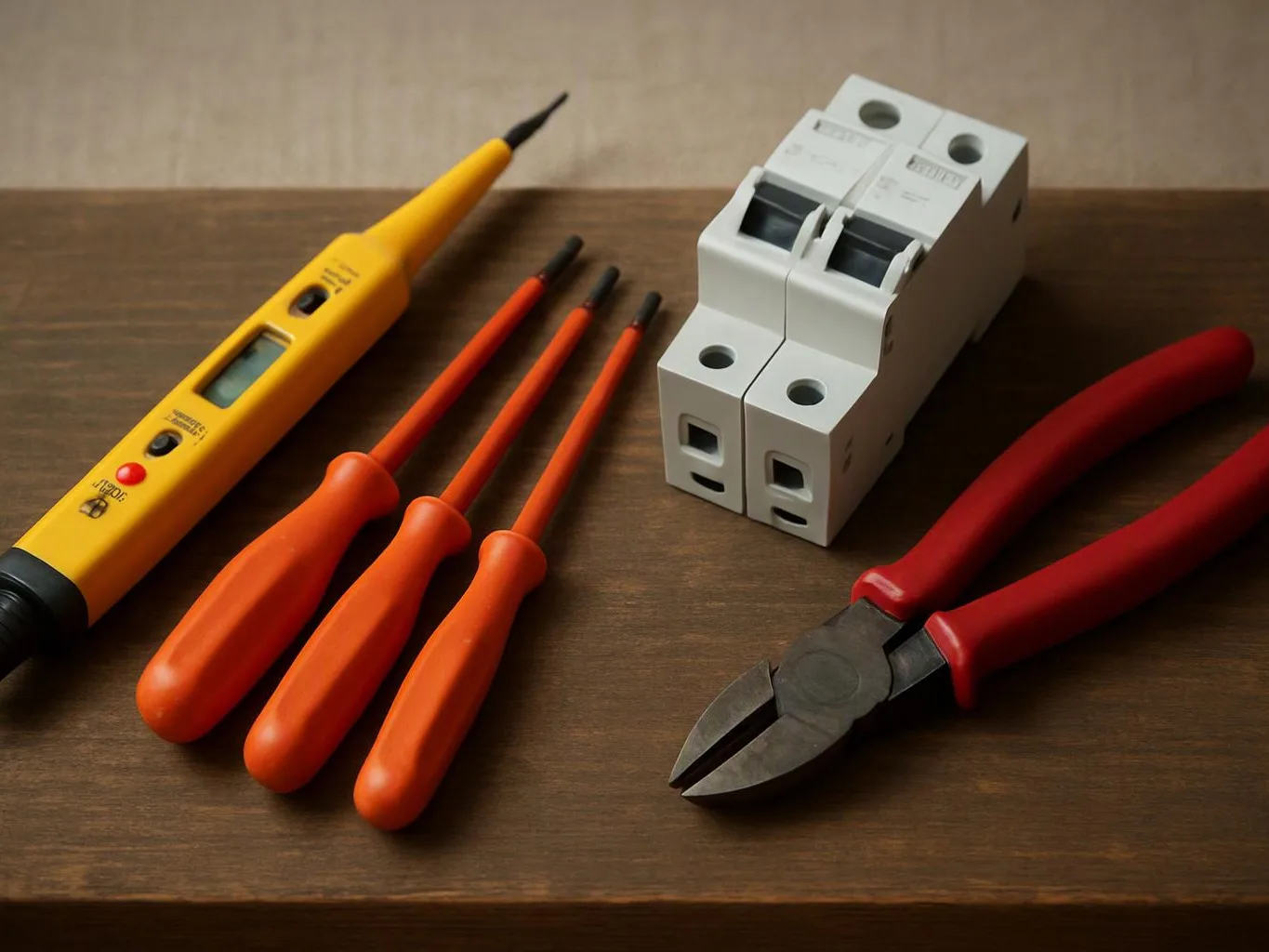
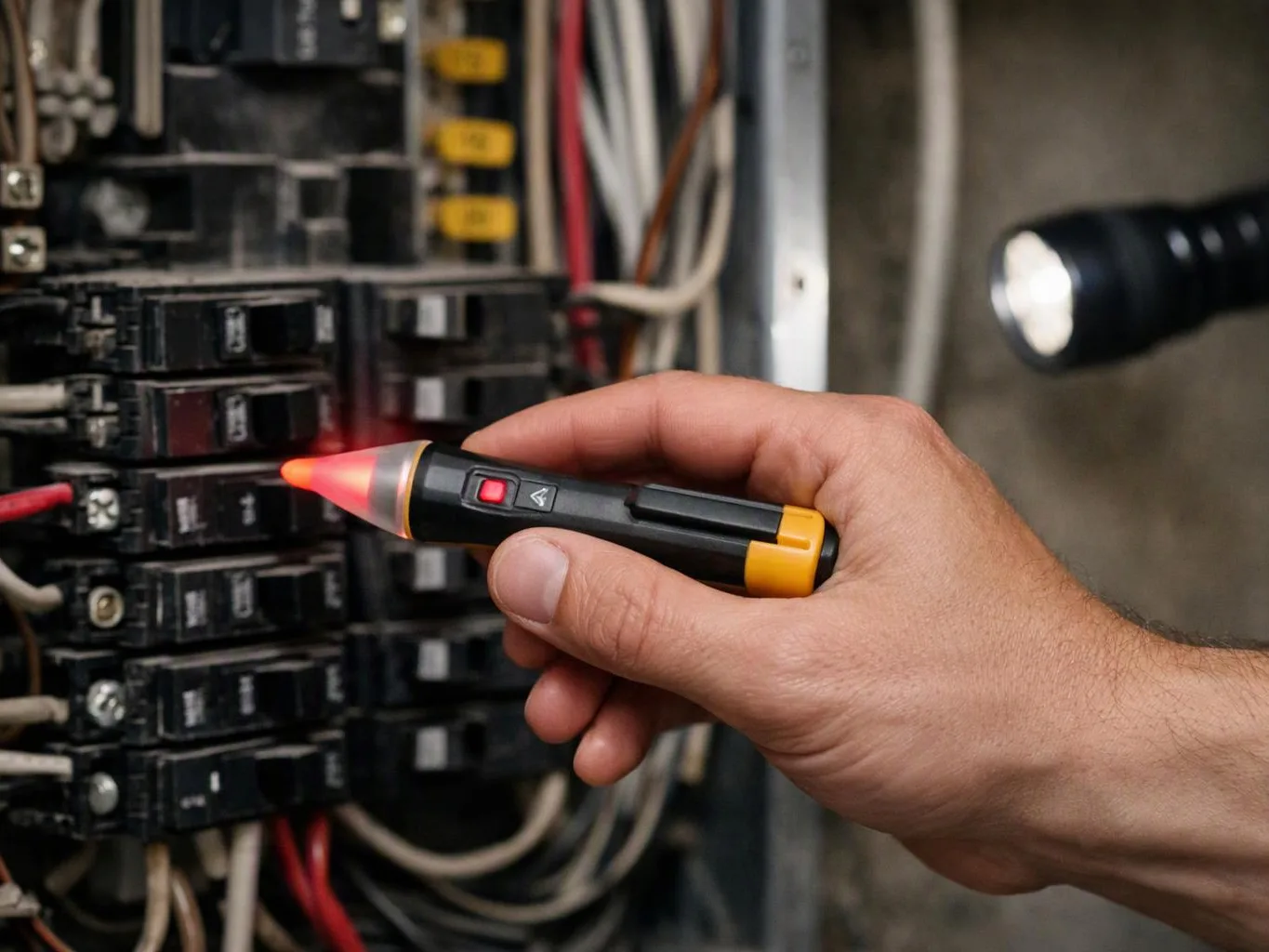
Voltage testing is the first check for recurring electrical problems, and Toledo Electrician follows the readings through the affected circuit. We then use circuit tracing and continuity testing when the fault is not isolated at the first device. The findings show whether the issue involves a breaker, connection, wiring path, outlet, switch, or connected load.
Which part of the property decides the troubleshooting scope?
The affected circuit and its connected loads decide the troubleshooting scope. A single outlet may need a focused check, while repeated breaker trips can require panel inspection and circuit mapping. We identify which breaker feeds the area, test key points, and explain when the work needs a separate repair estimate.
What material changes how the electrical fault is checked?
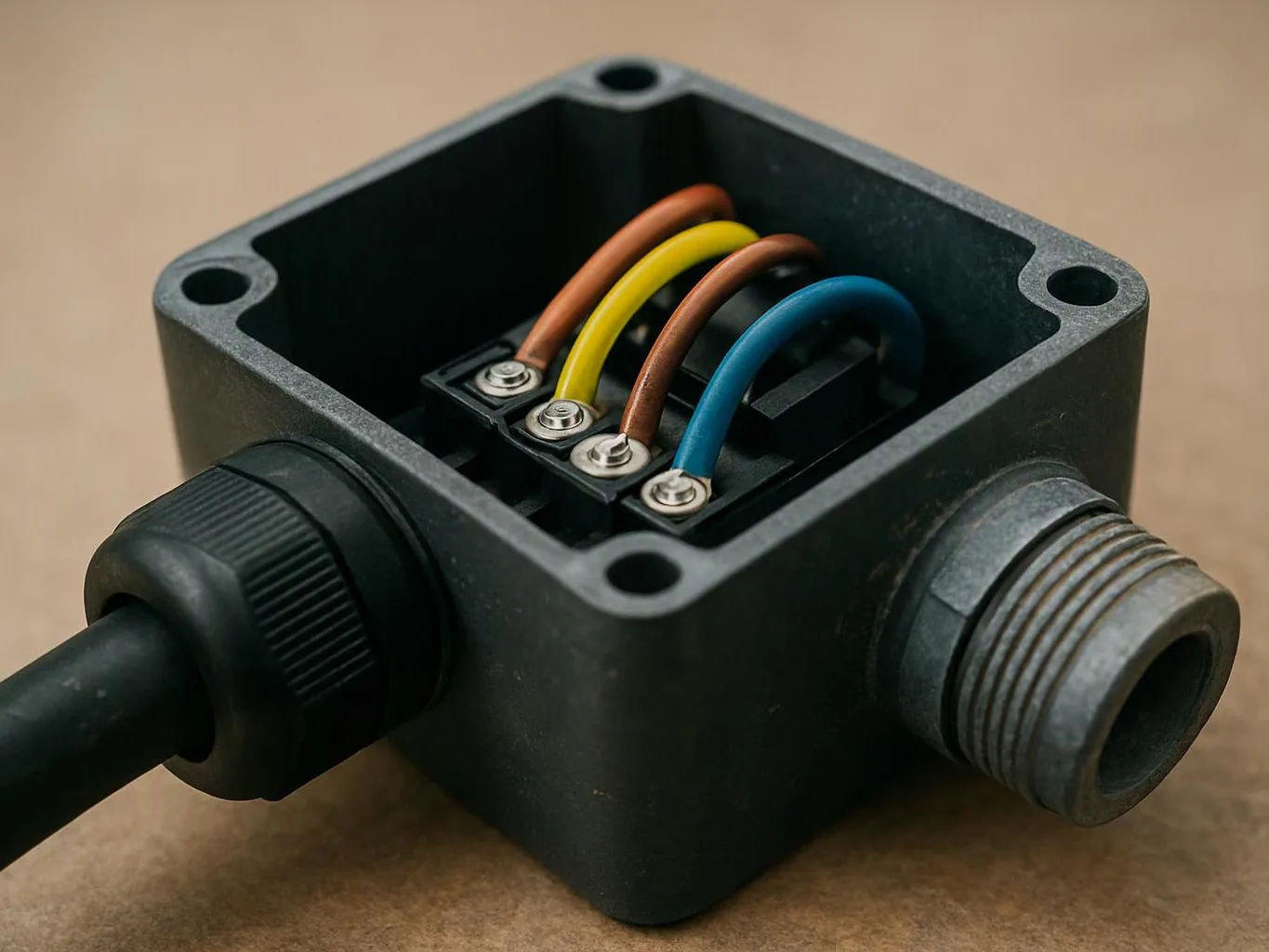
The wiring material and condition change how the fault is checked. Aluminum wiring, older insulation, loose copper connections, and damaged conductors each call for a different inspection focus. We identify the visible wiring type and test the circuit safely before discussing remediation, replacement, or another repair path.
When does a breaker problem become urgent?
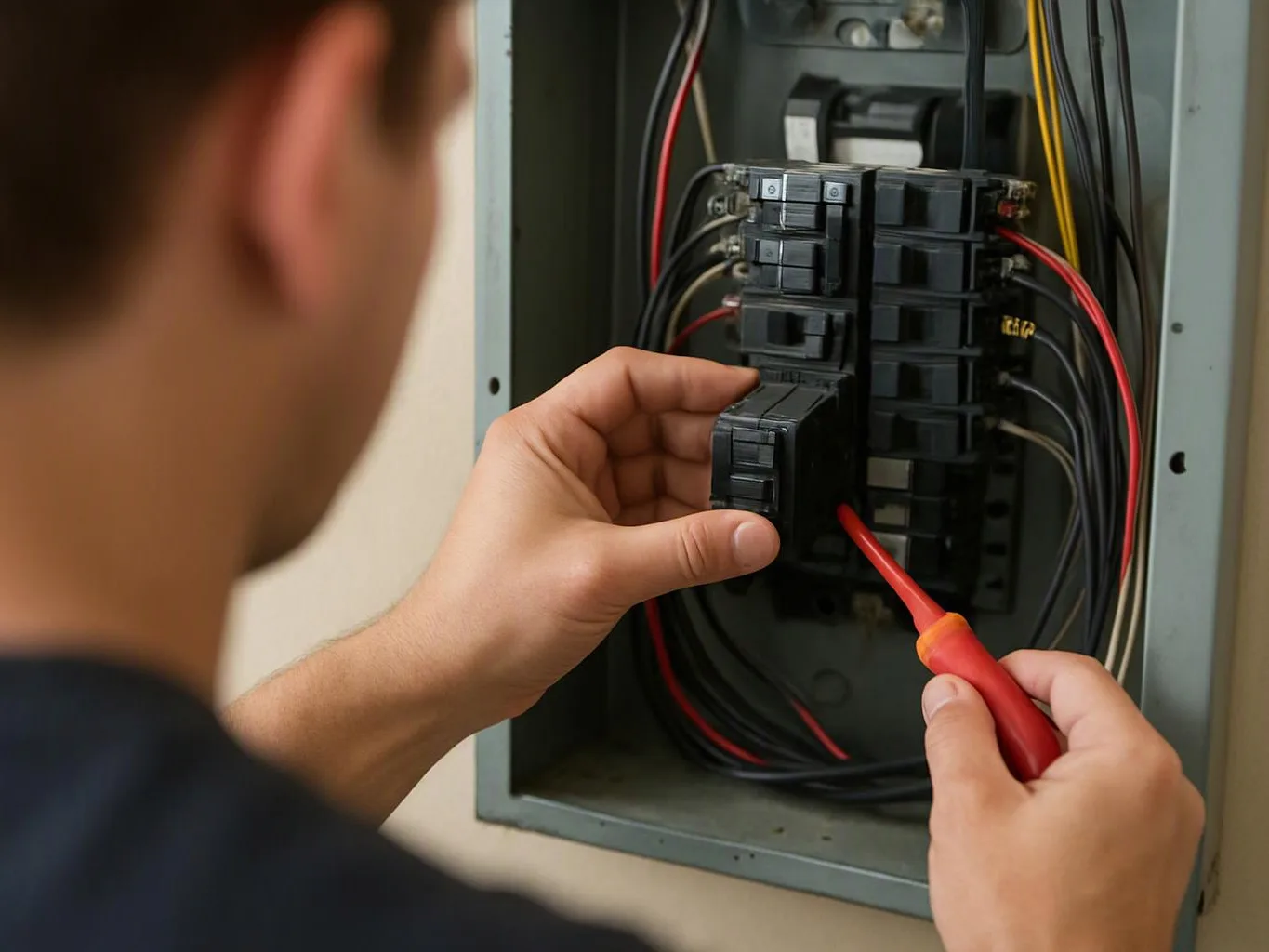
A breaker problem becomes urgent when it repeats, smells hot, buzzes, sparks, or trips with a small load. Stop resetting the breaker and keep people away from damaged outlets or panels. We inspect the affected circuit and look for heat, loose connections, damaged wiring, or a failing device.
Why can one outlet fail while others still work?
One outlet can fail while others work because the fault may sit at one connection, device, switch, or branch-circuit point. We test the dead outlet and nearby devices, then trace the circuit back toward the panel. This helps separate a local outlet issue from a wider wiring or breaker problem.
Which electrical repairs need a separate estimate?
Panel upgrades, whole-home rewiring, service entrance work, and major wiring replacement need a separate project scope. Troubleshooting identifies the fault, but larger work can involve broader access, materials, inspections, or permit steps. We explain that distinction after testing shows what the property needs.
How does a troubleshooting visit move from the first call to the last step?
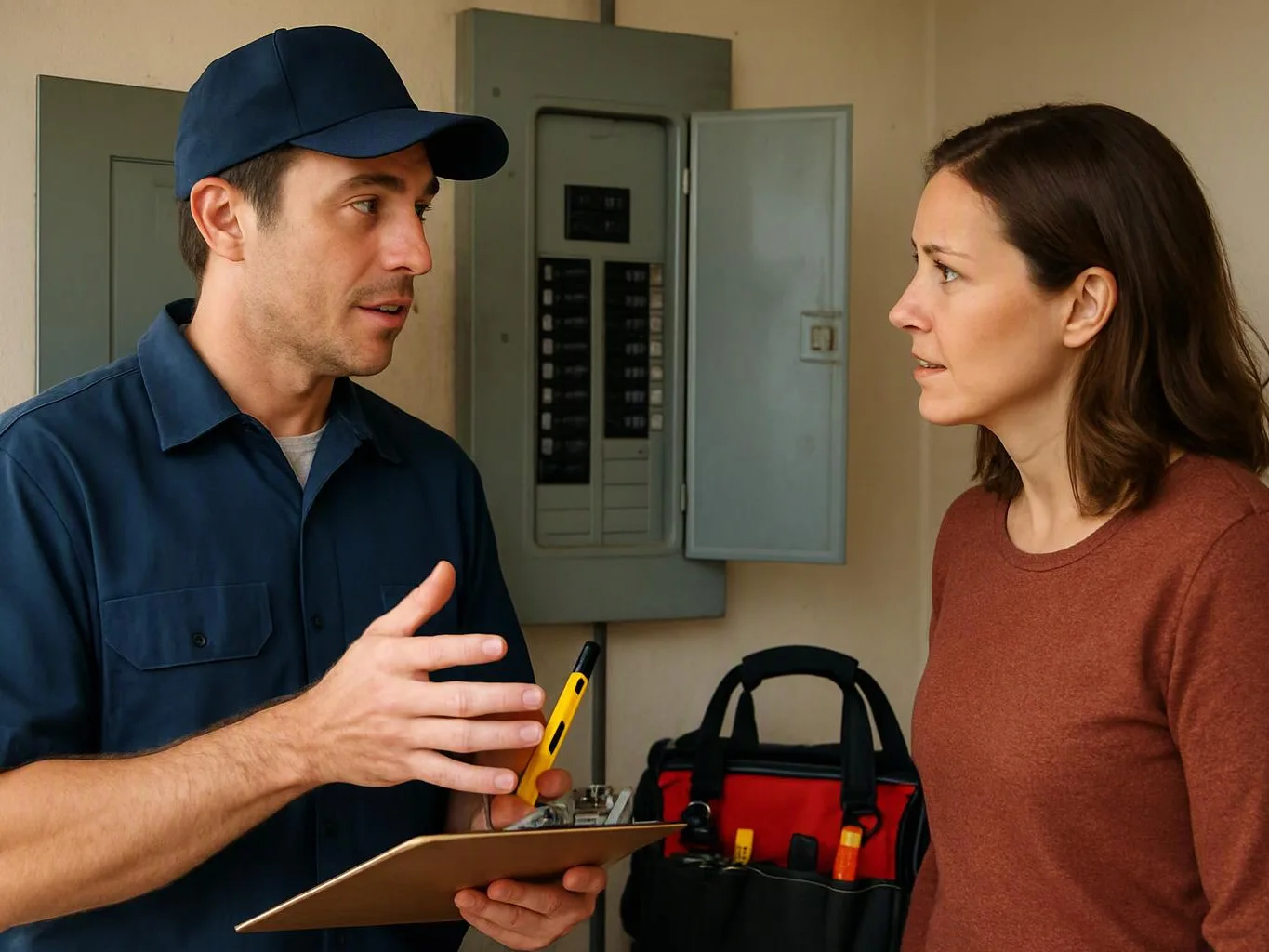
The visit moves from symptom review to inspection, testing, diagnosis, and a written or spoken repair scope. We start with the affected area and panel, then use voltage testing, circuit tracing, or continuity checks as needed. The final step is a clear choice between repair, replacement, further assessment, or another service.