How can I tell whether an overheating plug needs EV charger repair?
An overheating plug needs repair assessment when it feels hot, smells burnt, shows dark marks, or stops charging. Toledo Electrician inspects the plug, cable, outlet, connections, breaker, and circuit. Stop using the charger if heat, smoke, sparks, or visible damage appears. Continued use can worsen a loose connection or damaged part.
What part of the property decides the repair scope?
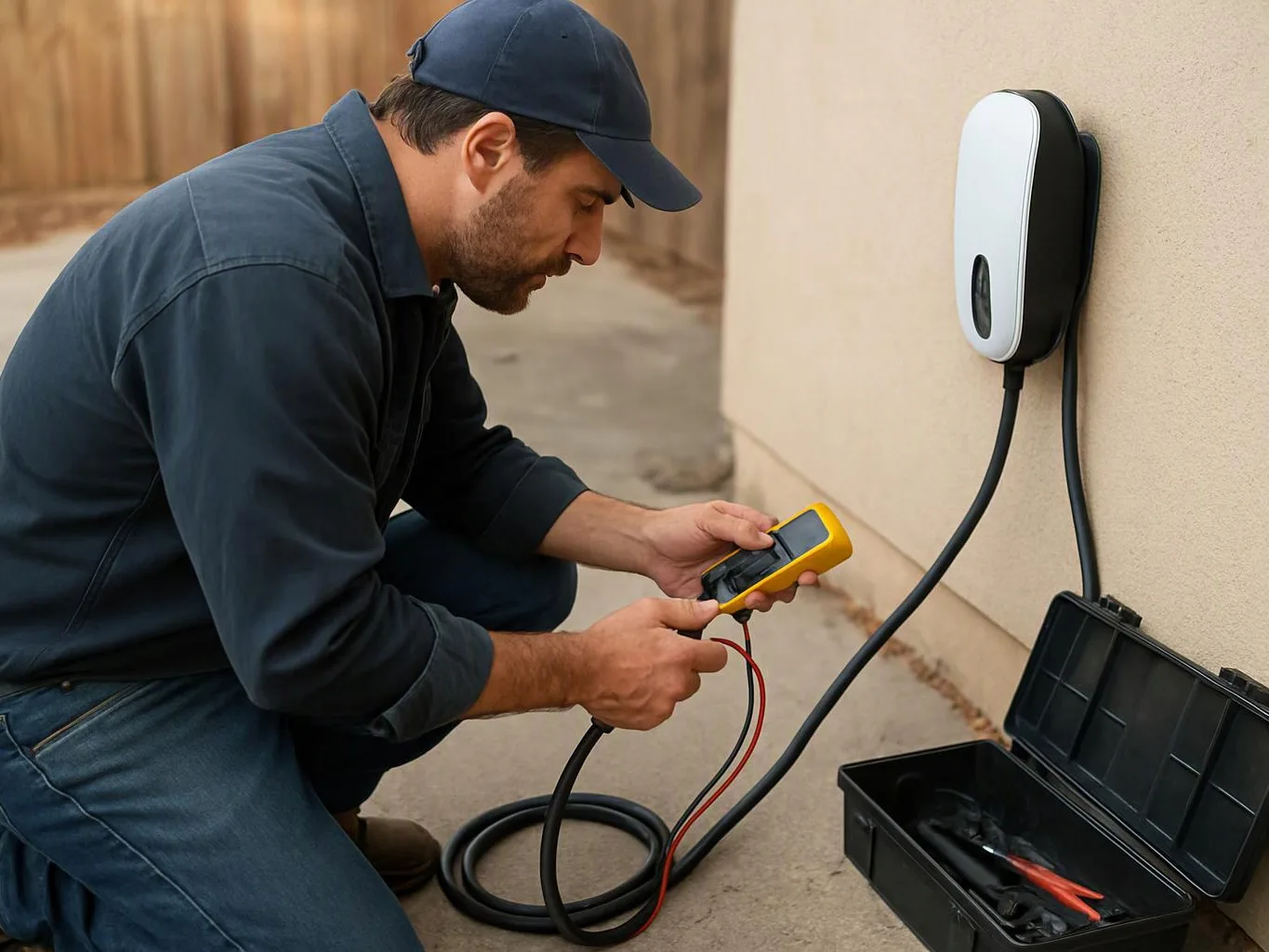
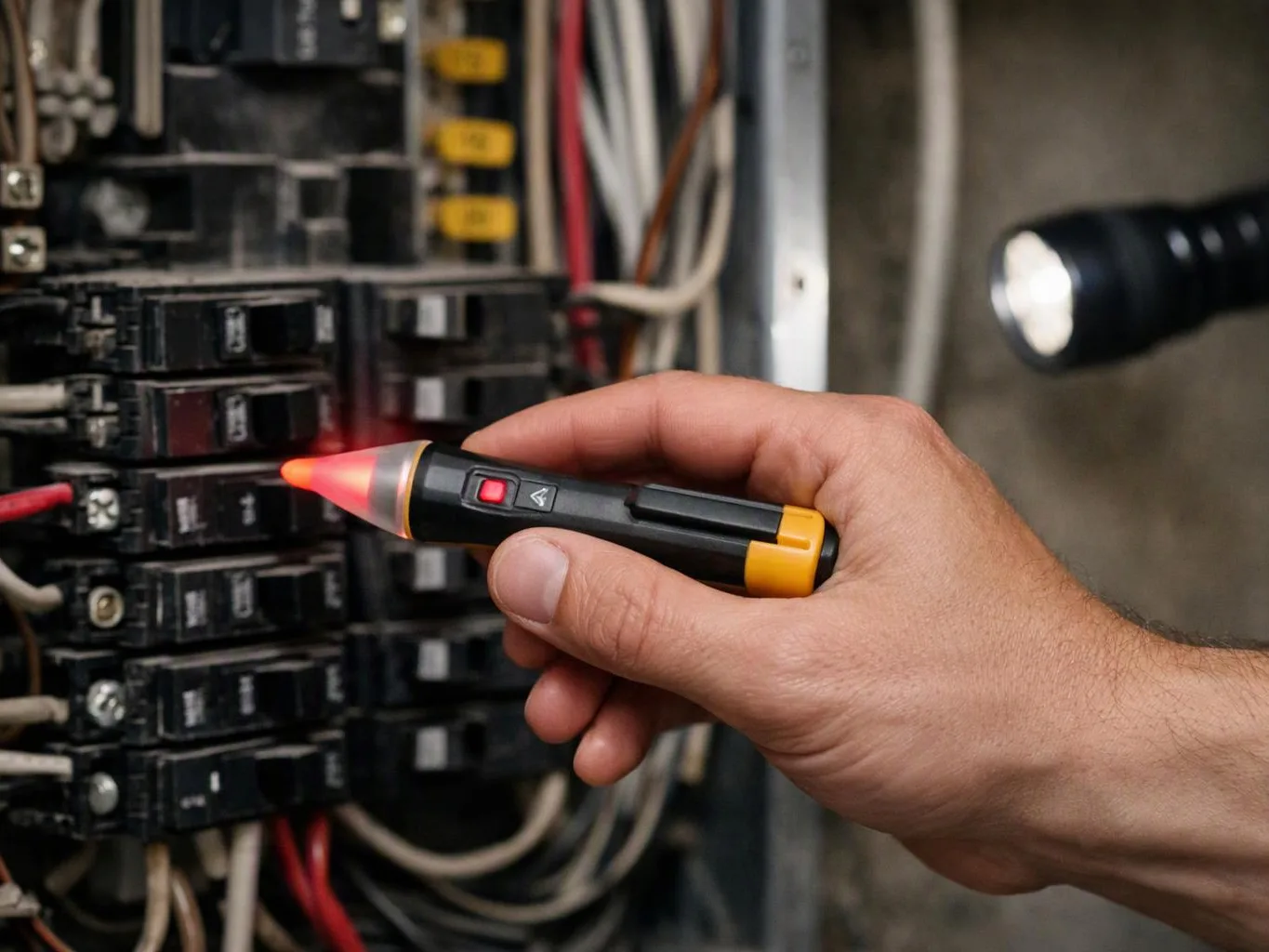
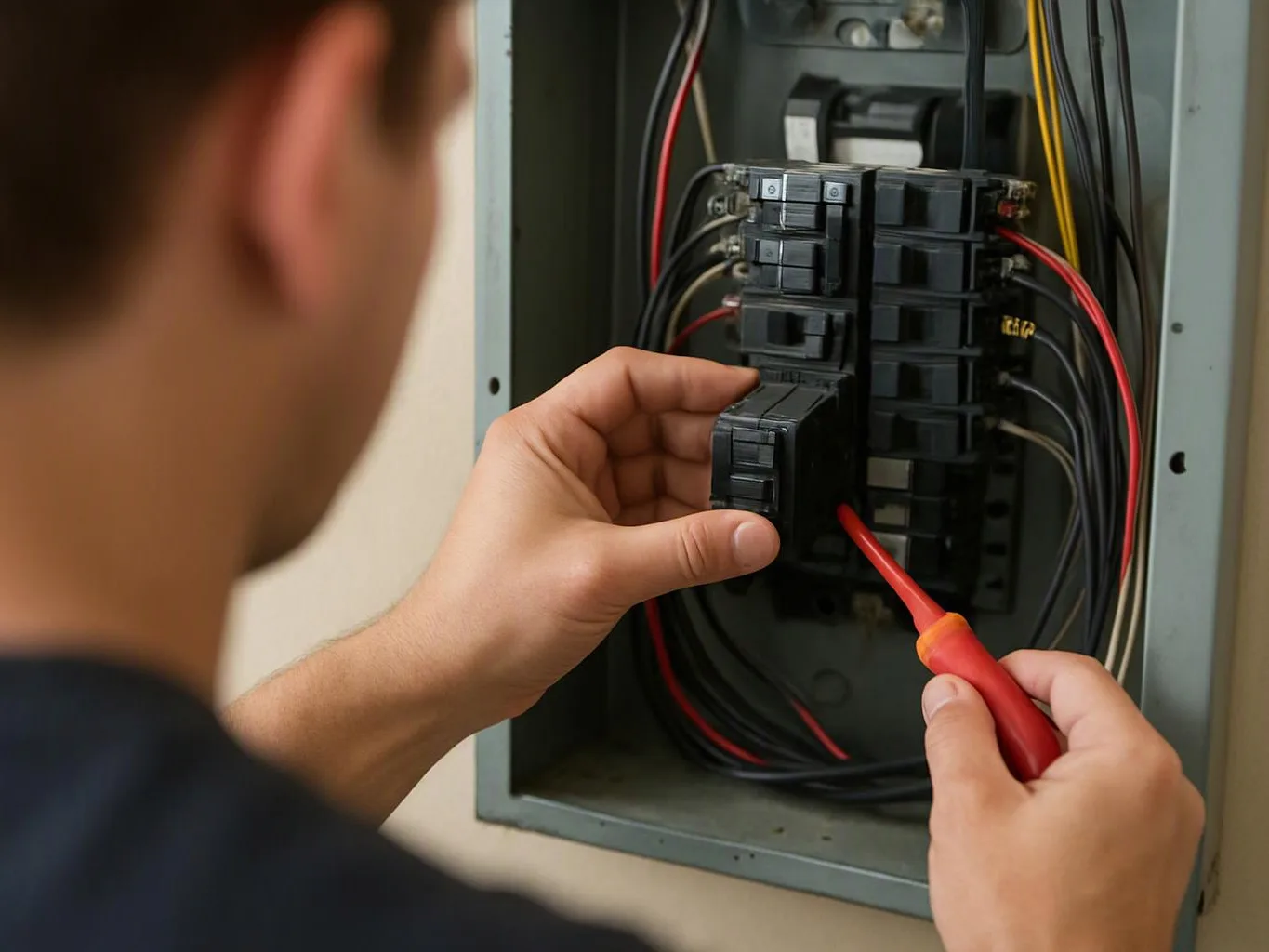
The electrical path from the charger to the panel usually sets the repair scope. We check the charger, outlet, branch circuit, breaker, panel connection, and available capacity. A damaged outlet may need a focused repair, while an overloaded circuit may call for circuit work or a load calculation.
Which material changes how EV charger repair work is handled?
The wiring material and condition affect how we handle the repair. Copper conductors, aluminum wiring, damaged insulation, and loose terminals require different checks and connection methods. We inspect the actual wiring before choosing the repair. The charger itself may also need testing if the circuit passes inspection.
When does reduced charging point to an electrical fault?
Reduced charging points to an electrical fault when the change repeats, follows an error code, or occurs with breaker activity. We compare charger behavior with outlet voltage, circuit connections, and panel operation. A vehicle fault remains possible, so the charging equipment and property wiring must be checked separately.
Why does an EV charger lose power during charging?
Power interruption can result from a tripped breaker, loose connection, damaged outlet, charger fault, or circuit overload. We trace the charging circuit and test the related electrical parts. Repeated trips need an electrical assessment, and the charger should remain off if the outlet smells burnt or shows heat damage.
How does a load calculation help with charger repair?
A load calculation shows whether the property can support the charger alongside its other electrical loads. We use it when circuit capacity or panel demand may be part of the fault. The result can guide circuit repair, a panel upgrade, or a separate installation scope.
What should I provide before an EV charger assessment?
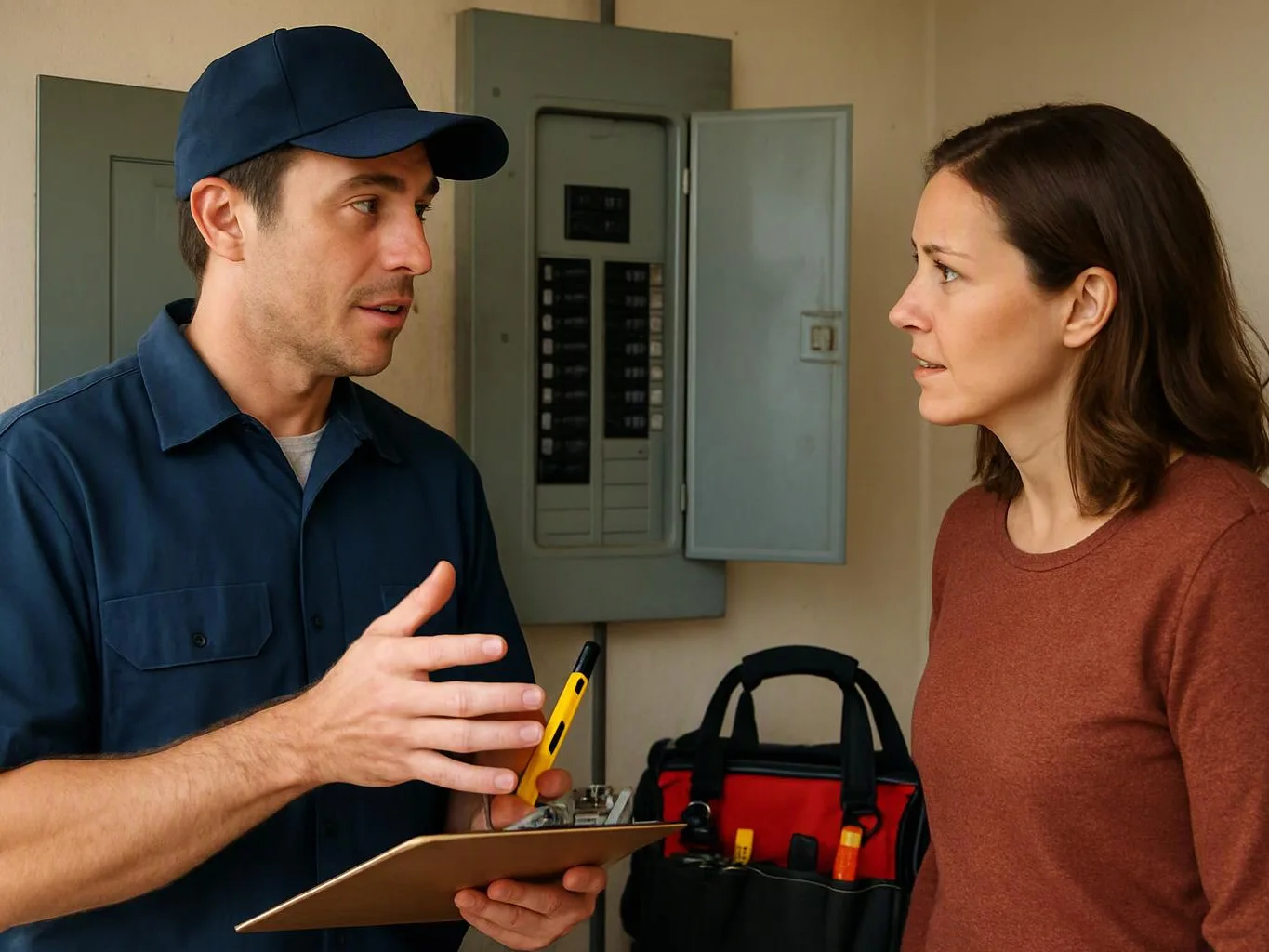
The charger model, error code, symptom, breaker activity, and photos of visible damage help start the assessment. Keep the charger, outlet, panel, and wiring accessible. Do not remove covers or reset a breaker repeatedly when heat, smoke, sparks, or a burning smell is present.