How can I tell whether an EV charger needs repair?
An overheating plug, repeated error code, reduced charging, or power interruption indicates that the charger needs a fault check. Toledo Electrician inspects the plug, receptacle, cable, breaker, and circuit. Stop charging if heat, smoke, sparks, or a burning smell appears. A visible symptom doesn't identify the failed part by itself.
What does the crew look at first during charger repair?
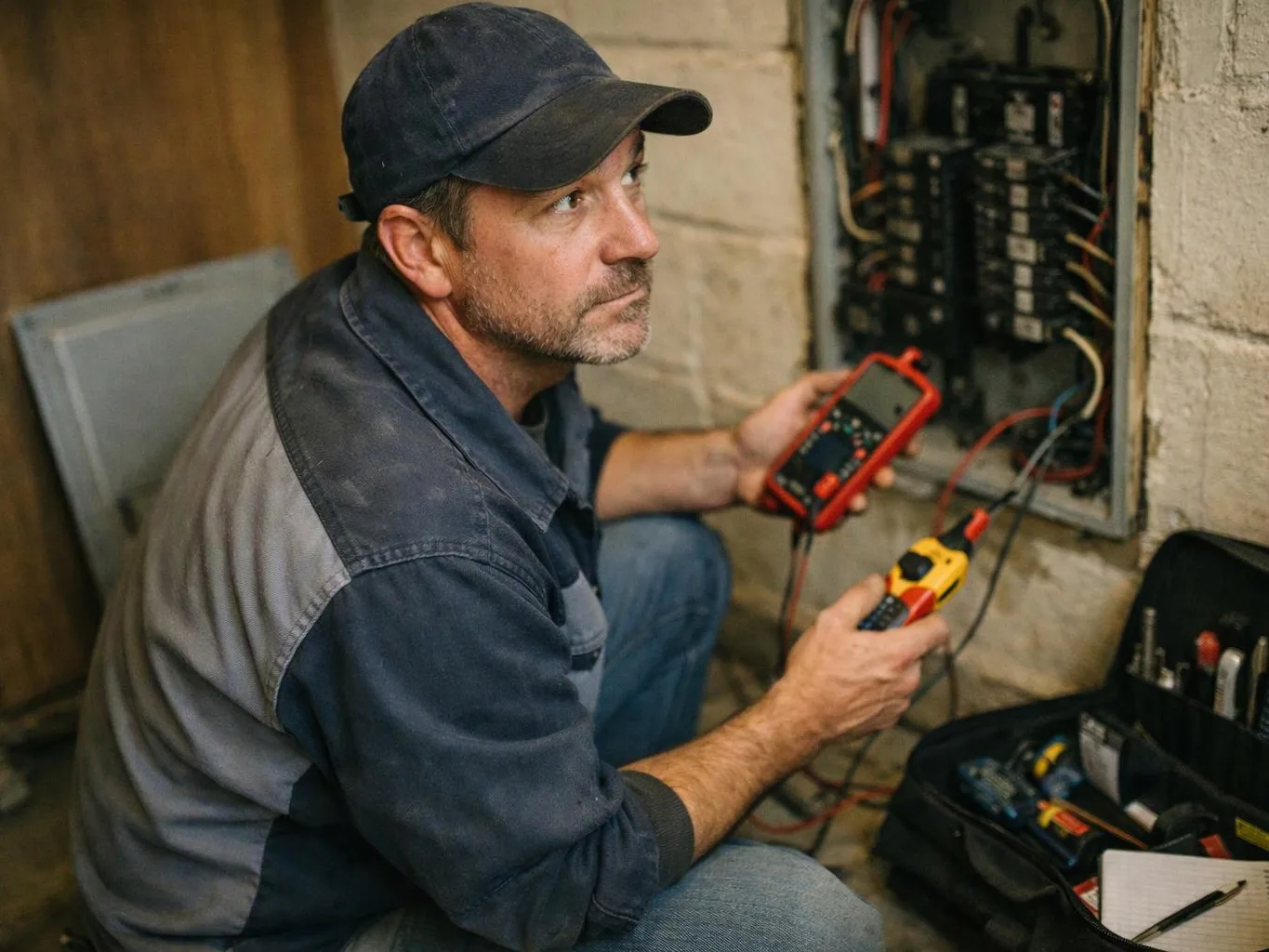
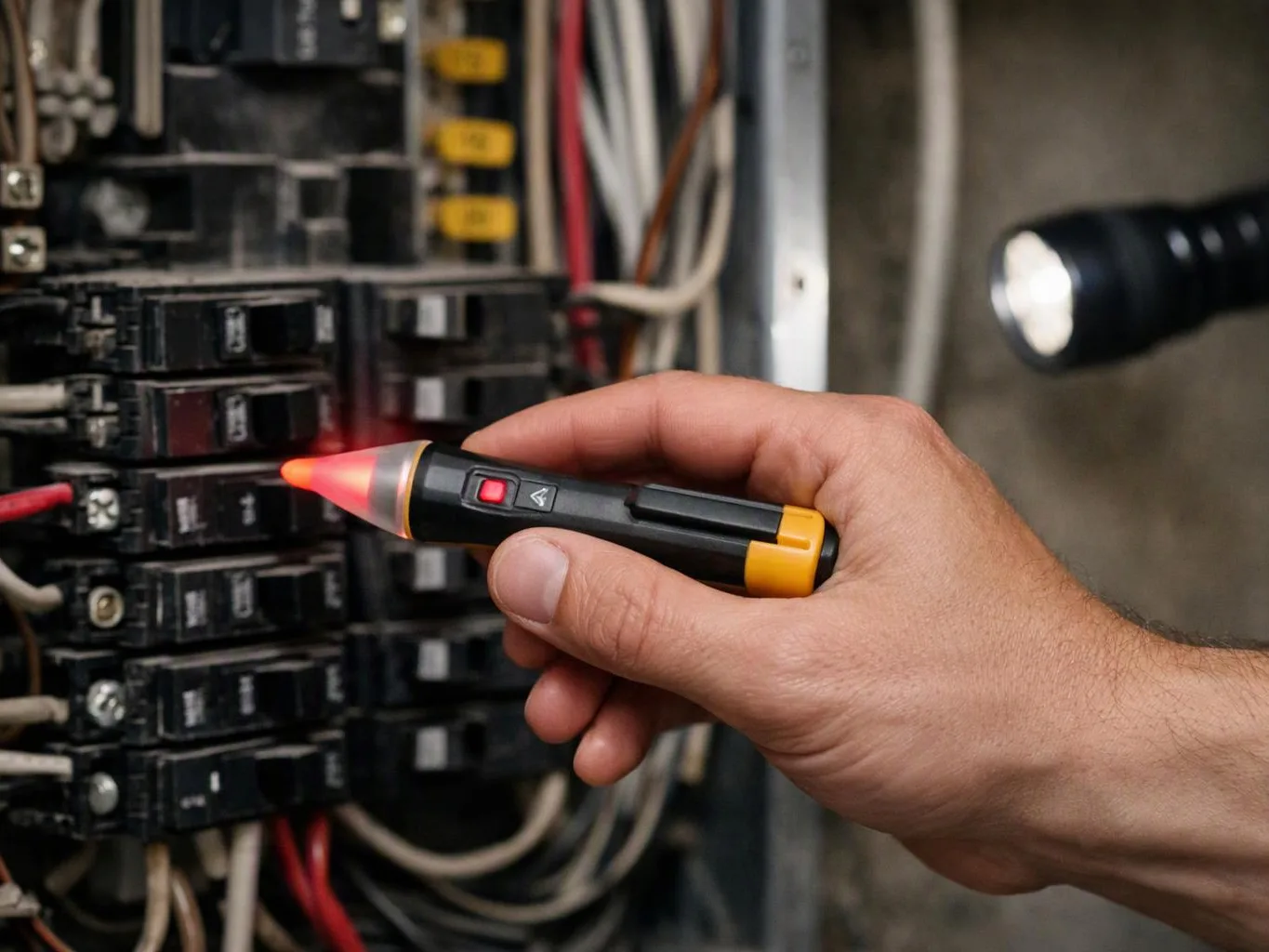
The first check covers the charger display, plug, cable, receptacle, and breaker. We look for heat marks, loose terminals, damaged insulation, and signs of arcing. Circuit testing follows the visual check, so the repair plan reflects both the equipment symptom and the electrical supply.
What should be checked before charger repair is scheduled?
The charger model, error message, plug condition, breaker behavior, and recent charging changes should be recorded first. Photos of the charger and receptacle can help describe the issue. Keep the equipment disconnected when heat or burning odor is present, and make sure the electrical panel is accessible for testing.
Who is a good fit for EV charger repair, and who needs a different service?
Existing charger owners with charging faults, power loss, error codes, or circuit concerns are good fits for repair. Toledo Electrician handles residential and commercial electrical work. A new charger location, new branch circuit, service entrance upgrade, or added capacity calls for an installation or electrical upgrade assessment.
Which charger problem changes the repair scope most?
A failed charger part and a damaged supply circuit create different repair scopes. We test the receptacle, breaker, conductors, grounding path, and charger before choosing the work. Circuit access, visible heat damage, and the need for replacement parts also shape the estimate.
Why does charging stop after an error code appears?
An error code tells the charger to stop, but it doesn't identify the failed component by itself. We compare the code with voltage tests, plug condition, breaker status, and circuit connections. This check separates a charger fault from a power supply problem and guides the repair decision.
When should a charger problem become an urgent electrical call?
Sparks, smoke, a burning smell, a buzzing panel, or a hot plug make the problem urgent. Disconnect the charger if it is safe and avoid resetting a breaker repeatedly. Toledo Electrician checks the affected equipment and circuit, then explains whether repair or further electrical work is needed.