Can an EV charger be repaired after water exposure?
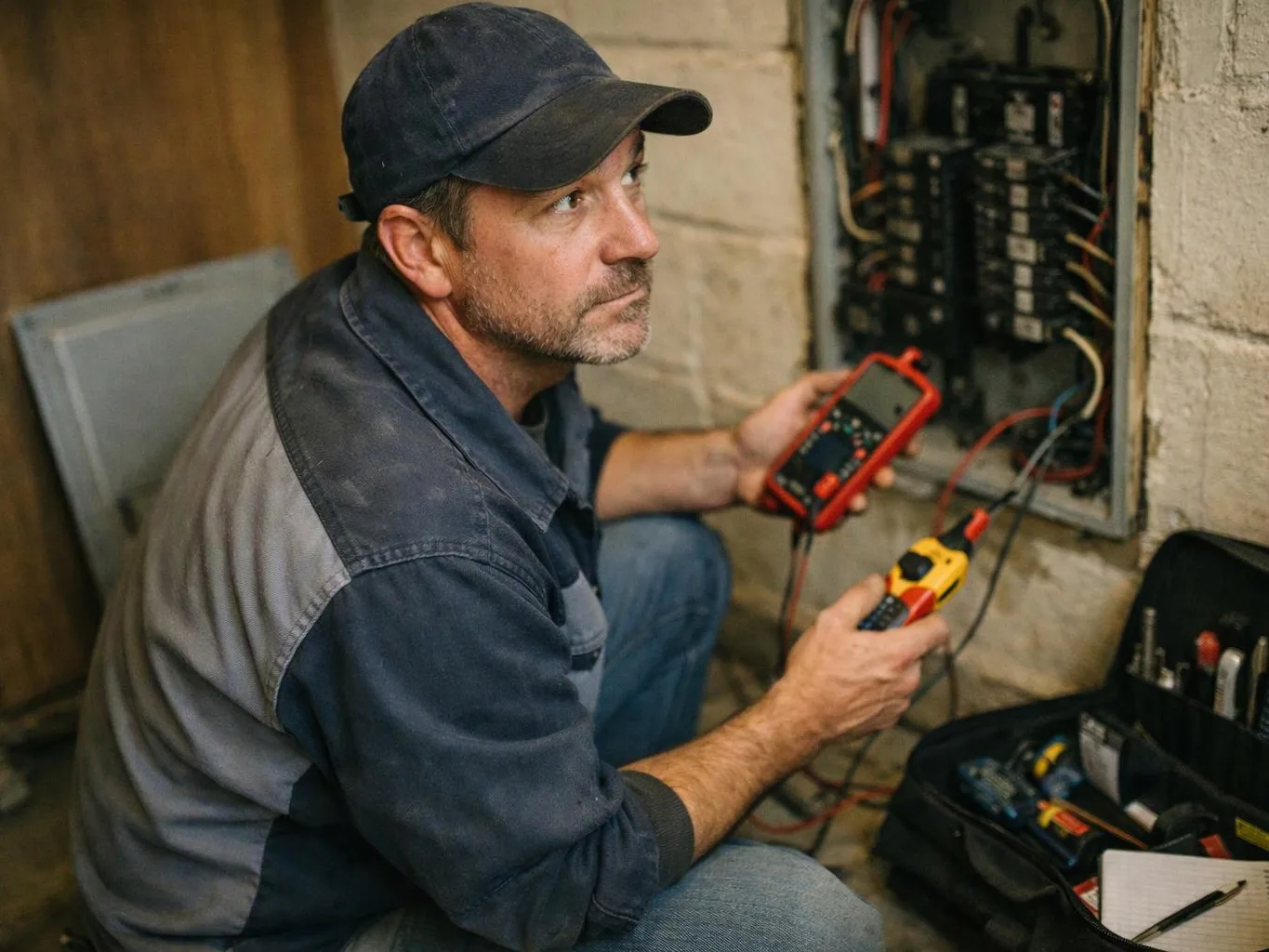
Insulation testing decides whether water-damaged charger parts can be repaired safely. Toledo Electrician checks the enclosure, contacts, wiring, and grounding before recommending repair or replacement. Keep the charger off until testing is complete. Water can leave hidden damage even when the outside looks dry.
How is charger repair matched to the property before work starts?
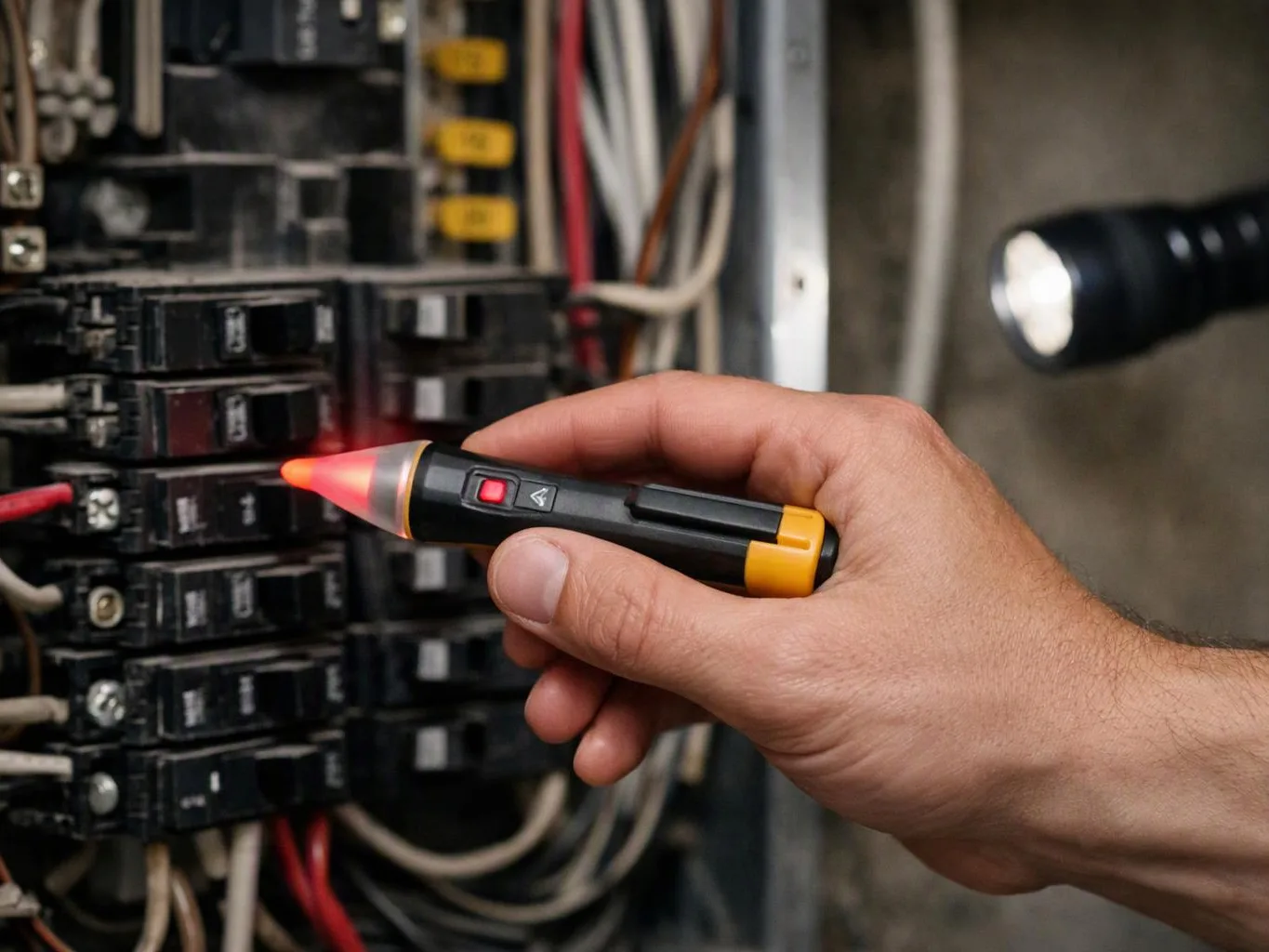
The property’s panel, branch circuit, charger location, and access points shape the repair plan. We trace the supply circuit and inspect its connection before setting the work scope. Residential and commercial properties may need different access steps, but the same safety checks guide the diagnosis.
What should be ready before charger repair starts?
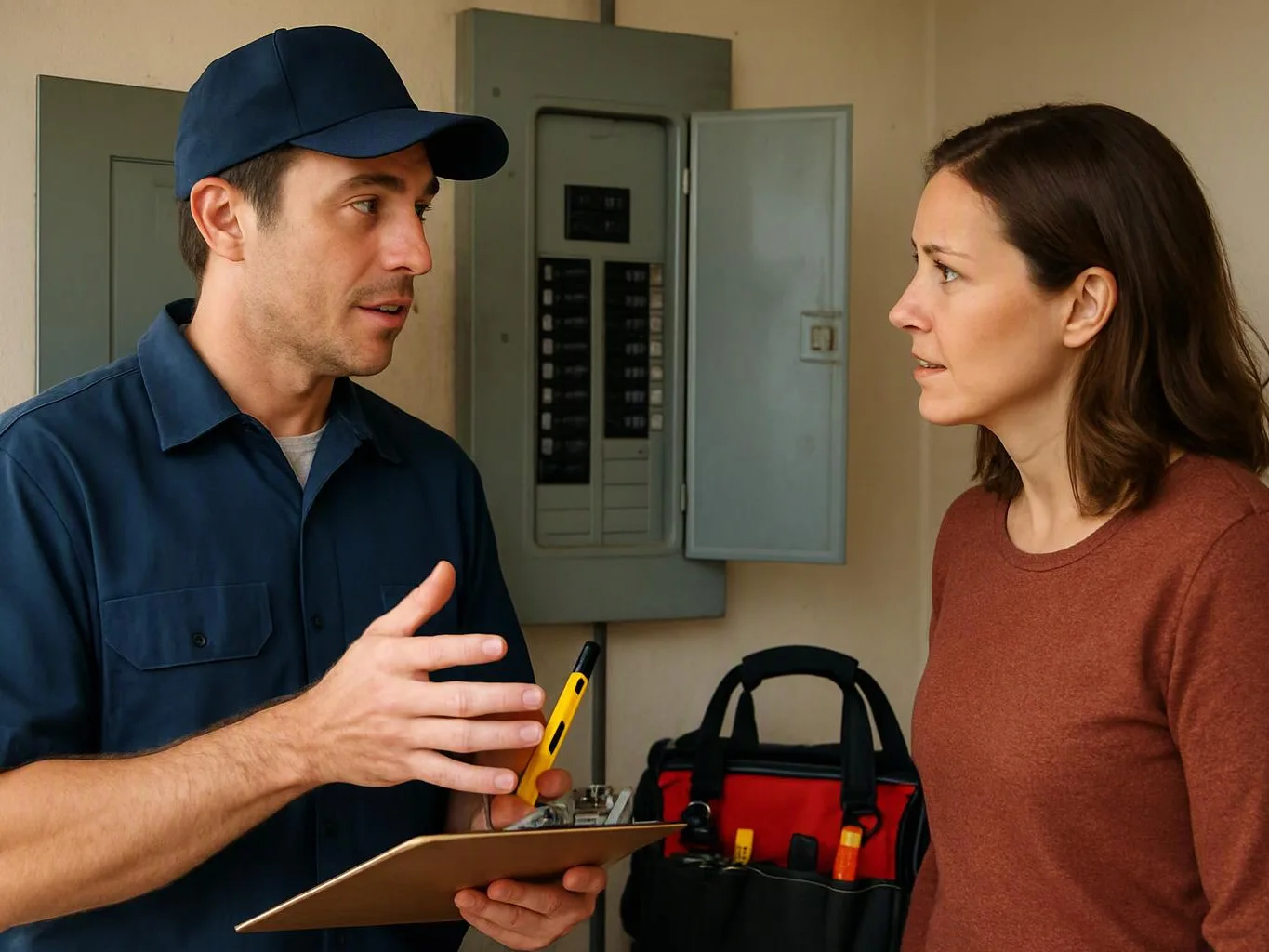
Access to the charger, disconnect, and electrical panel helps the inspection start safely. Please note any fault message, breaker trip, water exposure, or burning smell. Photos can help explain the issue, but they do not replace hands-on testing of the enclosure and wiring.
Which charger parts need inspection after moisture enters the enclosure?
The enclosure seal, cable entry, contacts, terminals, and insulation need inspection after moisture enters the unit. Corroded contacts can create poor charging or heat. Our team checks the connected circuit too, because water damage may affect more than the charger housing.
When should a charger fault become an urgent electrical call?
Sparking, a burning smell, heat, or repeated breaker trips makes the fault urgent. Turn off the charger if it is safe to do so and keep people away from damaged parts. Emergency electrical service is available for urgent electrical problems that need prompt attention.
What should a customer ask before agreeing to charger repair?
Ask which part failed, what testing found, and whether the supply circuit also needs work. A useful repair explanation should identify the damaged contact, seal, wiring, or enclosure. We explain the repair scope and provide a free estimate when the required work is clear.
Why might charger repair require work outside the charger?
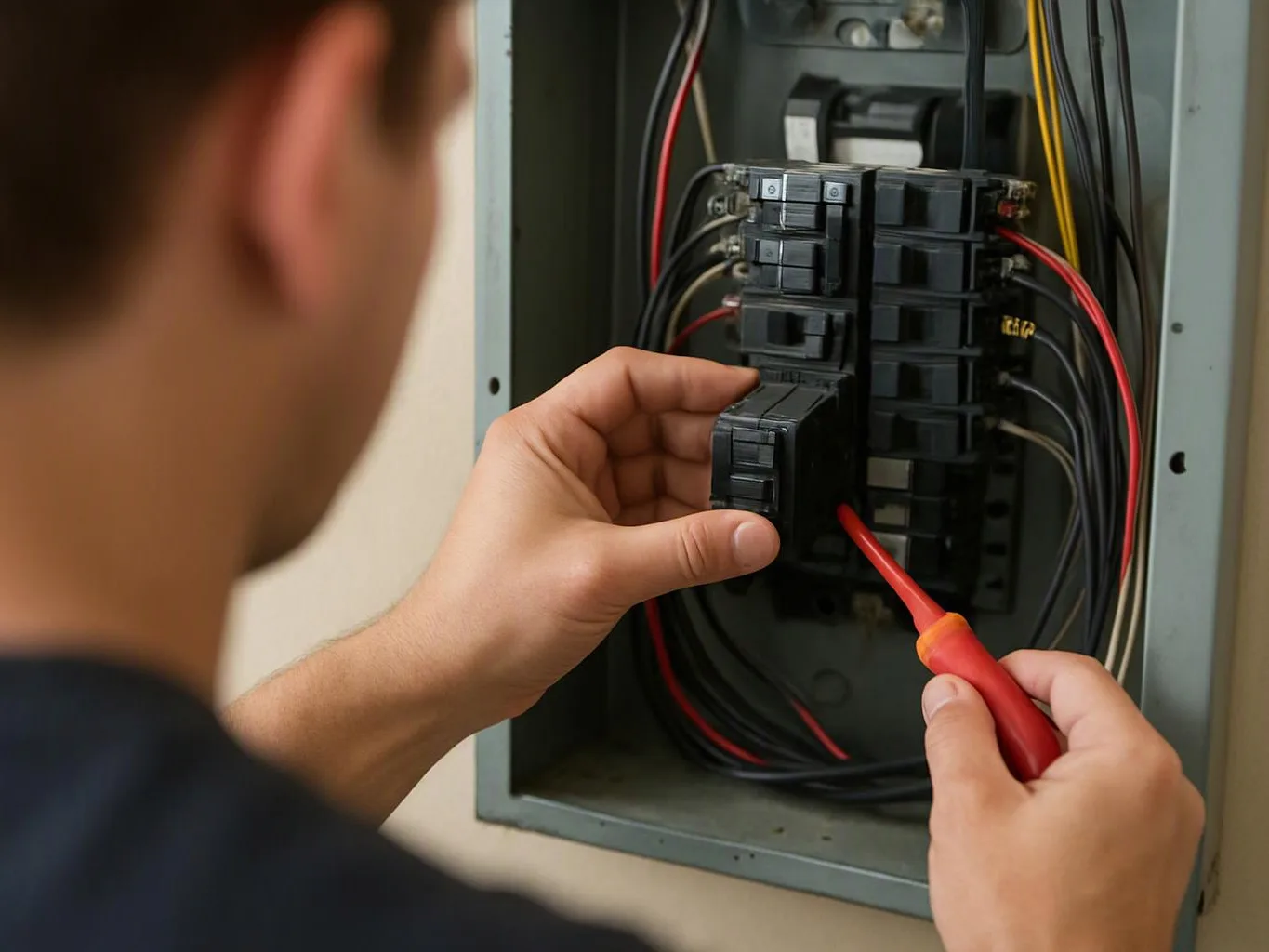
A charger fault may come from the breaker, outlet, branch circuit, or supply wiring. Circuit tracing separates those causes from damage inside the charger. We address the part of the electrical system that testing identifies, so a charger repair request does not hide a wider wiring problem.