How can I tell whether an EV charger needs repair?
Reduced charging, repeated error codes, plug heat, and power interruptions show that an EV charger needs inspection. Toledo Electrician checks the charger, outlet, breaker, wiring, and connection. Stop using the equipment if you notice sparking, a burning smell, or a hot plug. Those signs can point to an electrical safety hazard.
What does the crew look at first during charger repair?
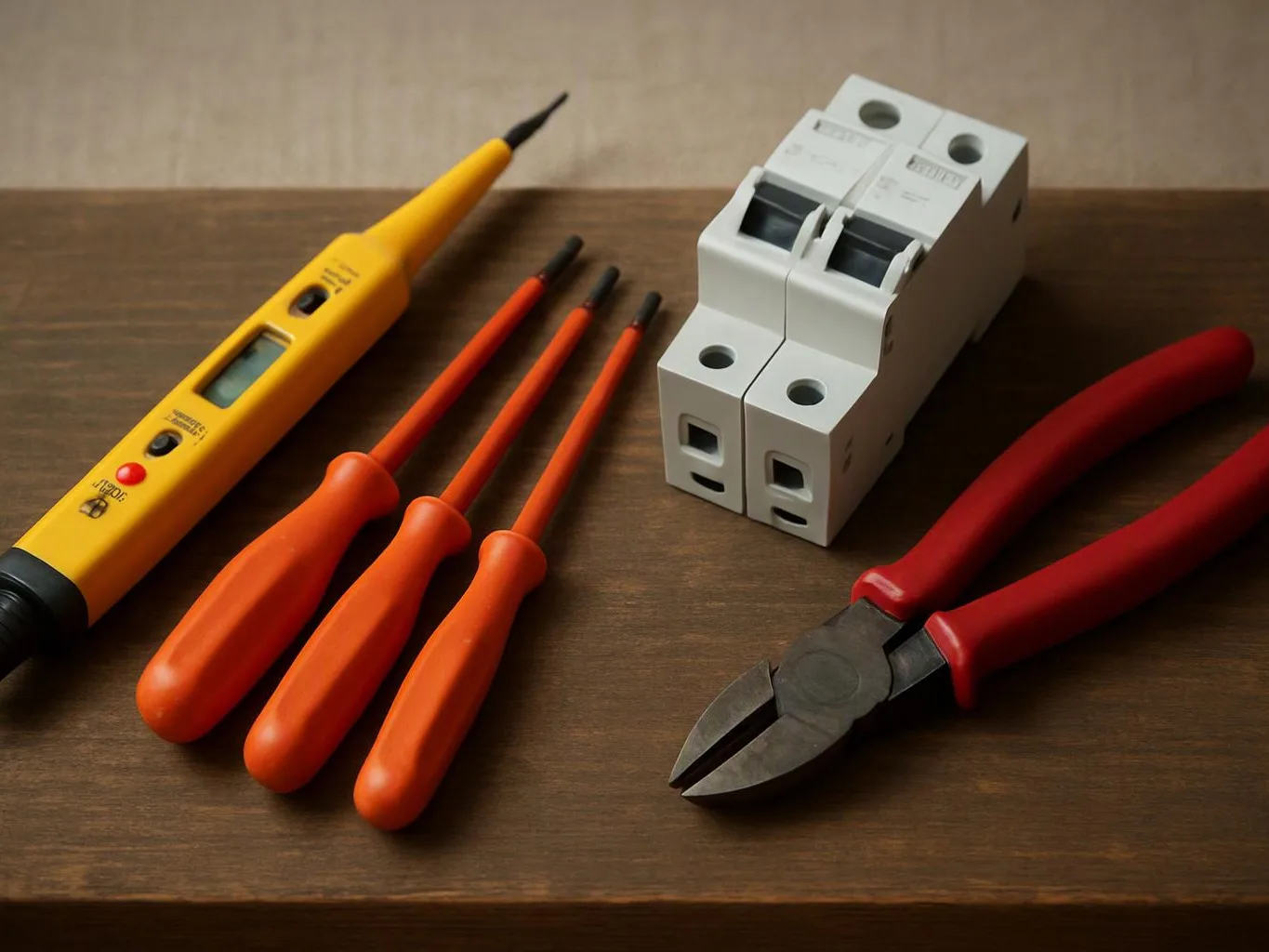
The charger display, plug, outlet, and breaker provide the first clues. We note the reported symptom and inspect visible damage before tracing the circuit. Error codes help narrow the fault, but testing still must confirm whether the charger, receptacle, wiring, or breaker caused the problem.
Who is a good fit for EV charger repair, and who needs a different service?
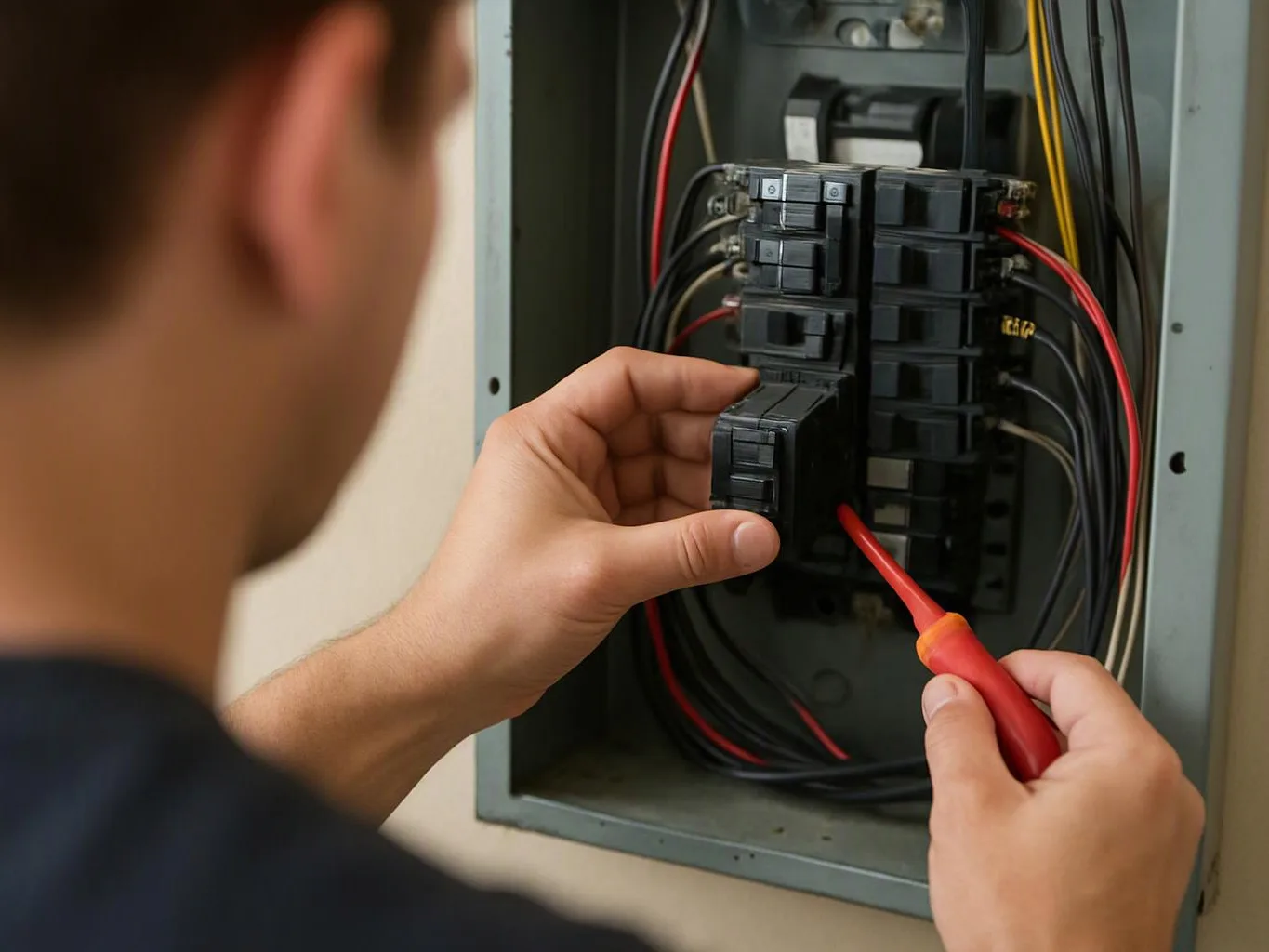
EV charger repair fits owners with an existing charger that charges slowly, stops, shows an error, or loses power. A new charger or new charging circuit calls for installation work. Panel capacity concerns may require a panel upgrade, while damaged house wiring may need separate electrical repair.
What happens at each stage of charger repair?
Charger repair follows a clear sequence from symptom review to final testing.
- We record the charging problem and any error code.
- We inspect the charger, plug, outlet, breaker, and visible wiring.
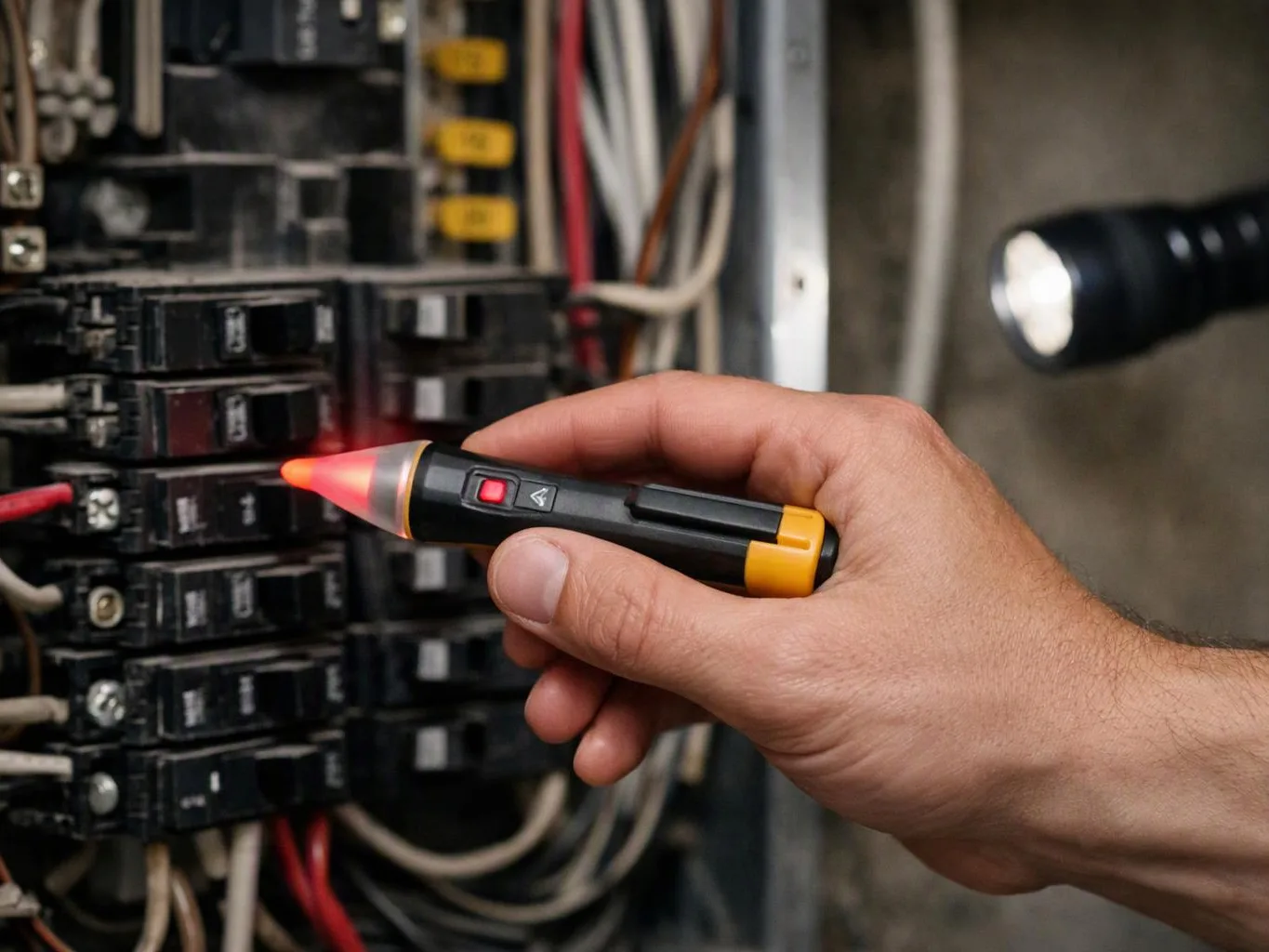
- We trace and test the circuit.
- We explain the repair scope and verify the repaired connection.
Which part of the job changes the repair price?
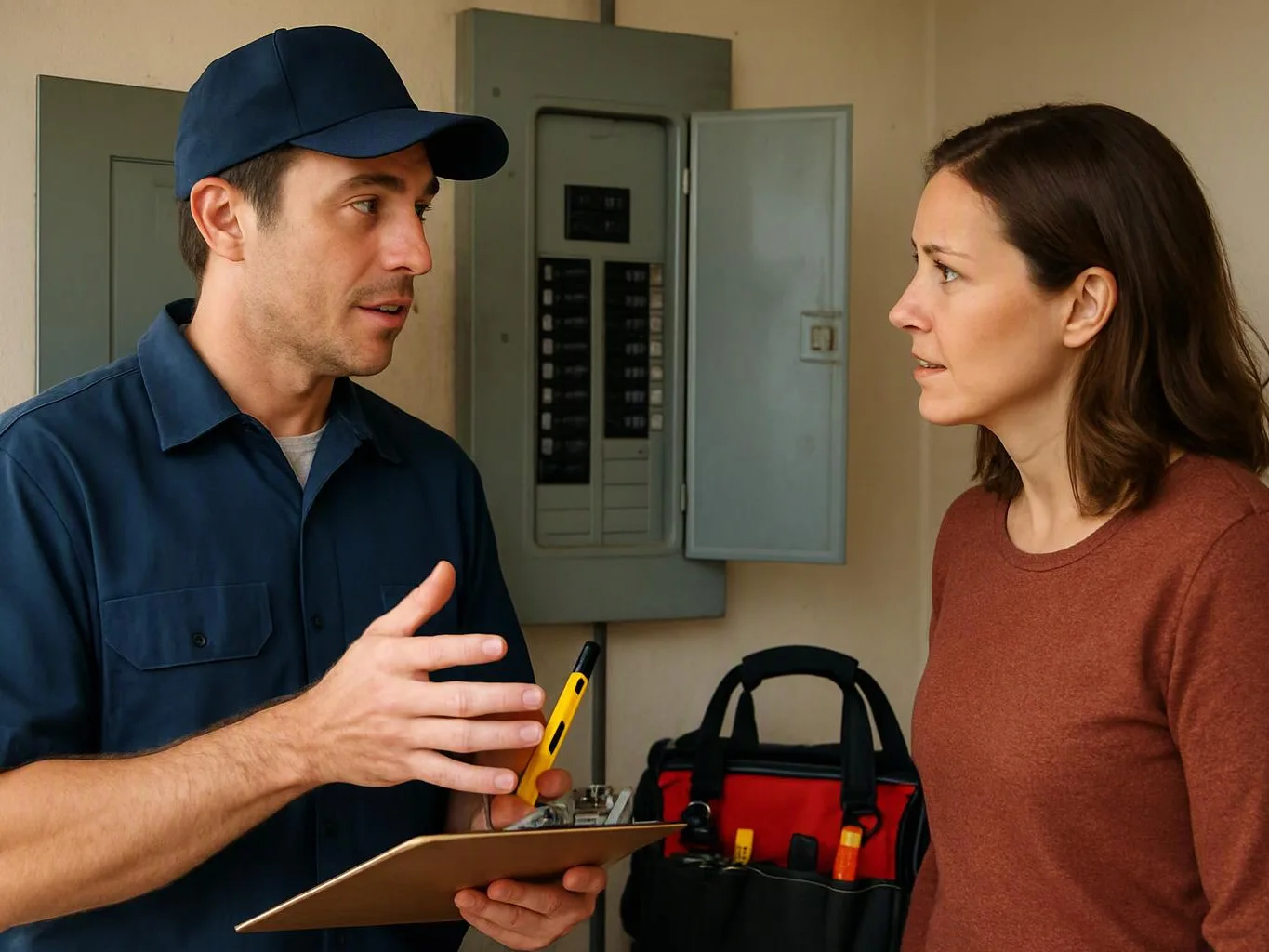
The fault location, circuit condition, access, and needed parts change the repair price. A charger-only fault differs from a damaged receptacle or wiring problem. We inspect the electrical path and provide a free estimate based on the actual scope, not a guessed repair list.
Why does a charger show an error code after power returns?
A power interruption can leave a charger fault active after electricity returns. We check the error code, breaker, outlet, wiring, and charger connection to find the cause. Repeated resets do not replace testing, especially when the charger also shows heat, buzzing, or visible damage.
When should I stop using an EV charger before repair?
Stop using the charger when the plug is hot, the outlet sparks, or you smell burning. We inspect the charger and circuit for unsafe heat, loose connections, and damaged wiring. Keep people away from visibly damaged equipment and tell us what happened before service begins.