Questions about standby generator maintenance
How is generator maintenance matched to the property before work starts?
The property load and generator use guide the maintenance plan. Customers share the equipment supported, fuel type, run history, warning signs, and access details. We use that information to focus the inspection on the starting system, service parts, fuel path, and electrical connections.
What should be ready before generator maintenance starts?
Generator access, recent warning messages, service records, and known fuel details help the inspection start smoothly. Customers should keep the unit area accessible and avoid opening electrical covers. We review the available information, inspect the generator, and explain any added access or repair needs.
Which generator parts can change the maintenance scope?
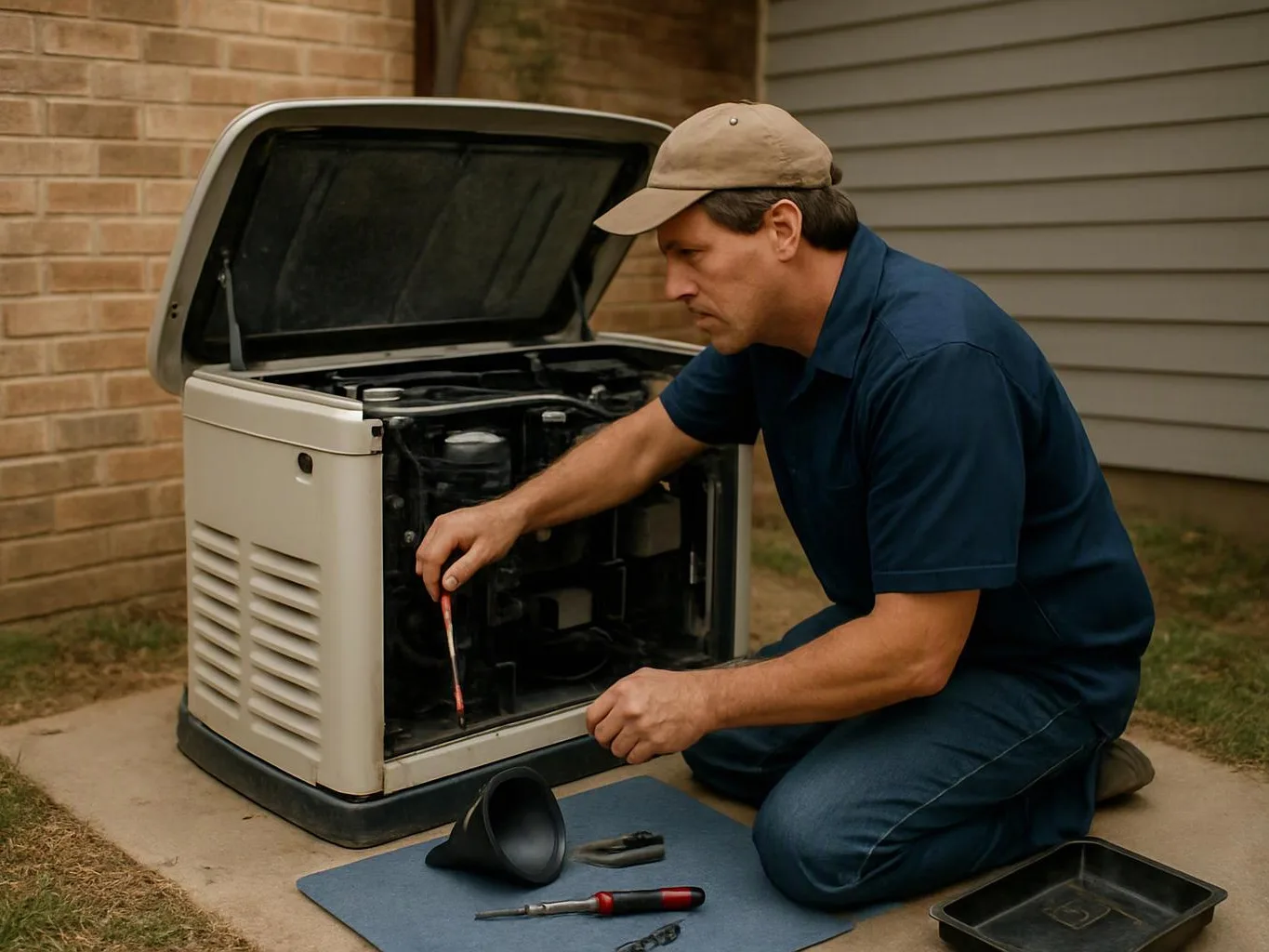
The battery, oil system, air filter, fuel system, controls, and electrical connections can change the service scope. A weak battery may need a different next step from a fuel problem or wiring fault. We identify the affected part and separate routine care from repair work.
When should a customer request generator maintenance?
A customer should request maintenance when a standby unit starts slowly, shows a warning, runs unevenly, or has been unused for a long period. Customers in Haskins can request an assessment before the generator is needed. We check the symptom and inspect related parts before giving a service recommendation.
What should a customer ask before agreeing to generator maintenance?
Customers should ask which parts will be checked, what findings require repair, and what the estimate includes. A useful discussion covers the battery, oil, air filter, fuel system, controls, and electrical connections. We explain the scope in plain language before added work begins.
Can generator maintenance address an electrical fault?
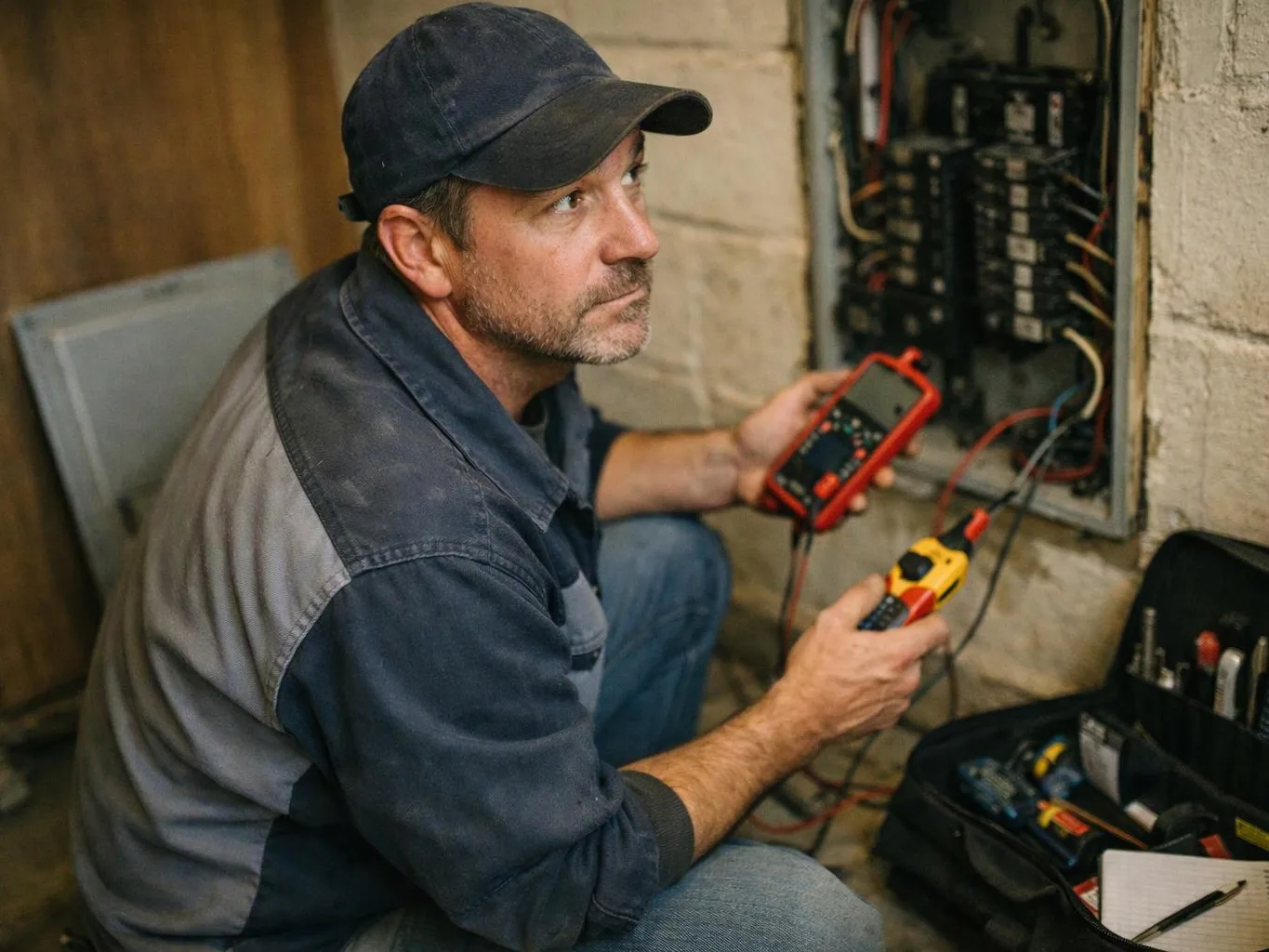
Generator maintenance can identify an electrical fault, but an active fault may require separate repair work. We inspect visible wiring, controls, connections, and the starting circuit. A burning smell, sparking connection, or repeated electrical failure needs prompt attention and should not be handled as routine care alone.