How are recurring electrical problems diagnosed?
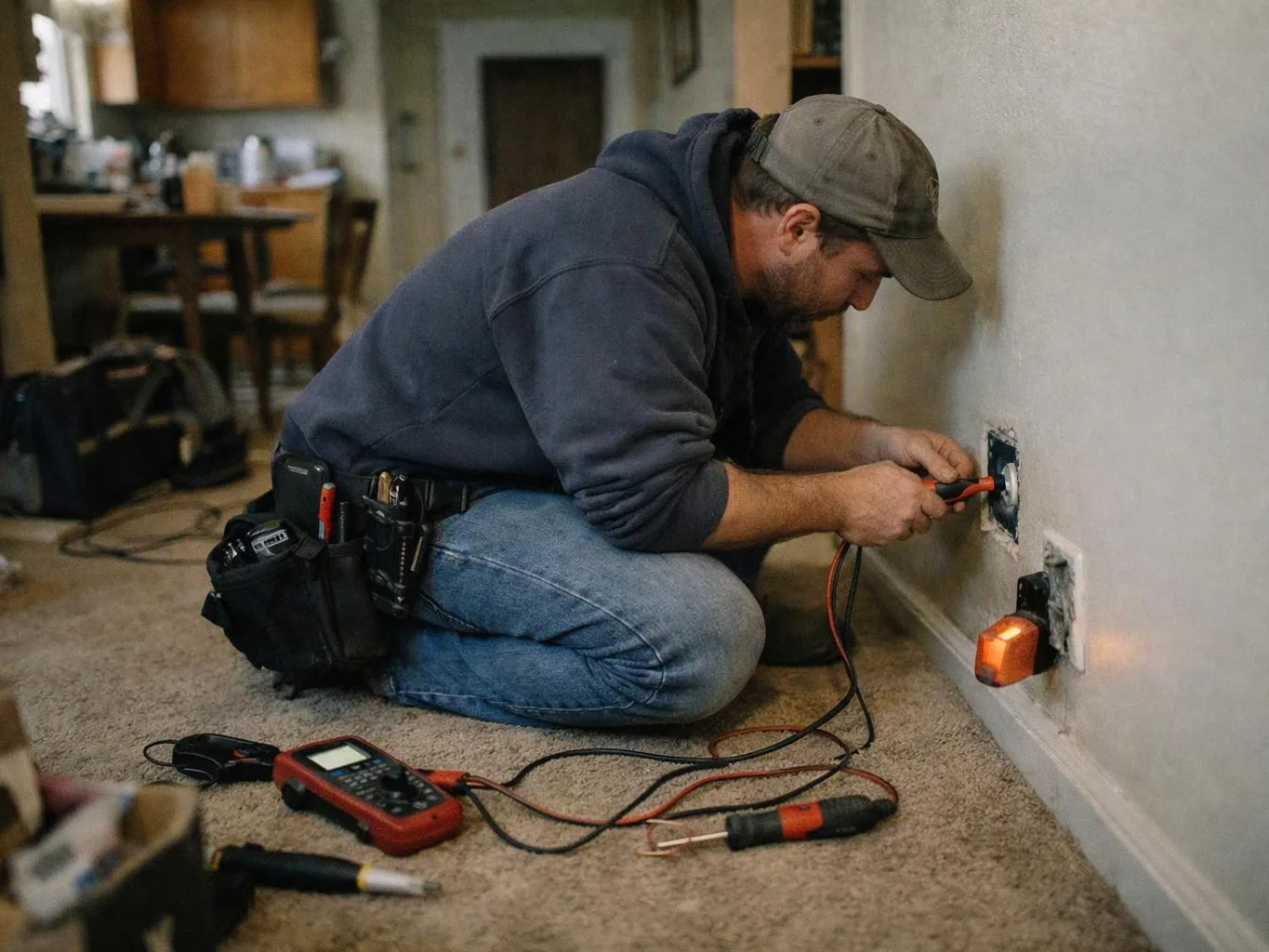
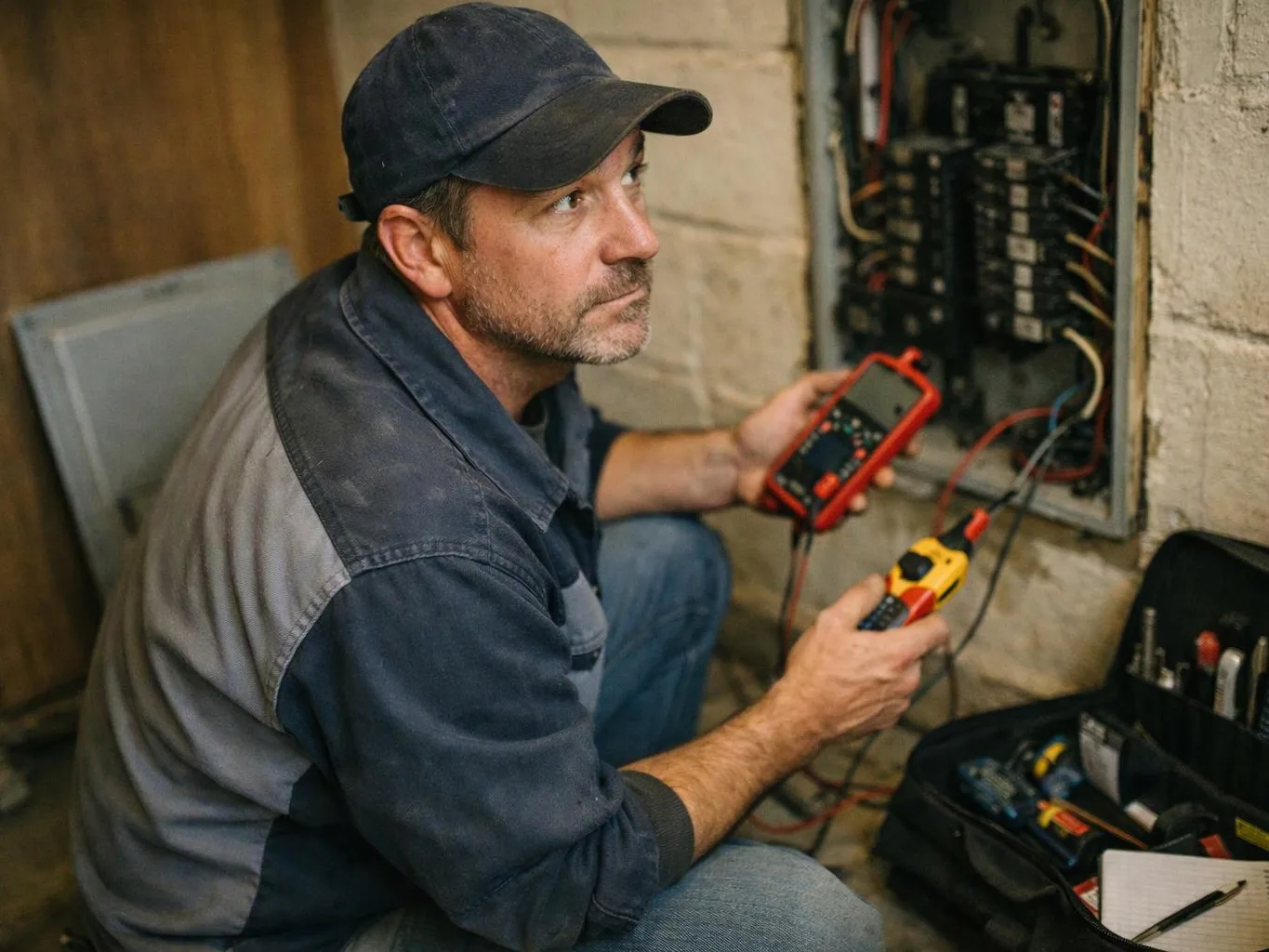
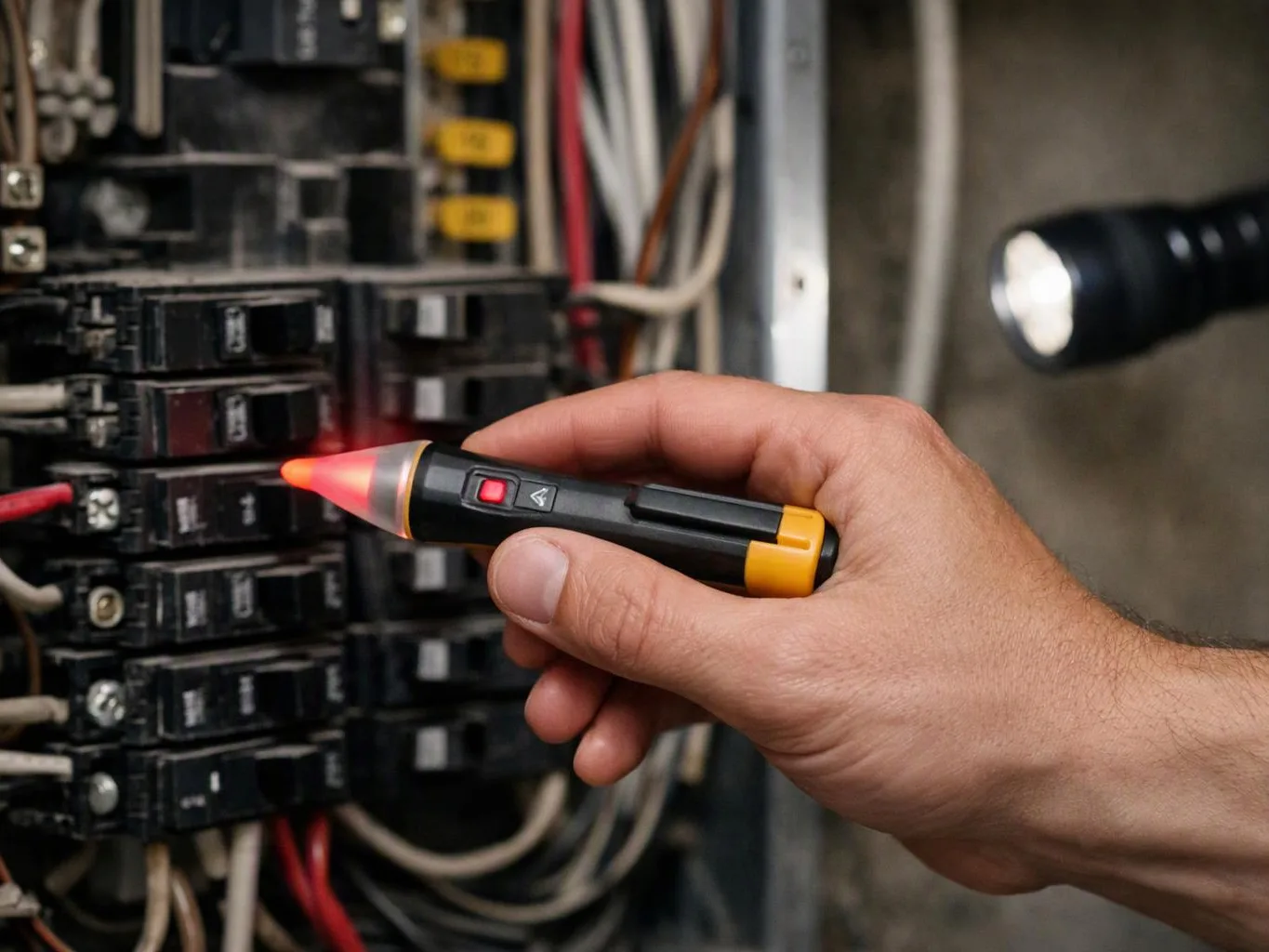
Thermal scanning helps identify heat linked to loose connections, overloaded circuits, or failing electrical parts. Toledo Electrician then uses voltage testing, continuity testing, and circuit mapping to follow the fault. The first step is to record the symptom and affected circuit. We explain whether the evidence supports a repair, panel work, rewiring, or another inspection.
What should I do before reporting a sparking outlet or burning smell?
A sparking outlet or burning smell requires immediate safe action. Turn off the affected circuit if you can do so without approaching heat or sparks, and stop using the outlet. Do not remove the cover or handle damaged wiring. Our emergency electrical service can assess the hazard, isolate the circuit, and explain the repair scope.
Which part of the property decides the troubleshooting scope?
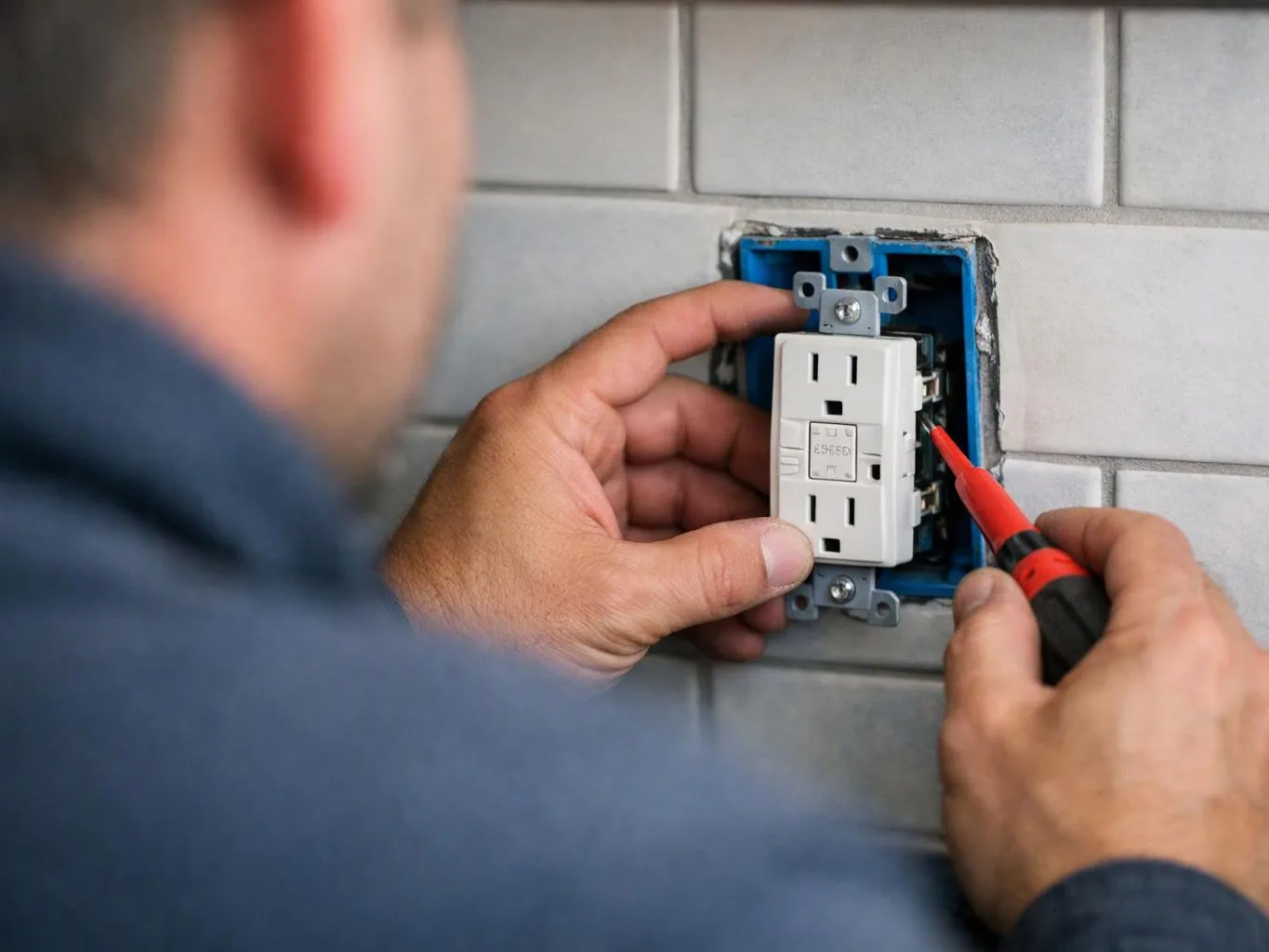
The affected circuit and its connected load decide most of the troubleshooting scope. The panel, branch wiring, outlets, switches, and equipment each provide different clues. We also consider access to junction points and whether the fault appears under load. A single outlet may need a focused repair, while repeated panel trips can point to broader circuit work.
When does troubleshooting become a panel upgrade?
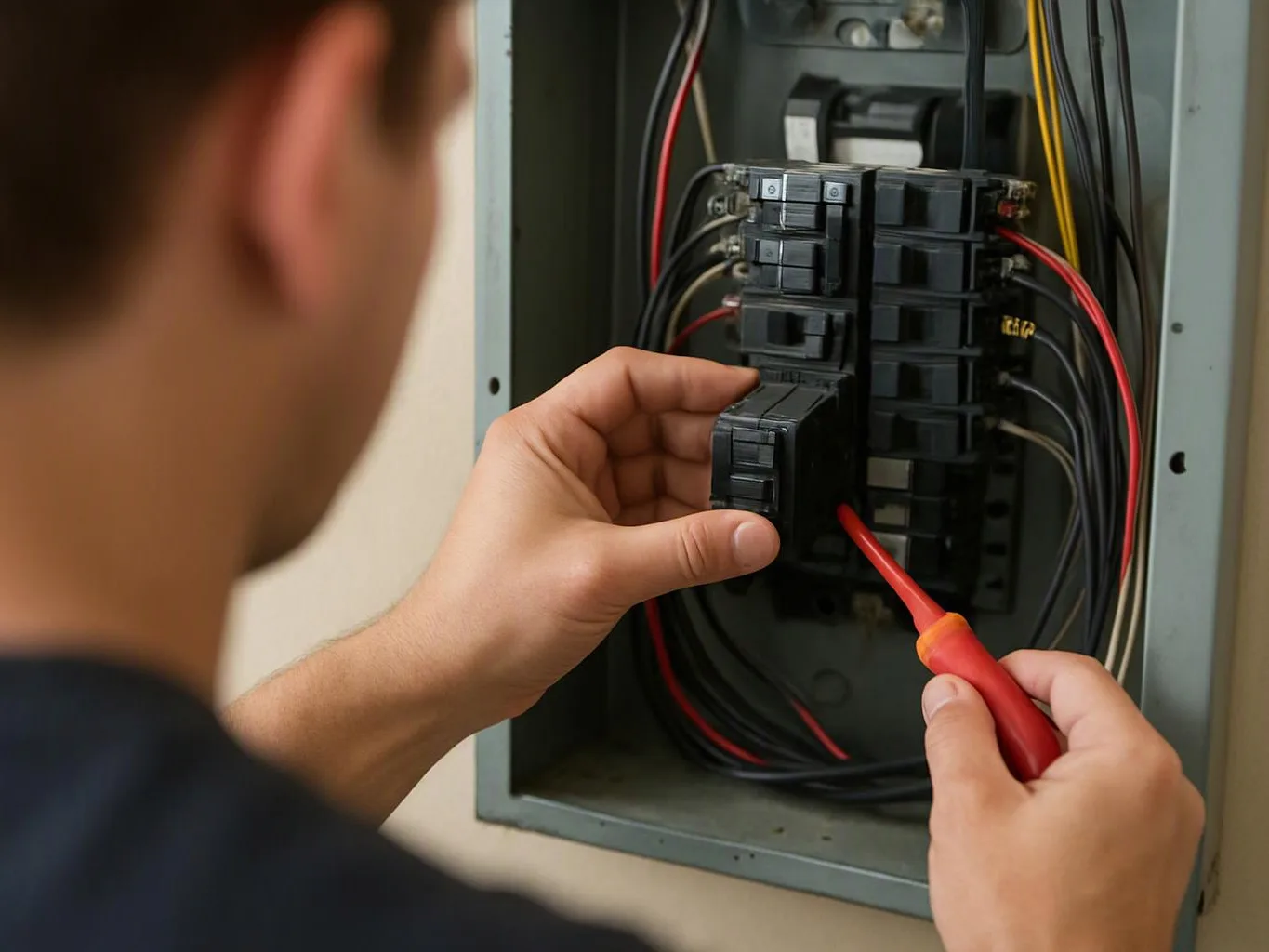
Troubleshooting becomes panel work when testing finds damaged breakers, unsafe connections, limited capacity, or problems across several circuits. We explain the finding before recommending an upgrade. A panel change is separate from finding one failed receptacle. Customers should share any history of repeated trips, warm breakers, buzzing, or added equipment.
Why can a breaker trip even after the appliance is unplugged?
A breaker can trip after an appliance is unplugged when the circuit has a wiring fault, damaged receptacle, weak breaker, or another connected load. We trace the circuit and test its voltage and continuity. Customers should leave the breaker off if it trips again, especially when heat, odor, or buzzing is present.
How does a troubleshooting visit move from the first call to the last step?
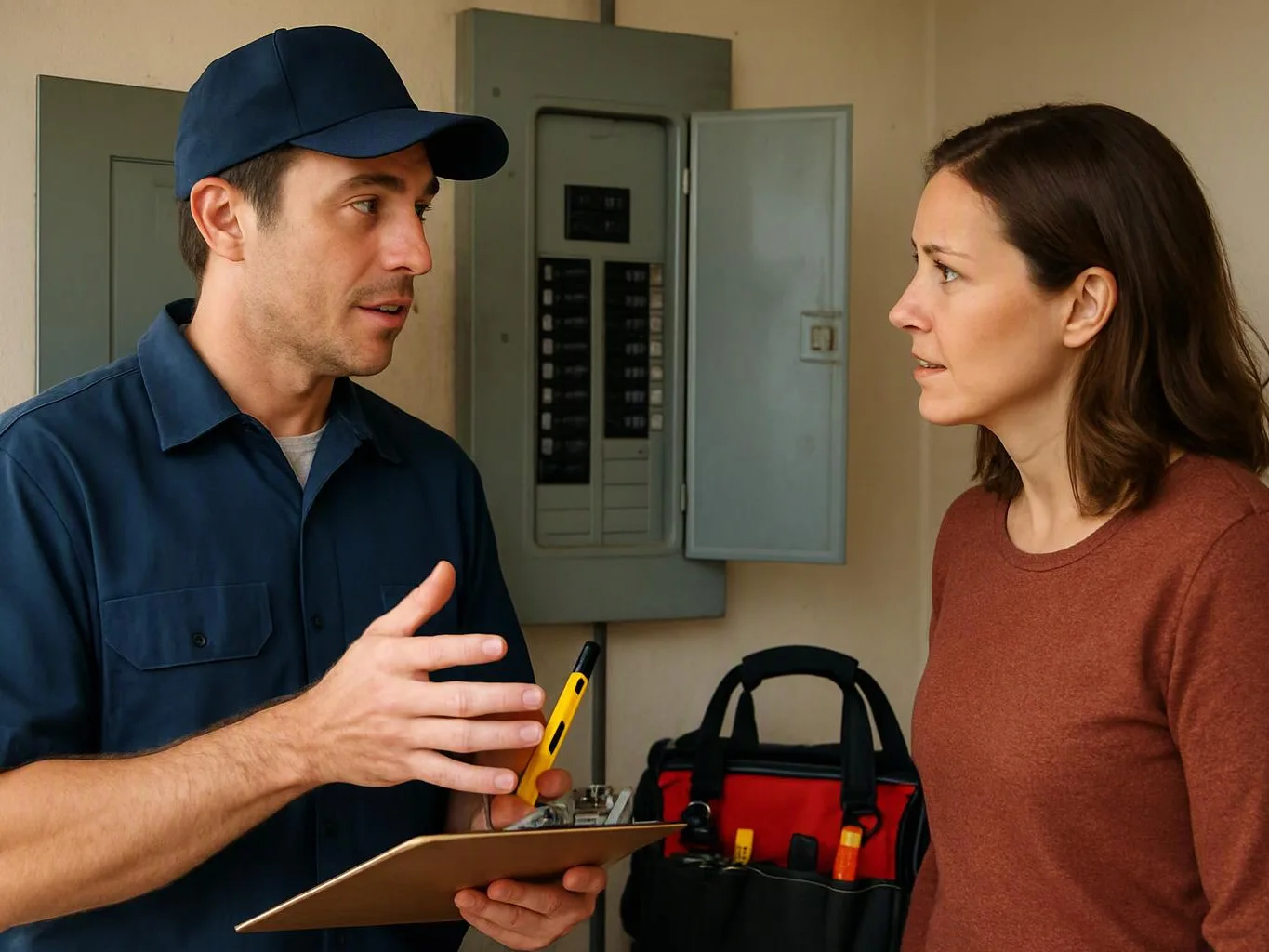
A troubleshooting visit moves from symptom review to inspection, testing, circuit tracing, and a repair decision. We start with the affected room, equipment, breaker, or outlet. Customers can help by providing access and noting when the fault occurs. The final step is an explanation of the diagnosed issue and the work needed next.
Can this service fit an older home or a commercial property?
Electrical troubleshooting fits older homes and commercial properties when power faults, unsafe wiring, or repeated breaker trips need diagnosis. We adjust the inspection to the panel, wiring type, equipment, and accessible circuit path. Customers should mention past remodels, added equipment, or known wiring concerns so the testing plan covers the right areas.