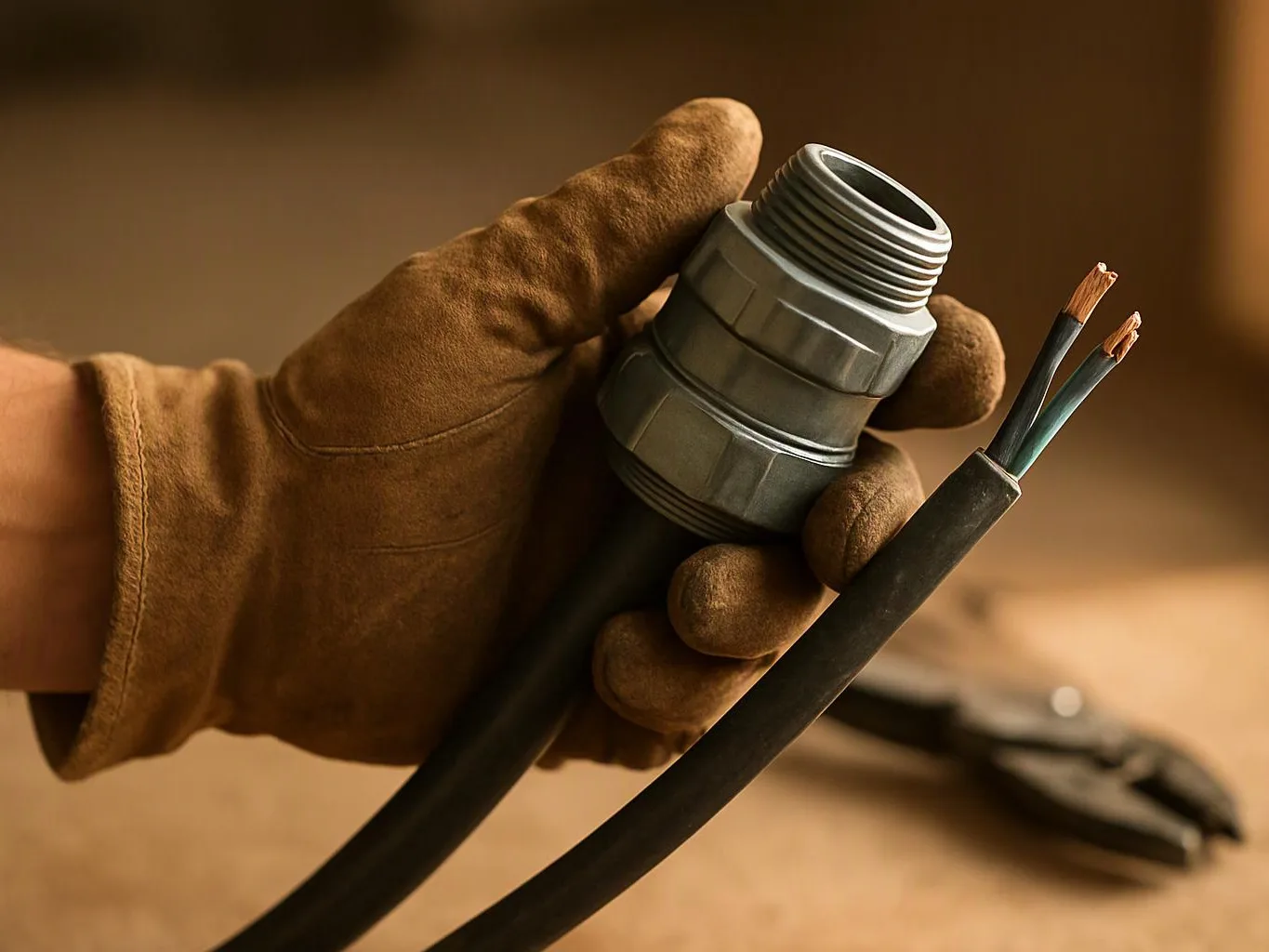
Electrical Troubleshooting: Causes, Safe Checks, and Next Steps
Electrical troubleshooting starts with identifying symptoms, checking safe user-accessible points, and separating simple resets from hazards that need diagnosis; Toledo Electrician investigates the circuit, device, or wiring issue and explains the next step.
Get a Free EstimateWhat Common Causes Should You Consider During Electrical Troubleshooting?
Electrical troubleshooting commonly considers overloads, tripped protective devices, loose or damaged connections, failed devices, moisture, and circuit faults.
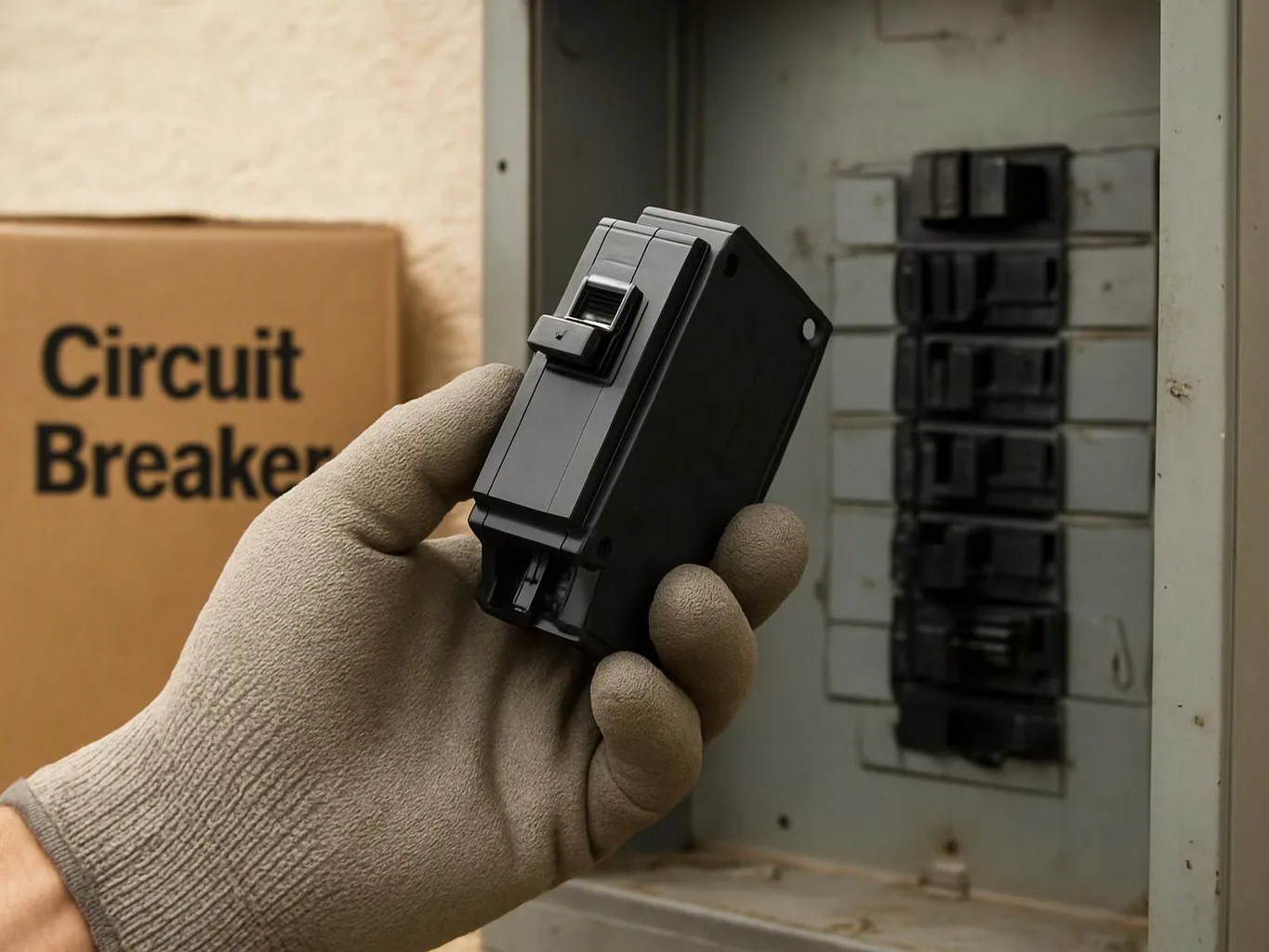
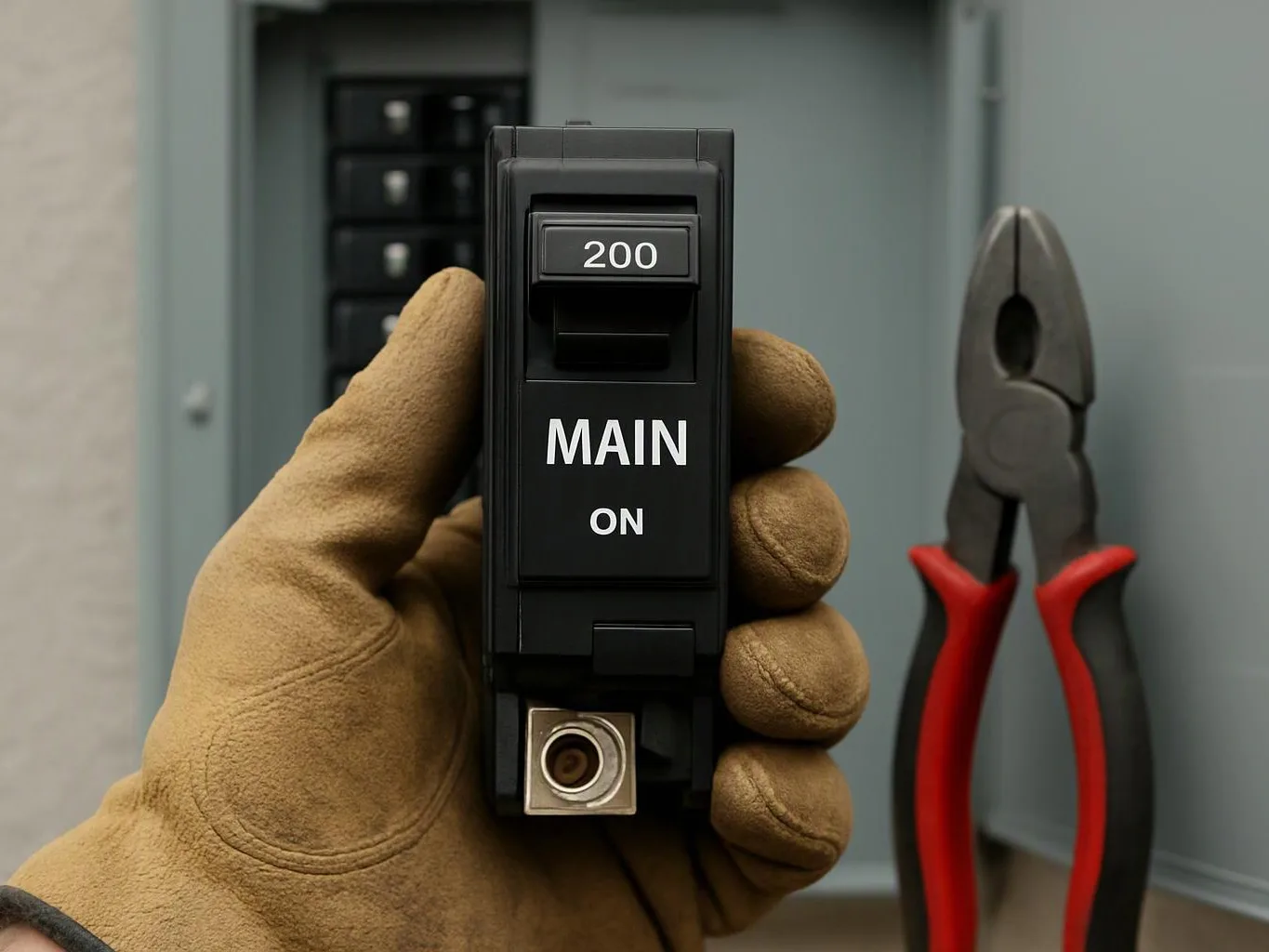
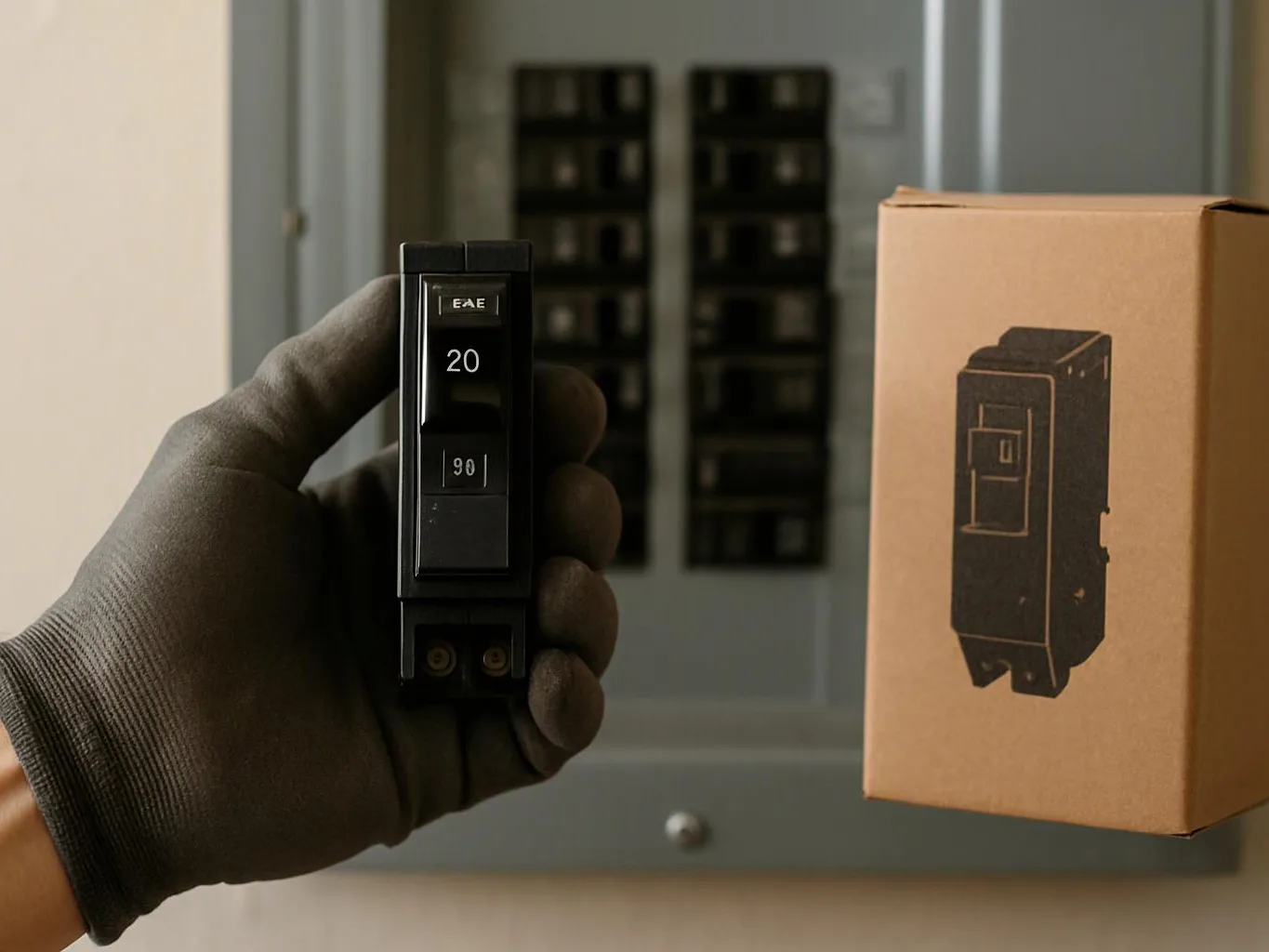
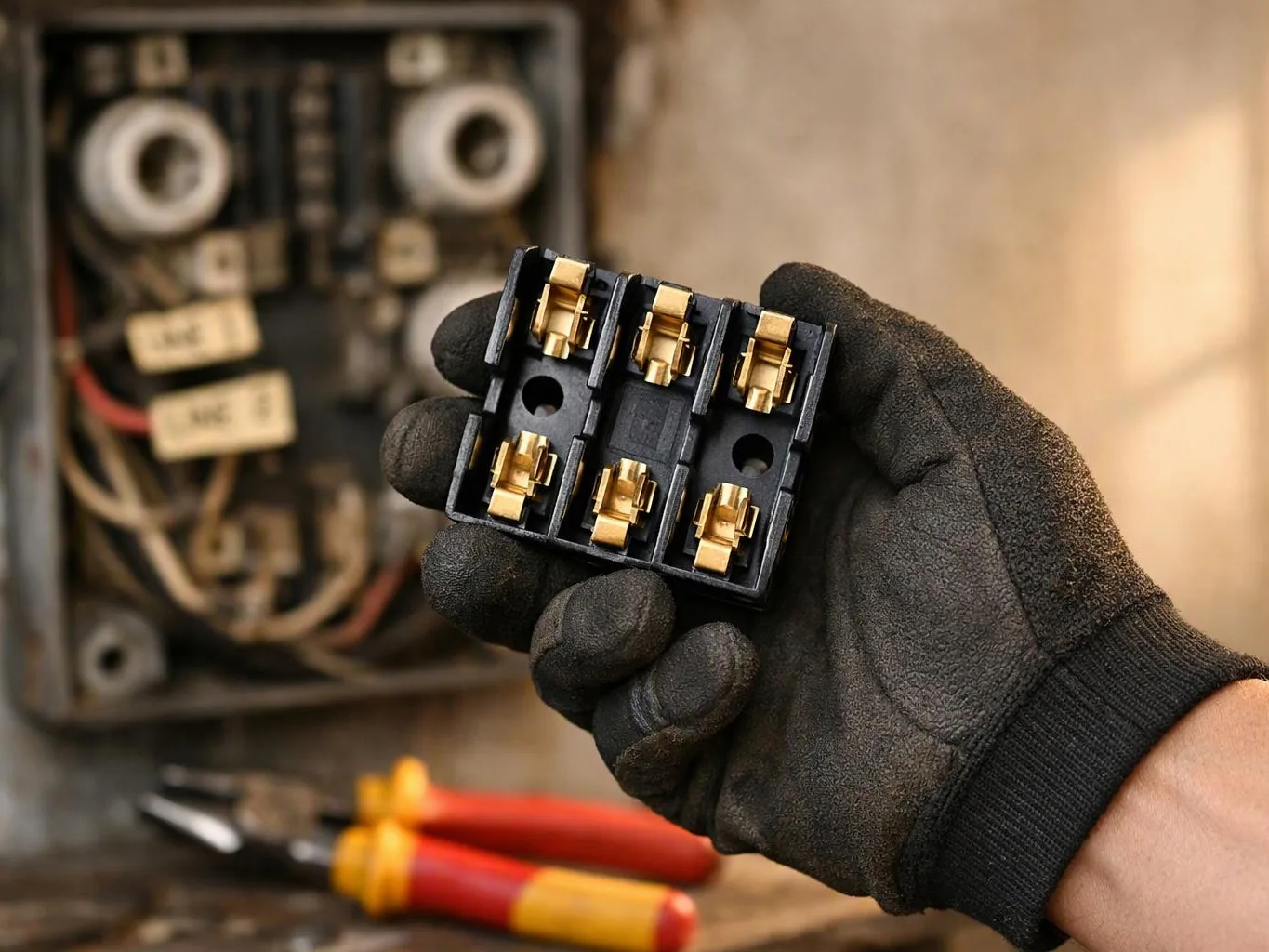
A circuit breaker or fuse may operate when an overloaded circuit draws too much current. A short circuit, ground fault, or arc fault can also activate a protective device. We trace the affected circuit to determine whether the cause is the load, the protection, or the wiring.
A loose connection can create heat, power loss, or an intermittent electrical problem. Damaged wiring, a faulty electrical outlet, a faulty light switch, or a failed light fixture can produce similar symptoms. Our team inspects accessible components and connects the symptom pattern to the likely fault.
What Safe Electrical Checks Can You Do First?
Safe electrical checks include identifying whether the issue affects one device or several, inspecting accessible cords and outlets without touching exposed conductors, and checking a tripped breaker or GFCI once.
Use these steps for basic observation and reset checks. Stop when a check involves exposed wiring, heat, smoke, water, or a sign of damage.
How Should You Approach an Intermittent Electrical Problem?
Intermittent electrical problems require recording when the symptom occurs, what equipment is operating, and which rooms or circuits are affected before diagnosis.
Note whether intermittent power loss appears with flickering lights, an appliance starting, or a change in electrical load. Record which outlets, switches, or fixtures show the symptom and whether a breaker moves.
A symptom log helps us compare the event with the circuit load and possible voltage fluctuation. We use that pattern to guide circuit tracing, voltage testing, and inspection of wiring connections.
What Should You Check in Each Room?
A room-by-room electrical check connects the symptom to the outlets, switches, fixtures, appliances, and protective devices serving that area.
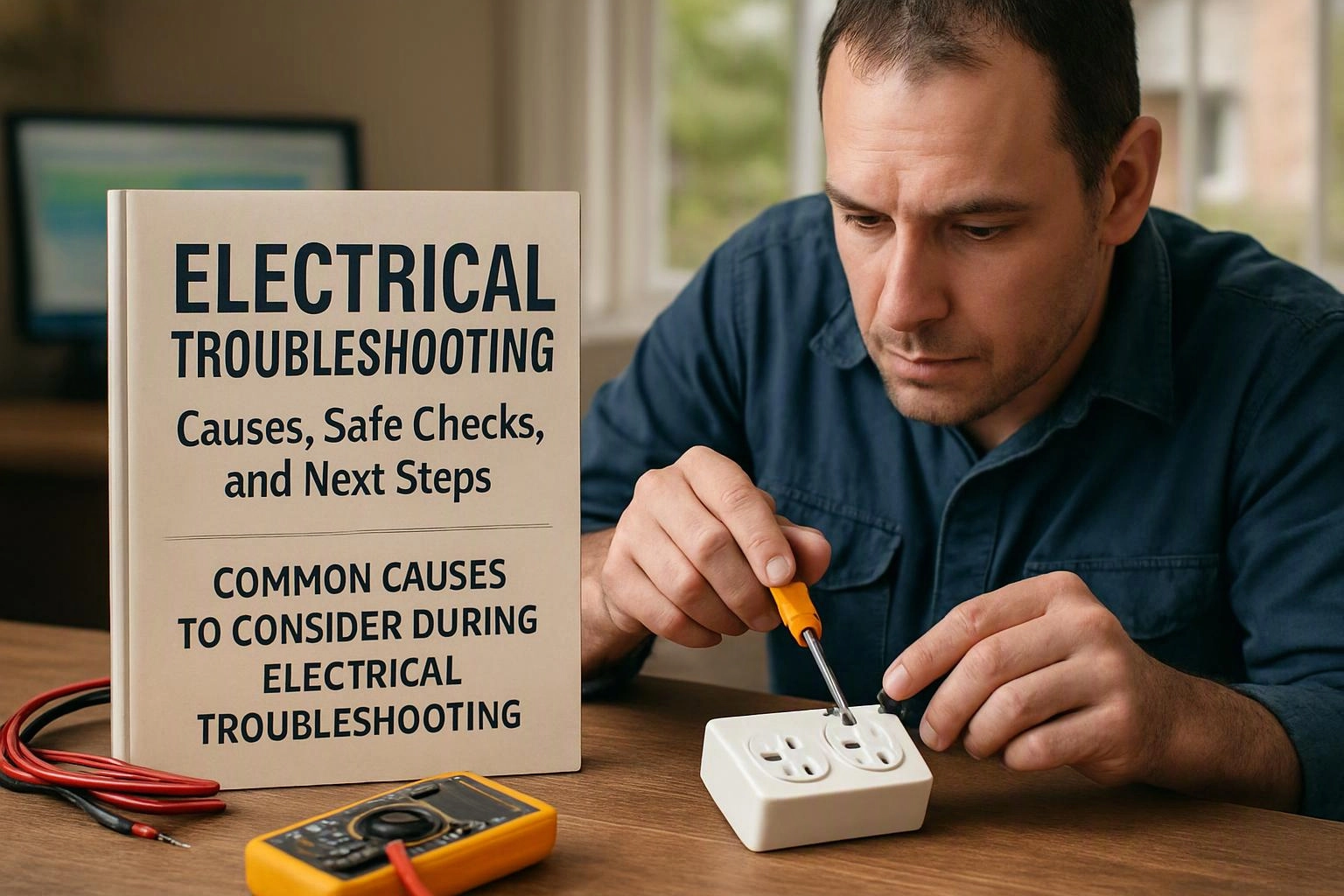
Walk through the affected space without removing covers or opening equipment. Our crew can then connect your observations to the correct circuit and assess whether the issue is local or shared.
| Area | Useful observations |
|---|---|
| Kitchen circuit | Check whether countertop outlets, appliances, or lights lose power together. |
| Bathroom GFCI | Look for a reset condition and signs of moisture without opening the outlet. |
| Bedroom outlet | Note whether one receptacle is affected while nearby outlets still work. |
| Living room lighting | Record flickering, switch behavior, and whether a fixture or dimmer is involved. |
| Garage circuit | Check connected tools, outlets, and protective devices from a safe position. |
| Outdoor outlet | Look for moisture, weather damage, or a related GFCI reset condition. |
| Smoke alarm | Note alarms, chirping, or loss of power without disconnecting wiring. |
| Appliance circuit | Record what the appliance does when power changes or a breaker operates. |
When Is Electrical Troubleshooting Unsafe to Continue?
Electrical troubleshooting is unsafe to continue when the issue involves smoke, sparking, heat, exposed conductors, water, burning odors, or repeated protective-device trips.
An electric shock hazard can exist even when a device appears inactive. Stop using a sparking outlet, switch, or fixture, and keep away from water near electricity. Do not touch exposed wire, burn marks, damaged insulation, or an overheating electrical panel.
A repeated breaker trip can indicate an overload, short circuit, ground fault, arc fault, or damaged wiring. We isolate the affected circuit and test it safely before recommending a repair.
How Toledo Electrician Diagnose the Next Step?
Toledo Electrician diagnoses the next step by connecting the reported symptom to the affected circuit, inspecting accessible components, testing safely, and explaining whether the issue needs repair or further investigation.
Our team begins with an electrical inspection and a review of the symptom pattern. We use circuit tracing to identify the circuit path, then apply voltage testing and continuity testing where appropriate.
We assess circuit load, inspect wiring connections, and check the condition of outlets, switches, fixtures, and protective devices. These findings support a clear repair recommendation and help define the repair scope.
Free Estimates Available when you request an assessment. The estimate explains the observed fault, the work included, and the factors that may affect the final scope.
What Questions Should You Ask During Electrical Troubleshooting?
Good questions help connect the fault symptoms to the affected circuit and clarify what the diagnostic findings mean. Ask our team for direct answers about safety, repair scope, and the next decision.
Questions About Electrical Troubleshooting
Why does one outlet stop working while other outlets still have power?
Toledo Electrician checks for a tripped GFCI, a loose connection, a faulty electrical outlet, or a circuit problem when one outlet loses power while others still work.
Why do lights flicker when an appliance turns on?
Lights may flicker when an appliance changes the circuit load, a connection is loose, or voltage fluctuates. We test the affected circuit and inspect its wiring connections.
What does a repeatedly tripping breaker indicate?
A repeatedly tripping breaker can indicate an overload, short circuit, ground fault, arc fault, or damaged wiring. We diagnose the circuit before recommending a reset or repair.
Should you reset a breaker that keeps tripping?
No. A breaker that keeps tripping should remain off while the cause is investigated, especially when heat, smoke, sparking, burning odor, or visible damage is present.
Can a loose electrical connection cause intermittent power?
Yes. A loose electrical connection can cause intermittent power, flickering lights, heat, or a changing symptom pattern. We inspect and test the affected circuit to locate the connection.
When a reset does not solve the issue or a hazard is present, request Electrical Troubleshooting from Toledo Electrician. We explain the diagnostic findings, the safe next step, and the repair scope.
Free Estimates Available for the work we assess and discuss.
Get a Free Estimate